
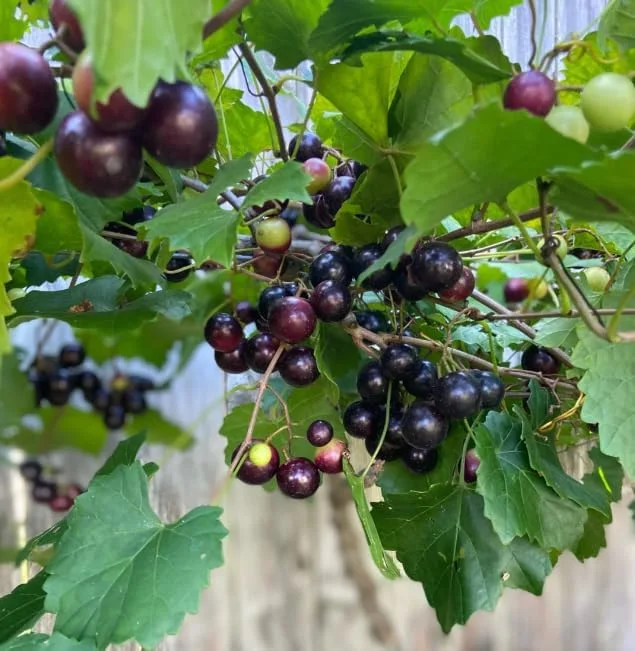
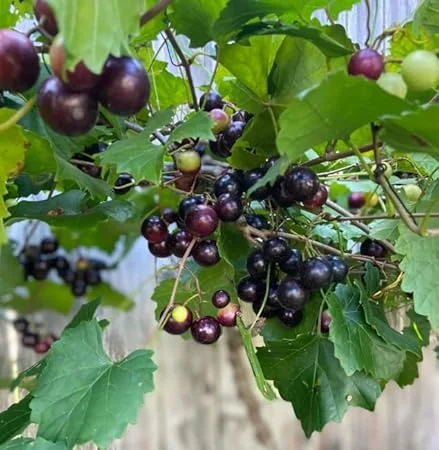
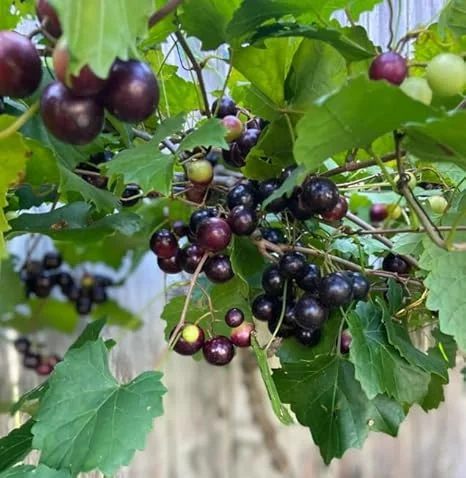
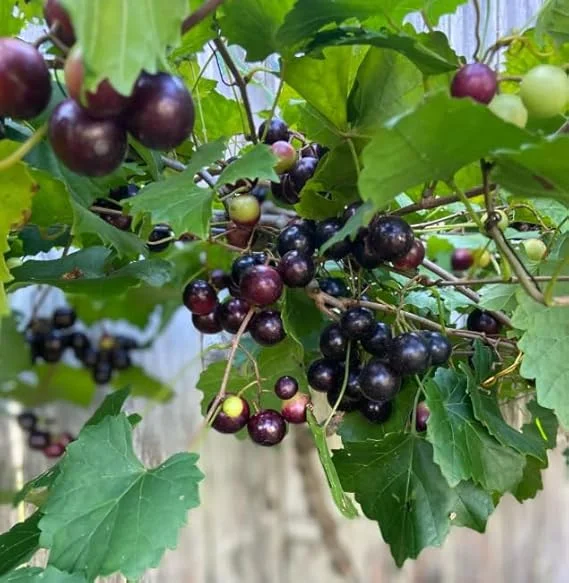
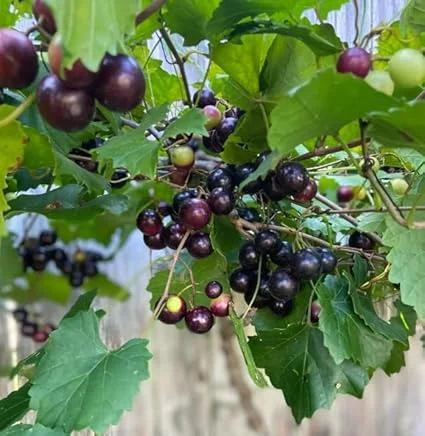
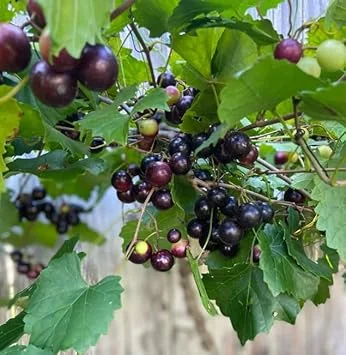
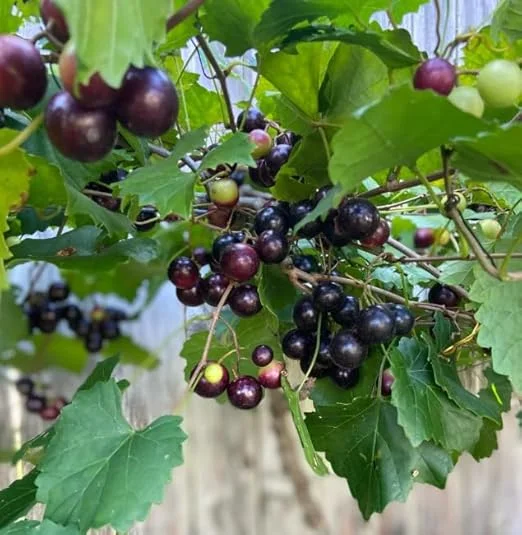
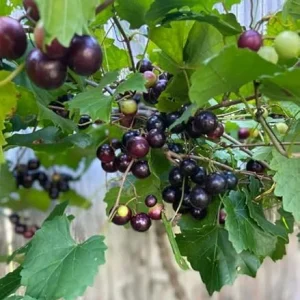
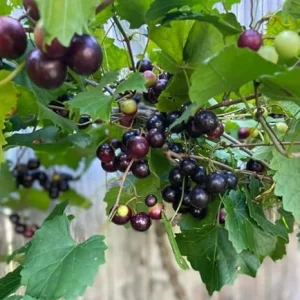
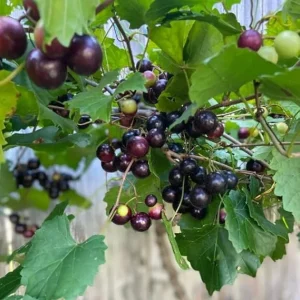
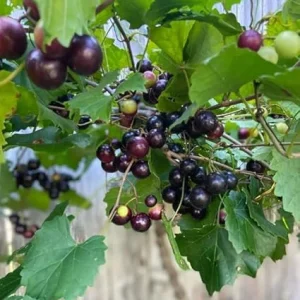
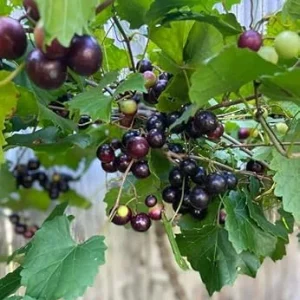
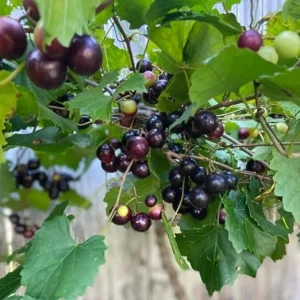
Black Southland Muscadine Vine Plant – 2 Year Old Sweet Grape Vine, 15 Ft Mature Height, Outdoor
Original price was: $103.60.$51.80Current price is: $51.80.
Cultivate your own sweet grapes with this black muscadine vine plant. This 2-year-old vine is ready to thrive outdoors, producing an abundance of juicy, dark muscadine grapes. Perfect for trellises and arbors, offering both beauty and a bountiful harvest.
-
USDA Hardiness Zone
3-9 (Grows well in 6-10) -
Soil Type
Loam soil, well-drained (pH 6.0-6.5) -
Sunlight Exposure
Full Sun -
Expected Planting Period
Spring, after the last frost

You can track your order HERE
Mar 22
Mar 27 - Mar 29
Apr 01 - Apr 05
Shipping and return policies: Our Alive & Thrive Guarantee covers issues with your plants within the first 30 days. Reach out to us. Our team will answer your questions and help you find the plants that are truly suitable for your environment, climate, and personal preferences.

Overview
Embark on a rewarding gardening journey with the black muscadine vine plant. This robust and productive grapevine is a fantastic addition to any outdoor landscape, known for its ability to produce an abundance of sweet, dark-skinned grapes. Originating from the southeastern United States, Muscadine grapes (Vitis rotundifolia) are celebrated for their unique flavor, rich aroma, and high nutritional value. Our offering is a healthy 2-year-old vine, already established and eager to grow, providing a head start compared to younger cuttings. These vines are particularly well-suited for home gardens, offering delicious fruit for fresh eating, juices, jellies, and even homemade wine. Experience the joy of harvesting your own succulent grapes right from your backyard with this resilient and easy-to-grow variety.
The Black Southland Muscadine is a self-fertile variety, meaning you only need one plant to ensure fruit production, though planting multiple vines can increase yields. It’s a vigorous grower, perfect for training on arbors, pergolas, or trellises, where it will provide both shade and a beautiful, fruitful display. This particular muscadine is prized for its large, flavorful grapes and its adaptability to various growing conditions, making it a popular choice among both novice and experienced gardeners looking to grow sweet muscadine grapes.
Key Benefits
Adding a black muscadine vine plant to your garden offers numerous advantages, from delicious fruit to ornamental beauty. These vines are not only productive but also relatively low-maintenance, making them an excellent choice for sustainable gardening.
- Abundant Harvest: Enjoy a generous yield of large, sweet, and juicy black muscadine grapes each season, perfect for fresh consumption, preserves, or wine-making.
- Robust & Resilient: Muscadine vines are known for their hardiness and resistance to many common grape diseases and pests, making them a reliable choice for gardeners.
- Ornamental Value: Beyond their fruit, these vines offer attractive foliage and can be trained to create beautiful shaded areas or decorative features in your garden.
- Nutritional Powerhouse: Muscadine grapes are packed with antioxidants, vitamins, and minerals, contributing to a healthy diet.
- Self-Pollinating: The ‘Southland’ variety is self-fertile, ensuring fruit production even if planted alone, simplifying your gardening efforts.
- Long Lifespan: With proper care, a muscadine plant for sale can produce fruit for many years, becoming a long-term asset to your landscape.
- Adaptable Growth: Thrives across a wide range of USDA hardiness zones, making it suitable for many climates in the US.
Plant Care & Growing Tips
Caring for your black muscadine vine plant is straightforward, ensuring a bountiful harvest with proper attention. These vines prefer a location that receives full sun, meaning at least 6-8 hours of direct sunlight per day. Adequate sunlight is crucial for fruit development and overall plant health. When selecting a site, ensure good air circulation to minimize fungal issues.
Muscadines thrive in well-drained soil with a pH between 6.0 and 6.5. Loamy soil is ideal, but they can adapt to various soil types as long as drainage is excellent. Avoid heavy, waterlogged soils, which can lead to root rot. When planting, dig a hole twice as wide as the root ball and just as deep. Backfill with native soil, ensuring the plant is at the same level as it was in its nursery pot. Water thoroughly after planting. Consistent moisture is important, especially during dry periods and when the fruit is developing. However, avoid overwatering; the soil should be allowed to dry out slightly between waterings. Understanding southland muscadine care is essential for success.
Support is critical for muscadine vines, as they are vigorous growers. Install a sturdy trellis, arbor, or fence at the time of planting to provide the necessary structure for the vine to climb. Pruning is another vital aspect of muscadine vine growing tips, typically performed in late winter or early spring while the vine is dormant. Remove dead or damaged wood, thin out overcrowded areas, and train new growth along your support structure to encourage fruit production and maintain the plant’s shape. Fertilize annually in early spring with a balanced slow-release fertilizer designed for fruiting plants. Protect young vines from extreme cold in their first year if planted in the colder end of their hardiness range.
Size & Details
This black muscadine vine plant is a 2-year-old, established specimen, providing a strong foundation for future growth and fruit production. It is shipped as a live plant, typically in a nursery pot, ready for transplanting into your garden. The expected mature height of this vigorous vine is approximately 15 feet, though its size can be managed through regular pruning and training on a support structure. Muscadine vines spread extensively, requiring spacing of 10-20 feet apart to allow for adequate growth and air circulation. Expect blooming to occur from spring to fall, with fruit ripening in late summer to early fall, depending on your specific climate zone. This plant is well-suited for USDA Hardiness Zones 6-10, making it a versatile choice for many regions.
Frequently Asked Questions
- Q: How big does this muscadine vine get? A: The Black Southland Muscadine vine can reach up to 15 feet in height, especially when provided with a sturdy support structure like a trellis or arbor. Its spread can also be significant, requiring ample space.
- Q: Is this an indoor or outdoor plant? A: This is an outdoor plant. Black muscadine vine plants require full sun and space to grow, making them unsuitable for indoor cultivation.
- Q: How much sunlight does it need? A: The Black Southland Muscadine vine thrives in full sun, needing at least 6-8 hours of direct sunlight per day for optimal growth and fruit production.
- Q: Is this plant easy to care for? A: Yes, muscadine vines are generally considered easy to care for, especially once established. They are quite resilient and more disease-resistant than many other grape varieties, making southland muscadine care manageable for most gardeners.
- Q: What condition will it arrive in? A: Your 2-year-old muscadine plant for sale will arrive as a live, healthy vine, typically in a nursery pot with soil, carefully packaged to ensure its safe journey.
- Q: When is the best time to plant this muscadine vine? A: The best time to plant your muscadine vine is in the spring, after the last frost, when the soil has warmed up. This allows the plant ample time to establish its root system before the heat of summer.
- Q: Will it survive winter in my zone? A: The Black Southland Muscadine is suitable for USDA Hardiness Zones 6-10. If you are in zone 6, providing some winter protection for the first year might be beneficial, but established vines are quite hardy.
- Q: How long until it produces grapes? A: As a 2-year-old vine, your muscadine plant is already mature enough to begin producing fruit. You can typically expect your first harvest of sweet muscadine grapes within the first 1-2 years after planting.
- Q: Does this muscadine vine require another plant for pollination? A: No, the ‘Southland’ muscadine variety is self-fertile, meaning it can produce fruit on its own without the need for a separate pollinator.
- Q: What are some good muscadine vine growing tips for beginners? A: For beginners, focus on providing full sun, well-drained soil, consistent watering (especially when young), and a strong trellis for support. Regular pruning in late winter is also key to good fruit production.
Be the first to review “Black Southland Muscadine Vine Plant – 2 Year Old Sweet Grape Vine, 15 Ft Mature Height, Outdoor”
People Also Viewed
Sold 99 products
From $47.80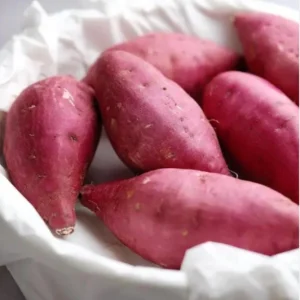
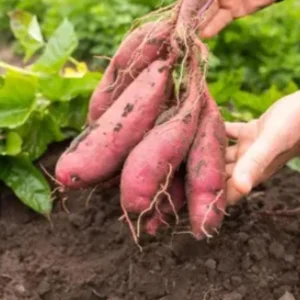
Vegetables
10 Pink Korean Sweet Potato Slips – Well Rooted Live Plants – Easy Grow Sweet Potato Cutting
Sold 69 products
Original price was: $55.99.$39.19Current price is: $39.19.
Sold 81 products
Original price was: $32.18.$16.09Current price is: $16.09.
Sold 55 products
Original price was: $34.00.$27.20Current price is: $27.20.
Vegetable Seeds
Mixed Color True Potato Seeds – 60 Count, Red, Yellow, Purple
Sold 80 products
From $17.47
Sold 50 products
Original price was: $54.36.$27.18Current price is: $27.18.
Sold 76 products
Original price was: $15.00.$7.50Current price is: $7.50.
Sold 52 products
Original price was: $29.96.$14.98Current price is: $14.98.
Sold 96 products
Original price was: $36.00.$18.00Current price is: $18.00.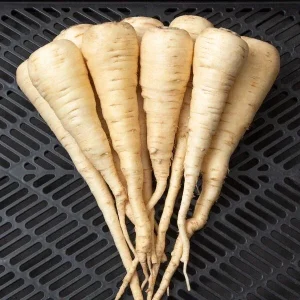
Vegetable Seeds
Parsnip Seeds Harris Early Model – 200+ Vegetable Garden Seeds for Culinary Use, Outdoor
Sold 87 products
Original price was: $8.52.$4.26Current price is: $4.26.
Flower Seeds
Sold 71 products
Original price was: $18.76.$9.38Current price is: $9.38.
Sold 56 products
From $3.98
Vegetables
Sweet Potato Slips Variety Pack – 20 Cuttings – Korea Purple, Okinawa, White, Orange for Planting
Sold 71 products
$78.00
Sold 61 products
Original price was: $67.96.$33.98Current price is: $33.98.
Sold 58 products
Original price was: $181.98.$90.99Current price is: $90.99.
Sold 70 products
Original price was: $40.00.$20.00Current price is: $20.00.
Sold 92 products
Original price was: $31.98.$15.99Current price is: $15.99.
Sold 85 products
Original price was: $40.00.$32.00Current price is: $32.00.


Reviews
There are no reviews yet.