
Black Jambu Plum Live Plant – Java Plum Fruit Tree – Half Gallon Pot
Original price was: $50.99.$43.99Current price is: $43.99.
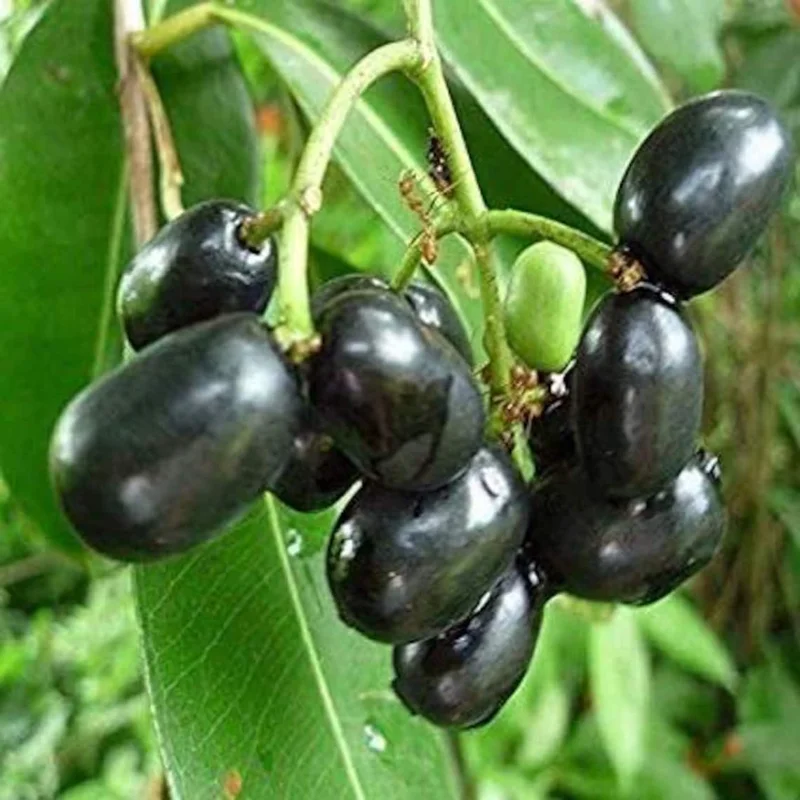
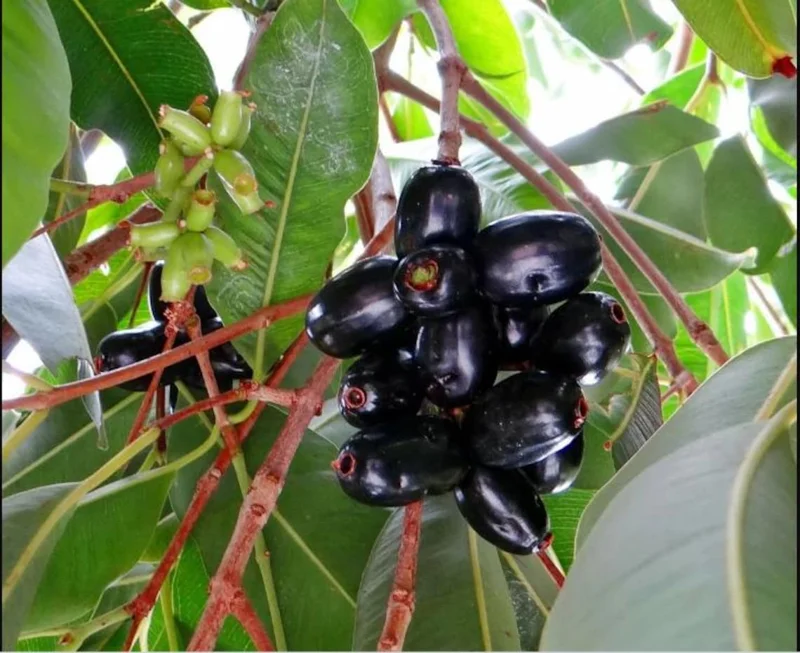
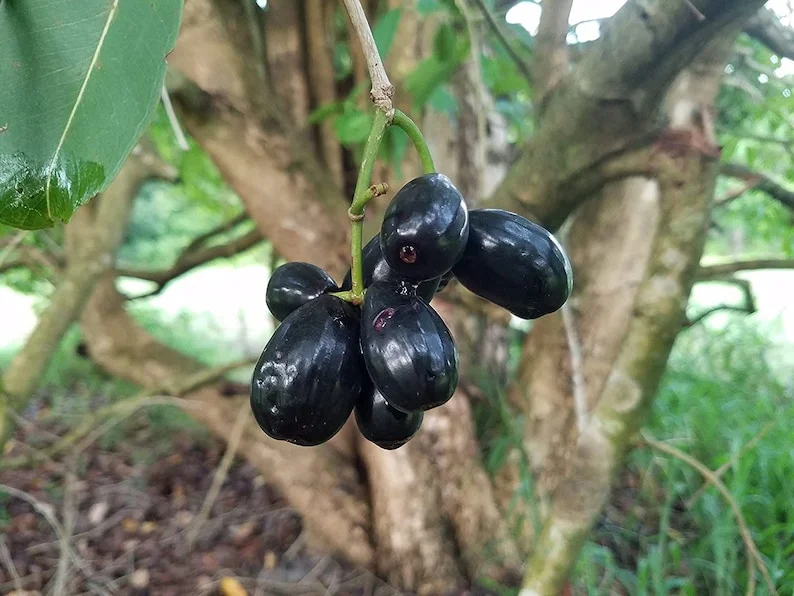
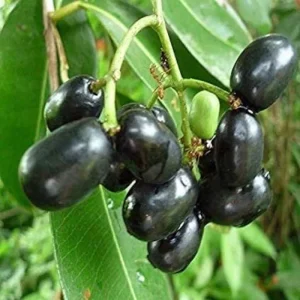
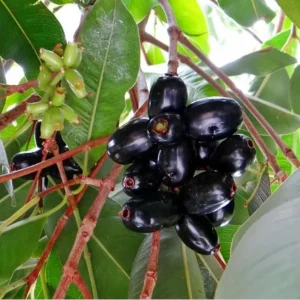
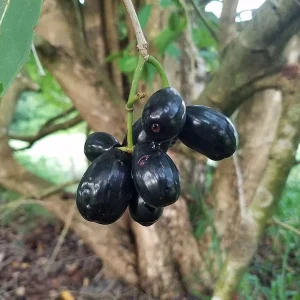
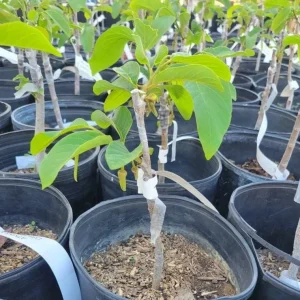
Cultivate your own exotic fruits with the black jambu plum live plant. Also known as the java plum fruit tree, this plant offers delicious, dark purple fruits and an attractive evergreen presence. Perfect for adding a tropical touch to your landscape or as a potted specimen.
-
USDA Hardiness Zone
USDA zones 9-11 -
Soil Type
Well-draining, slightly acidic to neutral loam -
Sunlight Exposure
Full sun -
Expected Planting Period
Spring to early summer

You can track your order HERE
Sep 16
Sep 21 - Sep 23
Sep 26 - Sep 30
Shipping and return policies: Our Alive & Thrive Guarantee covers issues with your plants within the first 30 days. Reach out to us. Our team will answer your questions and help you find the plants that are truly suitable for your environment, climate, and personal preferences.

Overview
Discover the joy of growing your own exotic fruit with the black jambu plum live plant. This unique and rewarding plant, scientifically known as Syzygium cumini, is cherished for its sweet, juicy, and often astringent dark purple fruits. Also commonly referred to as the java plum fruit tree, it’s a fantastic choice for enthusiasts looking to expand their edible landscape or for those who appreciate tropical and subtropical flora. Originating from the Indian subcontinent, this evergreen tree can be a striking addition to your garden, providing both ornamental beauty and delicious, healthy fruit. The Black Jambu Plum is not only a source of tantalizing fruit but also offers a lush, dense canopy that can provide welcome shade in warmer climates. Its vibrant green foliage and attractive form make it a beautiful specimen even when not in fruit.
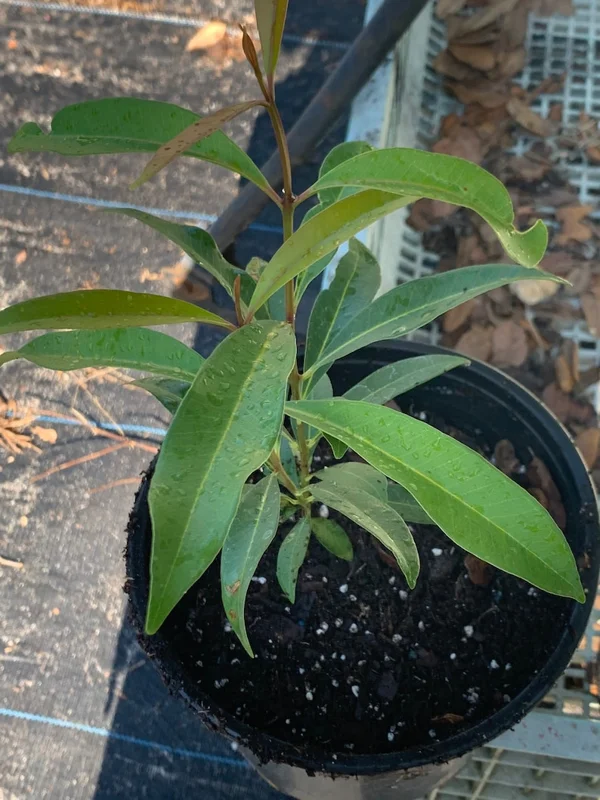
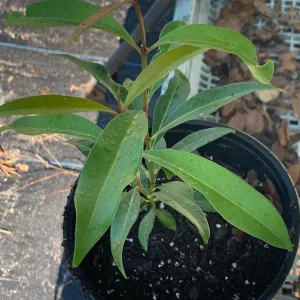
The black jambu plum live plant is delivered in a half-gallon pot, ready for you to transplant and nurture. It’s a relatively fast-growing tree, especially in optimal conditions, and can begin producing fruit within a few years. Known for its adaptability, the syzygium cumini plant can thrive in various soil types, though it prefers well-draining conditions. Whether you’re an experienced gardener or just starting your journey with fruit trees, this Java Plum offers a rewarding experience with its bountiful harvests and attractive appearance. Embrace the taste of the tropics right in your backyard or on your patio with this exceptional fruit-bearing plant.
Key Benefits
Adding a black jambu plum live plant to your garden offers a multitude of benefits, from its delicious fruit to its aesthetic appeal and ecological contributions. Here are some compelling reasons to cultivate this remarkable tree:
- Exotic Fruit Production: Enjoy a consistent supply of fresh, dark purple fruits that are not commonly found in local grocery stores. The Java Plum is known for its unique sweet and tangy flavor profile, perfect for eating fresh, making juices, jellies, or desserts. Growing your own ensures you have access to organic, ripe fruit.
- Ornamental Value: Beyond its fruit, the jambu fruit tree is a beautiful evergreen with dense foliage, making it an excellent choice for shade, privacy screens, or as a striking focal point in your landscape. Its glossy leaves and occasional fragrant flowers add to its aesthetic appeal.
- Nutritional Richness: Java Plums are packed with vitamins, minerals, and antioxidants, making them a healthy addition to your diet. They are particularly noted for their high vitamin C content and potential health benefits.
- Relatively Low Maintenance: Once established, the java plum fruit tree is quite hardy and requires minimal care, making it suitable for gardeners who prefer less demanding plants. It’s generally resistant to many common pests and diseases.
- Attracts Wildlife: The fruit and flowers can attract beneficial pollinators and birds to your garden, contributing to local biodiversity and creating a lively outdoor space.
- Adaptability: While preferring warm climates, the syzygium cumini plant can be grown in large containers in cooler regions, allowing you to move it indoors during colder months. This adaptability makes it accessible to a wider range of gardeners.
- Rapid Growth: This tree generally exhibits a good growth rate, meaning you won’t have to wait many years to enjoy its shade and fruit production, providing quicker gratification for your gardening efforts.
Plant Care & Growing Tips
Caring for your black jambu plum live plant is straightforward, especially if you provide it with the right conditions from the start. This tropical tree thrives in warm, humid environments, but it can adapt to various settings with proper care. Understanding its needs for sunlight, water, and soil will ensure a healthy and productive java plum fruit tree.
Sunlight Requirements
The Black Jambu Plum prefers full sun, meaning at least 6-8 hours of direct sunlight per day. In very hot climates, some afternoon shade can be beneficial to prevent leaf scorch, especially for younger plants. If growing indoors or in a container, place it in the sunniest spot available, ideally a south-facing window. Insufficient light can lead to sparse foliage and reduced fruit production.
Watering Schedule and Soil Moisture Preferences
Consistent moisture is key for a thriving syzygium cumini plant, especially during its establishment phase and while fruiting. Water deeply and regularly, allowing the top inch or two of soil to dry out slightly between waterings. Avoid waterlogging, as this can lead to root rot. During drier periods, you may need to water more frequently. Reduce watering slightly during cooler, dormant periods. Ensure good drainage to prevent standing water around the roots.
Soil Type and Drainage Requirements
The jambu fruit tree is quite adaptable to different soil types but performs best in rich, well-draining soil with a slightly acidic to neutral pH (6.0-7.5). A sandy loam or loamy soil enriched with organic matter is ideal. If planting in a container, use a high-quality potting mix that drains well. Good drainage is crucial to prevent root issues, so avoid heavy clay soils that retain too much moisture. Amending heavy soils with compost and sand can improve drainage.
Temperature Range and USDA Hardiness Zone
This tropical tree prefers warm temperatures and is sensitive to frost. It thrives in USDA Hardiness Zones 9-11. In areas outside these zones, it can be grown in large containers and moved indoors during winter months. Protect from temperatures below 30°F (-1°C), as prolonged exposure to cold can damage or kill the plant. Ideal temperatures for growth are between 70-95°F (21-35°C).
Fertilization Schedule and Type
Fertilize your java plum care plant during the growing season (spring and summer) to encourage vigorous growth and fruit production. Use a balanced fertilizer (e.g., 8-8-8 or 10-10-10) or one formulated for fruit trees, applying every 2-3 months. Follow the manufacturer’s instructions for application rates. Reduce or stop fertilization during fall and winter to allow the plant to rest.
Common Problems and Solutions
While generally hardy, the Black Jambu Plum can occasionally face issues like nutrient deficiencies (yellowing leaves), which can often be corrected with proper fertilization. Pests like aphids or scale can sometimes be a problem; address these with insecticidal soap or neem oil. Ensure adequate air circulation to prevent fungal diseases. Proper watering and sunlight are the best defenses against most common plant problems.
Size & Details
Our black jambu plum live plant is provided in a half-gallon nursery pot, ensuring it has a strong root system ready for transplanting into your garden or a larger container. At the time of shipment, plants typically stand between 12 to 24 inches tall, depending on growth stage and environmental factors. This vigorous grower can reach mature heights of 30 to 60 feet in ideal outdoor conditions, though it can be kept smaller with regular pruning, especially when grown in containers. The java plum fruit tree has a moderate to fast growth rate, often beginning to bear fruit within 3-5 years from planting. Its dense, evergreen canopy can spread up to 20-30 feet wide at maturity, offering ample shade and an impressive presence. The fruits are typically ready for harvest in late spring to early summer, depending on the climate and specific variety.
Frequently Asked Questions
- Q: How big does this plant get? A: In ideal outdoor conditions, the black jambu plum live plant can grow into a large tree, reaching heights of 30-60 feet with a spread of 20-30 feet. When grown in containers, its size can be managed with pruning, typically staying much smaller.
- Q: What size pot does it come in? A: Your black jambu plum live plant will arrive in a half-gallon nursery pot, providing a healthy start for its journey to your home. We recommend transplanting it into a larger container or directly into the ground upon arrival.
- Q: Is this an indoor or outdoor plant? A: Primarily an outdoor plant in USDA Zones 9-11, the java plum fruit tree can also be grown in large containers and brought indoors during colder months in non-tropical climates. It thrives with plenty of sunlight.
- Q: How much sunlight does it need? A: This tree requires full sun, meaning it needs at least 6-8 hours of direct sunlight daily to grow vigorously and produce abundant fruit. In extremely hot regions, some afternoon shade can be beneficial.
- Q: Is this plant easy to care for? Is it good for beginners? A: Once established, the syzygium cumini plant is relatively low-maintenance and can be a good choice for beginners who can provide adequate sunlight and consistent watering. It’s quite hardy against common pests.
- Q: What condition will it arrive in? A: Your plant will arrive healthy and well-packaged, carefully prepared for shipping to ensure it withstands transit. It will be rooted in soil within its half-gallon pot, ready for planting.
- Q: Can I use java plum fruit in cooking? A: Absolutely! The fruits of the jambu fruit tree are versatile. They can be eaten fresh, used in juices, jams, jellies, or even fermented into wine. Their unique flavor adds a tropical twist to various culinary creations.
- Q: How long until it blooms? A: A young black jambu plum live plant typically begins to flower and produce fruit within 3-5 years after planting, given optimal growing conditions and care.
- Q: When is the best time to plant? A: The best time to plant your Java Plum is in the spring or early summer, after the last risk of frost has passed, allowing it ample time to establish itself before cooler weather.
- Q: Will it survive winter in my zone? A: The java plum care guide suggests it is suitable for USDA Zones 9-11. If you live in a colder zone, you will need to protect it from frost or grow it in a container that can be moved indoors during winter.
Be the first to review “Black Jambu Plum Live Plant – Java Plum Fruit Tree – Half Gallon Pot”
People Also Viewed
Sold 67 products
Original price was: $35.96.$17.98Current price is: $17.98.
Sold 53 products
Original price was: $18.90.$7.95Current price is: $7.95.
Sold 95 products
Original price was: $42.98.$21.49Current price is: $21.49.
Sold 53 products
From $22.88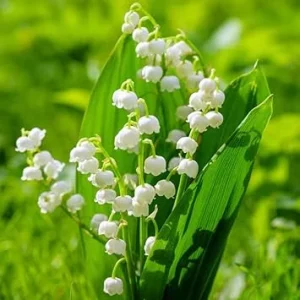
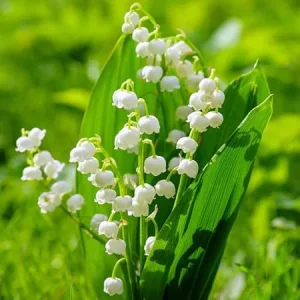
Flower Bulbs
Lily of the Valley Flower Bulbs – 10 Pack, Fragrant White Perennial Flowers for Outdoors
Sold 98 products
Original price was: $45.98.$22.99Current price is: $22.99.
Sold 55 products
Original price was: $91.56.$45.78Current price is: $45.78.
Sold 55 products
Original price was: $29.98.$14.99Current price is: $14.99.
Sold 83 products
Original price was: $41.56.$24.78Current price is: $24.78.
Sold 88 products
Original price was: $300.00.$150.00Current price is: $150.00.
Sold 56 products
From $25.99
Sold 67 products
Original price was: $14.76.$7.38Current price is: $7.38.
Sold 87 products
$49.97
Sold 76 products
Original price was: $391.96.$195.98Current price is: $195.98.
Sold 59 products
Original price was: $78.00.$39.00Current price is: $39.00.
Sold 66 products
Original price was: $11.96.$5.98Current price is: $5.98.
Sold 59 products
Original price was: $48.34.$24.17Current price is: $24.17.
Sold 74 products
$77.47
Sold 69 products
Original price was: $34.74.$17.37Current price is: $17.37.




%20–%20Rooted%20Herbs,%20Outdoor,%20USDA%20Zone%203&url=https://gardennursery.net/product/2-broadleaf-plantain-live-plants-plantago-asiatica-rooted-herbs-outdoor-usda-zone-3/&media=https://img.gardennursery.net/2026/06/2-broadleaf-plantain-live-plants-plantago-asiatica-04432d9d.webp)


&url=https://gardennursery.net/product/chesnok-red-garlic-bulbs-for-planting-heirloom-0-5-pound-4-5-jumbo-bulbs/&media=https://img.gardennursery.net/2026/02/chesnok-red-garlic-bulbs-for-planting-heirloom-05-a96a1718.webp)
%20Bare%20Root%20Perennial%20Plants%20–%20Outdoor%20Green%20Fuzzy%20Foliage&url=https://gardennursery.net/product/5-lambs-ear-stachys-byzantina-bare-root-perennial-plants-outdoor-green-fuzzy-foliage/&media=https://img.gardennursery.net/2026/06/5-lambs-ear-stachys-byzantina-bare-root-perennial-26903c0a.webp)

Reviews
There are no reviews yet.