
Black Cherry Tree Live Plant – 14-18in Tall – 1 Gallon Pot – Outdoor
Original price was: $63.20.$54.96Current price is: $54.96.
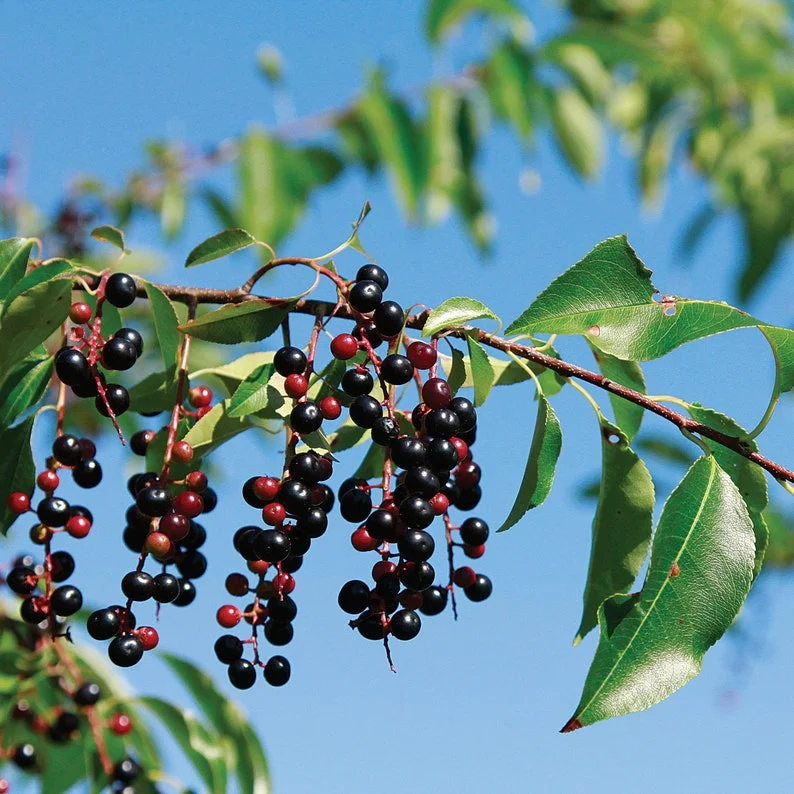
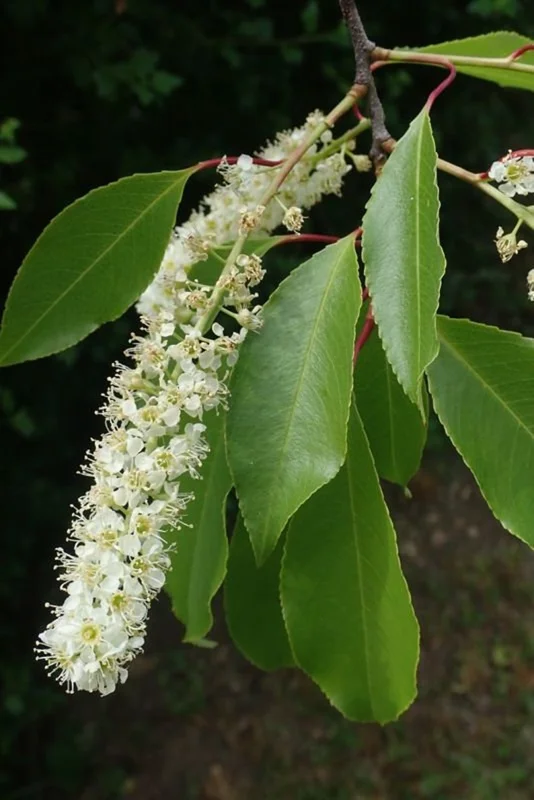
Bring a touch of native beauty to your garden with this black cherry live plant. Growing 14-18 inches tall in a 1-gallon pot, it’s perfect for establishing a strong, healthy tree. Known for its attractive foliage and wildlife benefits, this Prunus serotina tree is a fantastic addition to any outdoor space.
-
USDA Hardiness Zone
USDA Zones 3-9 -
Soil Type
Well-draining loam -
Sunlight Exposure
Full sun to partial shade -
Expected Planting Period
Spring or Fall

You can track your order HERE
Sep 21
Sep 26 - Sep 28
Oct 01 - Oct 05
Shipping and return policies: Our Alive & Thrive Guarantee covers issues with your plants within the first 30 days. Reach out to us. Our team will answer your questions and help you find the plants that are truly suitable for your environment, climate, and personal preferences.

Overview
Welcome the majestic black cherry live plant into your landscape, a truly iconic native tree known for its ecological value and striking appearance. This young black cherry live plant, scientifically known as Prunus serotina, arrives in a robust 1-gallon pot, standing proudly at 14-18 inches tall, ready to thrive in its new home. The black cherry tree is celebrated for its beautiful, dark green foliage that turns brilliant shades of yellow and red in the fall, offering year-round visual interest. Beyond its aesthetic appeal, this tree provides crucial habitat and food for a variety of wildlife, including birds and small mammals that feast on its dark, ripe fruits. Planting a black cherry live plant is an investment in biodiversity and natural beauty, ensuring a legacy of ecological richness for years to come.
As a prominent species in North American forests, the Prunus serotina tree adapts well to various conditions, making it a versatile choice for many gardeners. Its rapid growth rate and resilience contribute to its popularity among those seeking to establish mature trees quickly. Whether you’re aiming to enhance your garden with native flora or create a haven for local wildlife, this black cherry live plant is an excellent starting point. It will grow into a magnificent specimen that provides shade, beauty, and ecological benefits.
Key Benefits
Adding a black cherry live plant to your property offers a multitude of advantages, enriching both your landscape and the local ecosystem. This native tree is a powerhouse of ecological benefits and visual appeal.
- Ecological Keystone: The black cherry live plant is a vital food source for numerous bird species and small mammals, which consume its abundant dark fruits. It also hosts various insect species, supporting the broader food web.
- Seasonal Beauty: Enjoy the vibrant display of glossy green leaves in spring and summer, followed by spectacular fall colors ranging from golden yellow to deep red. This constant change ensures your garden always has something new to admire.
- Fast Growing & Resilient: Known for its relatively fast growth, this Prunus serotina tree quickly establishes itself, providing shade and structure to your landscape sooner than many other tree species. It’s also quite adaptable to different soil types.
- Native Appeal: By planting a native species like the black cherry live plant, you contribute to the health of local ecosystems and support native wildlife that has evolved alongside it.
- Attractive Bark: As the tree matures, its bark develops a distinctive dark, scaly appearance, adding another layer of texture and interest to its overall aesthetic.
- Shade Provision: A mature black cherry live plant offers excellent shade, helping to cool your home and outdoor living spaces during warmer months.
- Low Maintenance: Once established, the black cherry live plant is generally low-maintenance, requiring minimal intervention to thrive, making it suitable for busy gardeners.
Plant Care & Growing Tips
Caring for your black cherry live plant is straightforward, especially considering its native resilience. This tree thrives in full sun to partial shade, ideally receiving at least 6 hours of direct sunlight daily to ensure robust growth and fruit production. While it can tolerate some shade, more sun generally leads to a healthier, more vigorous tree. When it comes to watering, young trees like your 14-18 inch black cherry live plant require consistent moisture, especially during dry spells. Water deeply once or twice a week during its first year, allowing the top few inches of soil to dry out between waterings. Established trees are more drought-tolerant but will benefit from supplemental watering during prolonged dry periods.
The ideal soil for a Prunus serotina tree is well-draining loam, but it is quite adaptable and can grow in a variety of soil types, including sandy or clay soils, as long as drainage is adequate. Good drainage is crucial to prevent root rot. You can improve heavy clay soils by amending them with organic matter before planting. This tree is hardy in USDA zones 3-9, making it suitable for a wide range of climates. Fertilization is generally not heavily required for native trees once established, but a balanced, slow-release fertilizer can be applied in spring to young trees or those in poor soil. For specific guidance on addressing common issues, consult resources on black cherry tree care to keep your plant healthy. Potential problems include tent caterpillars and black knot disease, but proper pruning and good cultural practices can minimize risks. Understanding wild black cherry habits will help you provide the best environment.
Size & Details
This offering is for one black cherry live plant, carefully cultivated and shipped in a 1-gallon nursery pot. The plant stands at an impressive height of 14-18 inches from the soil line, providing a substantial young tree ready for transplanting. While young, this Prunus serotina tree has the potential to grow into a magnificent specimen, reaching heights of 50-80 feet with a spread of 30-50 feet at maturity, though size can vary based on growing conditions and region. It exhibits a moderate to fast growth rate, typically adding 1-2 feet per year once established. Expect to see its first flowers and fruits within 3-5 years after planting, attracting local wildlife to your garden.
The plant is shipped with its root ball intact within the 1-gallon pot, ensuring minimal transplant shock and a smooth transition to your garden. This size is ideal for establishing a strong root system quickly. The trunk will gradually thicken, and the canopy will develop a rounded, spreading form, providing ample shade. This excellent size of black cherry live plant makes it easy to handle and plant, giving it the best possible start for long-term health and growth. For optimal establishment, follow general black cherry tree care guidelines.
Frequently Asked Questions
- Q: How big does this black cherry live plant get? A: This particular black cherry live plant is 14-18 inches tall when shipped in a 1-gallon pot. At maturity, a Prunus serotina tree can reach heights of 50-80 feet with a spread of 30-50 feet, depending on growing conditions and climate.
- Q: Is this an indoor or outdoor plant? A: The black cherry live plant is an outdoor tree. It requires a significant amount of space and sunlight to thrive and cannot be grown indoors long-term.
- Q: How much sunlight does it need? A: A black cherry live plant prefers full sun to partial shade, meaning it should receive at least 6 hours of direct sunlight per day for optimal growth and health.
- Q: Is this plant easy to care for? A: Yes, once established, the black cherry live plant is relatively low-maintenance, especially compared to many ornamental trees. Its native resilience makes black cherry tree care straightforward.
- Q: What condition will it arrive in? A: Your black cherry live plant will arrive carefully packaged in its 1-gallon pot with its root ball intact, ensuring it is healthy and ready for planting.
- Q: When is the best time to plant a black cherry tree? A: The best time to plant a black cherry live plant is in early spring or fall, allowing the roots to establish before extreme summer heat or winter cold.
- Q: Will it survive winter in my zone? A: The Prunus serotina tree is hardy in USDA Zones 3-9, meaning it can tolerate a wide range of winter temperatures. Check your specific zone to confirm suitability.
- Q: What are the benefits of planting a native cherry tree? A: Planting a native cherry tree like the black cherry provides significant ecological benefits, including food and habitat for wildlife, and supports local biodiversity.
- Q: How often should I water my young black cherry live plant? A: During its first year, water your black cherry live plant deeply once or twice a week, especially during dry periods, allowing the topsoil to dry slightly between waterings.
- Q: What kind of soil does a wild black cherry prefer? A: A wild black cherry prefers well-draining, loamy soil but is adaptable to various soil types, including sandy or clay soils, as long as drainage is good.
Be the first to review “Black Cherry Tree Live Plant – 14-18in Tall – 1 Gallon Pot – Outdoor”
People Also Viewed
Sold 84 products
Original price was: $73.28.$36.64Current price is: $36.64.
Sold 71 products
Original price was: $16.00.$12.80Current price is: $12.80.
Sold 66 products
Original price was: $31.96.$18.98Current price is: $18.98.
Sold 84 products
From $18.18
Sold 97 products
Original price was: $45.98.$22.99Current price is: $22.99.
Sold 82 products
Original price was: $47.96.$25.98Current price is: $25.98.
Sold 57 products
Original price was: $72.00.$36.00Current price is: $36.00.
Sold 65 products
Original price was: $57.56.$28.78Current price is: $28.78.
Sold 63 products
Original price was: $35.98.$17.99Current price is: $17.99.
Sold 73 products
Original price was: $57.98.$28.99Current price is: $28.99.
Vegetable Seeds
Arugula Roquette Rocket Seeds – Heirloom Vegetable Garden Seeds – 200 to 32,000 Seeds
Sold 80 products
From $4.38
Sold 78 products
Original price was: $24.35.$7.74Current price is: $7.74.
Sold 94 products
Original price was: $196.00.$98.00Current price is: $98.00.
Sold 82 products
From $4.38
Sold 78 products
Original price was: $69.96.$37.98Current price is: $37.98.
Sold 100 products
Original price was: $39.92.$19.96Current price is: $19.96.
HousePlants
Malayan Dwarf Coconut Palm Live Plant – Cocos nucifera – 6 inch – Tropical Indoor/Outdoor
Sold 60 products
Original price was: $95.96.$47.98Current price is: $47.98.
Sold 54 products
Original price was: $39.16.$19.58Current price is: $19.58.





Reviews
There are no reviews yet.