
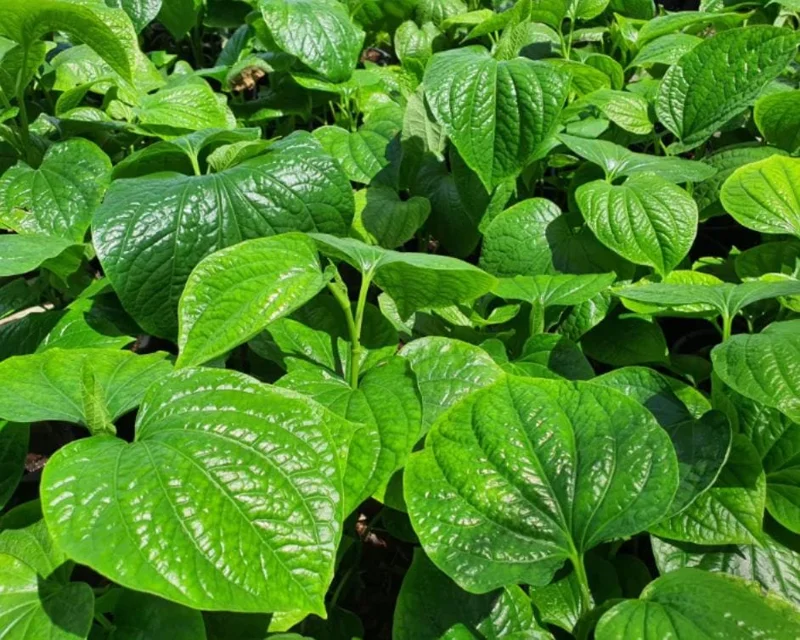
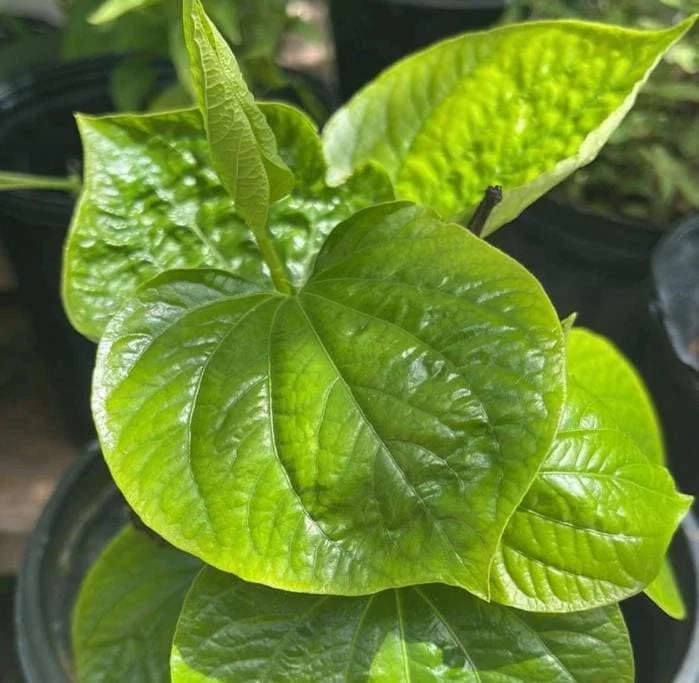
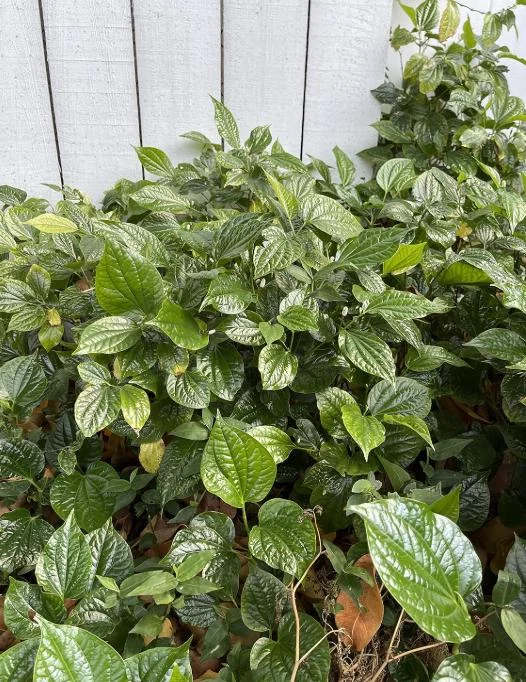
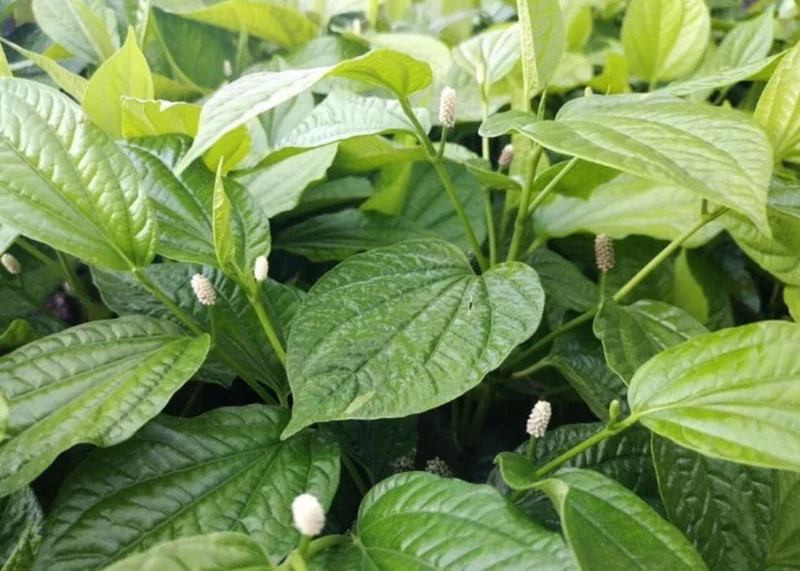
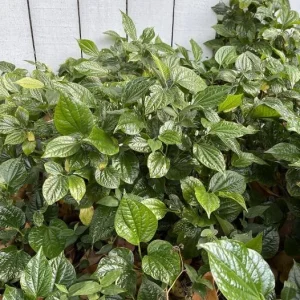
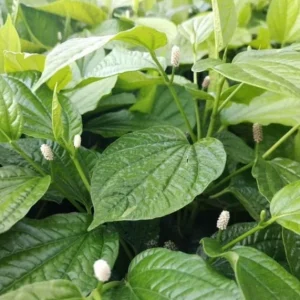
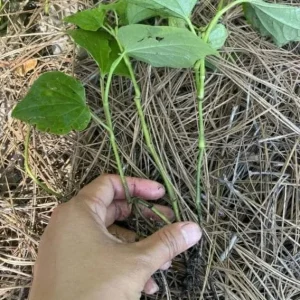
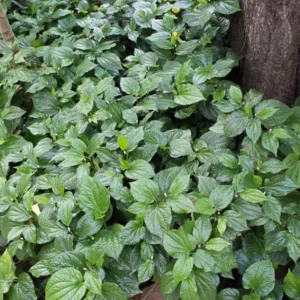
Betel Leaves Bareroot Plant – Piper lolot Edible Herb Live Roots for Home Garden
From $22.39
Discover the unique flavor of the betel leaves bareroot plant (Piper lolot), a versatile Vietnamese edible herb. This starter plant provides healthy roots, ready to establish quickly for your home garden or containers. Enjoy fresh, aromatic leaves perfect for cooking and traditional dishes.
-
USDA Hardiness Zone
USDA zones 9–11 -
Soil Type
Rich, well-draining soil with high organic matter -
Sunlight Exposure
Partial shade to filtered sunlight -
Expected Planting Period
Spring to early summer outdoors, year-round indoors

You can track your order HERE
Mar 19
Mar 24 - Mar 26
Mar 29 - Apr 02
Shipping and return policies: Our Alive & Thrive Guarantee covers issues with your plants within the first 30 days. Reach out to us. Our team will answer your questions and help you find the plants that are truly suitable for your environment, climate, and personal preferences.

Overview
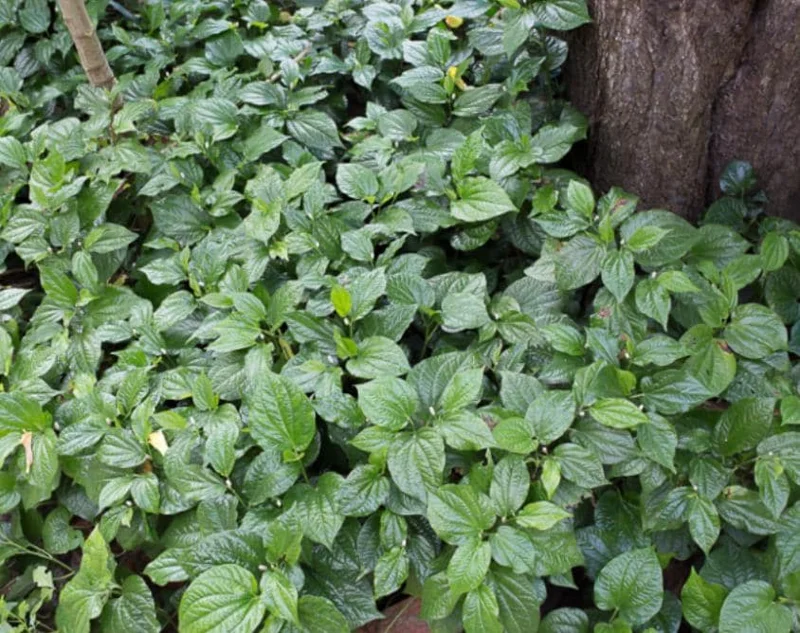
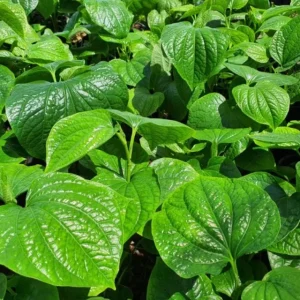
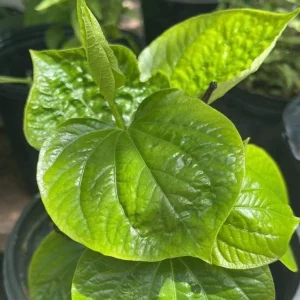
Discover the joy of growing your own betel leaves bareroot plant, a versatile and aromatic addition to any garden. This plant, scientifically known as Piper lolot and commonly called Lolot or Vietnamese Betel, is a traditional Vietnamese edible herb highly valued for its distinctive, flavorful leaves. Unlike many common herbs, the Piper lolot edible herb offers a unique taste profile, making it a staple in Southeast Asian cuisine and herbal remedies. Our bareroot plants are starter plants, ensuring you receive healthy roots ready to establish quickly in your home garden or containers. Whether you’re an experienced gardener or just starting, this vigorous perennial is relatively easy to cultivate, bringing an exotic touch and fresh flavors right to your kitchen. The Vietnamese betel plant is known for its spreading growth habit, making it an excellent ground cover or a lush container plant. Its beautiful heart-shaped leaves are not only culinary delights but also add an attractive, tropical feel to your outdoor or indoor space. Experience the satisfaction of harvesting fresh leaves, perfect for wraps, salads, and traditional dishes.
Key Benefits
Adding a betel leaves bareroot plant to your garden offers a multitude of advantages, from culinary applications to aesthetic appeal. This resilient herb provides fresh, aromatic leaves that are both delicious and culturally significant.
- Culinary Versatility: The primary benefit of the Piper lolot edible herb is its use in cooking. Its distinctive peppery, slightly spicy, and aromatic flavor enhances a variety of dishes, especially traditional Vietnamese cuisine like ‘Bo La Lot’ (grilled beef in betel leaves). These leaves are fantastic for wraps, salads, and adding a unique zest to various culinary creations.
- Easy to Grow: Despite its exotic origin, the betel leaves bareroot plant is surprisingly easy to cultivate, thriving with minimal fuss in appropriate conditions. It’s an excellent choice for both novice and experienced gardeners looking to expand their herb collection.
- Vigorous Growth: As a spreading perennial, this plant quickly establishes itself and produces an abundant supply of leaves, ensuring a continuous harvest throughout the growing season. You will find it rewarding to watch your plant flourish and provide fresh ingredients.
- Container Friendly: For those in cooler climates or with limited garden space, the betel leaves bareroot plant adapts well to container growing, allowing you to enjoy fresh leaves even indoors. This flexibility makes it accessible to a wider range of gardeners.
- Aromatic Foliage: Beyond taste, the leaves emit a pleasant aroma, adding a sensory dimension to your garden or kitchen. The fragrant foliage enhances the ambiance of any space it inhabits.
- Traditional Uses: Historically, the Vietnamese betel plant has been used in various traditional practices, highlighting its cultural significance beyond just food. Its rich heritage adds another layer of appreciation for this remarkable herb.
- Adds Greenery: The lush, vibrant green foliage makes it an attractive ornamental plant, perfect for adding a touch of tropical beauty to your landscape or indoor decor. It’s a beautiful way to bring nature’s elegance into your home.
Plant Care & Growing Tips
To successfully grow betel leaves, understanding its basic needs will ensure a thriving and productive plant. This perennial herb prefers warm, humid environments, making it suitable for USDA zones 9–11 outdoors, but it can also flourish indoors in cooler regions. When planting your betel leaves bareroot plant, choose a location with partial shade to filtered sunlight, avoiding harsh midday sun which can scorch the leaves. If growing indoors, place it near a window that receives bright, indirect light to ensure optimal growth without damage.
The ideal soil for the Piper lolot edible herb is rich, well-draining, and high in organic matter. Amend heavy soils with compost to improve drainage and fertility, creating a perfect environment for the roots. When planting bareroots, ensure the roots are covered shallowly with soil and the stems are above the soil line. Water thoroughly immediately after planting to help establish the plant. Consistent moisture is crucial, especially during establishment; do not allow the soil to dry out completely between waterings. However, avoid waterlogging, which can lead to root rot. During active growth, a balanced liquid fertilizer every 4-6 weeks can encourage lush foliage and vigorous growth. Protect your Vietnamese betel plant from cold temperatures, bringing it indoors or providing frost protection if temperatures drop below 50°F (10°C). Understanding Lolot plant care is key to a flourishing plant.
Harvesting leaves regularly once the plant is established will encourage bushier growth and a continuous supply of fresh leaves. Simply snip individual leaves as needed, promoting healthy regrowth. While generally robust, keep an eye out for common garden pests like aphids or spider mites, treating them with organic insecticidal soap if necessary. With proper care, your betel leaves bareroot plant will provide you with delicious leaves for years to come.
Size & Details
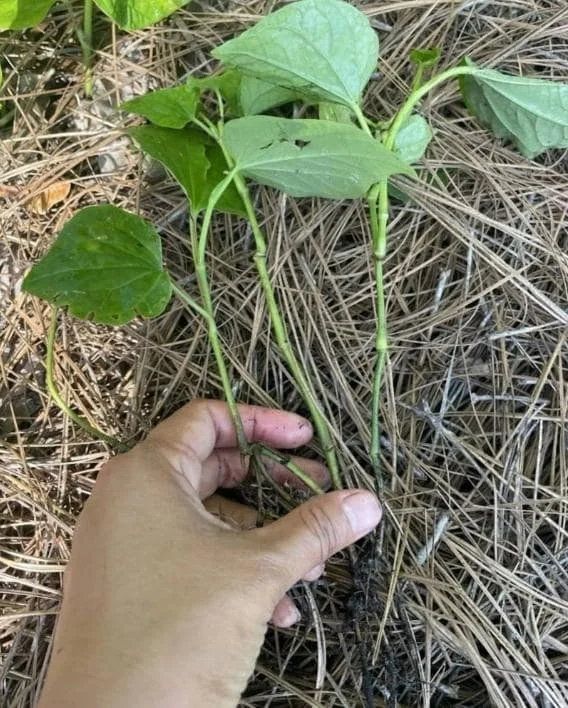
This offering includes a betel leaves bareroot plant, provided as a set of 4, 5, or 6 starter plants. Bareroot plants are dormant or semi-dormant, meaning they arrive without soil around their roots, which helps reduce transplant shock and allows for easier shipping. While the initial size may vary, these plants are known for their rapid growth once established. Each bareroot is a viable root system, ready to sprout new growth after planting. Expect these plants to establish and begin producing harvestable leaves within a few weeks to a couple of months, depending on growing conditions.
When mature, the Piper lolot edible herb can spread vigorously, often reaching a height of 1-2 feet, with its vines extending further if given support. It’s a perennial, meaning it will return year after year in suitable climates. For those in colder regions, growing it in a container allows for easy relocation indoors during winter months. The individual leaves typically grow to be 3-5 inches across, perfect for culinary applications. The plant’s growth rate is considered fast, especially in warm, humid conditions with consistent moisture and partial shade.
Frequently Asked Questions
- Q: How big does this betel leaves bareroot plant get? A: Once established, the Vietnamese betel plant typically grows to about 1-2 feet tall and can spread quite vigorously, with its vines potentially extending further. Regular harvesting can help manage its size and encourage bushier growth.
- Q: Is this an indoor or outdoor plant? A: The Piper lolot edible herb thrives outdoors in warm tropical to subtropical climates (USDA zones 9–11). In cooler regions, it can be successfully grown indoors in containers, provided it receives adequate light and humidity.
- Q: How much sunlight does the Vietnamese betel plant need? A: It prefers partial shade to filtered sunlight. Avoid strong, direct midday sun, which can scorch its leaves. If growing indoors, bright indirect light is ideal for healthy growth.
- Q: Is this plant easy to care for? A: Yes, the betel leaves bareroot plant is considered relatively easy to care for, making it suitable for both novice and experienced gardeners. Its primary needs are consistent moisture, well-draining soil, and protection from cold temperatures.
- Q: What condition will the bareroot plants arrive in? A: Bareroot plants may appear dormant upon arrival, which is normal. They are healthy root systems that will begin to grow once planted and given proper care. Some yellowing or leaf drop during transit is also normal for starter plants.
- Q: Can I use Piper lolot edible herb in cooking? A: Absolutely! The leaves are highly valued in Vietnamese cuisine, famously used in dishes like ‘Bo La Lot’. They can also be used in various wraps, salads, and other culinary creations for their unique aromatic flavor.
- Q: When is the best time to plant the betel leaves bareroot plant? A: It’s recommended to plant bareroot plants as soon as possible after arrival to ensure quick establishment. In suitable climates, spring through early summer is generally ideal for outdoor planting.
- Q: What’s the minimum temperature this plant can tolerate? A: The betel leaves bareroot plant thrives in warm conditions and is sensitive to cold. It should be protected from temperatures below 50°F (10°C), either by bringing it indoors or providing frost protection.
- Q: What kind of soil does it prefer? A: The Vietnamese betel plant prefers rich, well-draining soil with a high organic matter content. Amending your soil with compost will help provide the ideal growing medium.
- Q: How often should I water my plant? A: Keep the soil consistently moist, especially during its establishment phase. Do not allow the soil to dry out completely, but also ensure good drainage to prevent waterlogging.
- Q: What is the best way to ensure vigorous growth for my Lolot plant care? A: To ensure vigorous growth, provide consistent moisture, partial shade, rich well-draining soil, and protect it from cold. Regular harvesting also encourages bushier growth and a continuous supply of leaves.
| Set | Set 4, Set 5, Set 6 |
|---|
Be the first to review “Betel Leaves Bareroot Plant – Piper lolot Edible Herb Live Roots for Home Garden”
People Also Viewed
Sold 78 products
Original price was: $22.00.$17.60Current price is: $17.60.
Sold 62 products
Original price was: $31.98.$15.99Current price is: $15.99.
Sold 60 products
Original price was: $39.98.$19.99Current price is: $19.99.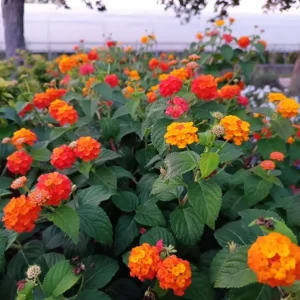
Flower Plants
Sold 98 products
Original price was: $27.98.$13.99Current price is: $13.99.
Flowers
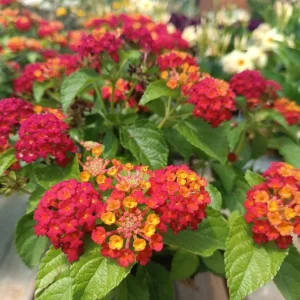
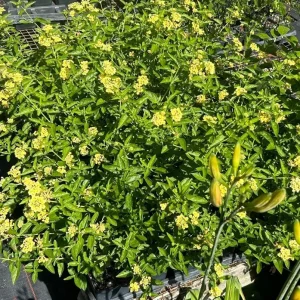
Set of 2 New Gold Lantana Live Plants – 4-6″ Tall – Yellow Flowers – Attracts Pollinators – Outdoor
Sold 50 products
Original price was: $32.18.$16.09Current price is: $16.09.
Sold 78 products
Original price was: $89.98.$44.99Current price is: $44.99.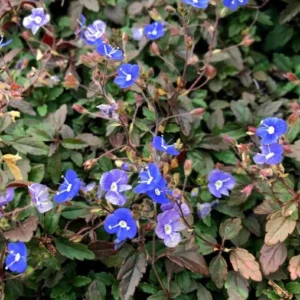
Sold 82 products
From $51.80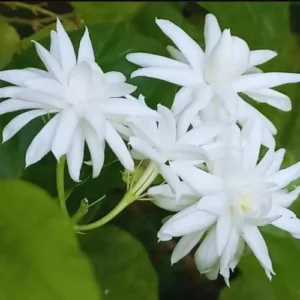
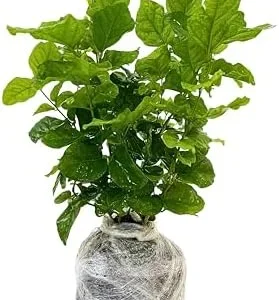
Sold 57 products
Original price was: $51.98.$25.99Current price is: $25.99.
Sold 53 products
Original price was: $17.16.$8.58Current price is: $8.58.
Sold 66 products
Original price was: $23.96.$11.98Current price is: $11.98.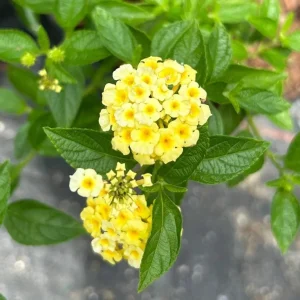
Sold 75 products
Original price was: $32.18.$16.09Current price is: $16.09.
Sold 86 products
From $47.80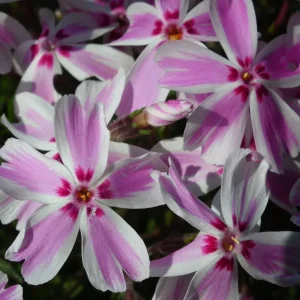
Flower Plants
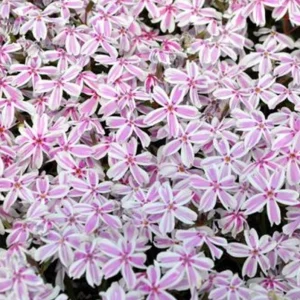
Candy Stripes Creeping Phlox Live Plant – Perennial – Quart Pot – Outdoor Flowering Groundcover
Sold 74 products
Original price was: $47.96.$23.98Current price is: $23.98.
Flower Plants
Sold 52 products
Original price was: $45.96.$22.98Current price is: $22.98.
Sold 55 products
Original price was: $25.60.$12.80Current price is: $12.80.
Sold 66 products
Original price was: $47.98.$23.99Current price is: $23.99.
Sold 63 products
Original price was: $319.96.$159.98Current price is: $159.98.
Sold 99 products
Original price was: $29.90.$14.95Current price is: $14.95.

Reviews
There are no reviews yet.