
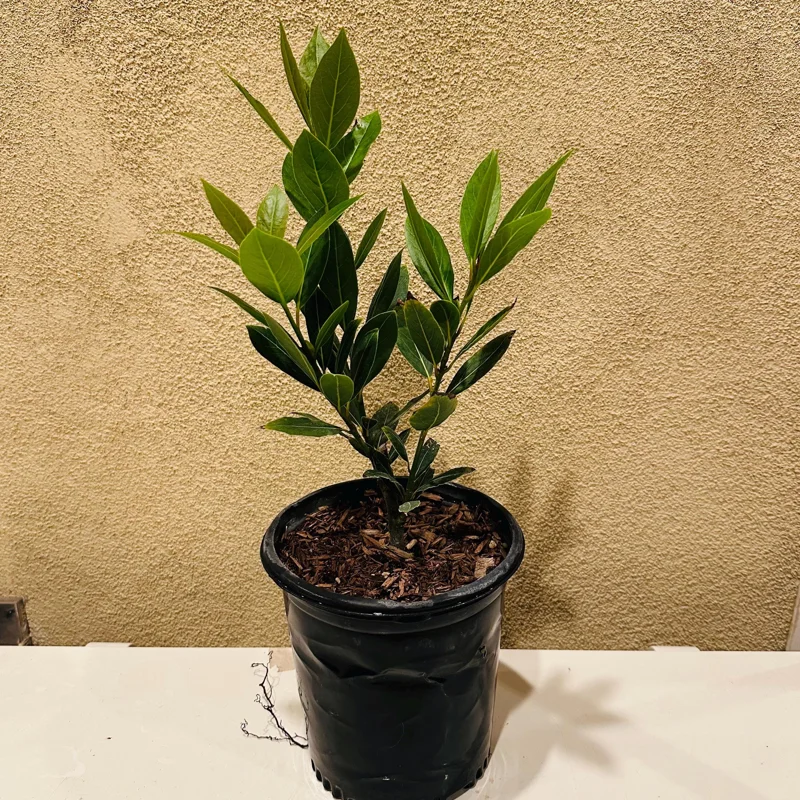
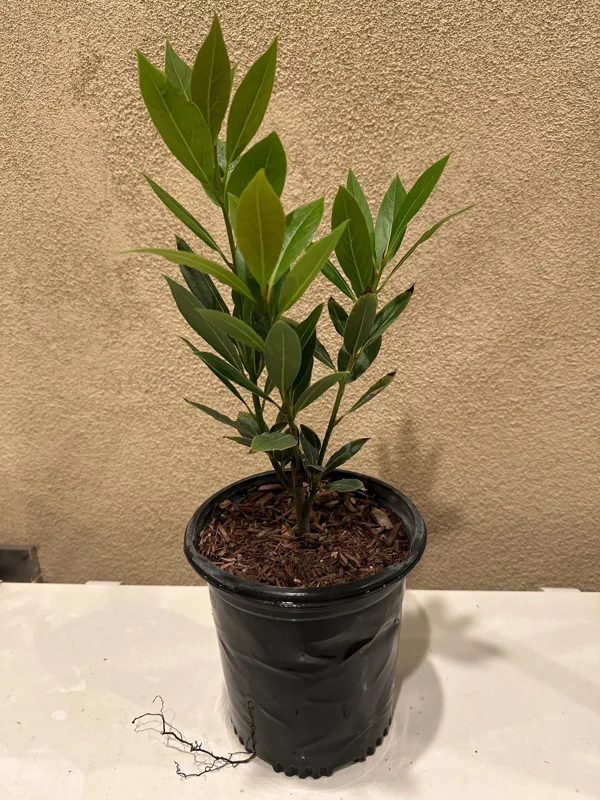
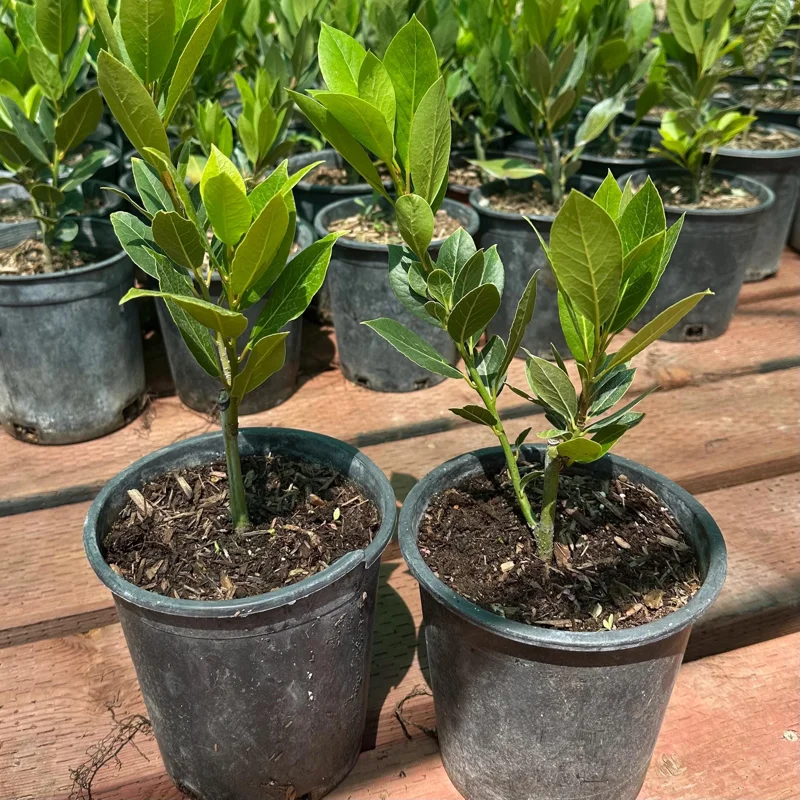
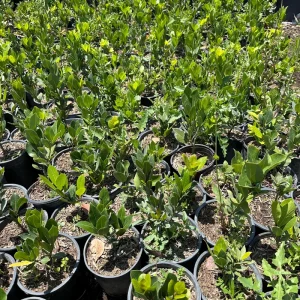
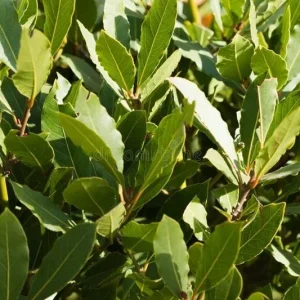
Bay Laurel Live Plant – Sweet Bay Leaf Tree – 1 Gallon – Fragrant Culinary Herb
Original price was: $63.80.$49.13Current price is: $49.13.
Cultivate your own fresh bay laurel live plant, perfect for culinary use and ornamental beauty. This 1 Gallon sweet bay leaf tree provides aromatic leaves for cooking and adds elegance to any garden or patio.
-
USDA Hardiness Zone
USDA zones 8-10 (outdoors), Year-round indoors -
Soil Type
Well-draining, fertile soil -
Sunlight Exposure
Full sun to partial shade -
Expected Planting Period
Spring to early summer (outdoors), Year-round indoors

You can track your order HERE
Sep 20
Sep 25 - Sep 27
Sep 30 - Oct 04
Shipping and return policies: Our Alive & Thrive Guarantee covers issues with your plants within the first 30 days. Reach out to us. Our team will answer your questions and help you find the plants that are truly suitable for your environment, climate, and personal preferences.

Overview
Discover the joy of growing your own bay laurel live plant, a versatile and aromatic addition to any home or garden. Also known as Sweet Bay (Laurus nobilis), this plant is cherished for its glossy green leaves, which are a staple in gourmet cooking. Our 1 Gallon, rooted specimen arrives ready to thrive, offering you fresh, fragrant bay leaves for countless culinary creations. This evergreen shrub or small tree brings Mediterranean elegance to your landscape and provides a continuous supply of aromatic foliage.
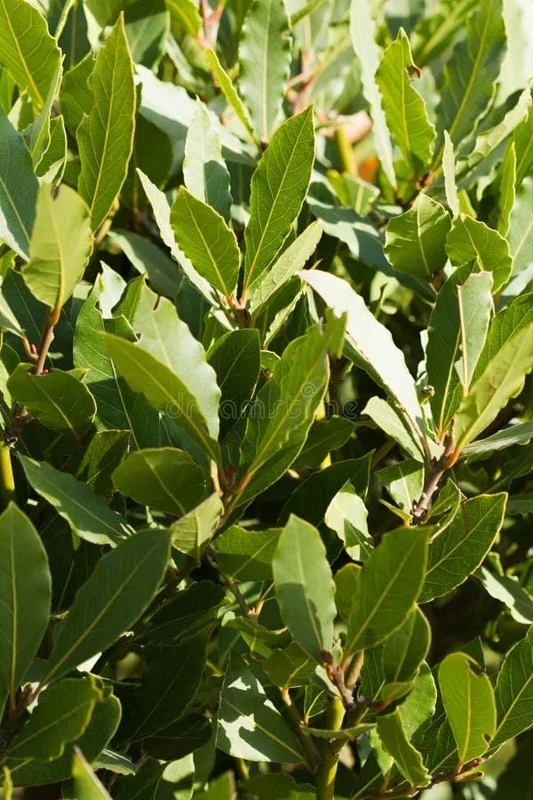
The bay laurel live plant is not just a culinary powerhouse; it’s also a beautiful ornamental plant. Its dense, leathery leaves and upright growth habit make it an excellent choice for hedges, container gardening, or as a specimen plant. Enjoy its subtle fragrance and the satisfaction of harvesting your own herbs directly from your garden. This plant is known for its resilience and adaptability, making it a rewarding choice for both novice and experienced gardeners.
Key Benefits
Bringing a bay laurel live plant into your home or garden offers a multitude of benefits, from enhancing your cooking to beautifying your space. Here are some of the key advantages of this remarkable plant:
- Culinary Excellence: Provides a fresh, continuous supply of aromatic bay leaves, essential for flavoring soups, stews, sauces, and roasts. The fresh leaves offer a more intense and nuanced flavor than dried varieties.
- Ornamental Appeal: With its attractive, dark green, glossy foliage and often pyramidal growth habit, the sweet bay leaf tree serves as a beautiful accent plant in gardens, patios, or indoors. It can be pruned into various shapes, including topiaries.
- Fragrant Foliage: The leaves release a pleasant, spicy aroma when bruised, adding a lovely fragrance to your garden or indoor living spaces. This natural scent can also act as a gentle insect repellent.
- Evergreen Beauty: As an evergreen, it maintains its lush green leaves throughout the year, providing consistent color and structure in your landscape even during colder months.
- Low Maintenance: Once established, Laurus nobilis is relatively easy to care for, requiring minimal attention beyond regular watering and occasional feeding, making it ideal for busy gardeners.
- Container Friendly: Thrives in pots and containers, making it suitable for small gardens, balconies, or for bringing indoors during winter in colder climates.
- Traditional & Medicinal Uses: Beyond culinary applications, bay leaves have been traditionally used for their purported medicinal properties, including digestive aid and anti-inflammatory effects.
Plant Care & Growing Tips
Caring for your bay laurel live plant is straightforward, ensuring you enjoy its beauty and bounty for years to come. This robust plant thrives with proper attention to its environmental needs. For optimal growth, provide your sweet bay leaf tree with a location that receives full sun to partial shade. In hotter climates, some afternoon shade can protect the leaves from scorching. Aim for at least 6 hours of direct sunlight daily outdoors, or a bright, south-facing window indoors.
Watering is crucial, especially for young plants and those in containers. Keep the soil consistently moist but never waterlogged. Allow the top inch of soil to dry out between waterings. Overwatering can lead to root rot, so ensure good drainage. When it comes to soil, the bay laurel live plant prefers well-draining, fertile soil with a slightly acidic to neutral pH. A good quality potting mix enriched with compost is ideal for container-grown plants. If planting in the ground, amend heavy clay soils with organic matter to improve drainage.
The laurus nobilis is hardy in USDA zones 8-10, preferring mild winters. In colder regions (zones 7 and below), it’s best grown in containers and brought indoors before the first frost. Indoors, place it in a cool, bright spot away from direct heat sources. Fertilize your bay laurel every 2-4 weeks during the growing season (spring and summer) with a balanced liquid fertilizer diluted to half strength. Reduce feeding in fall and winter. Pruning can be done to maintain shape and size, and to encourage bushier growth, typically in late spring or early summer after the risk of frost has passed. Watch out for common pests like scale insects and mealybugs; treat with insecticidal soap if necessary. Understanding bay leaf plant care ensures a healthy, productive plant.
Size & Details
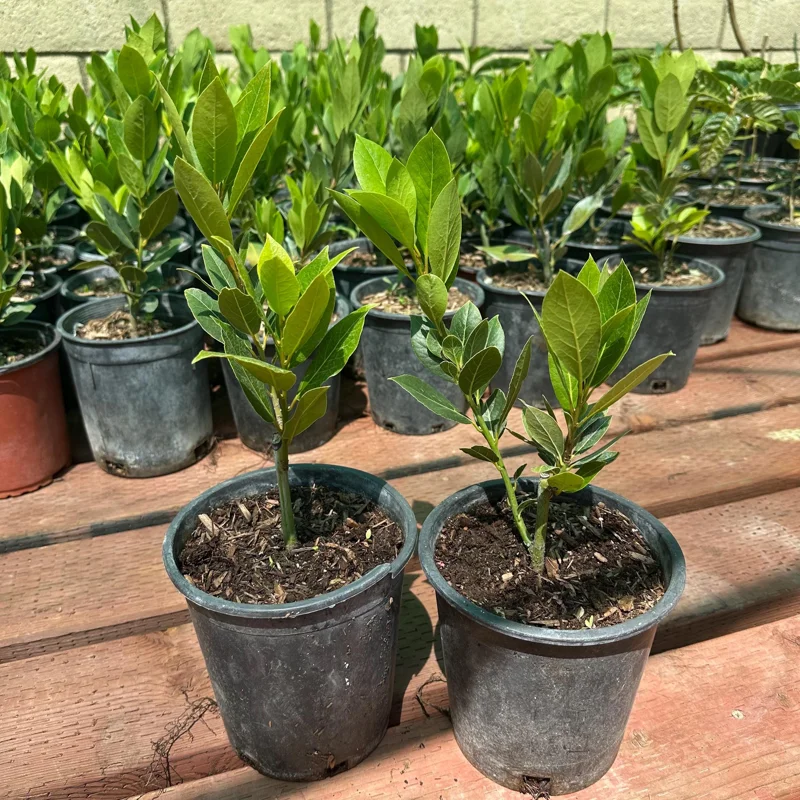
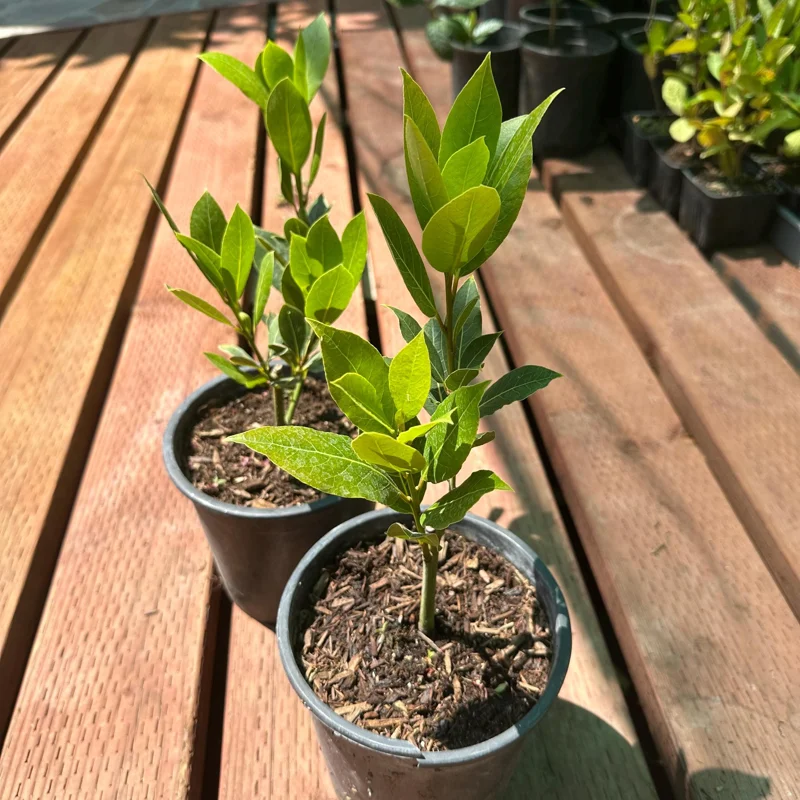
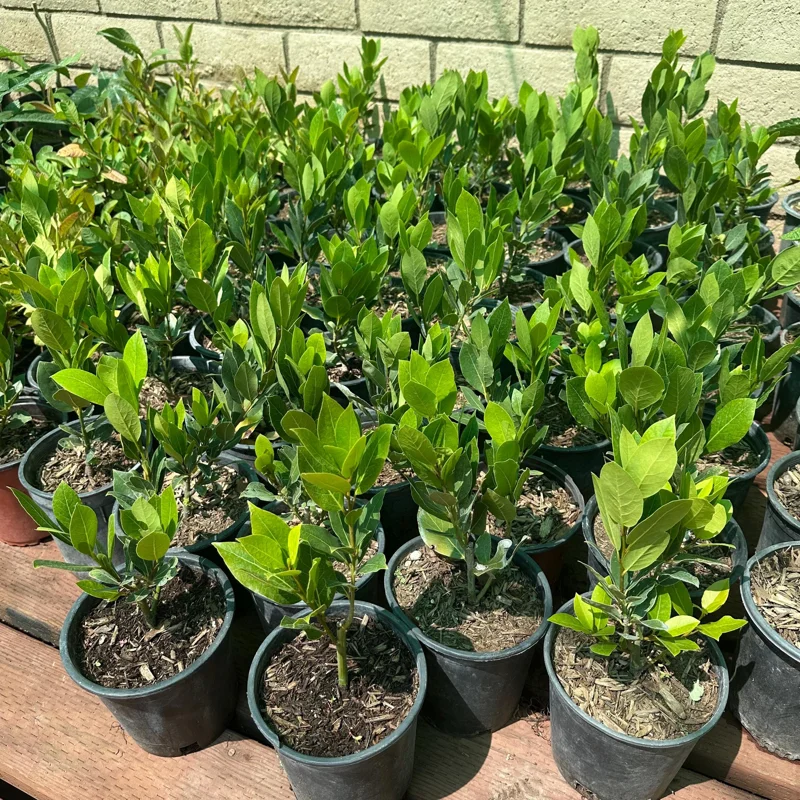
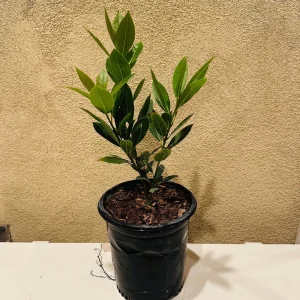
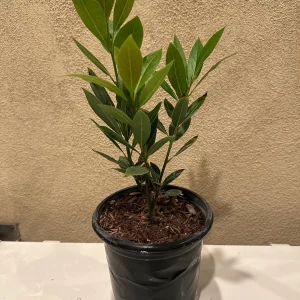
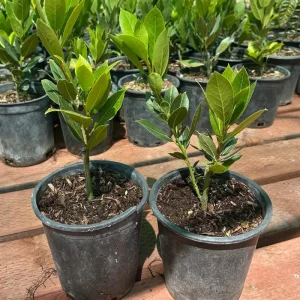
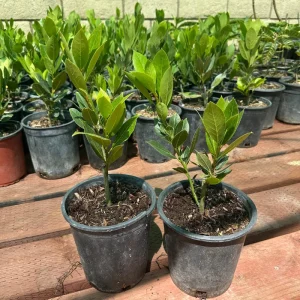
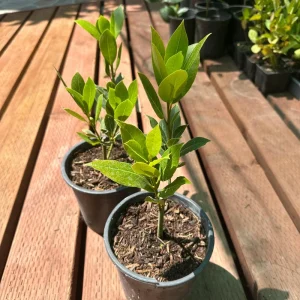
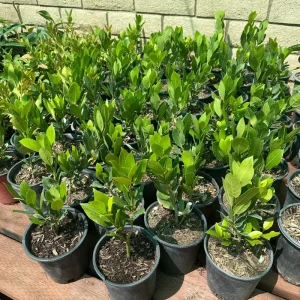
This offering is for a 1 Gallon Bay Laurel live plant, a robust and well-rooted specimen ready for planting. The plant typically arrives at a height of approximately 10-18 inches from the base of the pot, with a spread reflecting its healthy, bushy growth habit. Grown in a 1-gallon nursery pot, it has an established root system, minimizing transplant shock and promoting rapid growth in its new home. The fragrant culinary herb is shipped in its nursery container with soil, carefully packaged to ensure its safe arrival. This size is ideal for immediate placement in a larger pot or for transplanting directly into your garden.
Bay laurel is a moderately fast-growing plant, capable of reaching heights of 10-20 feet and widths of 5-15 feet in ideal conditions when planted in the ground, though it can be kept much smaller through pruning. When grown in containers, its size is naturally restricted, making it a perfect patio or indoor plant. Expect to begin harvesting leaves within a few months of planting, providing a continuous supply of this essential fragrant culinary herb.
Frequently Asked Questions
- Q: How big does this plant get? A: When planted in the ground, a bay laurel live plant can grow 10-20 feet tall and 5-15 feet wide. In containers, its size is easily managed through pruning and can be kept to a more compact 3-6 feet.
- Q: What size pot does it come in? A: This sweet bay leaf tree is shipped in a 1 Gallon nursery pot, ensuring a well-established root system for successful transplanting.
- Q: Is this an indoor or outdoor plant? A: Bay laurel can thrive both indoors and outdoors. In USDA zones 8-10, it can be grown outdoors year-round. In colder zones, it’s best grown in a container and brought indoors during winter.
- Q: How much sunlight does it need? A: The bay laurel live plant prefers full sun to partial shade, ideally receiving at least 6 hours of direct sunlight per day. Protect from intense afternoon sun in very hot climates.
- Q: Is this plant easy to care for? A: Yes, once established, bay laurel is considered low-maintenance. It requires consistent watering, especially when young, and occasional fertilization. Proper bay leaf plant care ensures a healthy plant.
- Q: What condition will it arrive in? A: Your plant will arrive well-rooted in its nursery pot with soil, carefully packaged to minimize stress and ensure it reaches you in healthy, vibrant condition.
- Q: Can I use bay leaf in cooking? A: Absolutely! The leaves from this fragrant culinary herb are perfect for flavoring a wide range of dishes, including soups, stews, sauces, and roasts. Fresh leaves offer superior flavor.
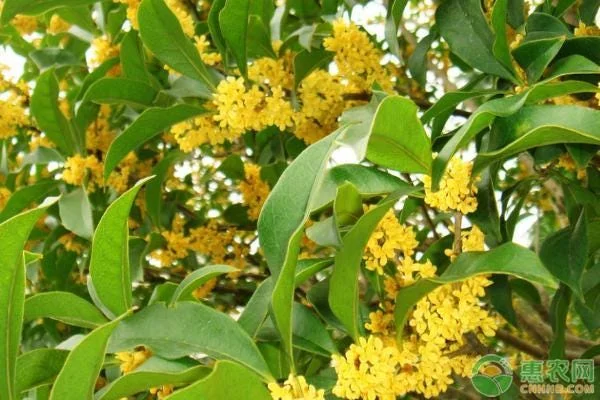
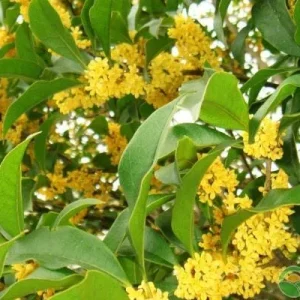
- Q: How long until it blooms? A: Bay laurel typically blooms in spring, producing small, inconspicuous yellow-green flowers. However, it is primarily grown for its foliage rather than its blooms.
- Q: What’s the minimum temperature it can tolerate? A: Bay laurel is hardy down to about 20°F (-6°C). In areas with colder winters, it should be protected or moved indoors.
- Q: What kind of soil does it prefer? A: It thrives in well-draining, fertile soil with a slightly acidic to neutral pH. A good quality potting mix is recommended for container growing.
Be the first to review “Bay Laurel Live Plant – Sweet Bay Leaf Tree – 1 Gallon – Fragrant Culinary Herb”
People Also Viewed
Sold 50 products
From $17.99
Sold 70 products
Original price was: $53.76.$26.99Current price is: $26.99.
Sold 55 products
Original price was: $57.60.$28.80Current price is: $28.80.
Sold 90 products
Original price was: $29.90.$14.90Current price is: $14.90.
Fruits
Cotton Candy Grape Vine Cuttings – 2 Fresh Cuttings, 8 Inches, Vitis Vinifera, Outdoor Fruit Plant
Sold 92 products
Original price was: $112.00.$56.00Current price is: $56.00.
Sold 76 products
Original price was: $59.98.$29.99Current price is: $29.99.
Sold 78 products
Original price was: $28.99.$18.99Current price is: $18.99.
Sold 68 products
From $11.99

Succulents
Variegated String of Hearts Live Plant – Ceropegia Woodii, 2.5 inch Pot, Indoor Houseplant
Sold 83 products
From $18.49
Sold 92 products
Original price was: $49.98.$24.99Current price is: $24.99.
Sold 53 products
Original price was: $36.99.$21.99Current price is: $21.99.
Sold 52 products
Original price was: $39.98.$27.98Current price is: $27.98.
Sold 72 products
Original price was: $45.98.$22.99Current price is: $22.99.
Sold 76 products
Original price was: $37.98.$18.99Current price is: $18.99.
Sold 92 products
Original price was: $43.98.$30.78Current price is: $30.78.
Sold 56 products
Original price was: $39.98.$19.99Current price is: $19.99.
Sold 95 products
Original price was: $49.98.$24.99Current price is: $24.99.
Sold 75 products
Original price was: $32.98.$25.39Current price is: $25.39.




Reviews
There are no reviews yet.