
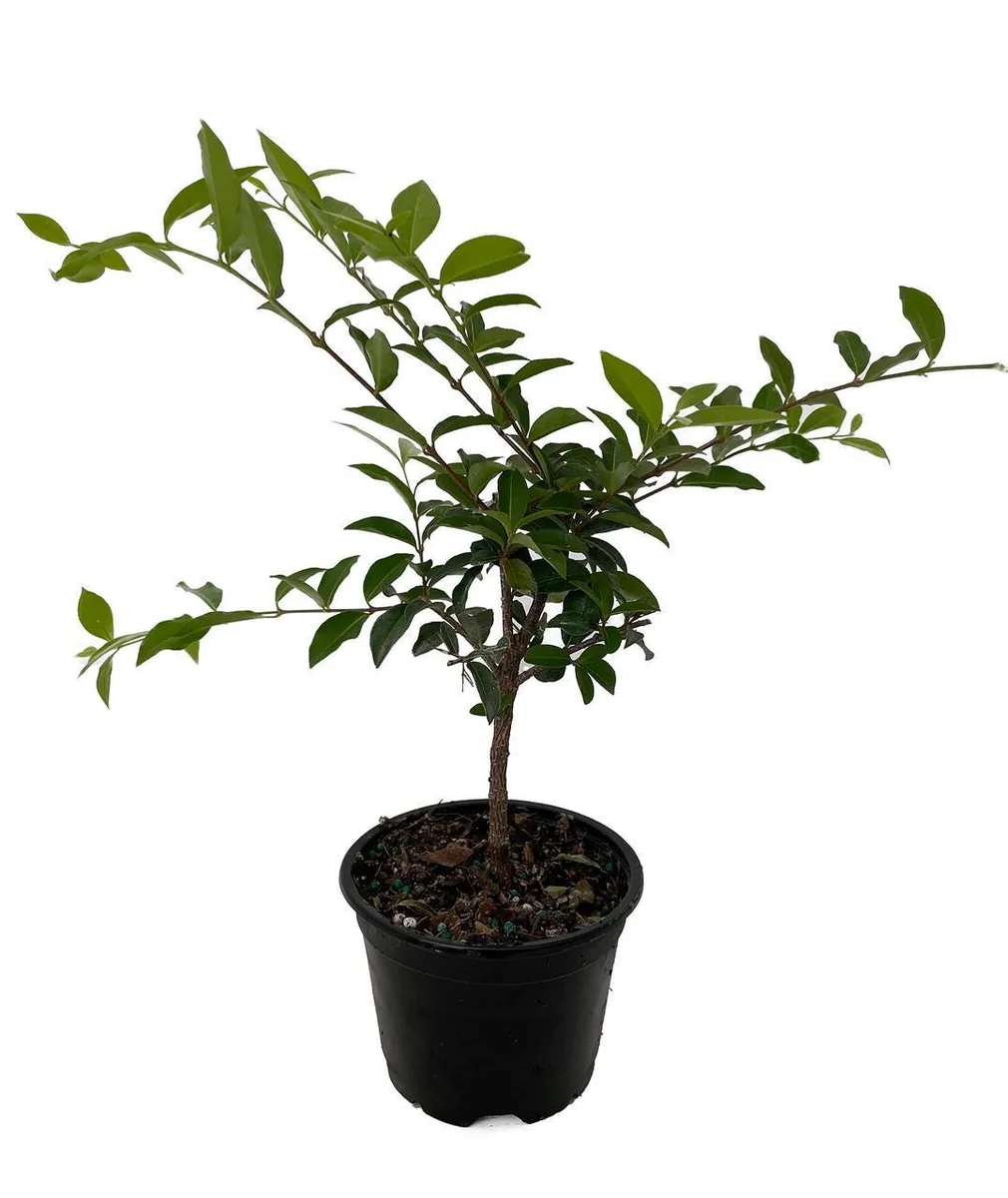
Barbados Cherry Live Plant – Malpighia emarginata – 4″ Pot – Indoors/Out
Original price was: $63.96.$31.98Current price is: $31.98.
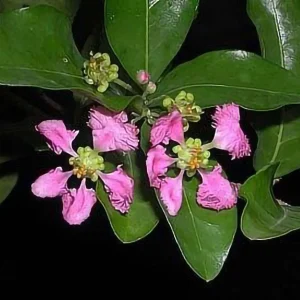
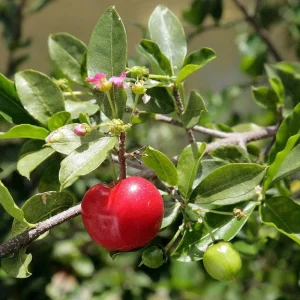
Bring home a vibrant Barbados Cherry live plant (Malpighia emarginata) in a 4-inch pot. This versatile plant thrives both indoors and outdoors, producing charming pink flowers and vitamin C-rich, tart red fruits. Perfect for edible landscaping or as a unique houseplant specimen.
-
USDA Hardiness Zone
USDA Zones 9-11 -
Soil Type
Well-draining, slightly acidic to neutral soil -
Sunlight Exposure
Full sun (6-8 hours direct light) -
Expected Planting Period
Year-round indoors; Spring to Summer outdoors

You can track your order HERE
Feb 28
Mar 05 - Mar 07
Mar 10 - Mar 14
Shipping and return policies: Our Alive & Thrive Guarantee covers issues with your plants within the first 30 days. Reach out to us. Our team will answer your questions and help you find the plants that are truly suitable for your environment, climate, and personal preferences.

Overview
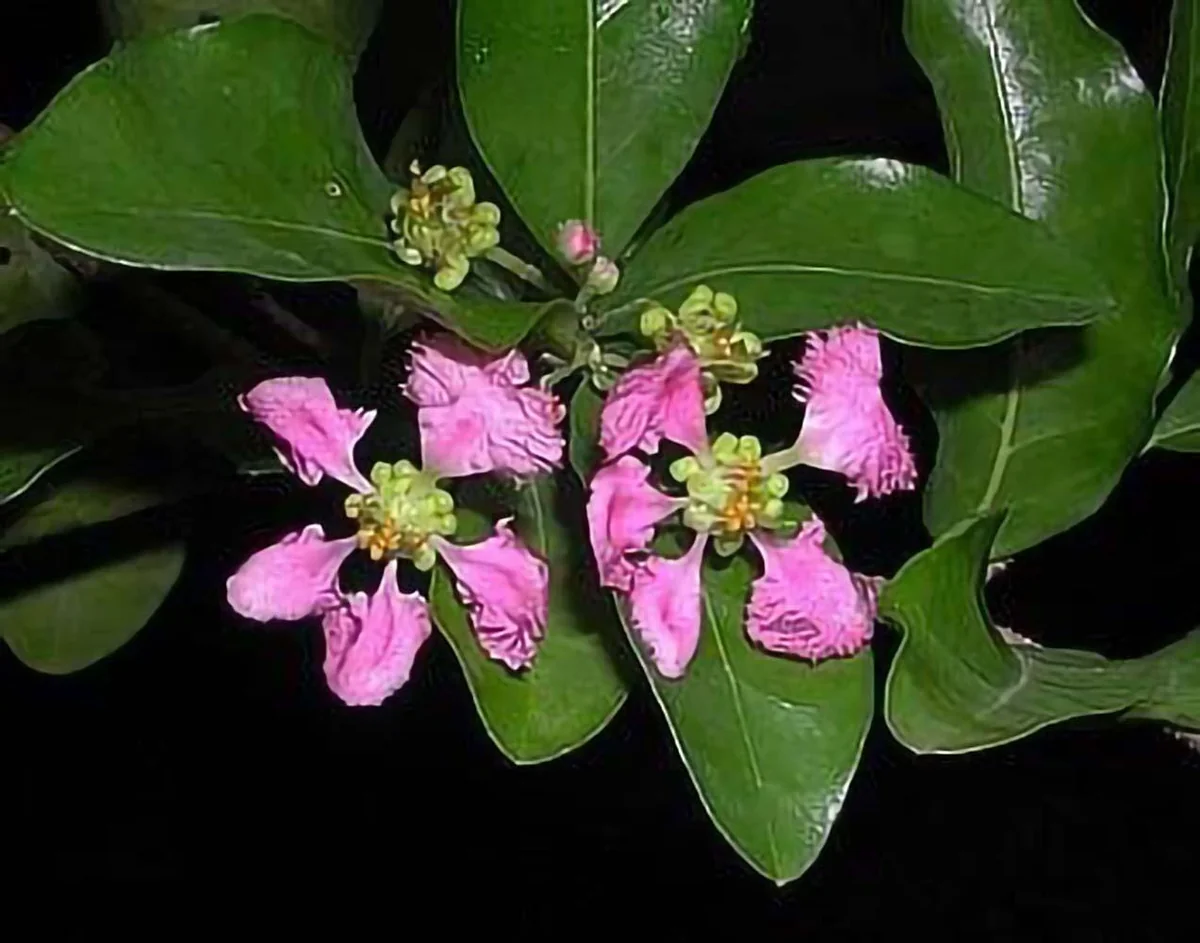
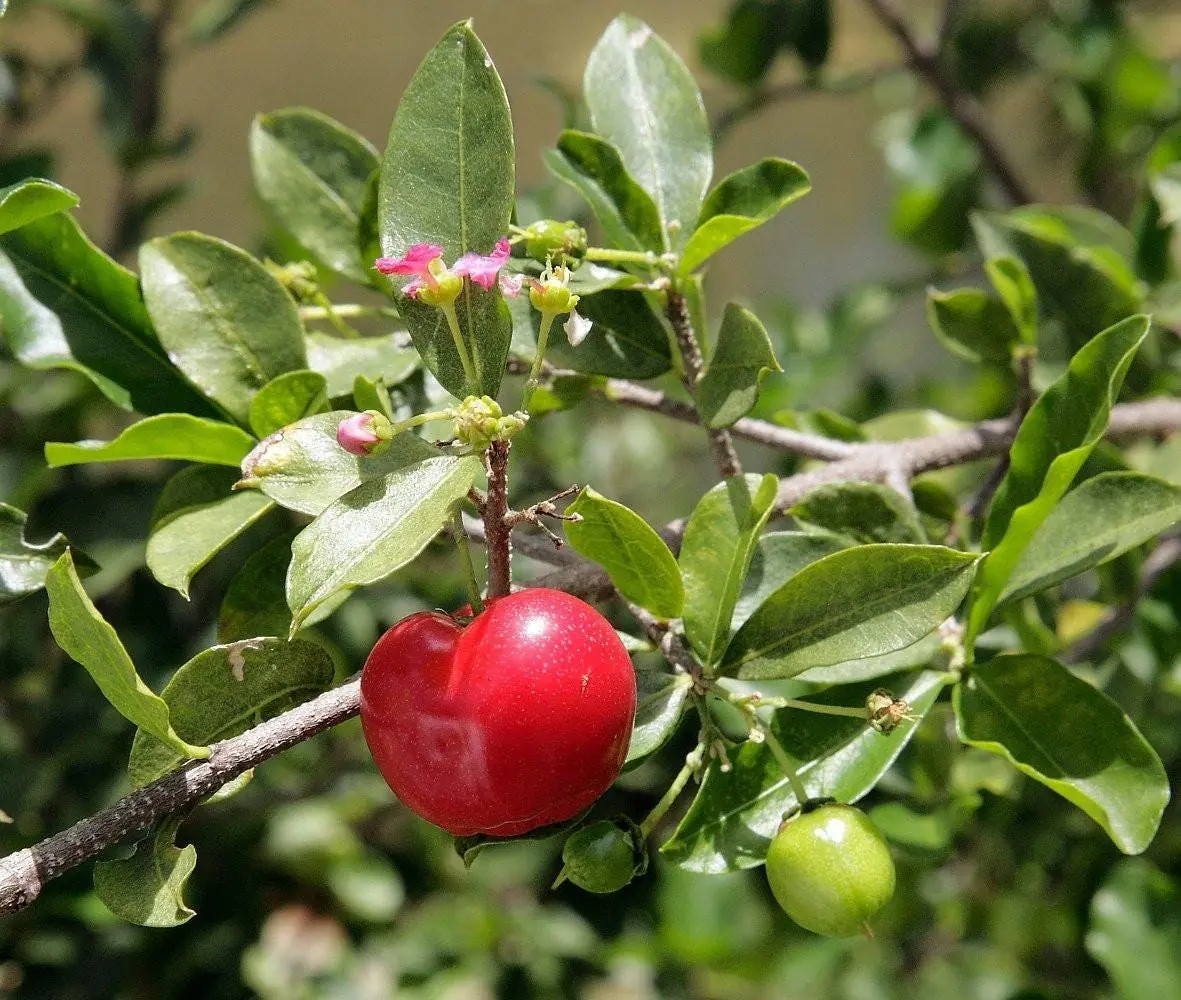
Introduce a touch of the tropics to your home or garden with the exquisite Barbados Cherry live plant, scientifically known as Malpighia emarginata. This delightful shrub is celebrated for its year-round beauty, featuring arching dark brown stems, lush green leaves, and delicate pink flowers that eventually give way to bright red, nutritious berries. Often referred to as Acerola Cherry or Antilles Cherry, this plant is not only a stunning ornamental but also a source of highly sought-after fruit. Whether you’re an experienced gardener looking for a unique addition or a beginner eager to grow your own superfoods, the Barbados Cherry live plant offers a rewarding experience. It adapts well to various environments, making it an excellent choice for indoor cultivation, outdoor landscapes, or even as a captivating bonsai specimen.
The Malpighia emarginata plant is native to the West Indies and parts of Central and South America, where it thrives in sandy soils. Its natural habitat suggests its preference for warmer climates, but with proper care, it can flourish in many regions. This small tree or shrub can reach heights of up to 15 feet in its natural environment, though it typically remains more compact when container-grown or pruned. Its ability to produce fruit that is incredibly rich in Vitamin C, along with other essential nutrients like iron, calcium, and phosphorus, makes it a valuable asset for any health-conscious individual. Embrace the joy of cultivating your own fresh, tart cherries with this resilient and beautiful plant.
Key Benefits
Owning a Barbados Cherry live plant offers a myriad of advantages, blending aesthetic appeal with practical benefits. It’s a fantastic choice for those looking to add both beauty and functionality to their living spaces or garden.
- Nutrient-Rich Fruit Production: The primary benefit is the delicious and highly nutritious Acerola fruit. These bright red berries are packed with Vitamin C, providing a significant health boost and a pleasant tart flavor perfect for snacking, juices, or jams. Growing your own Acerola cherry plant ensures a fresh supply of this superfood.
- Year-Round Visual Interest: Enjoy continuous beauty with this plant. It flowers and fruits throughout the year, offering delicate pink blossoms and vibrant red berries that create a striking contrast against its green foliage.
- Versatile Growing Options: The Barbados Cherry is incredibly adaptable. It can be grown as an attractive shrub in outdoor gardens, cultivated as an exotic indoor houseplant, or meticulously shaped into an elegant bonsai specimen, making it suitable for various gardening styles.
- Unique Ornamental Features: Beyond its fruit, the plant itself is ornamental. Its arching stems and sometimes exposed roots can be trained to create interesting shapes, adding architectural interest to your plant collection.
- Easy to Care For: Despite its tropical origins, the tropical fruit plant is relatively low-maintenance once established, making it suitable for gardeners of all experience levels. It’s forgiving of occasional neglect and responds well to basic care.
- Natural Air Purifier (Indoors): Like many plants, when kept indoors, the indoor cherry plant contributes to improved air quality by absorbing carbon dioxide and releasing oxygen, creating a healthier indoor environment.
- Supports Local Ecosystem (Outdoors): When grown outdoors, the flowers can attract pollinators, contributing to biodiversity and supporting local insect populations.
Plant Care & Growing Tips
Caring for your Barbados Cherry live plant is straightforward, allowing you to enjoy its beauty and bounty with minimal fuss. Understanding its basic needs will ensure a healthy, productive plant. This adaptable plant can thrive in a variety of conditions, but optimal care will yield the best results.
Sunlight Requirements: The Malpighia emarginata plant thrives in full sun, meaning it needs at least 6-8 hours of direct sunlight per day. If growing indoors, place it near a south-facing window or provide supplemental grow lights to ensure it receives adequate light for flowering and fruiting. Outdoors, choose a sunny spot in your garden that is protected from harsh winds. While it can tolerate partial shade, fruit production may be reduced.
Watering Schedule and Soil Moisture: Barbados Cherry prefers consistently moist, but not waterlogged, soil. Water thoroughly when the top inch of soil feels dry to the touch. During hot, dry periods, or when the plant is actively fruiting, it may require more frequent watering. Reduce watering slightly in cooler months or if the plant is dormant. Ensure good drainage to prevent root rot. This tropical fruit plant is somewhat drought-tolerant once established but performs best with regular hydration.
Soil Type and Drainage Requirements: This plant is not overly particular about soil, but it prefers well-draining, slightly acidic to neutral soil (pH 6.0-7.0). A good quality potting mix amended with perlite or sand works well for container-grown plants. For outdoor planting, ensure your garden soil drains well; if not, amend it with organic matter to improve drainage. Good drainage is crucial for the health of the roots.
Temperature Range and USDA Hardiness Zone: The Barbados Cherry live plant is a tropical species, hardy in USDA Zones 9-11. It can tolerate brief dips in temperature but should be protected from frost. If you live in a colder climate, it’s best to grow it in a container and bring it indoors when temperatures drop below 40°F (4°C). Indoors, maintain consistent room temperatures between 60-80°F (15-27°C) and avoid cold drafts.
Fertilization Schedule and Type: Fertilize your Barbados Cherry during its active growing season (spring through fall). Use a balanced, slow-release fertilizer or a liquid fertilizer diluted to half strength every 2-4 weeks. A fertilizer higher in phosphorus can encourage flowering and fruiting. Avoid fertilizing during the winter months when the plant’s growth slows. For an Acerola cherry plant, organic fertilizers like compost tea can also be beneficial.
Common Problems and Solutions: The Barbados Cherry is generally pest-resistant, but occasionally, it can be affected by aphids or spider mites, especially when grown indoors in dry conditions. Inspect your plant regularly and treat any infestations with insecticidal soap. Yellowing leaves can indicate overwatering or nutrient deficiencies; adjust watering and fertilization accordingly. Prune regularly to maintain shape, encourage bushier growth, and improve air circulation, which helps prevent fungal issues.
Size & Details
Your Barbados Cherry live plant will arrive in a 4-inch nursery pot, ready for transplanting. At the time of shipment, the plant typically stands about 6-10 inches tall, with established roots. This compact size makes it ideal for starting your own fruit-bearing collection or adding to an existing garden. The plant is known for its moderate growth rate, and with proper care, it can quickly establish itself and begin producing fruit within 1-2 years.
When mature, the Malpighia emarginata plant can reach heights of 6-15 feet in optimal outdoor conditions, though it is easily kept smaller through pruning. When grown in containers, it generally remains more compact, usually between 3-6 feet tall, making it a perfect indoor cherry plant. The fruit, known as Acerola, is bright red, 1 to 2 cm in diameter, and appears similar to a European Cherry. It contains several small seeds within. This plant is shipped as a rooted, live specimen, ensuring a healthy start for your gardening endeavor.
Frequently Asked Questions
- Q: How big does this plant get? A: When grown outdoors in ideal conditions, the Barbados Cherry live plant can reach 6-15 feet tall. If grown in a container or indoors, it typically stays smaller, usually between 3-6 feet, and can be maintained at a desired size with regular pruning.
- Q: Is this an indoor or outdoor plant? A: This is a versatile plant that can thrive both indoors and outdoors. It is best suited for outdoor growing in USDA Zones 9-11. In colder climates, it makes an excellent container plant that can be brought indoors during winter months, functioning as a beautiful indoor cherry plant.
- Q: How much sunlight does it need? A: The Malpighia emarginata plant prefers full sun, requiring at least 6-8 hours of direct sunlight daily for optimal growth and fruit production. Indoors, place it near your brightest window.
- Q: Is this plant easy to care for? A: Yes, the Barbados Cherry is considered relatively easy to care for. It’s quite forgiving and adaptable, making it suitable for both novice and experienced gardeners who are looking for a rewarding tropical fruit plant.
- Q: What condition will it arrive in? A: Your plant will arrive as a healthy, rooted live specimen in a 4-inch nursery pot, carefully packaged to ensure its safe journey and ready for planting or transplanting.
- Q: How long until it blooms and fruits? A: With proper care, your Barbados Cherry plant can begin to bloom and produce fruit within 1-2 years of planting. It is known for its ability to flower and fruit multiple times throughout the year.
- Q: Can I eat the fruit from this plant? A: Yes, the fruit, also known as Acerola, is edible and highly prized for its tart flavor and extremely high Vitamin C content. It’s perfect for fresh eating, juices, and preserves. This is the main appeal of growing an Acerola cherry plant.
- Q: What is the minimum temperature this plant can tolerate? A: As a tropical plant, the Barbados Cherry is sensitive to cold. It can tolerate brief temperatures down to about 40°F (4°C) but should be protected from frost and brought indoors when temperatures consistently drop below this.
- Q: Does it need special soil? A: While not overly particular, it prefers well-draining soil with a slightly acidic to neutral pH. A good quality potting mix with added perlite or sand for drainage is ideal, especially for container growing.
- Q: Is this plant pet-safe? A: While the fruit is safe for human consumption, it’s always best to research specific plant toxicity for pets, as reactions can vary. Generally, the Barbados Cherry is not listed as highly toxic, but moderation is key for any new food introduced to pets.
Be the first to review “Barbados Cherry Live Plant – Malpighia emarginata – 4″ Pot – Indoors/Out”
People Also Viewed
Sold 60 products
Original price was: $77.98.$38.99Current price is: $38.99.
Sold 52 products
Original price was: $24.00.$19.20Current price is: $19.20.

Sold 75 products
From $55.80

Sold 94 products
Original price was: $64.76.$32.38Current price is: $32.38.
Sold 65 products
Original price was: $140.36.$70.18Current price is: $70.18.
Sold 56 products
$35.18
Sold 78 products
$43.98
Sold 60 products
Original price was: $43.20.$21.60Current price is: $21.60.
Sold 97 products
Original price was: $39.98.$19.99Current price is: $19.99.
Sold 77 products
Original price was: $35.73.$12.29Current price is: $12.29.
Sold 88 products
Original price was: $64.80.$32.40Current price is: $32.40.
Sold 89 products
$43.98
Sold 69 products
Original price was: $46.80.$23.40Current price is: $23.40.
Flower Plants
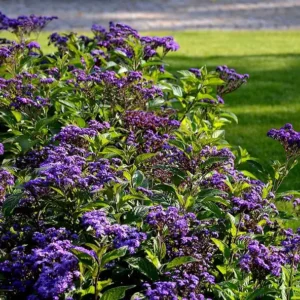
Heliotrope Fragrant Delight Live Plants – Set of 2, 3-6″ Tall, Violet Fragrant Flowers
Sold 77 products
Original price was: $41.97.$13.99Current price is: $13.99.
Sold 52 products
Original price was: $147.16.$73.58Current price is: $73.58.
Sold 58 products
Original price was: $53.98.$26.99Current price is: $26.99.
Sold 88 products
Original price was: $61.20.$30.60Current price is: $30.60.
Sold 82 products
Original price was: $95.80.$47.90Current price is: $47.90.



Reviews
There are no reviews yet.