
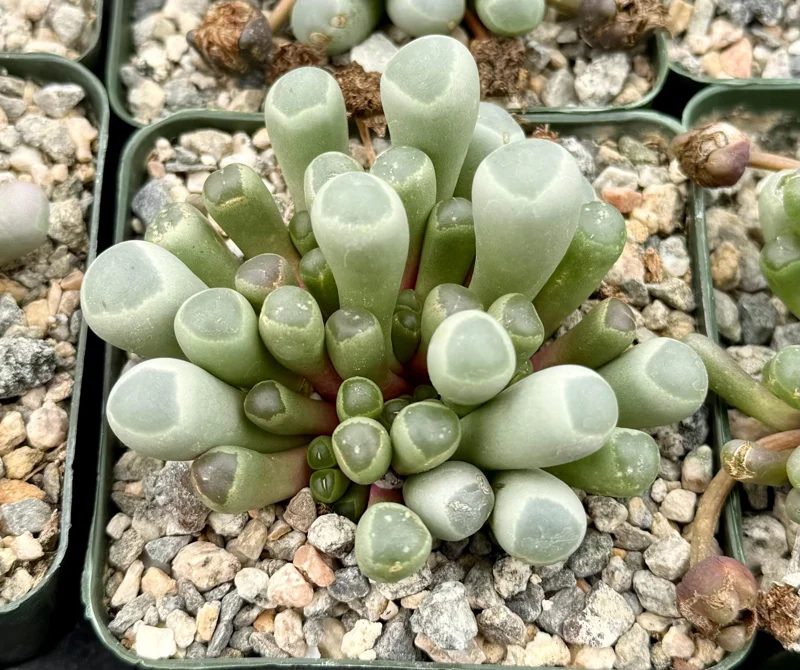
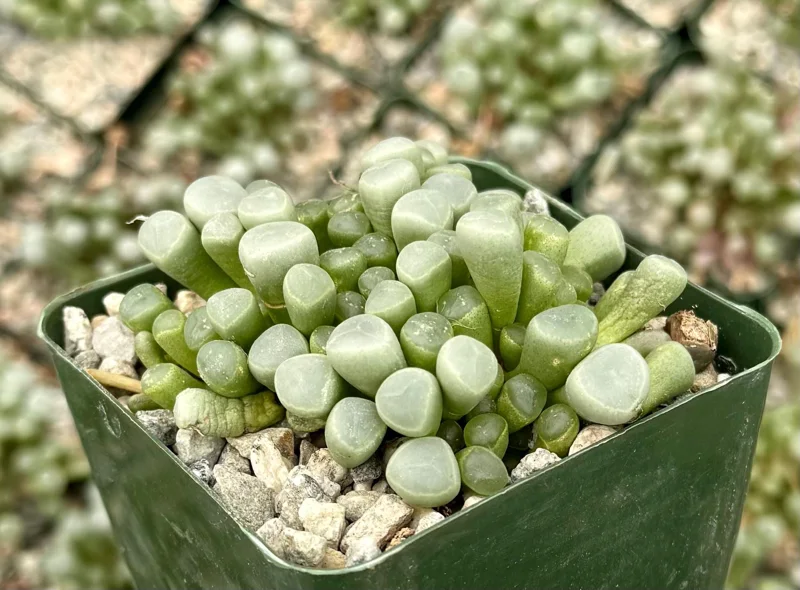
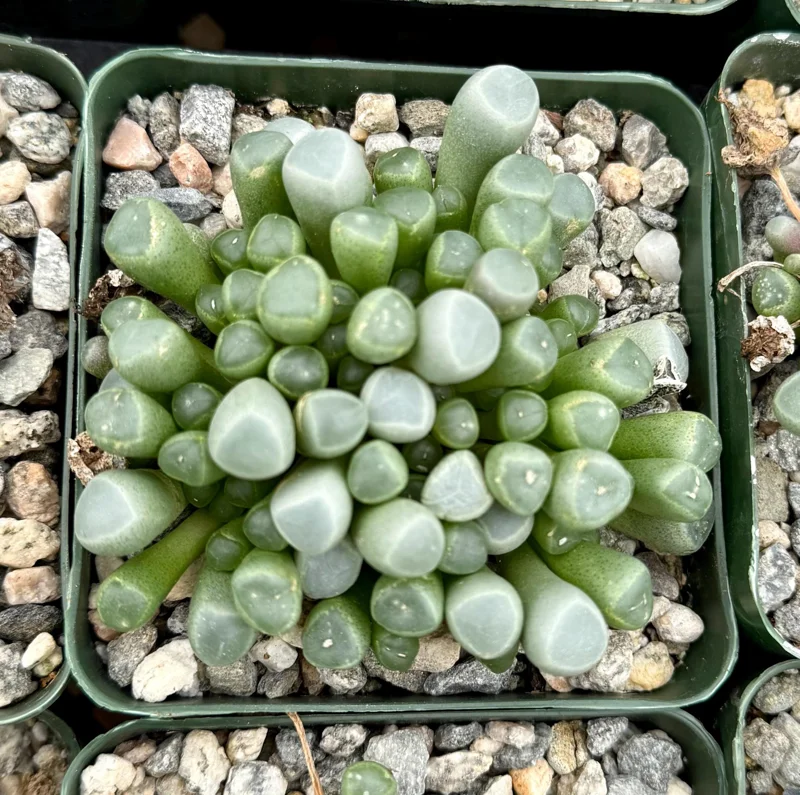
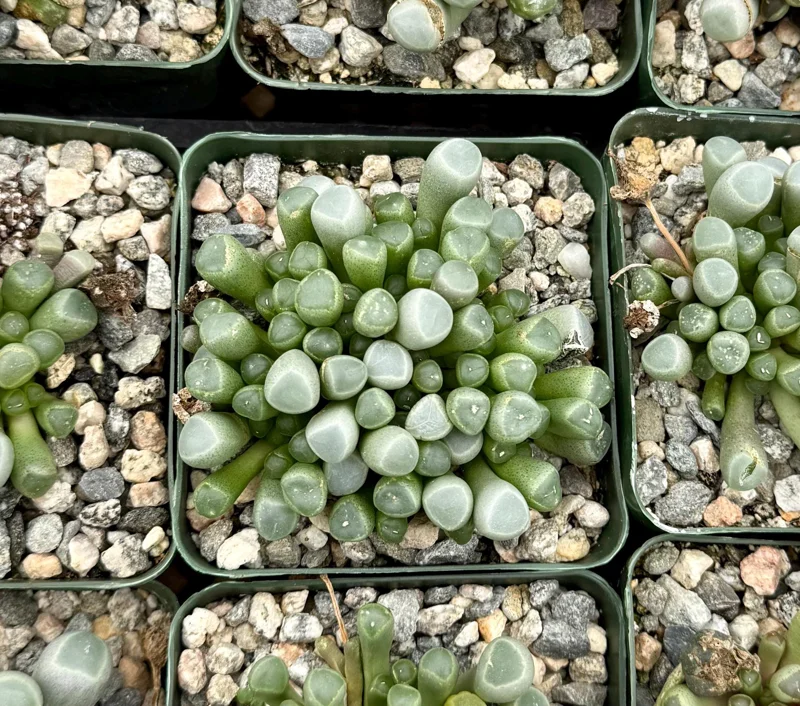
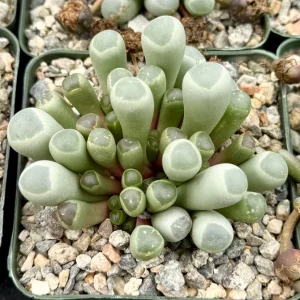
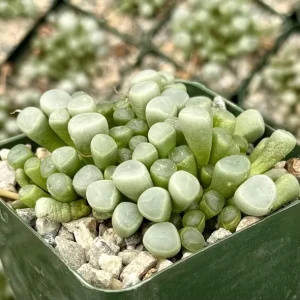
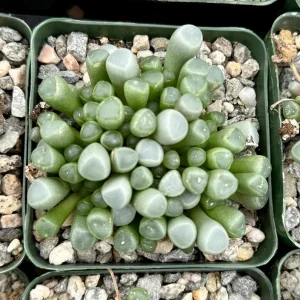
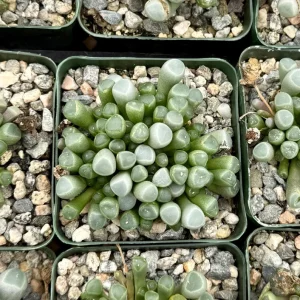
Baby Toe Succulent Live Plant – Fenestraria Rhopalophylla – 2 inch pot – Indoor
Original price was: $32.98.$23.08Current price is: $23.08.
Bring home a delightful baby toe succulent live plant, also known as Fenestraria rhopalophylla. This charming succulent features unique toe-like leaves with translucent tips, perfect for adding a touch of whimsy to any indoor space. It is a low-maintenance plant, ideal for beginners and experienced plant parents alike, thriving with minimal watering and bright, indirect light.
-
USDA Hardiness Zone
USDA zones 9-11 (outdoors), or year-round indoors -
Soil Type
Well-draining sandy or cactus soil mix -
Sunlight Exposure
Bright indirect light; tolerates some direct morning sun -
Expected Planting Period
Year-round indoors

You can track your order HERE
Sep 28
Oct 03 - Oct 05
Oct 08 - Oct 12
Shipping and return policies: Our Alive & Thrive Guarantee covers issues with your plants within the first 30 days. Reach out to us. Our team will answer your questions and help you find the plants that are truly suitable for your environment, climate, and personal preferences.

Overview
Welcome the enchanting baby toe succulent live plant, scientifically known as Fenestraria rhopalophylla, into your home or office. This captivating succulent is a true conversation starter, celebrated for its distinctive cylindrical leaves that playfully resemble tiny toes. Originating from the arid landscapes of South Africa and Namibia, the Fenestraria rhopalophylla care is surprisingly straightforward, making it an excellent choice for both novice and seasoned plant enthusiasts. Each leaf tip features unique translucent ‘windows’ that allow the plant to efficiently absorb sunlight, a remarkable adaptation to its native desert environment. As it matures, this succulent forms dense clusters of upright foliage, occasionally gracing its owner with delicate, daisy-like white or yellow flowers during the fall or winter months. Its compact size makes it perfect for windowsills, desks, or as an accent in a succulent arrangement, adding natural beauty and a whimsical touch to any setting. If you are looking to start your own succulent collection, consider buying baby toe succulent to add diversity and charm.
The baby toe succulent live plant provides an exotic flair without demanding constant attention. Its unique appearance and easy-care nature make it a popular choice for those seeking a charming, low-maintenance green companion. Whether you’re enhancing your indoor garden or searching for a unique gift, the Baby Toe Succulent is a delightful addition that promises to bring joy and a touch of the desert’s magic to your space. Its distinctive form and occasional blooms contribute to its allure, ensuring it stands out in any plant collection. This particular species is known for its resilience and ability to thrive in various indoor conditions, provided its basic needs are met.
Key Benefits
The baby toe succulent live plant offers a multitude of benefits beyond its charming appearance. Its unique characteristics make it a rewarding addition to any plant collection, enhancing both aesthetics and well-being. Understanding these advantages will help you appreciate this remarkable succulent even more.
- Unique Aesthetic Appeal: The most striking feature of the baby toe succulent live plant is its distinctive cylindrical, toe-like leaves. These unique structures, combined with the translucent ‘windows’ at their tips, create an eye-catching display that is sure to draw compliments and add a whimsical touch to your decor.
- Low Maintenance: Ideal for busy individuals or those new to plant care, this succulent requires minimal attention. Its ability to store water in its plump leaves means infrequent watering, and it thrives on neglect, making fenestraria rhopalophylla care simple and stress-free.
- Drought Tolerant: As a native of arid regions, the Baby Toe Succulent is exceptionally drought-tolerant. This makes it a sustainable choice and reduces the worry of overwatering, a common pitfall for many plant owners.
- Compact Size: Growing to a relatively small size, this succulent is perfect for small spaces such as desks, windowsills, or terrariums. Its compact nature allows it to fit into various decorative schemes without overwhelming the area.
- Air Purification: Like many succulents, the Baby Toe Succulent contributes to a healthier indoor environment by helping to purify the air, albeit on a smaller scale. It can help filter out some common indoor pollutants, improving overall air quality.
- Conversation Starter: Its unusual appearance makes it a fantastic conversation piece. Guests will be intrigued by its unique form and delicate features, providing an opportunity to share your passion for plants and discuss fenestraria plant tips.
- Easy Propagation: For those interested in expanding their collection, this succulent can be easily propagated from offsets or seeds, allowing you to multiply your plants and share them with friends and family. This also makes buying baby toe succulent a great long-term investment for plant enthusiasts.
Plant Care & Growing Tips
Proper fenestraria rhopalophylla care is essential for the long-term health and vibrant growth of your baby toe succulent live plant. These plants are relatively easy to care for once you understand their basic needs, which largely mimic their native desert environments. Providing the right conditions will ensure your succulent thrives and potentially produces its charming flowers.
For optimal growth, the Baby Toe Succulent requires bright, indirect light. While it can tolerate some direct morning sun, intense afternoon sun, especially in hot climates, can scorch its delicate leaves. An east-facing window is often ideal, or a south/west-facing window with some sheer curtain protection. If growing indoors, consider a grow light during darker winter months to ensure it receives adequate light. Good air circulation is also beneficial to prevent fungal issues. When it comes to watering, less is definitely more. Allow the soil to dry out completely between waterings. The plump leaves store water, making the plant highly drought-tolerant. Overwatering is the most common cause of root rot and plant death. During the winter dormancy period, reduce watering even further. A good rule of thumb is to check the soil moisture with your finger; if it’s dry an inch or two down, it’s safe to water.
A well-draining soil mix is crucial for the health of your baby toe succulent live plant. A sandy, gritty, or cactus-specific soil mix is highly recommended, as it prevents water from sitting around the roots. You can create your own by mixing potting soil with perlite, pumice, or coarse sand. Ensure the pot has drainage holes to allow excess water to escape. This succulent prefers warm temperatures, ideally between 65-80°F (18-27°C). It is not frost-tolerant and should be protected from temperatures below 40°F (4°C). If you live in a region with cold winters, it’s best to grow your Baby Toe Succulent indoors or bring it inside before the first frost. Fertilization is generally not heavily required; a diluted succulent fertilizer can be applied once or twice during the growing season (spring and summer). Watch out for common pests like mealybugs or spider mites, which can be treated with insecticidal soap. Providing these conditions will help you master fenestraria plant tips and enjoy a healthy, flourishing plant.
Size & Details
This baby toe succulent live plant, Fenestraria rhopalophylla, is typically offered in a 2-inch pot, making it a perfect starter size for any collection. Upon arrival, the plant will be well-rooted and ready to settle into its new home. It will showcase its characteristic cylindrical, toe-like leaves, which are usually a vibrant green with distinctive translucent tips. In terms of size, a mature Baby Toe Succulent can form dense clusters, reaching an approximate height of 3-6 inches and spreading up to 6-12 inches wide over time, depending on growing conditions and pot size. Its growth rate is moderate, allowing you to enjoy its development without it quickly outgrowing its space. The plant is shipped as a live, established specimen, carefully packaged to ensure its safe arrival. Expect it to begin adapting to its new environment within a few weeks, with new growth appearing shortly thereafter. While flowers are not guaranteed upon delivery, mature plants typically bloom in late fall or winter, producing charming white or yellow daisy-like flowers. This compact size makes buying baby toe succulent an ideal choice for desk plants, small terrariums, or as part of a larger succulent display.
Frequently Asked Questions
- Q: How big does this plant get? A: The baby toe succulent live plant typically grows to a compact size, reaching about 3-6 inches in height and spreading up to 12 inches wide, forming dense clusters over time. Its small stature makes it perfect for windowsills and small decorative arrangements.
- Q: What size pot does it come in? A: This baby toe succulent live plant is commonly shipped in a 2-inch nursery pot, providing a good foundation for its initial growth. You can repot it into a slightly larger decorative pot once it establishes itself.
- Q: Is this an indoor or outdoor plant? A: While it can tolerate some outdoor conditions in very mild climates, the Baby Toe Succulent is primarily an indoor plant, especially in regions with cold winters. It thrives indoors with bright, indirect light.
- Q: How much sunlight does it need? A: The fenestraria rhopalophylla care requires bright, indirect light. It can handle a few hours of direct morning sun but should be protected from intense afternoon sun to prevent scorching of its unique leaves.
- Q: Is this plant easy to care for? A: Yes, the Baby Toe Succulent is considered a low-maintenance plant, making it an excellent choice for beginners. Its drought-tolerant nature means infrequent watering and it generally requires minimal attention.
- Q: What condition will it arrive in? A: Your baby toe succulent live plant will arrive as a healthy, established plant, carefully packaged to minimize stress during transit. It will be ready to be placed in its new home upon arrival.
- Q: Is it shipped in soil? A: Yes, the plant is shipped in its nursery pot with well-draining soil, ensuring it has everything it needs to survive the journey and thrive upon arrival.
- Q: How often should I water my Baby Toe Succulent? A: Water sparingly. Allow the soil to dry out completely between waterings. Overwatering is the biggest risk for this succulent, so always err on the side of underwatering, which is a key part of successful fenestraria plant tips.
- Q: Will it survive winter in my zone? A: The Baby Toe Succulent is not frost-tolerant. If you live in an area with cold winters (USDA zones below 9), it must be brought indoors and protected from temperatures below 40°F (4°C). This is crucial for buying baby toe succulent in colder climates.
- Q: Can I propagate this succulent? A: Yes, Baby Toe Succulents are relatively easy to propagate from offsets that grow from the base of the plant or from seeds. This allows you to expand your collection or share with others.
| Size | 4" |
|---|
Be the first to review “Baby Toe Succulent Live Plant – Fenestraria Rhopalophylla – 2 inch pot – Indoor”
People Also Viewed
HousePlants
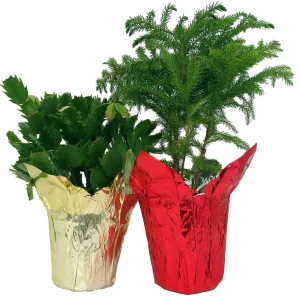
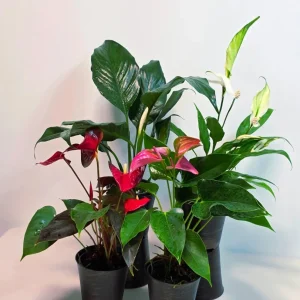
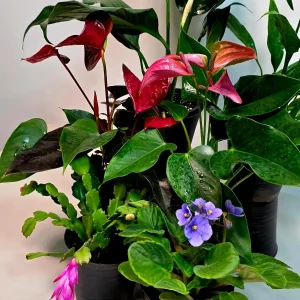
Assorted Indoor Flowering Plant Set – 4 Live Plants in 4-inch Pots – Gift Houseplant Collection
Sold 86 products
Original price was: $131.96.$65.98Current price is: $65.98.










%20for%20Planting&url=https://gardennursery.net/product/20-wild-ramps-bulbs-bare-root-wild-leeks-allium-tricoccum-for-planting/&media=https://img.gardennursery.net/2026/01/20-wild-ramps-bulbs-bare-root-wild-leeks-allium-tr-768x1024.webp)


Reviews
There are no reviews yet.