
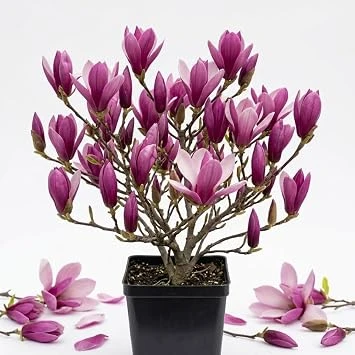
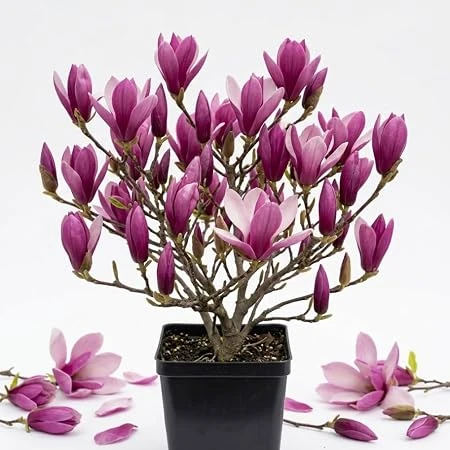
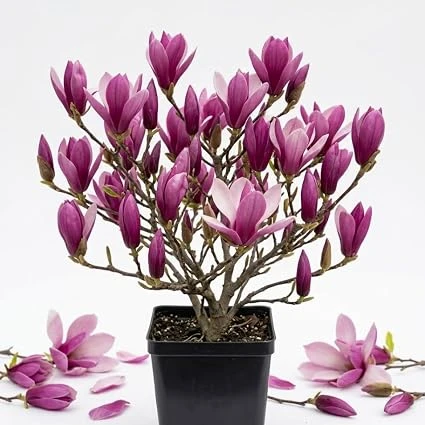
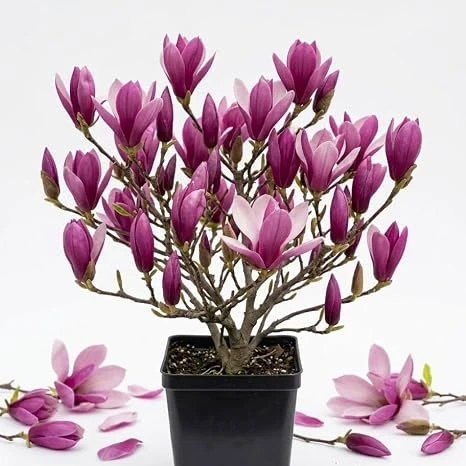
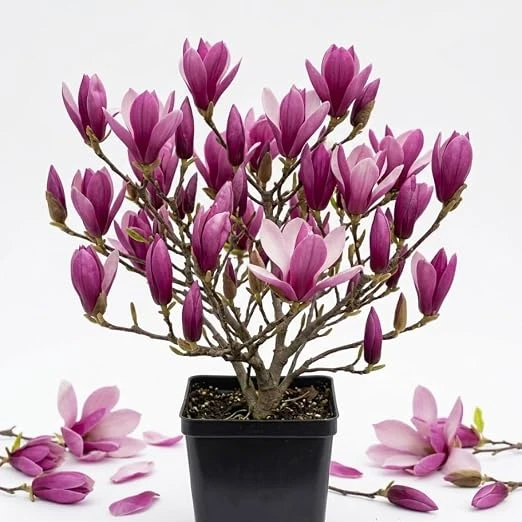
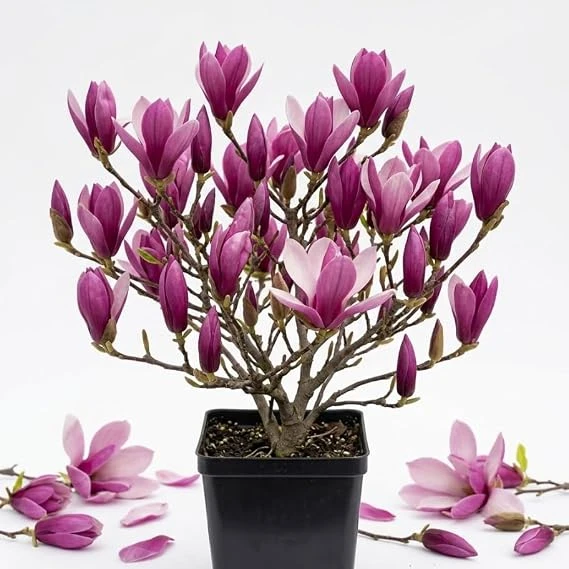
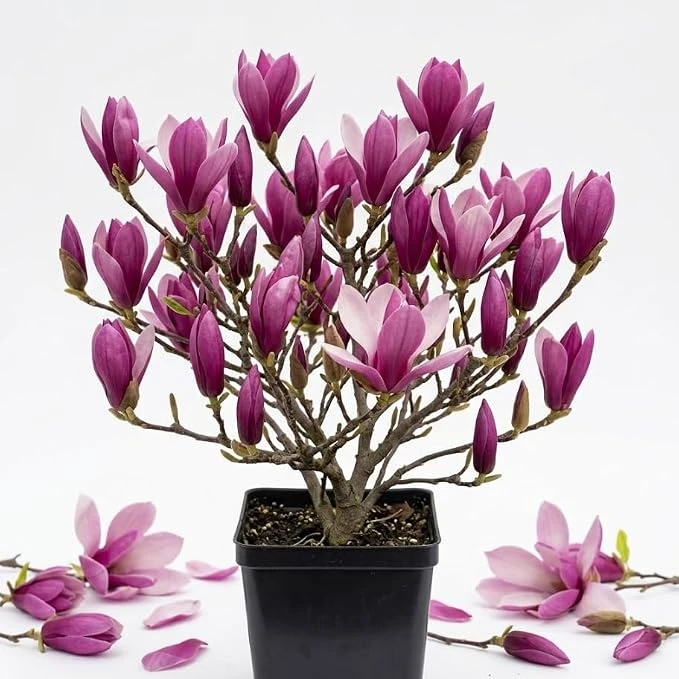
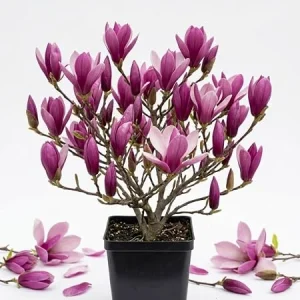
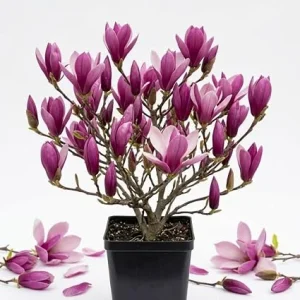
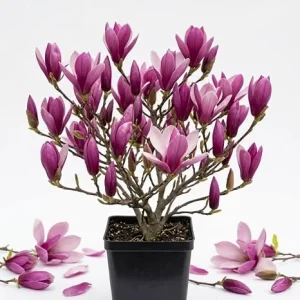
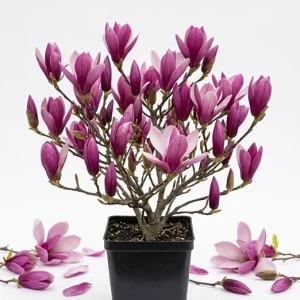
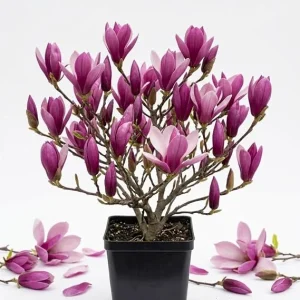
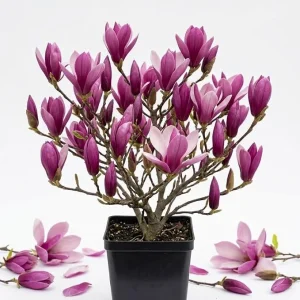
Ann Magnolia Tree Live Plant – Purple-Red Flowers, 6-12″ Tall, 2.5″ Pot, Outdoor Shrub
Original price was: $53.54.$26.77Current price is: $26.77.
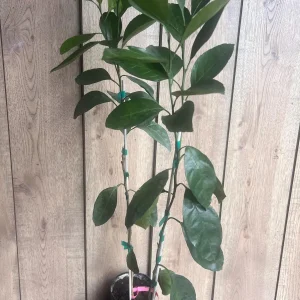
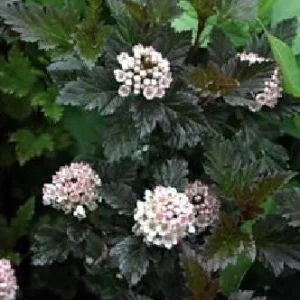
Introduce vibrant color and sweet fragrance to your garden with an Ann Magnolia Tree live plant. This beautiful shrub features striking purple-red flowers and arrives 6-12 inches tall in a 2.5-inch pot, ready for planting. Ideal for small gardens, borders, or as a decorative accent, this purple magnolia shrub thrives in various settings.
-
USDA Hardiness Zone
USDA Zones 4-8 -
Soil Type
Well-draining, fertile, slightly acidic to neutral soil -
Sunlight Exposure
Full sun to partial shade -
Expected Planting Period
Spring to early fall

You can track your order HERE
Oct 30
Nov 04 - Nov 06
Nov 09 - Nov 13
Shipping and return policies: Our Alive & Thrive Guarantee covers issues with your plants within the first 30 days. Reach out to us. Our team will answer your questions and help you find the plants that are truly suitable for your environment, climate, and personal preferences.

Overview
Transform your outdoor space with the exquisite Ann Magnolia Tree live plant. Renowned for its stunning purple-red blooms, this deciduous shrub brings a touch of elegance and vibrant color to any garden or landscape. The ‘Ann’ variety is celebrated for its early spring flowering, often before its leaves fully emerge, creating a spectacular display of cup-shaped flowers. Each Ann Magnolia Tree live plant arrives standing 6-12 inches tall and is carefully potted in a 2.5-inch container, making it perfectly sized for immediate transplanting into your garden bed, border, or a larger decorative container. This resilient and beautiful plant is a hybrid magnolia, part of the ‘Little Girl’ series, bred for its compact size and abundant flowering, making it an excellent choice for gardeners seeking a manageable yet impactful flowering shrub.
The botanical name for this variety is Magnolia x ‘Ann’, a testament to its hybrid vigor and desirable characteristics. Its upright, rounded growth habit ensures it fits well into various garden designs, from formal to more naturalistic settings. Gardeners often seek out the Ann Magnolia Tree live plant for its reliable performance and the captivating beauty of its blossoms. With proper care, this plant will become a cherished feature in your landscape, offering breathtaking floral displays year after year.
Key Benefits
The Ann Magnolia Tree live plant offers a multitude of benefits, enhancing both the aesthetic and sensory appeal of your garden. Its distinctive features make it a highly desirable choice for both novice and experienced gardeners.
- Spectacular Floral Display: Enjoy abundant, large, cup-shaped purple-red flowers that appear in early spring, often before the foliage, providing a dramatic splash of color when most other plants are still dormant. These blooms are truly a showstopper.
- Delightful Fragrance: The beautiful blossoms of this sweet magnolia flowers plant emit a subtle yet captivating fragrance, adding an extra layer of sensory pleasure to your outdoor living spaces.
- Compact Growth Habit: As a relatively small and upright shrub, the compact magnolia plant is ideal for gardens of all sizes, including urban landscapes, small yards, or as a container plant on patios and balconies. It maintains a neat form without requiring extensive pruning.
- Versatile Landscaping Use: Perfect for use as a specimen plant, in mixed shrub borders, foundation plantings, or even as an informal hedge. Its vibrant color makes it a fantastic focal point.
- Easy to Grow: The Ann Magnolia Tree live plant is generally low-maintenance once established, tolerating a range of soil conditions and thriving in full sun to partial shade, making it a robust choice for various garden settings.
- Attracts Pollinators: While not a primary pollinator magnet, its early blooms can provide a food source for early-emerging bees and other beneficial insects, contributing to garden biodiversity.
- Enhanced Curb Appeal: The striking appearance of the purple magnolia shrub significantly boosts the aesthetic value of your property, creating an inviting and beautiful entryway or garden view.
Plant Care & Growing Tips
Caring for your Ann Magnolia Tree live plant is straightforward, ensuring years of beautiful blooms. This resilient shrub thrives with consistent attention to its basic needs, allowing it to flourish and display its full splendor. Understanding the specific requirements for magnolia tree care will help you cultivate a healthy and vibrant plant.
Sunlight Requirements: The Ann Magnolia tree performs best in locations that receive at least 6 hours of direct sunlight per day (full sun). While it can tolerate partial shade, too much shade may reduce the abundance and vibrancy of its purple-red flowers. In hotter climates, a spot with some afternoon shade can protect the foliage from scorching. When selecting a site, consider both morning and afternoon sun exposure to ensure optimal growth and flowering for your Ann Magnolia Tree live plant.
Watering Schedule and Soil Moisture: Consistent moisture is crucial, especially during the first year after planting and during dry spells. Water deeply once or twice a week, allowing the top few inches of soil to dry out slightly between waterings. Avoid overwatering, as magnolias do not tolerate soggy conditions, which can lead to root rot. Established plants are more drought-tolerant but will benefit from supplemental watering during prolonged dry periods. The goal is to keep the soil consistently moist but not waterlogged to support healthy growth of your compact magnolia plant.
Soil Type and Drainage: This purple magnolia shrub prefers well-drained, fertile, slightly acidic to neutral soil (pH 5.5-6.5). Amend heavy clay soils with organic matter like compost or aged manure to improve drainage and aeration. For sandy soils, organic amendments will help retain moisture and nutrients. Good drainage is paramount for healthy root development and overall plant vigor. If planting in a container, use a high-quality, well-draining potting mix specifically formulated for trees and shrubs.
Temperature Range and USDA Hardiness Zone: The Ann Magnolia is a cold-hardy plant, suitable for USDA Hardiness Zones 4-8. It can withstand winter temperatures down to -30°F (-34°C). However, late spring frosts can sometimes damage early blooms. Planting in a sheltered location can offer some protection. In warmer zones, ensure adequate moisture and some afternoon shade to prevent heat stress. Proper magnolia tree care involves protecting young plants from extreme temperatures.
Fertilization Schedule: Fertilize your Ann Magnolia Tree live plant in early spring before new growth begins. Use a balanced, slow-release granular fertilizer formulated for acid-loving plants, or an organic option like compost. Follow the manufacturer’s instructions for application rates. Avoid over-fertilizing, which can burn the roots. Established trees may only need fertilization every 2-3 years if the soil is rich in organic matter. A healthy feeding regimen supports robust growth and abundant sweet magnolia flowers.
Common Problems and Solutions: Magnolias are generally pest and disease resistant. However, watch out for common issues like scale insects or powdery mildew. Treat scale with horticultural oil, and powdery mildew with a fungicide or by improving air circulation. Yellowing leaves can indicate nutrient deficiency or improper soil pH; a soil test can help diagnose and correct these issues. Ensure good air circulation around the plant to minimize fungal problems. Consistent watering and proper siting will help prevent many common issues.
Size & Details
The Ann Magnolia Tree live plant you receive will be a healthy young specimen, standing approximately 6-12 inches tall from the top of the soil. It comes securely potted in a 2.5-inch nursery pot, providing a robust root system ready for transplanting. This compact deciduous shrub typically grows to a mature height of 8-10 feet with a similar spread, making it an excellent choice for smaller gardens or as a striking accent plant. Its moderate growth rate means it will establish well and begin to produce its beautiful purple magnolia shrub blooms within a few years.
The ‘Ann’ magnolia is known for its upright, rounded habit, requiring minimal pruning to maintain its attractive shape. Expect the first fragrant, cup-shaped flowers to appear in early spring, often in April or May, depending on your climate zone. The plant is shipped in its nursery pot with soil, ensuring it arrives in optimal condition, ready to be planted in its permanent location. With proper magnolia tree care, it will develop into a magnificent flowering shrub that enhances your landscape for many seasons.
Frequently Asked Questions
- Q: How big does this plant get? A: The Ann Magnolia Tree live plant typically grows to a mature height of 8-10 feet with a similar spread. It is considered a compact shrub, making it suitable for various garden sizes. Its manageable size is one of the key benefits of this particular magnolia variety.
- Q: What size pot does it come in? A: Each Ann Magnolia Tree live plant arrives potted in a 2.5-inch nursery pot. This size is ideal for safe shipping and provides a good base for transplanting into your garden or a larger container upon arrival.
- Q: Is this an indoor or outdoor plant? A: The Ann Magnolia is an outdoor plant, best suited for garden beds, borders, or large outdoor containers. It requires outdoor conditions to thrive and produce its signature sweet magnolia flowers. It is not suitable for long-term indoor cultivation.
- Q: How much sunlight does it need? A: This purple magnolia shrub prefers full sun, meaning at least 6 hours of direct sunlight per day. It can tolerate partial shade, but flowering may be less prolific. Adequate sunlight is crucial for vibrant blooms and healthy growth.
- Q: Is this plant easy to care for? A: Yes, the Ann Magnolia is considered relatively easy to care for once established. It requires consistent watering during its first year and well-draining soil, but generally, it’s a low-maintenance shrub. Following basic magnolia tree care guidelines will ensure its success.
- Q: What condition will it arrive in? A: Your Ann Magnolia Tree live plant will arrive as a healthy, live potted plant, carefully packaged to ensure its safety during transit. It will be rooted in soil within its nursery pot, ready for planting.
- Q: How long until it blooms? A: Young Ann Magnolias can start blooming within 1-3 years of planting, sometimes even sooner if conditions are ideal. Its early spring blooms are a highlight, often appearing before the leaves.
- Q: Will it survive winter in my zone? A: The Ann Magnolia is hardy in USDA Zones 4-8. If you are within these zones, it should survive winter without special protection. For those at the colder end of its hardiness range, a sheltered planting spot is beneficial.
- Q: What kind of soil does it need? A: This compact magnolia plant thrives in well-drained, fertile, slightly acidic to neutral soil. Amending with organic matter can improve soil structure and nutrient content, which is vital for proper magnolia tree care.
- Q: When is the best time to plant? A: The best time to plant the Ann Magnolia is in spring or early fall, allowing the plant to establish its root system before extreme summer heat or winter cold.
Be the first to review “Ann Magnolia Tree Live Plant – Purple-Red Flowers, 6-12″ Tall, 2.5″ Pot, Outdoor Shrub”
People Also Viewed
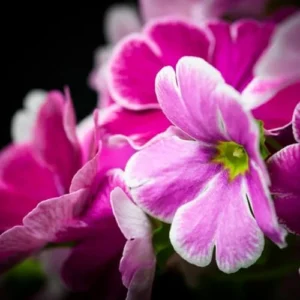
Flower Plants
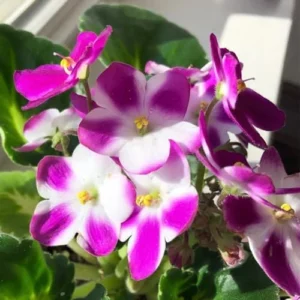
African Violet Live Plant – Pink White Flower Houseplant 4 Inch Pot Indoor Ready to Grow
Sold 65 products
Original price was: $63.98.$31.99Current price is: $31.99.



Sold 97 products
Original price was: $111.80.$55.90Current price is: $55.90.

HousePlants
Network Calathea Live Plant – Mosaic Prayer Plant – Calathea mosaicca – 4 inch Pot Indoor
Sold 78 products
Original price was: $60.76.$30.38Current price is: $30.38.




Trees
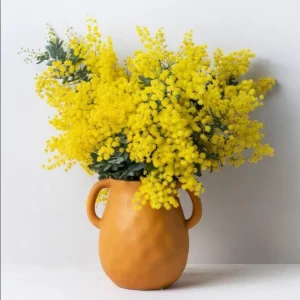
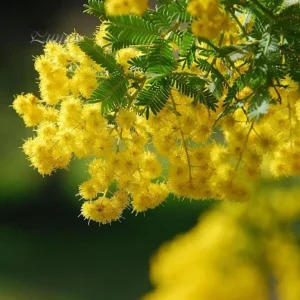
Mimosa Wattle Seedling Live Plant – Acacia Baileyana Yellow Flower Tree 3-5 Inch Tall 4 Inch Pot
Sold 65 products
Original price was: $37.99.$27.99Current price is: $27.99.








Reviews
There are no reviews yet.