
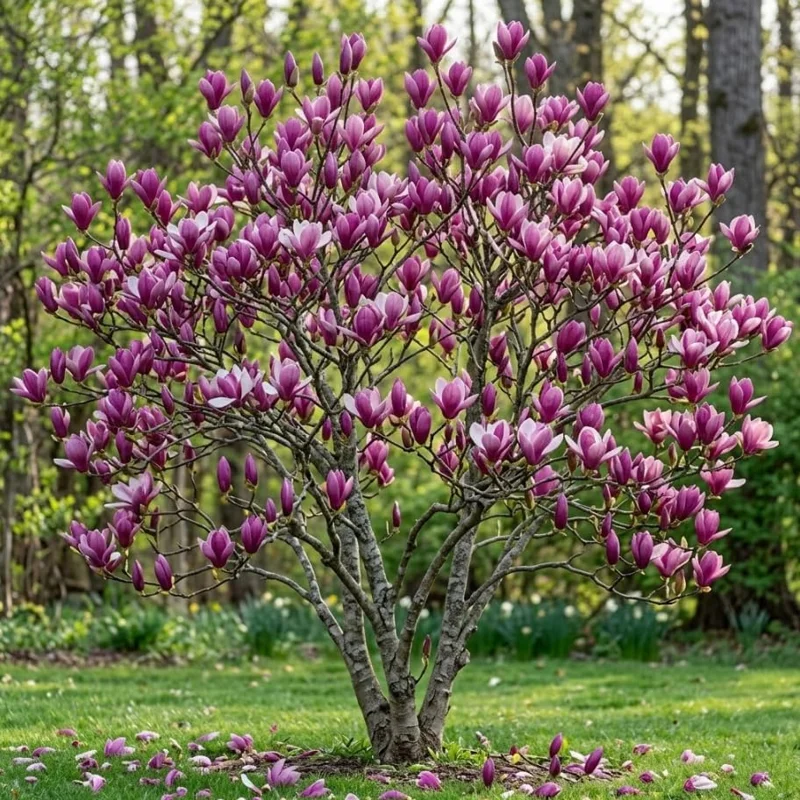
Ann Magnolia Shrub Live Plant 12-18″ Tall – Fragrant Purple Blooms, Gallon Pot, Outdoor
Original price was: $123.98.$61.99Current price is: $61.99.
Enhance your garden with the beautiful Ann Magnolia Shrub, a deciduous plant known for its stunning fragrant purple-red lily-like blooms. Arriving 12-18 inches tall in a gallon pot, this fragrant magnolia plant is ready for transplanting. Ideal for outdoor planting in borders, beds, or containers.
-
USDA Hardiness Zone
USDA zones 4-8 -
Soil Type
Well-draining, fertile, slightly acidic to neutral soil -
Sunlight Exposure
Full sun to partial shade -
Expected Planting Period
Spring to Fall

You can track your order HERE
Nov 02
Nov 07 - Nov 09
Nov 12 - Nov 16
Shipping and return policies: Our Alive & Thrive Guarantee covers issues with your plants within the first 30 days. Reach out to us. Our team will answer your questions and help you find the plants that are truly suitable for your environment, climate, and personal preferences.

Overview
Introduce a touch of elegance and vibrant color to your outdoor space with the exquisite Ann Magnolia Shrub. This beautiful deciduous plant is celebrated for its striking purple-red, lily-like flowers that emerge in spring, offering a spectacular display and a delightful sweet fragrance. Each Ann Magnolia Shrub is a live plant, arriving at a robust 12-18 inches tall, potted in a gallon container, and perfectly prepared for immediate transplanting into your garden or a larger decorative pot. Known for its compact growth habit, this magnolia is an excellent choice for a variety of landscape applications, from garden beds and borders to accent plantings. Its captivating blooms and pleasant aroma make it a standout feature in any setting, inviting pollinators and adding significant curb appeal.
The Ann Magnolia, botanically known as Magnolia ‘Ann’, is a hybrid cultivar cherished for its hardiness and reliable flowering. It’s a fantastic option for gardeners seeking a stunning yet manageable flowering shrub. Its relatively compact size compared to other magnolias makes it suitable for smaller gardens or areas where space is a consideration. This particular fragrant magnolia plant offers a prolonged blooming period, ensuring you can enjoy its beauty for an extended season. It adapts well to various garden designs, from formal to informal, and provides a continuous source of visual interest throughout its growing cycle, even after its vibrant flowers have faded.
Key Benefits
The Ann Magnolia Shrub offers numerous advantages for both seasoned gardeners and beginners alike, transforming any landscape into a vibrant, fragrant oasis. Its striking appearance and ease of care contribute to its widespread appeal, making it a valuable addition to diverse garden styles.
- Stunning Floral Display: Enjoy an abundance of captivating purple-red, lily-shaped flowers that create a dramatic visual impact in early to mid-spring. These vibrant blooms are a true harbinger of the warmer months and bring significant aesthetic value to your garden.
- Delightful Fragrance: The sweet, delicate scent emitted by the magnolia blossoms adds an extra layer of sensory pleasure to your outdoor living areas. This natural perfume can enhance relaxation and create a welcoming atmosphere in your garden.
- Compact Growth Habit: Unlike larger magnolia varieties, the Ann Magnolia Shrub maintains a manageable size, making it ideal for smaller gardens, urban landscapes, or as a focal point in mixed borders without overwhelming the space.
- Versatile Landscaping: Perfect for use as a standalone specimen, in mass plantings, along property lines, or even in large containers on patios and decks. Its adaptable nature allows for creative integration into various garden designs.
- Easy to Grow: This resilient deciduous shrub thrives with minimal fuss once established. It tolerates a range of soil conditions and sunlight exposures, making it a forgiving choice for those new to gardening or with busy schedules.
- Attracts Pollinators: The vibrant flowers serve as an attractive nectar source for early-season pollinators like bees, contributing to the biodiversity and health of your garden ecosystem.
- Yearly Reblooming: With proper care, this purple magnolia tree reliably produces its beautiful blooms year after year, ensuring a consistent and cherished display each spring.
Plant Care & Growing Tips
Caring for your Ann Magnolia Shrub is straightforward, ensuring its healthy growth and abundant flowering for years to come. Understanding its basic needs will help it thrive in your garden. For optimal performance, magnolias generally prefer a site with protection from strong winds, which can damage their delicate early blooms. Ensure the planting hole is twice as wide as the root ball and just as deep, allowing the root flare to be at or slightly above soil level. After planting, water thoroughly to settle the soil around the roots.
Sunlight Requirements: The Ann Magnolia thrives best in locations that receive full sun to partial shade. Full sun (at least 6 hours of direct sunlight per day) will encourage the most prolific blooming. In hotter climates, partial shade, especially during the intense afternoon sun, can help protect the foliage and flowers from scorching. This adaptability makes the deciduous magnolia a versatile choice for various garden exposures. Avoid deep shade, which can lead to sparse flowering and leggy growth.
Watering Schedule and Soil Moisture: Young Ann Magnolias require consistent moisture to establish a strong root system. Water regularly, especially during dry spells, ensuring the soil remains evenly moist but not waterlogged. Once established, this shrub is moderately drought-tolerant but will benefit from supplemental watering during prolonged dry periods. Deep watering is preferred over frequent shallow watering, as it encourages roots to grow deeper into the soil. Good drainage is crucial to prevent root rot.
Soil Type and Drainage: This magnolia prefers well-drained, fertile, slightly acidic to neutral soil (pH 5.5-7.0). Amend heavy clay soils with organic matter like compost or peat moss to improve drainage and aeration. Sandy soils can be improved with organic matter to enhance water retention and nutrient availability. A healthy soil structure is key for the growth of any compact magnolia.
Temperature Range and USDA Hardiness Zone: The Ann Magnolia is quite hardy and typically thrives in USDA Hardiness Zones 4-8. It can withstand winter temperatures down to -20°F (-29°C). In colder zones, a layer of mulch around the base can provide extra winter protection. In warmer zones, ensure it receives adequate water during hot, dry periods.
Fertilization Schedule and Type: Fertilize your Ann Magnolia in early spring, just as new growth begins, with a balanced, slow-release granular fertilizer formulated for acid-loving plants. Follow the manufacturer’s instructions for application rates. Avoid fertilizing late in the season, as this can encourage new growth that is susceptible to frost damage.
Common Problems and Solutions: Magnolias are generally pest and disease resistant. Occasional issues may include leaf spots or powdery mildew, which can often be managed by ensuring good air circulation and avoiding overhead watering. Pest issues like scale or aphids are rare but can be treated with horticultural oil or insecticidal soap if they occur. Pruning is typically minimal, focused on removing dead, damaged, or crossing branches after flowering to maintain shape and promote healthy growth.
Size & Details
The Ann Magnolia Shrub is a live plant delivered ready for transplanting. Each specimen arrives standing approximately 12 to 18 inches tall, measured from the base of the pot to the tip of the plant. It is securely rooted in a standard gallon-sized nursery pot, providing a robust root system that is ideal for successful establishment in your garden. This particular magnolia cultivar is known for its relatively compact and upright growth habit, making it an excellent choice for a variety of landscape settings, including smaller gardens or as a foundational planting.
When mature, this purple magnolia tree typically reaches a height of 8 to 10 feet with a similar spread, creating a beautiful, rounded silhouette. It exhibits a moderate growth rate, establishing itself well within the first few seasons after planting. The spectacular purple-red, lily-like blooms typically appear in early to mid-spring, often before the foliage fully emerges, creating a dramatic and eye-catching display. It ships as a healthy, actively growing plant, ensuring a smooth transition to its new home in your garden.
Frequently Asked Questions
- Q: How big does this plant get? A: The Ann Magnolia Shrub typically grows to a mature height of 8 to 10 feet tall with a similar spread, forming a beautiful, rounded shrub. Its compact nature makes it suitable for various garden sizes.
- Q: What size pot does it come in? A: Each Ann Magnolia Shrub arrives potted in a 1-gallon nursery container, with the plant standing 12-18 inches tall from the base of the pot. This size is ideal for immediate transplanting.
- Q: Is this an indoor or outdoor plant? A: The Ann Magnolia is an outdoor deciduous shrub. It thrives in garden beds, borders, or large outdoor containers where it can receive adequate sunlight and experience seasonal changes.
- Q: How much sunlight does it need? A: This fragrant magnolia plant performs best in full sun (at least 6 hours of direct sunlight daily) to partial shade. In hotter climates, some afternoon shade can be beneficial to prevent leaf scorch.
- Q: Is this plant easy to care for? A: Yes, the Ann Magnolia is considered relatively easy to care for once established. It requires well-drained soil, consistent watering during establishment, and minimal pruning to maintain its shape.
- Q: What condition will it arrive in? A: Your Ann Magnolia Shrub will arrive as a healthy, live plant, carefully packaged to ensure its safe journey. It will be actively growing and ready for planting upon arrival.
- Q: How long until it blooms? A: Many Ann Magnolias can begin to bloom within their first few years after planting, especially if they are well-established. Expect beautiful purple-red flowers in early to mid-spring.
- Q: When is the best time to plant? A: The best time to plant your deciduous magnolia is in spring or fall when temperatures are moderate. This allows the plant to establish its root system before extreme heat or cold.
- Q: Will it survive winter in my zone? A: The Ann Magnolia is hardy in USDA Zones 4-8. It is well-adapted to cold winters within these zones, typically shedding its leaves in fall and reblooming in spring.
- Q: What’s the minimum temperature it can withstand? A: This variety of purple magnolia tree can tolerate winter temperatures as low as -20°F (-29°C) when planted in its recommended hardiness zones.
Be the first to review “Ann Magnolia Shrub Live Plant 12-18″ Tall – Fragrant Purple Blooms, Gallon Pot, Outdoor”
People Also Viewed


Sold 71 products
Original price was: $52.00.$41.60Current price is: $41.60.


Shrubs
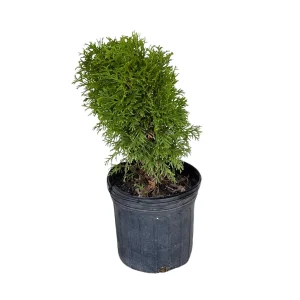
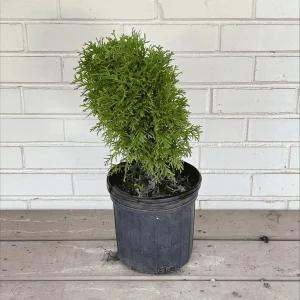
Little Giant Eastern Arborvitae Live Plant – Thuja Occidentalis ‘Little Giant’ – 1 Gallon Potted
Sold 66 products
Original price was: $115.80.$57.90Current price is: $57.90.

Flower Bulbs
Butterfly Double Mixed Daffodil Bulbs – 5 Pack, Multicolor, Perennial, Full/Partial Sun
Sold 82 products
Original price was: $75.96.$37.98Current price is: $37.98.



HousePlants
Peperomia Watermelon Live Plant – Peperomia Argyreia – Tropical Houseplant – 4 inch Pot – Indoor
Sold 76 products
Original price was: $30.78.$21.54Current price is: $21.54.







Reviews
There are no reviews yet.