
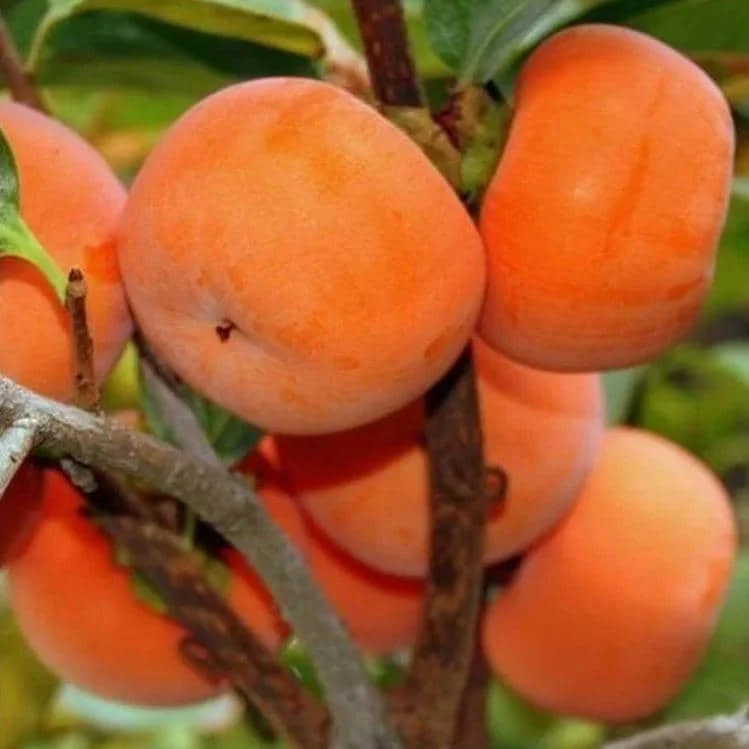
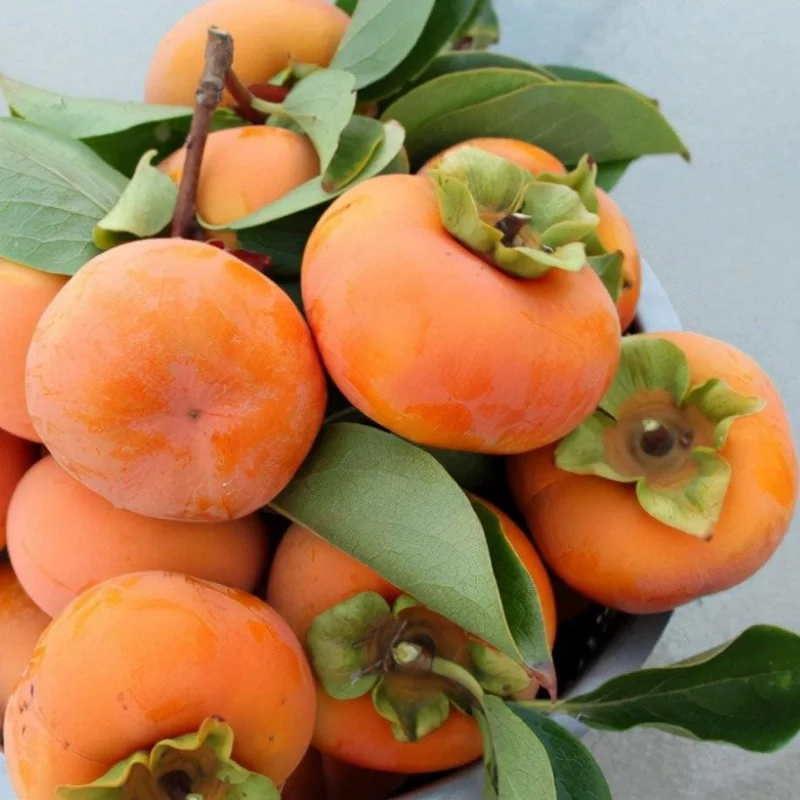
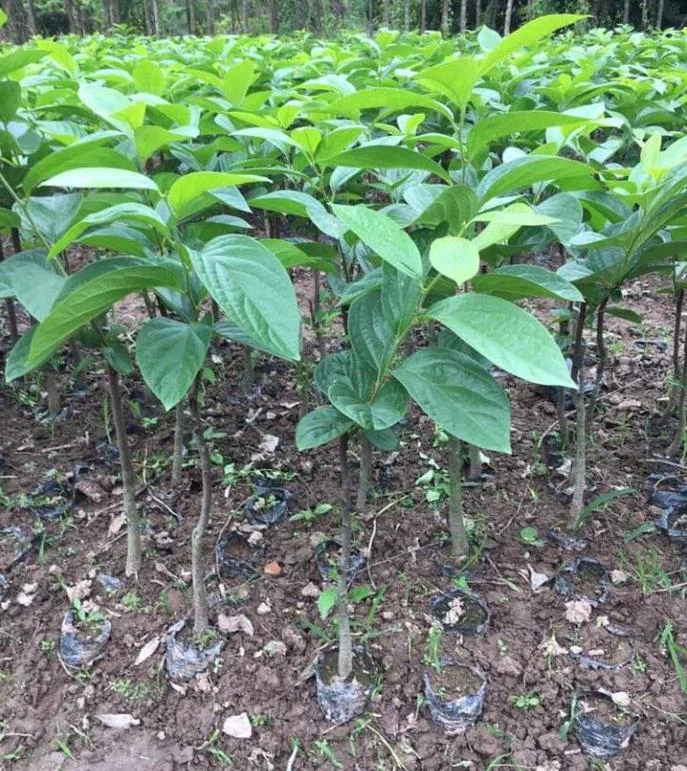
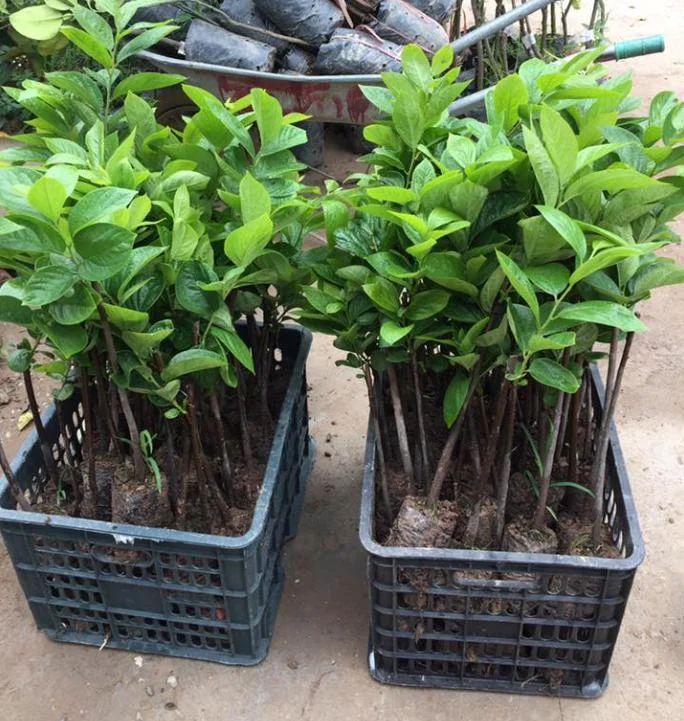
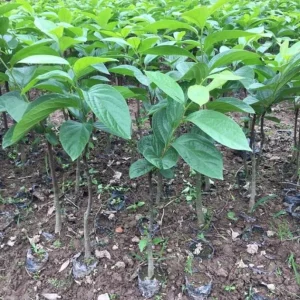
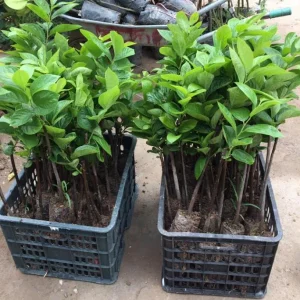
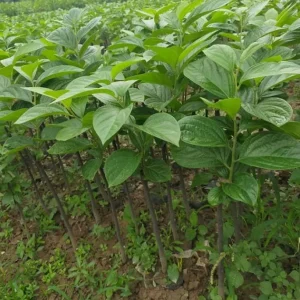
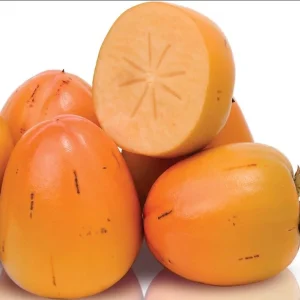
American Persimmon Live Tree Plant – Diospyros Virginiana 9-12 Inch Tall
Original price was: $69.99.$49.99Current price is: $49.99.
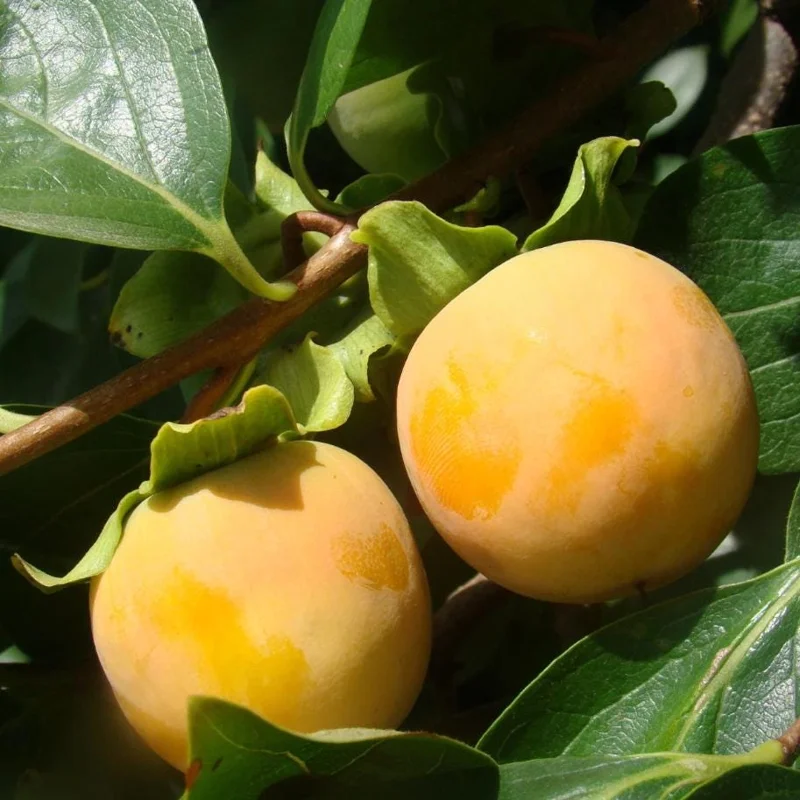
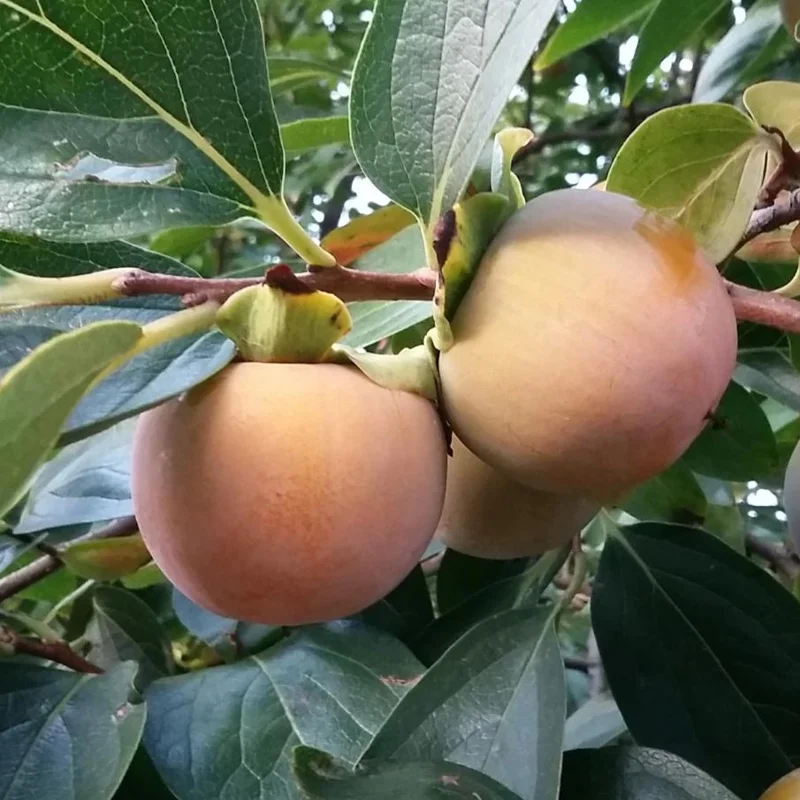
Cultivate your own American Persimmon live tree plant (Diospyros Virginiana). This native deciduous tree offers delicious edible fruit and provides valuable habitat for wildlife, thriving in various conditions.
- Produces edible fall fruit
- Attracts local wildlife
- Hardy and adaptable to many soils
- Ideal for home landscapes or naturalized areas
-
USDA Hardiness Zone
USDA Zones 4-9 -
Soil Type
Moist, well-draining, sandy soils -
Sunlight Exposure
Full sun to partial shade -
Expected Planting Period
Spring to early summer

You can track your order HERE
Mar 24
Mar 29 - Mar 31
Apr 03 - Apr 07
Shipping and return policies: Our Alive & Thrive Guarantee covers issues with your plants within the first 30 days. Reach out to us. Our team will answer your questions and help you find the plants that are truly suitable for your environment, climate, and personal preferences.

Overview
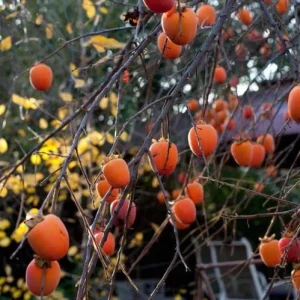
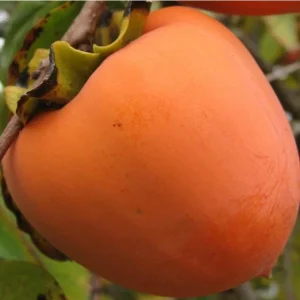
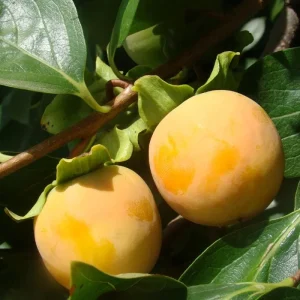
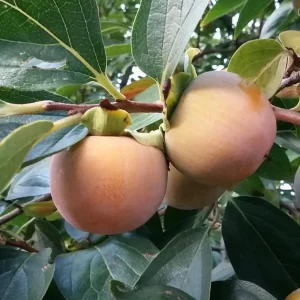
Bring the beauty and bounty of a native species to your garden with this American Persimmon live tree plant. Known botanically as Diospyros Virginiana, the American Persimmon is a resilient and versatile deciduous tree belonging to the ebony family. Originating from the central and eastern United States, this tree is celebrated for its delicious, sweet fruit that ripens in the fall, offering a unique taste and a valuable food source for both humans and wildlife. Beyond its culinary appeal, the American Persimmon adds significant ornamental value to any landscape, with attractive foliage and a sturdy growth habit. This starter plant is carefully cultivated to ensure a strong root system, ready to establish itself in your chosen location and begin its journey towards maturity.
The Diospyros Virginiana tree is a fantastic choice for those looking to enhance their outdoor space with a plant that provides both aesthetic beauty and ecological benefits. It’s an excellent addition for edible landscaping, providing a sustainable source of fruit, and also serves as a vital component in wildlife gardens, attracting birds and other animals. Its adaptability to various growing conditions makes it a rewarding plant for gardeners of all experience levels, promising a long-lived and productive presence in your yard.
Key Benefits
Planting an American Persimmon live tree plant offers a multitude of advantages for your landscape and local ecosystem. This remarkable tree provides seasonal beauty, delicious fruit, and supports biodiversity.
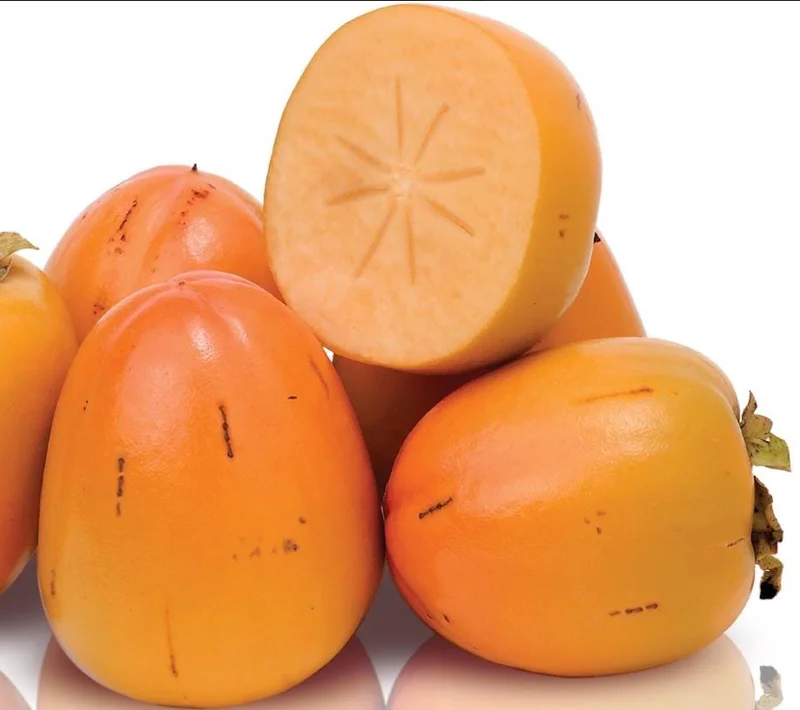
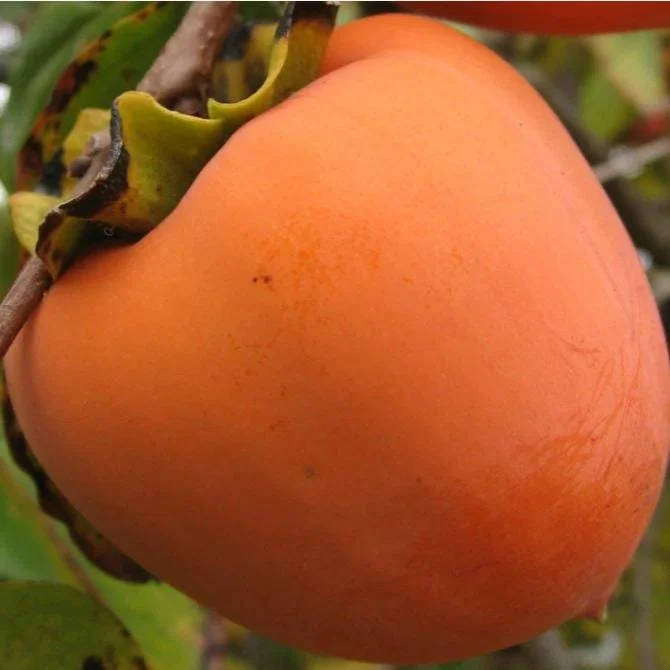
- Edible Fruit Production: Enjoy the unique, sweet, and flavorful fruits that ripen in the fall. These persimmons are perfect for fresh eating, baking, or making preserves, providing a delightful autumn harvest from your own backyard.
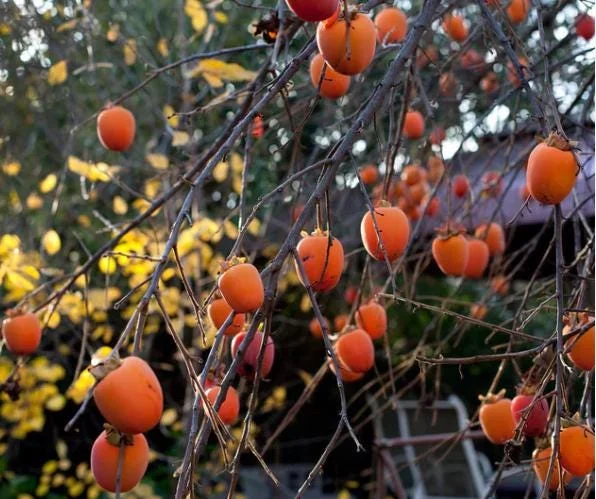
- Wildlife Attraction: The fruits are a favorite food source for various birds, deer, and other small mammals, making the tree an excellent addition for supporting local wildlife and enhancing ecological diversity.
- Ornamental Value: With its attractive foliage, often turning yellow-orange in the fall, and sturdy form, the American Persimmon serves as a beautiful specimen tree, adding visual interest to your garden throughout the seasons.
- Hardy & Adaptable: This native species is incredibly resilient, tolerating a wide range of soil types, including poor soils, and can withstand hot, dry conditions and urban environments once established.
- Low Maintenance: Once established, the native persimmon plant requires minimal care, making it an ideal choice for busy gardeners or those seeking a sustainable landscape solution.
- Erosion Control: Its extensive root system can help stabilize soil on slopes and prevent erosion, contributing to the health and stability of your land.
- Shade & Shelter: As it matures, the tree provides valuable shade, reducing cooling costs for nearby structures and offering shelter for garden inhabitants.
Plant Care & Growing Tips
Caring for your American Persimmon live tree plant is relatively straightforward, thanks to its robust nature. To ensure optimal growth and fruit production, select a site that receives full sun to partial shade, ideally with at least six hours of direct sunlight daily for the best fruit yield. While adaptable, persimmons thrive in moist, well-drained, sandy soils. Avoid overly wet or waterlogged conditions, as this can lead to root issues. Incorporating organic matter into the planting hole can improve soil structure and fertility, providing a strong start for your tree.
Watering is crucial during the establishment phase. Water regularly and deeply to encourage a strong root system, especially during dry spells. Once established, the Diospyros Virginiana tree is quite drought-tolerant. Fertilization is generally not heavily required for native persimmons; however, a balanced, slow-release fertilizer applied in early spring can support vigorous growth. Pruning should focus on removing dead or diseased branches and shaping the tree for structural integrity and air circulation. The American Persimmon is hardy in a broad range of USDA zones, typically 4-9, making it suitable for many climates. Protect young trees from harsh winter winds in colder regions.
Keep an eye out for common pests or diseases, though persimmons are generally quite resistant. Ensuring good air circulation and proper watering practices can prevent most fungal issues. The tree flowers in spring to early summer, and fruit production typically begins a few years after planting. Patience is key, as the truly delicious flavor of the fruit develops best after the first frost, making it an anticipated autumn treat. This edible persimmon tree will reward your care with years of beauty and bounty.
Size & Details
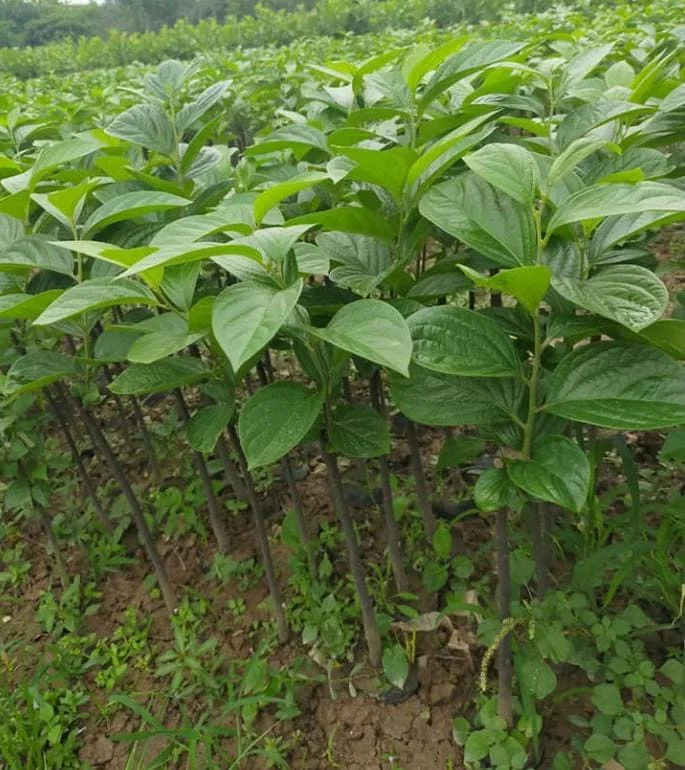
This offering is for a healthy American Persimmon live tree plant, measuring approximately 9-12 inches tall at the time of shipment. These are starter plants, well-rooted and ready for transplanting into your garden or a larger container. The American Persimmon (Diospyros Virginiana) is a deciduous tree that can eventually reach a mature height of 30 to 80 feet and spread 20 to 35 feet wide, though it may maintain a more shrub-like appearance (around 15 feet) in less ideal conditions. It is shipped without a pot to facilitate easier and safer transit, requiring immediate planting upon arrival.
The growth rate of the native persimmon plant is moderate, allowing you to watch its development over the years. Expect flowers in spring to early summer, followed by fruit development that ripens in the fall. This tree is a long-term investment in your landscape, providing beauty, shade, and a valuable food source for decades to come. Its adaptability to various conditions makes it a rewarding choice for both novice and experienced gardeners looking to add a resilient and productive native tree.
Frequently Asked Questions
- Q: How tall will the American Persimmon tree get? A: A mature American Persimmon live tree plant can reach heights between 30 and 80 feet and spread 20 to 35 feet wide, though its size can vary based on growing conditions.
- Q: What are the sunlight requirements for this tree? A: The American Persimmon thrives in full sun to partial shade. For the best fruit production, aim for at least six hours of direct sunlight daily.
- Q: Is this an indoor or outdoor plant? A: This is an outdoor deciduous tree, native to the central and eastern United States, and is not suitable for indoor cultivation.
- Q: How much water does an American Persimmon need? A: During its establishment phase, water regularly and deeply. Once mature, the Diospyros Virginiana tree is quite drought-tolerant, but consistent moisture is beneficial during dry periods.
- Q: When does the American Persimmon produce fruit? A: The tree flowers from spring to early summer, and the fruits typically ripen in the fall, often after the first frost for optimal flavor.
- Q: What condition will the plant arrive in? A: You will receive a starter plant, approximately 9-12 inches tall, with a well-developed root system, shipped without a pot. It will require immediate planting upon arrival.
- Q: Is the fruit from this tree edible? A: Yes, the edible persimmon tree produces delicious, sweet fruits that are highly sought after in the fall. They are best eaten when fully ripe.
- Q: What USDA hardiness zones is this tree suitable for? A: The American Persimmon is generally hardy in USDA Zones 4 through 9, making it adaptable to a wide range of climates.
- Q: Can I attract wildlife with this tree? A: Absolutely! The fruits are a major food source for various wildlife, including birds, deer, and other small animals, making it an excellent wildlife persimmon tree.
- Q: What kind of soil does it prefer? A: It grows best in moist, well-drained, sandy soils but is highly tolerant of a variety of soil conditions, including poor soils.
Be the first to review “American Persimmon Live Tree Plant – Diospyros Virginiana 9-12 Inch Tall”
People Also Viewed
Sold 54 products
Original price was: $36.38.$18.19Current price is: $18.19.
Sold 71 products
Original price was: $32.04.$16.02Current price is: $16.02.
Sold 63 products
Original price was: $43.98.$21.99Current price is: $21.99.
Sold 99 products
Original price was: $25.56.$12.78Current price is: $12.78.
Sold 93 products
Original price was: $140.00.$70.00Current price is: $70.00.
Sold 74 products
Original price was: $39.98.$19.99Current price is: $19.99.
Sold 58 products
Original price was: $49.98.$39.98Current price is: $39.98.
Sold 76 products
Original price was: $80.00.$64.00Current price is: $64.00.
Sold 97 products
Original price was: $49.98.$24.99Current price is: $24.99.
Sold 53 products
Original price was: $88.00.$44.00Current price is: $44.00.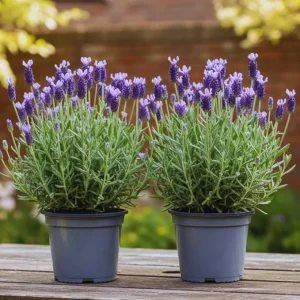
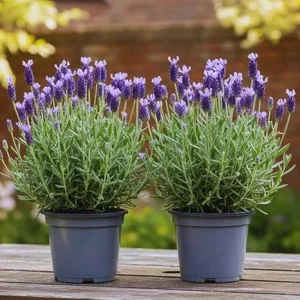
Flower Plants
French Lavender Live Plants – 2 Pack, 4-6 Inch Tall Perennial Flowers for Outdoor & Indoor
Sold 75 products
Original price was: $56.00.$28.00Current price is: $28.00.
Sold 65 products
Original price was: $99.96.$49.98Current price is: $49.98.

Sold 54 products
Original price was: $71.96.$35.98Current price is: $35.98.
Sold 81 products
Original price was: $77.08.$38.54Current price is: $38.54.
Sold 80 products
Original price was: $45.38.$22.69Current price is: $22.69.

Sold 66 products
Original price was: $100.00.$50.00Current price is: $50.00.
Sold 67 products
Original price was: $46.00.$36.80Current price is: $36.80.
Sold 70 products
Original price was: $340.00.$170.00Current price is: $170.00.



Reviews
There are no reviews yet.