
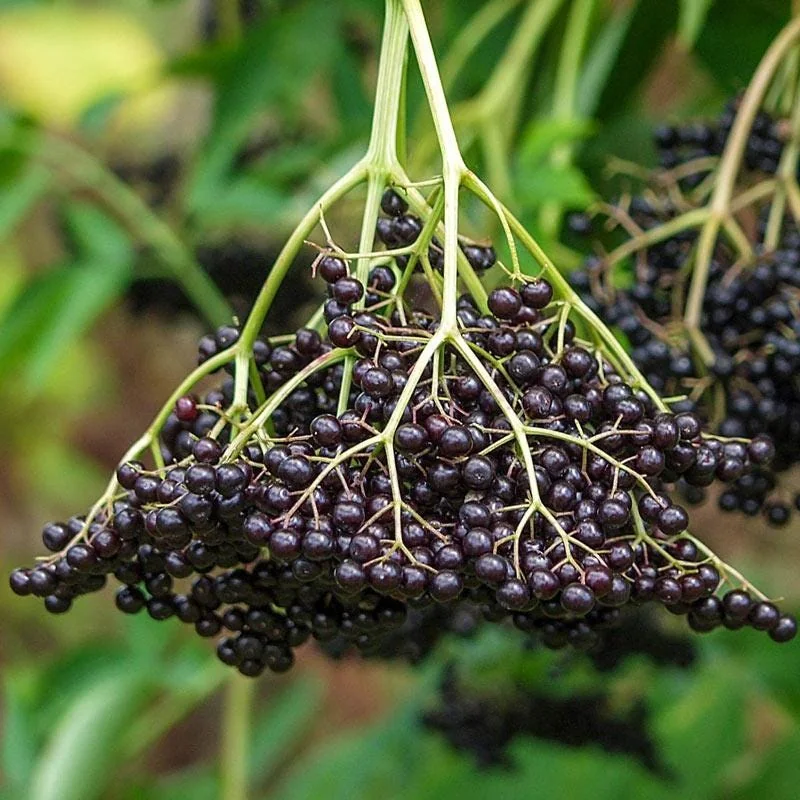
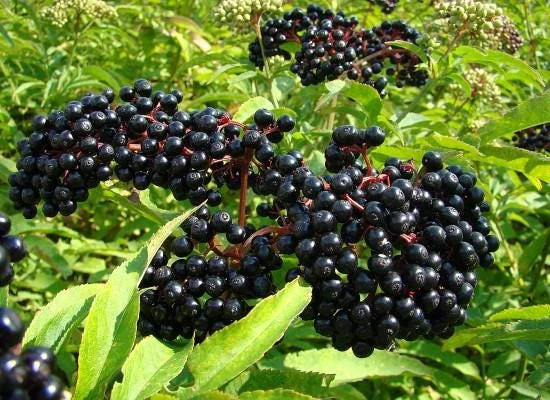

American Elderberry Live Plant – Sambucus Canadensis Shrub – 3.5” Pot, 6-12” Tall
From $59.80
Cultivate your own American Elderberry live plant (Sambucus canadensis), a versatile deciduous shrub arriving in a 3.5” pot and standing 6-12” tall. Perfect for attracting wildlife and producing edible berries for culinary delights. This Sambucus canadensis shrub is an excellent addition to any garden.
-
USDA Hardiness Zone
USDA Zones 3-9 -
Soil Type
Well-draining, fertile, slightly acidic to neutral soil -
Sunlight Exposure
Full sun to partial shade -
Expected Planting Period
Spring to early summer

You can track your order HERE
Mar 05
Mar 10 - Mar 12
Mar 15 - Mar 19
Shipping and return policies: Our Alive & Thrive Guarantee covers issues with your plants within the first 30 days. Reach out to us. Our team will answer your questions and help you find the plants that are truly suitable for your environment, climate, and personal preferences.

Overview
Bring the beauty and bounty of nature to your garden with an American Elderberry live plant. This remarkable deciduous shrub, scientifically known as Sambucus canadensis, is a fantastic choice for gardeners looking for a plant that offers both ornamental appeal and practical uses. Commonly referred to as American elderberry, this plant is known for its somewhat sprawling, suckering growth habit, making it an excellent choice for naturalized areas, hedges, or as a striking specimen plant. In late summer, the white, flat-topped flower clusters give way to abundant black elderberry fruits. These berries are not only attractive to local wildlife, providing a valuable food source, but they are also highly prized for their culinary versatility. Whether you’re interested in making delicious jams, jellies, pie fillings, or even homemade elderberry wine, this plant provides a generous harvest right from your backyard. Growing an American Elderberry live plant is a rewarding experience for any gardening enthusiast.
Key Benefits
The American Elderberry live plant offers a multitude of benefits, making it a valuable addition to diverse garden settings. Its ease of care and productive nature ensure satisfaction for both novice and experienced gardeners. Cultivating this plant allows you to enjoy fresh, organic produce and contribute to local ecosystems.
- Edible & Culinary Uses: The primary benefit of the American Elderberry live plant is its abundant production of flavorful black berries. These berries are perfect for creating homemade jams, jellies, syrups, and pie fillings. They can also be used to brew elderberry wine, offering a delightful and unique homemade beverage.
- Attracts Wildlife: The ripe elderberries are a significant food source for various birds and small mammals, making your garden a haven for local wildlife. Bees and other pollinators are also drawn to the fragrant flowers in spring and early summer.
- Ornamental Value: Beyond its practical uses, the Sambucus canadensis offers attractive foliage, beautiful white flower clusters in spring/early summer, and vibrant dark berries in late summer, adding visual interest to your landscape throughout the growing season.
- Adaptable & Hardy: This native North American shrub is remarkably resilient and adaptable to a range of soil types and environmental conditions, making it a low-maintenance choice for many regions. It thrives in various settings, from full sun to partial shade.
- Erosion Control: Due to its suckering habit and strong root system, the Sambucus canadensis shrub can be an effective plant for erosion control on slopes or along banks, helping to stabilize soil.
- Medicinal Properties: Historically, various parts of the elderberry plant, particularly the berries and flowers, have been used in traditional medicine for their purported health benefits, often brewed into teas or tinctures.
Plant Care & Growing Tips
Caring for your American Elderberry live plant is straightforward, ensuring a healthy and productive shrub for years to come. This robust plant is quite forgiving, making it suitable for gardeners of all skill levels. Proper siting and routine maintenance will maximize berry production and overall plant vigor.
Sunlight requirements: The American Elderberry thrives in full sun to partial shade. For the best berry production, aim for at least 6 hours of direct sunlight per day. While it can tolerate some shade, too little sun may result in fewer flowers and fruits. If planting indoors temporarily before transplanting, provide bright, indirect light near a south-facing window or under grow lights.
Watering schedule and soil moisture preferences: Elderberries prefer consistently moist, but not waterlogged, soil. Water regularly, especially during dry spells and in the first year after planting, to help establish a strong root system. Once established, they are moderately drought-tolerant but will produce more fruit with adequate moisture. Check the top inch of soil; if it feels dry, it’s time to water.
Soil type and drainage requirements: This plant is adaptable to a wide range of soil types but performs best in well-draining, fertile, slightly acidic to neutral soil (pH 5.5-7.0). Amending heavy clay soils with organic matter like compost can improve drainage and fertility. Ensure good drainage to prevent root rot.
Temperature range and USDA hardiness zone: The Sambucus canadensis shrub is incredibly hardy, typically thriving in USDA Zones 3-9. It can withstand cold winters and hot summers. In colder zones, ensure adequate mulching for winter protection. In hotter climates, partial afternoon shade can prevent stress.
Fertilization schedule and type: Elderberries are not heavy feeders. A balanced slow-release fertilizer in early spring, or a top-dressing of compost around the base of the plant, is usually sufficient. Avoid over-fertilizing, which can promote leafy growth at the expense of fruit production.
Common problems and solutions: Elderberries are generally pest and disease resistant. Watch for aphids or spider mites, which can be treated with insecticidal soap. Powdery mildew can occur in humid conditions; ensure good air circulation. Pruning annually to remove old or dead canes helps maintain plant health and encourages new, productive growth. Understanding elderberry plant care helps prevent issues.
Size & Details
Your American Elderberry live plant will arrive ready to thrive, carefully packaged in a 3.5-inch nursery pot. At the time of shipment, the plant height will typically range from 6 to 12 inches, providing a robust young specimen ready for planting. This young shrub boasts a moderate to fast growth rate, quickly establishing itself in your garden. Expected to reach a mature height of 5-12 feet and a similar spread, it forms a dense, multi-stemmed bush. The plant ships as a well-rooted live specimen, ensuring a strong start. While already starting to lose leaves as part of its natural deciduous cycle, this is normal and signals its readiness for dormancy and subsequent vigorous spring growth. With proper how to grow elderberry techniques, you can expect fruit production within 1-2 years after planting, with peak yields by the third or fourth year.
Frequently Asked Questions
- Q: How big does this American Elderberry live plant get? A: The American Elderberry live plant typically grows to a mature height and spread of 5-12 feet, forming a sizable, multi-stemmed shrub. Its ultimate size can be managed with annual pruning.
- Q: What size pot does it come in? A: Your elderberry plant will arrive potted in a 3.5-inch nursery pot, and the plant itself will be 6-12 inches in height, ready for transplanting into a larger container or directly into your garden.
- Q: Is this an indoor or outdoor plant? A: The American Elderberry live plant is primarily an outdoor shrub. It requires the natural seasonal changes and space to grow to its full potential. It can be started indoors in a sunny location before transplanting.
- Q: How much sunlight does it need? A: For optimal fruit production, American Elderberry prefers full sun, meaning at least 6 hours of direct sunlight per day. It can tolerate partial shade, but berry yields may be reduced.
- Q: Is this plant easy to care for? A: Yes, the Sambucus canadensis shrub is considered relatively easy to care for. It’s adaptable to various soil conditions and is quite hardy, making it a good choice for beginner gardeners. Basic watering and annual pruning are usually sufficient.
- Q: What condition will it arrive in? A: Your plant will arrive as a live, well-rooted specimen in a pot. It’s normal for deciduous plants like elderberry to start losing leaves as part of their natural cycle, particularly outside of peak growing season.
- Q: Can I use elderberry in cooking? A: Absolutely! The berries from the American Elderberry live plant are excellent for making jams, jellies, pies, and wine. Ensure berries are cooked before consumption, as raw berries can cause mild stomach upset.
- Q: How long until it produces fruit? A: Under good growing conditions, you can expect your American Elderberry live plant to begin producing fruit within 1-2 years after planting, with significant yields typically by the third or fourth year.
- Q: Will it survive winter in my zone? A: The Sambucus canadensis shrub is hardy in USDA Zones 3-9, meaning it is well-equipped to survive cold winters in a wide range of climates.
- Q: Is it good for beginners interested in how to grow elderberry? A: Yes, elderberry plants are an excellent choice for beginners due to their hardiness, adaptability, and relatively low maintenance requirements.
- Q: Why is elderberry for wildlife important? A: Elderberries provide a crucial food source for various bird species and small mammals, especially in late summer and fall, supporting local biodiversity and natural ecosystems.
| Elderberry | 1, 2, 3, 4 |
|---|
Be the first to review “American Elderberry Live Plant – Sambucus Canadensis Shrub – 3.5” Pot, 6-12” Tall”
People Also Viewed
Flower Plants
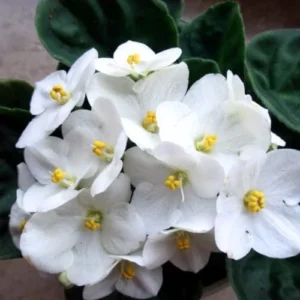
African Violet Live Plant – White Flower Houseplant – 4 Inch Pot – Ready to Grow Indoor
Sold 50 products
Original price was: $79.98.$39.99Current price is: $39.99.
Sold 68 products
Original price was: $21.56.$10.78Current price is: $10.78.
Sold 60 products
Original price was: $49.98.$39.98Current price is: $39.98.
Sold 64 products
Original price was: $48.00.$38.40Current price is: $38.40.
Sold 85 products
Original price was: $59.98.$29.99Current price is: $29.99.
Sold 69 products
Original price was: $37.98.$32.28Current price is: $32.28.

Sold 98 products
$34.00
Trees
Sold 99 products
Original price was: $27.96.$13.98Current price is: $13.98.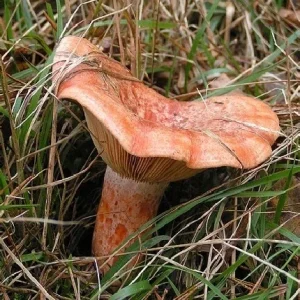
Seeds
Saffron Milk Cap Mycelium Spawn (Lactarius deliciosus) on Dry Seeds – Outdoor Mushroom Cultivation
Sold 78 products
Original price was: $36.00.$18.00Current price is: $18.00.

Trees
Sold 60 products
Original price was: $67.96.$33.98Current price is: $33.98.
Sold 90 products
Original price was: $75.98.$37.99Current price is: $37.99.
Sold 79 products
Original price was: $460.00.$169.99Current price is: $169.99.
Sold 68 products
Original price was: $283.96.$141.98Current price is: $141.98.
Sold 62 products
Original price was: $45.00.$38.24Current price is: $38.24.
Trees
Sold 100 products
Original price was: $91.96.$45.98Current price is: $45.98.
Sold 62 products
Original price was: $38.76.$19.38Current price is: $19.38.
Sold 96 products
Original price was: $39.99.$25.79Current price is: $25.79.
Sold 60 products
Original price was: $60.00.$48.00Current price is: $48.00.



Reviews
There are no reviews yet.