
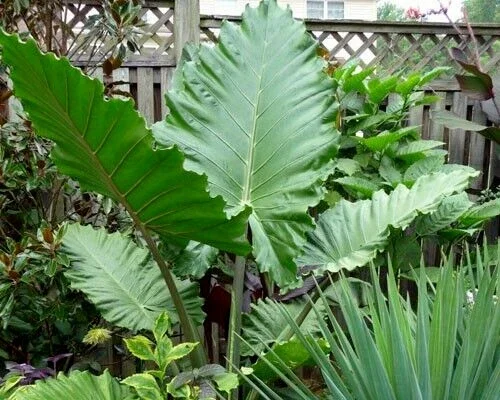
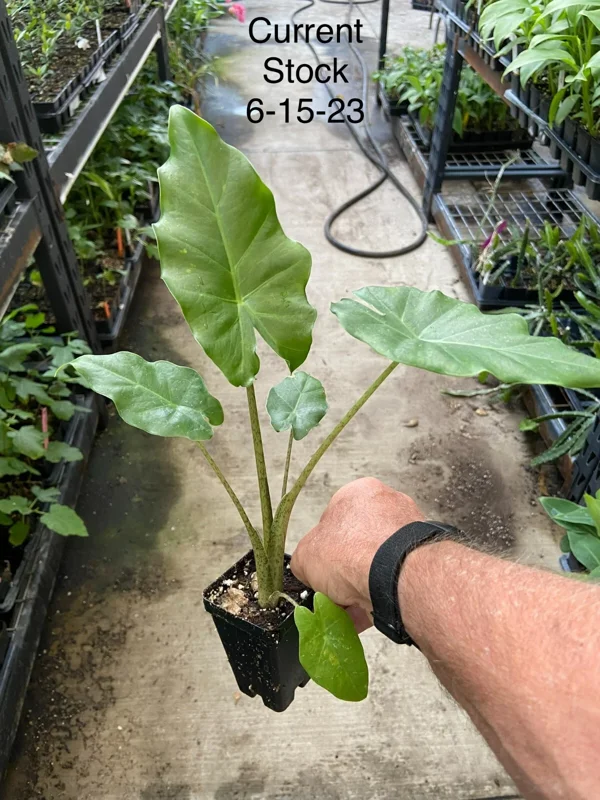
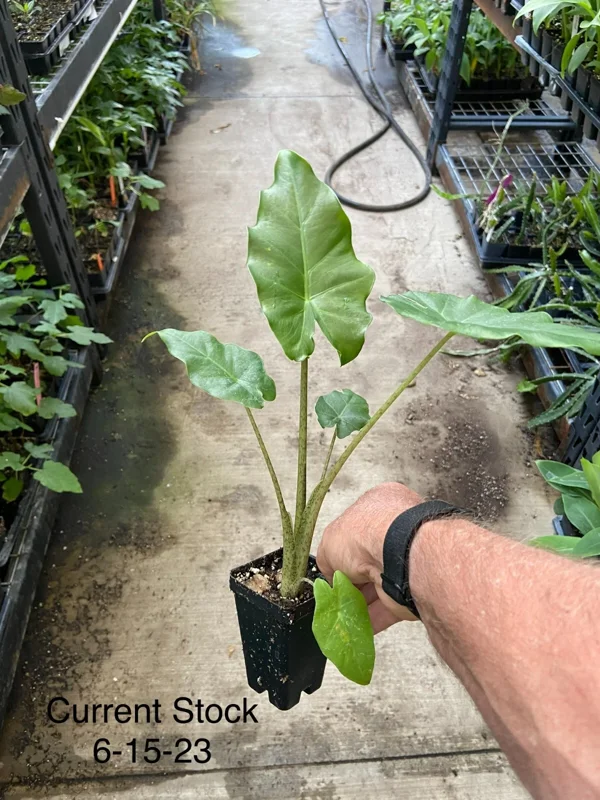
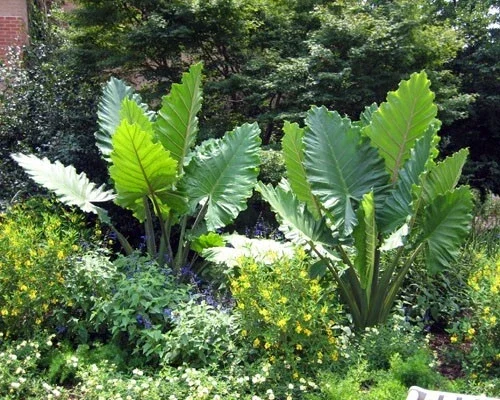
Alocasia ‘Portora’ Elephant Ear Live Plant – 12 inch – Indoor/Outdoor Tropical
Original price was: $43.96.$21.98Current price is: $21.98.
The Alocasia Portora live plant, also known as ‘Portora’ Elephant Ear, is a magnificent tropical perennial. It boasts colossal, dark green leaves that create an instant exotic statement, perfect for adding drama indoors or outdoors. This dramatic foliage plant is also a cold hardy Elephant Ear for zones 9-11.
-
USDA Hardiness Zone
USDA Zone 9-11 -
Soil Type
Rich, well-draining potting mix -
Sunlight Exposure
Full sun to partial shade (outdoors), bright indirect light (indoors) -
Expected Planting Period
Year-round indoors, spring to early summer outdoors

You can track your order HERE
Mar 21
Mar 26 - Mar 28
Mar 31 - Apr 04
Shipping and return policies: Our Alive & Thrive Guarantee covers issues with your plants within the first 30 days. Reach out to us. Our team will answer your questions and help you find the plants that are truly suitable for your environment, climate, and personal preferences.

Overview
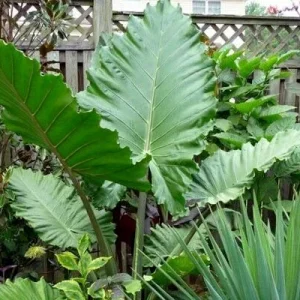
The Alocasia Portora live plant, commonly known as the ‘Portora’ Elephant Ear, is a truly magnificent tropical perennial prized for its colossal, dark green, deeply veined leaves that can grow impressively large. This particular hybrid, a cross between Alocasia odora and Alocasia gageana, boasts a robust and upright growth habit, making it a dramatic focal point in any landscape or interior design. Its striking foliage, resembling an elephant’s ear, adds an exotic and lush ambiance to its surroundings. This Alocasia Portora live plant is shipped as a rooted plant in a shipping pot, ready for you to transplant and nurture into a grand specimen, whether you’re aiming for a stunning indoor display or a vibrant outdoor feature. Its unique appearance makes it a standout choice for any plant enthusiast.
As a tropical Alocasia indoor plant, it brings a touch of the jungle into your home, while its adaptability allows it to thrive outdoors in warmer climates, transforming patios and gardens. The ‘Portora’ variant is especially noted for its vigorous growth and resilience, offering a relatively straightforward path to cultivating an impressive plant. With its bold architectural form, the Alocasia Portora live plant is more than just a decorative element; it’s a living sculpture that commands attention and elevates the aesthetic of its environment.
Key Benefits
The Alocasia Portora live plant offers a multitude of benefits that make it a highly sought-after addition to any plant collection. Its unique characteristics provide both aesthetic appeal and environmental advantages:
- Dramatic Foliage: Features exceptionally large, glossy, dark green leaves with prominent veins and wavy edges, creating an instant tropical statement. The striking appearance of this Alocasia Portora live plant makes it a garden or indoor showstopper, offering unparalleled dramatic foliage plant appeal.
- Versatile Placement: Suitable for both indoor container growing in bright, indirect light or outdoor placement in warmer climates, allowing for flexible landscaping and decorating options. This adaptability makes it an excellent choice for various settings.
- Cold Hardy: Unlike many tropical alocasias, ‘Portora’ exhibits a degree of cold hardiness, making it more resilient in cooler temperatures down to USDA Zone 9 (20 to 30 °F). This makes it a great cold hardy Elephant Ear option for a wider range of gardeners.
- Air Purification: Like many large-leafed plants, the Alocasia Portora live plant contributes to improved indoor air quality by absorbing common pollutants, making your living space healthier.
- Fast Growth Rate: With proper care, this plant grows quickly, rapidly developing its impressive leaf size and creating a lush, full appearance in a short amount of time, providing quick gratification for growers.
- Low Maintenance: Once established, the ‘Portora’ Elephant Ear requires relatively straightforward care, making it an excellent choice for both experienced and novice gardeners looking for an impactful plant without excessive demands.
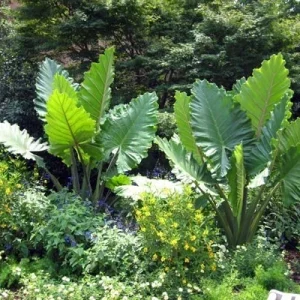
- Architectural Interest: Its upright growth habit and sculptural leaves provide significant architectural interest, enhancing the visual structure of gardens, patios, or interior spaces.
Plant Care & Growing Tips
Caring for your Alocasia Portora live plant involves understanding its tropical origins and providing an environment that mimics its natural habitat. This plant thrives in consistent conditions to achieve its full potential. For sunlight, the ‘Portora’ prefers full sun to partial shade outdoors. If grown indoors, provide bright, indirect light; direct harsh sun can scorch its impressive leaves. Aim for at least 4-6 hours of indirect sunlight daily to ensure vigorous growth. Proper light is crucial for maintaining the vibrant color and size of its distinctive leaves.
When it comes to watering, keep the soil consistently moist but never waterlogged. Allow the top inch or two of soil to dry out slightly between waterings, especially for tropical Alocasia indoor plants. Overwatering can lead to root rot, a common issue for many tropical plants, while underwatering can cause leaves to droop and yellow, indicating stress. The ideal soil type for your Alocasia Portora live plant is a rich, well-draining mix. A blend of peat, sand, and silt, or a high-quality potting mix amended with perlite or orchid bark, works well to ensure good drainage and aeration. This specific blend helps prevent waterlogging while providing essential nutrients.
The plant thrives in USDA Hardiness Zone 9 (20 to 30 °F) and above, making it a reliable cold hardy Elephant Ear. In colder zones, it can be grown as an annual or brought indoors for winter protection. Maintain a consistent temperature, ideally between 65-80°F (18-27°C), and aim for high humidity, especially indoors, which can be achieved through misting or a pebble tray. Fertilize every 2-4 weeks during the growing season (spring and summer) with a balanced liquid fertilizer, reducing frequency in fall and winter. Watch out for common pests like spider mites and mealybugs; address any infestations promptly with insecticidal soap. Following these guidelines will ensure optimal Elephant Ear plant care and a thriving specimen.
Size & Details
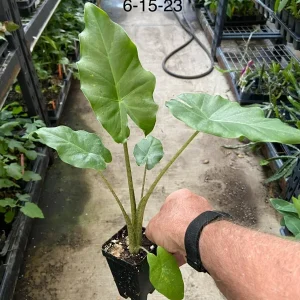
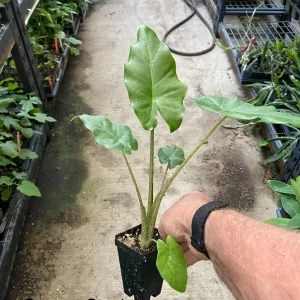
Your Alocasia Portora live plant will arrive as a rooted plant in a shipping pot, typically measuring about 12 inches in height. This particular variety is known for its fast growth rate and can reach impressive mature sizes of up to 5-8 feet tall and 3-5 feet wide when grown outdoors in ideal conditions. When grown as a tropical Alocasia indoor plant, its size will be more constrained by pot size, typically reaching 3-5 feet tall, making it manageable for interior spaces. The evergreen foliage provides year-round interest in suitable climates, offering continuous beauty. The plant is supplied with soil, ready for transplanting into its permanent location, whether that’s a larger container or a garden bed. Expect vigorous growth during the spring and summer months, with the plant quickly developing its characteristic large leaves and showcasing its stunning dramatic foliage plant attributes.
Frequently Asked Questions
- Q: How big does this plant get? A: The Alocasia Portora live plant can grow quite large. Outdoors, it can reach heights of 5-8 feet and widths of 3-5 feet. Indoors, its size is typically more moderate, usually 3-5 feet tall, depending on pot size and growing conditions.
- Q: What size pot does it come in? A: The plant is shipped as a rooted plant in a standard shipping pot, approximately 12 inches tall, ready for immediate transplanting into a larger container or garden bed.
- Q: Is this an indoor or outdoor plant? A: The Alocasia ‘Portora’ Elephant Ear plant is highly versatile. It can be grown both indoors as a stunning houseplant or outdoors in tropical and subtropical climates (USDA Zone 9 and above). It is a good cold hardy Elephant Ear for zones 9-11.
- Q: How much sunlight does it need? A: This alocasia prefers full sun to partial shade outdoors. If grown indoors, it requires bright, indirect light to prevent leaf scorching while still promoting vigorous growth.
- Q: Is this plant easy to care for? A: Yes, with consistent watering and appropriate light conditions, the ‘Portora’ Alocasia is considered to have medium watering needs and a fast growth rate, making its Elephant Ear plant care relatively straightforward for most gardeners.
- Q: What condition will it arrive in? A: Your Alocasia Portora live plant will arrive as a healthy, rooted plant in a shipping pot, carefully packaged to ensure its safe journey.
- Q: Is it shipped in soil? A: Yes, the plant is shipped as a rooted plant in its shipping pot with soil, ensuring it stays hydrated and healthy during transit.
- Q: When is the best time to plant? A: For outdoor planting, spring to early summer is ideal, allowing the plant to establish before cooler weather. Indoors, it can be planted year-round as a tropical Alocasia indoor specimen.
- Q: Will it survive winter in my zone? A: The ‘Portora’ Alocasia is a cold hardy Elephant Ear down to USDA Zone 9 (20 to 30 °F). In colder zones, it should be brought indoors or treated as an annual.
- Q: What’s the minimum temperature it can tolerate? A: It can tolerate temperatures down to 20-30°F (USDA Zone 9) for short periods. Prolonged exposure to freezing temperatures will damage or kill the plant.
Be the first to review “Alocasia ‘Portora’ Elephant Ear Live Plant – 12 inch – Indoor/Outdoor Tropical”
People Also Viewed
Sold 95 products
Original price was: $75.98.$37.99Current price is: $37.99.
Sold 80 products
Original price was: $38.92.$19.46Current price is: $19.46.

Sold 67 products
Original price was: $30.76.$15.38Current price is: $15.38.

Sold 54 products
Original price was: $15.88.$7.94Current price is: $7.94.
Sold 80 products
Original price was: $11.56.$5.78Current price is: $5.78.
Sold 86 products
Original price was: $31.98.$22.38Current price is: $22.38.
Sold 100 products
Original price was: $199.98.$79.99Current price is: $79.99.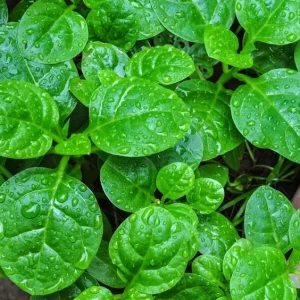
Vegetable Seeds
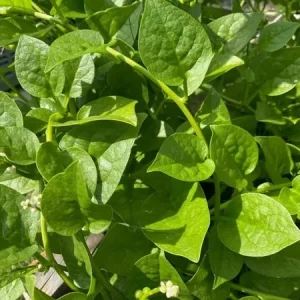
25+ Malabar Spinach Seeds – Mong Toi Ceylon Vine Spinach – GMO Free Perennial Vegetable Seeds
Sold 80 products
Original price was: $14.76.$7.38Current price is: $7.38.
Sold 52 products
From $13.98
Sold 77 products
From $160.99
Sold 79 products
Original price was: $77.98.$38.99Current price is: $38.99.
Sold 76 products
Original price was: $79.98.$39.99Current price is: $39.99.
Sold 92 products
Original price was: $45.98.$22.99Current price is: $22.99.
Sold 73 products
Original price was: $90.00.$72.00Current price is: $72.00.
Sold 55 products
Original price was: $28.76.$14.38Current price is: $14.38.

Sold 69 products
Original price was: $115.80.$57.90Current price is: $57.90.
Sold 91 products
From $43.80
Sold 100 products
Original price was: $79.90.$47.94Current price is: $47.94.



Reviews
There are no reviews yet.