


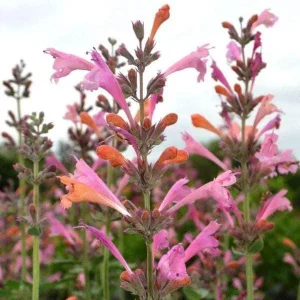
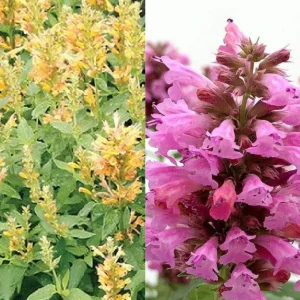
Agastache Hummingbird Mint Live Plant – Perennial Hyssop Starter
Original price was: $27.96.$13.98Current price is: $13.98.
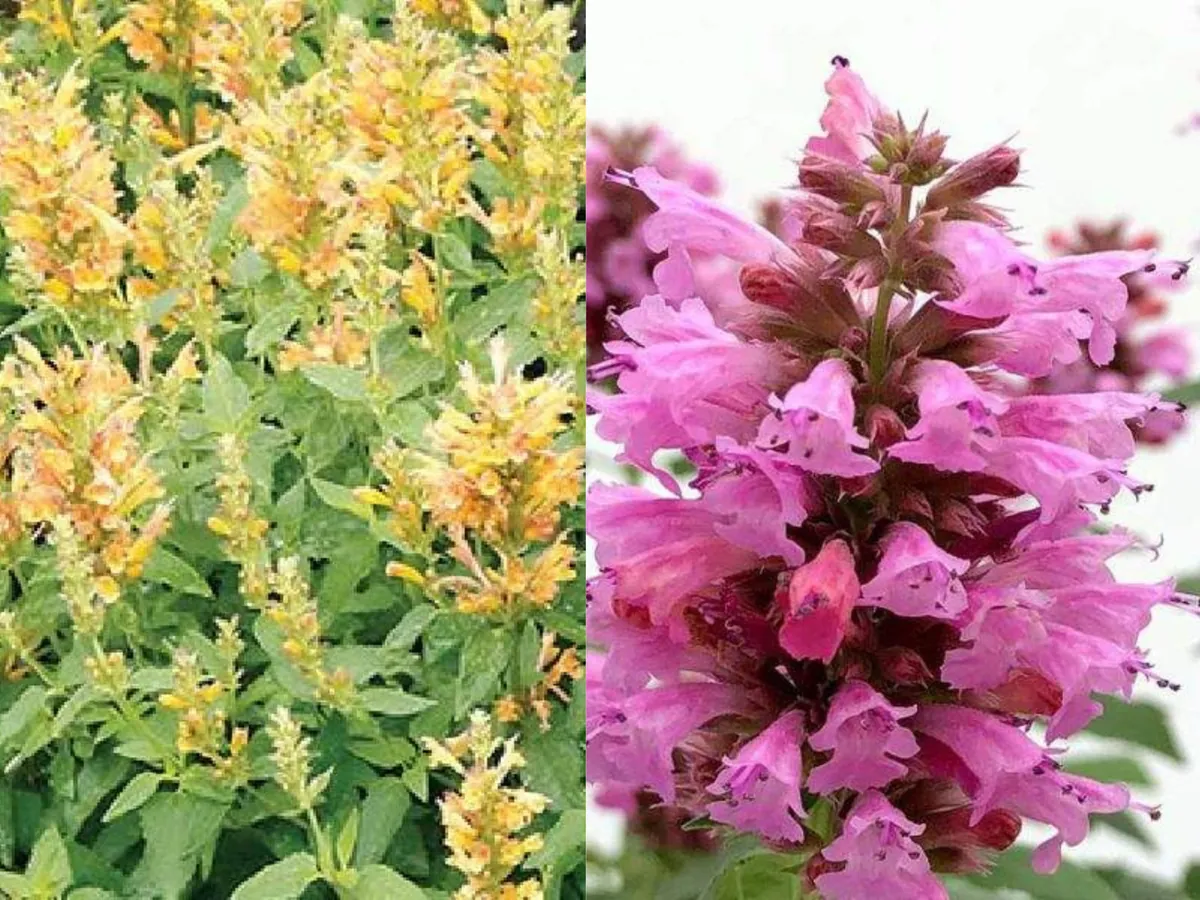
Enhance your garden with a beautiful agastache hummingbird mint live plant. These vibrant, fragrant perennials attract bees, butterflies, and hummingbirds, offering long-lasting color and delightful aroma. Perfect for borders, containers, and pollinator gardens.
-
USDA Hardiness Zone
USDA Zones 5-10 -
Soil Type
Well-draining soil, sandy loam -
Sunlight Exposure
Full sun -
Expected Planting Period
Spring to early summer

You can track your order HERE
Mar 02
Mar 07 - Mar 09
Mar 12 - Mar 16
Shipping and return policies: Our Alive & Thrive Guarantee covers issues with your plants within the first 30 days. Reach out to us. Our team will answer your questions and help you find the plants that are truly suitable for your environment, climate, and personal preferences.

Overview
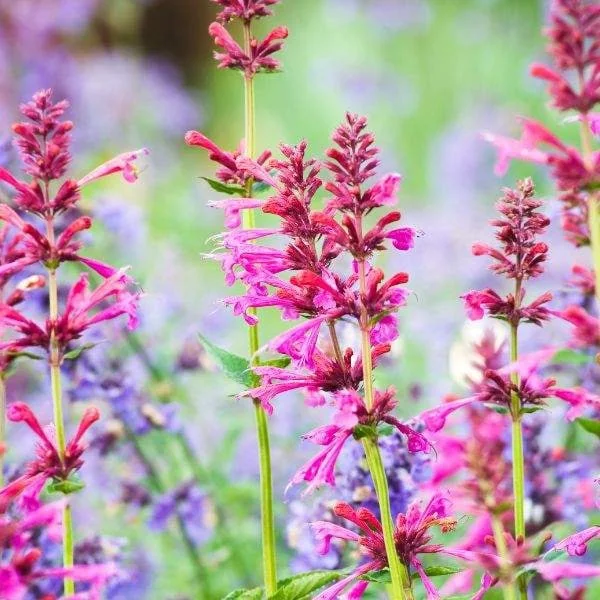
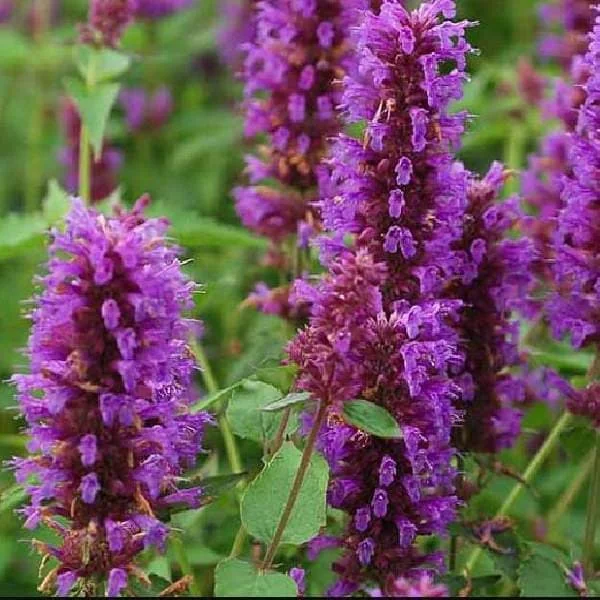
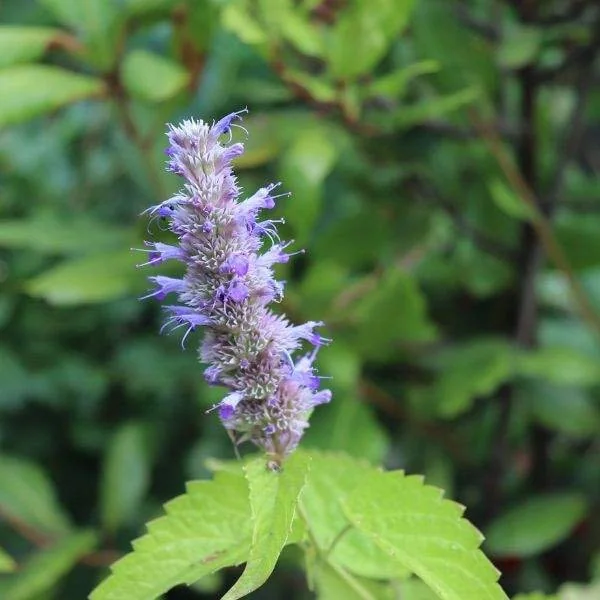
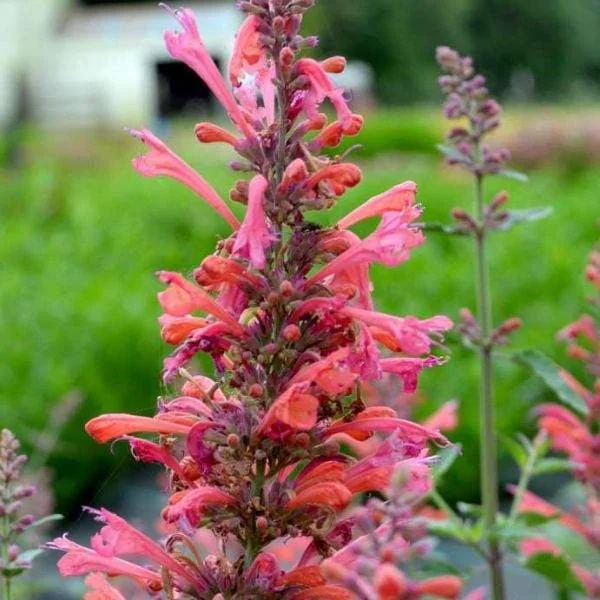
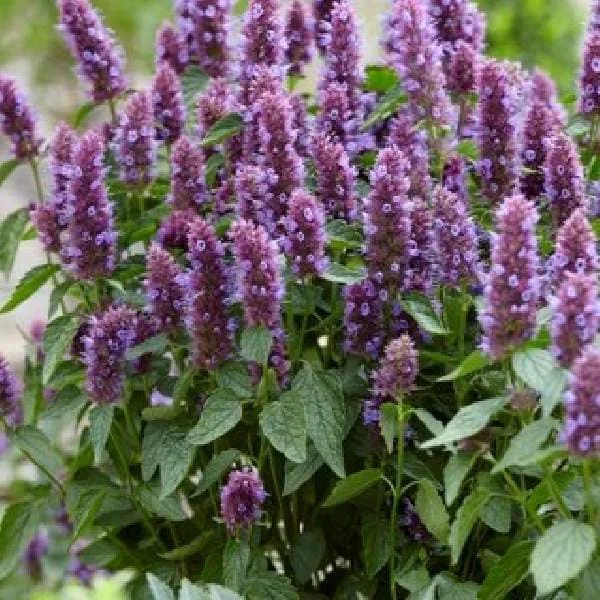
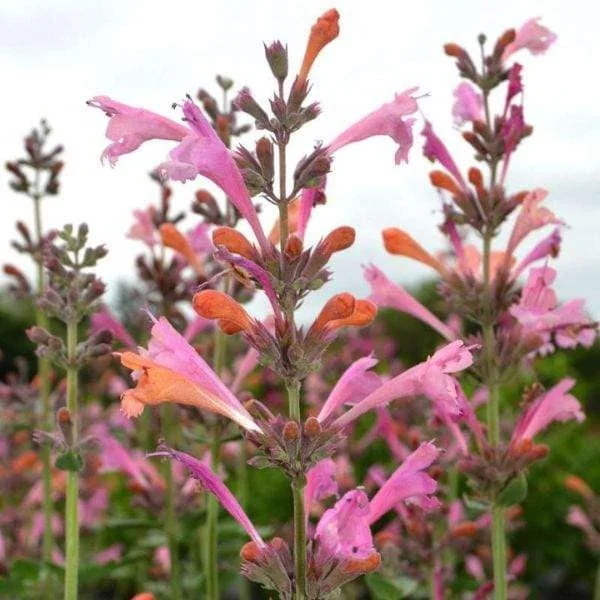
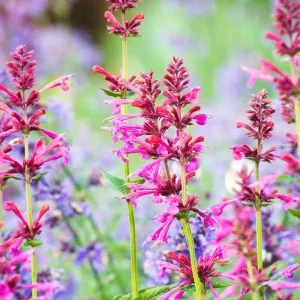
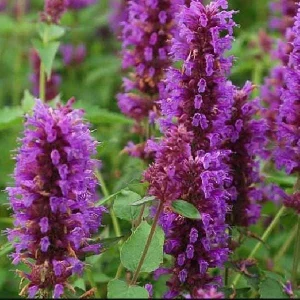
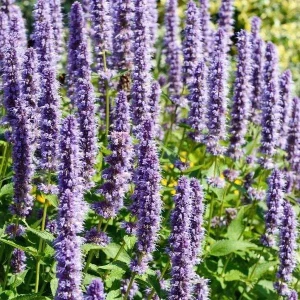
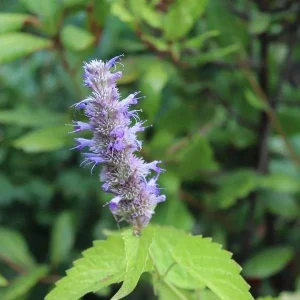
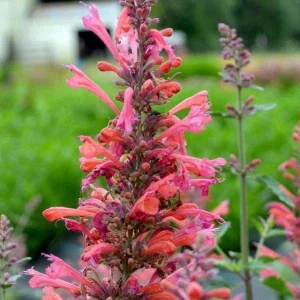
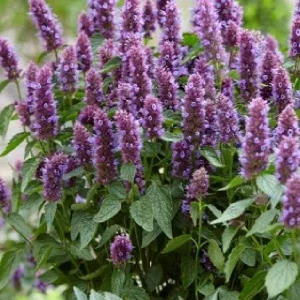
Welcome to the captivating world of the agastache hummingbird mint live plant, a stunning addition to any garden. Also known by charming common names such as Hyssop, Anise Hyssop, Licorice Mint, Giant Hyssop, and Hummingbird Mint, this aromatic flowering herbaceous perennial is a true garden gem. Agastache belongs to the Lamiaceae family and features tubular flowers in a wide array of colors, from soft whites to rich purples and vibrant reds. Originating mainly from North America and parts of Eastern Asia, this plant is renowned for its low-maintenance nature, making it an excellent choice for both novice and experienced gardeners. Its fragrant foliage can be used for teas, potpourris, or various culinary applications, adding another layer of appeal. Each live plant is carefully nurtured to ensure a healthy start in your garden, ready to thrive and bring joy.
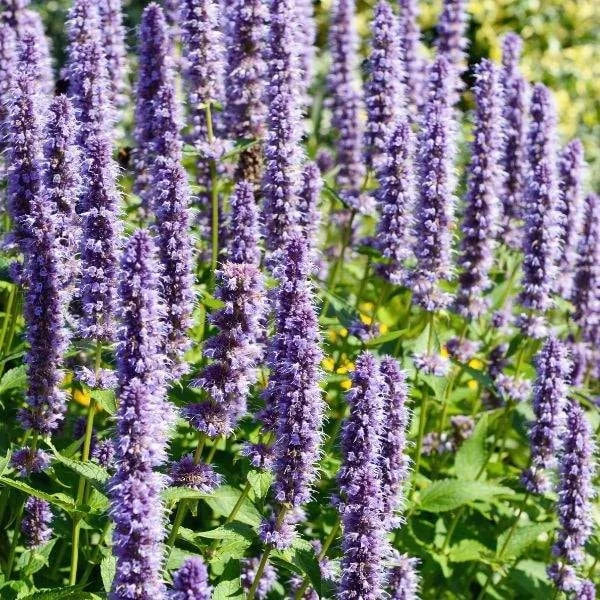
The beauty of an agastache hummingbird mint live plant lies not only in its visual appeal but also in its ecological benefits. These plants are a magnet for pollinators, including bees, butterflies, and, as the name suggests, hummingbirds, transforming your garden into a lively sanctuary. With a variety of cultivars available, each offering unique characteristics in terms of flower color, plant size, and fragrance, you can select the perfect Agastache to complement your landscape design. Whether you’re aiming for a compact container display or a sprawling border, this versatile perennial delivers consistent performance and charm.
Key Benefits
Choosing an agastache hummingbird mint live plant for your garden brings a multitude of advantages, enhancing both its aesthetic appeal and ecological value. This resilient perennial offers continuous beauty and a host of practical benefits:
- Attracts Pollinators: Agastache is a beacon for beneficial insects and birds. Its nectar-rich flowers are irresistible to bees, butterflies, and hummingbirds, significantly boosting biodiversity in your garden and supporting local ecosystems.
- Fragrant Foliage and Flowers: Enjoy the delightful, minty fragrance emitted by both the leaves and flowers. This aromatic quality makes Agastache a wonderful plant for sensory gardens and can even be used in potpourris or as a culinary herb.
- Long-Lasting Blooms: Agastache varieties boast an extended blooming season, often from late spring through fall. This ensures a consistent display of color and a continuous food source for pollinators over several months.
- Low Maintenance: Known for being exceptionally easy to care for, the agastache hummingbird mint live plant thrives with minimal intervention. It is generally drought-tolerant once established and requires little deadheading, making it ideal for busy gardeners.
- Deer Resistant: The aromatic foliage of Agastache tends to deter deer, providing a natural defense against common garden pests without the need for harsh chemicals or fencing.
- Versatile Landscape Use: Whether you’re planting in containers, borders, rock gardens, or mass plantings, Agastache adapts beautifully. Its upright habit and varied sizes make it suitable for many garden designs.
- Culinary and Medicinal Uses: The leaves and flowers of many Agastache varieties can be used to make flavorful teas, adding a unique, minty, or licorice-like taste. Some varieties are also known for traditional medicinal applications.
Plant Care & Growing Tips
Caring for your agastache hummingbird mint live plant is straightforward, making it a rewarding choice for gardeners of all skill levels. To ensure your Agastache thrives, pay attention to its basic needs for sunlight, water, and soil. These plants generally prefer a sunny location, receiving at least 6 hours of direct sunlight per day. Full sun exposure promotes the most abundant flowering and robust growth. While they can tolerate some partial shade, too much shade can lead to leggy growth and fewer blooms.
When it comes to watering, Agastache prefers well-draining soil and is quite drought-tolerant once established. Water regularly after planting to help the root system develop. Once mature, allow the soil to dry out between waterings. Overwatering can lead to root rot, so good drainage is crucial. A light, sandy loam or gravelly soil is ideal. Amend heavy clay soils with organic matter and grit to improve drainage. For optimal growth, the soil pH should be neutral to slightly alkaline. These perennials are hardy across a wide range of climates, typically thriving in USDA zones 5-10, though specific hardiness can vary by cultivar. Protecting them with a layer of mulch in colder zones can help ensure their return each spring. Fertilization is generally not heavily required; a light application of a balanced slow-release fertilizer in early spring is usually sufficient.
To encourage continuous blooming and maintain a tidy appearance, you can deadhead spent flowers, though many varieties are self-cleaning. Pruning back the plant in early spring, before new growth emerges, can help promote a bushier habit. Watch out for common pests like aphids, but Agastache is generally quite resistant to most diseases and pests, especially varieties bred for mildew resistance. By following these care tips, your hyssop perennial care will be minimal, allowing you to enjoy a vibrant, healthy plant that continues to attract pollinators year after year. Understanding how to grow agastache plants successfully involves providing the right environment from the start, ensuring they establish well and flourish.
Size & Details
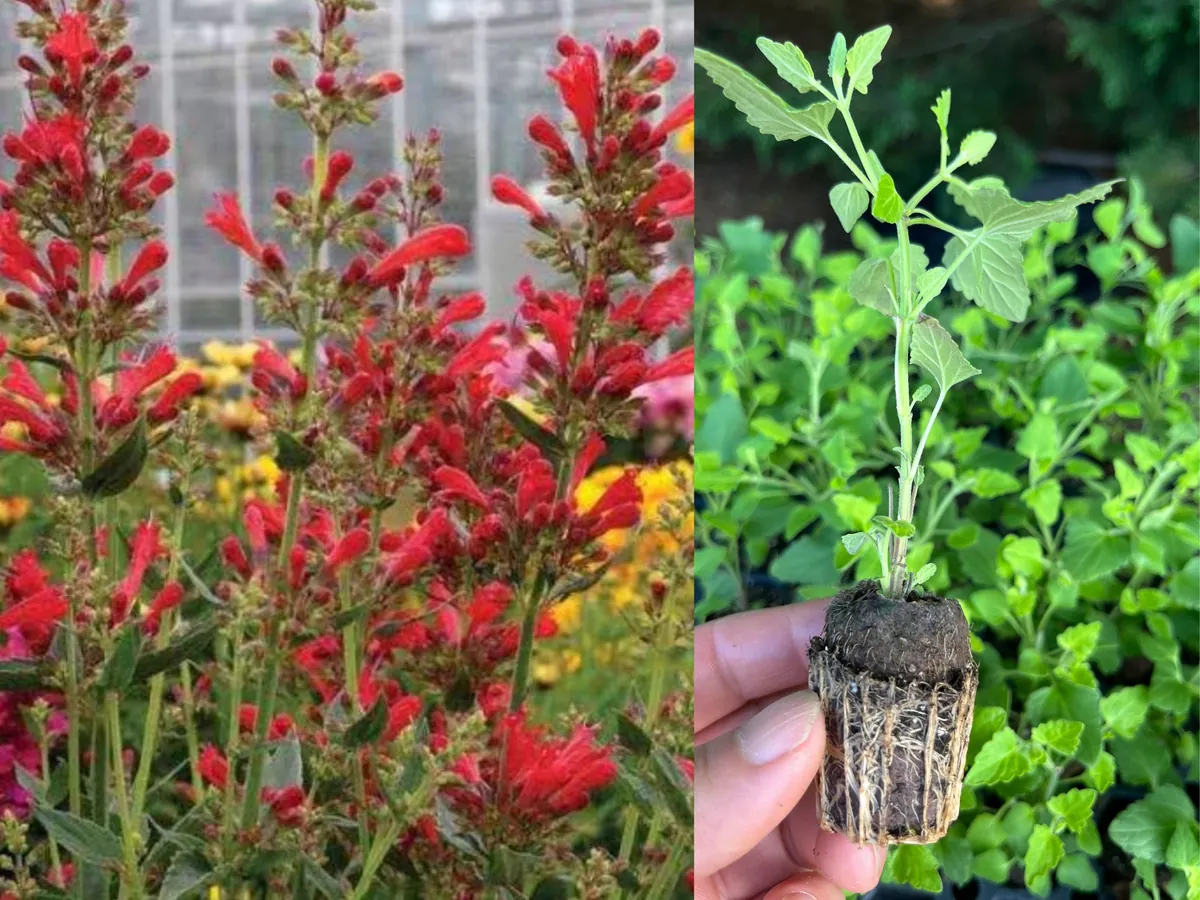
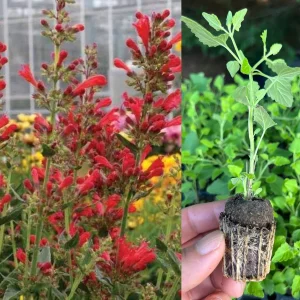
Each agastache hummingbird mint live plant is a healthy starter plant, typically arriving in a small plug-size container, approximately 1″ x 1″ x 1 1/4″. These young plants are carefully packaged to ensure they arrive in excellent condition, ready for transplanting into your garden or larger pots. Agastache varieties exhibit a range of mature sizes, generally reaching heights between 12 to 36 inches and spreads of 12 to 24 inches, depending on the specific cultivar. For instance, compact varieties like ‘Poquito Lavender’ grow to about 12-15 inches tall, while ‘Blue Boa’ can reach 24-36 inches. They establish quickly and typically begin flowering in their first year, providing a striking pop of color and fragrance from late spring through fall.
The growth rate of Agastache is moderate to fast, allowing them to fill out quickly in the landscape. These plants are shipped as live, actively growing seedlings, ensuring a strong start for your garden. Expect continuous bloom from May or June through September, depending on the variety and local climate. Whether you’re looking for a plant to fill a container, line a border, or create a vibrant pollinator garden, the versatility and robust nature of these plants make them an excellent choice. When you buy hummingbird mint, you’re investing in a plant that offers both beauty and ecological benefits.
Frequently Asked Questions
- Q: How big does this plant get? A: The mature size of an agastache hummingbird mint live plant varies by variety. Most Agastache grow between 12 to 36 inches tall and 12 to 24 inches wide, with some compact cultivars staying smaller.
- Q: What size pot does it come in? A: Each starter plant typically arrives in a small plug-size container, measuring approximately 1″ X 1″ X 1 1/4”. This size is ideal for safe shipping and easy transplanting.
- Q: Is this an indoor or outdoor plant? A: Agastache is primarily an outdoor perennial, thriving in garden beds, borders, and containers. It requires full sun to perform its best, making it unsuitable for most indoor environments unless you have a very bright, sunny location.
- Q: How much sunlight does it need? A: For optimal growth and flowering, an agastache hummingbird mint live plant needs at least 6 hours of direct sunlight per day. It can tolerate some partial shade, especially in hotter climates, but full sun is preferred.
- Q: Is this plant easy to care for? A: Yes, Agastache is known for being a low-maintenance plant. It’s drought-tolerant once established and generally resistant to pests and diseases, making hyssop perennial care quite simple.
- Q: Can I use the leaves for tea? A: Absolutely! Many varieties of Agastache, also known as Licorice Mint or Anise Hyssop, have fragrant foliage that can be used to make delicious, aromatic teas.
- Q: When is the best time to plant Agastache? A: The best time to plant your agastache hummingbird mint live plant is in spring after the last frost, or in early fall in warmer climates. This allows the plant to establish its root system before extreme temperatures.
- Q: Will it attract hummingbirds? A: Yes, Agastache is famously known as Hummingbird Mint because its tubular flowers are a favorite nectar source for hummingbirds, as well as bees and butterflies.
- Q: What USDA hardiness zones is Agastache suitable for? A: Most Agastache varieties are hardy in USDA Zones 5-10, though this can vary slightly by specific cultivar. Always check the specific variety for precise hardiness information.
- Q: Is Agastache deer resistant? A: Yes, the aromatic foliage of growing agastache plants typically deters deer, making it a good choice for gardens where deer are a concern.
| Varieties | Agastache Blue Boa, Agastache Kudos Red, Agastache Morello, Beelicious Pink, Beelicious Purple, Blue Fortune/Silverb, Kudos Ambrosia, Kudos Coral, Kudos Mandarin, Kudos Red 2" Pot, Poquito Butteryellow, Poquito Lavender, Rugosa Crazy Fortune |
|---|
Be the first to review “Agastache Hummingbird Mint Live Plant – Perennial Hyssop Starter”
People Also Viewed
Sold 63 products
Original price was: $119.80.$59.90Current price is: $59.90.
Sold 53 products
Original price was: $49.98.$24.99Current price is: $24.99.
Sold 63 products
Original price was: $39.96.$19.98Current price is: $19.98.
Sold 65 products
Original price was: $51.98.$25.99Current price is: $25.99.
Sold 73 products
Original price was: $99.96.$49.98Current price is: $49.98.
Sold 62 products
Original price was: $24.35.$7.74Current price is: $7.74.

Sold 94 products
From $71.80
Sold 52 products
From $4.26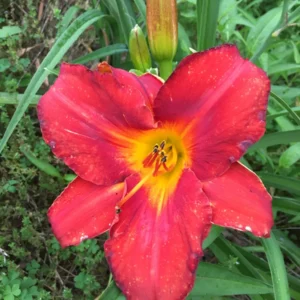
Flower Plants
Pardon Me Daylily Bare Root Plant – Fragrant Red Reblooming Hemerocallis, 1-2 Fans, Outdoor
Sold 97 products
From $119.80
Sold 54 products
Original price was: $50.36.$25.18Current price is: $25.18.

Sold 64 products
From $19.98
Sold 86 products
From $17.60
Sold 59 products
Original price was: $23.96.$11.98Current price is: $11.98.
Sold 86 products
Original price was: $18.76.$9.38Current price is: $9.38.
Sold 53 products
Original price was: $59.98.$29.99Current price is: $29.99.
Sold 82 products
Original price was: $38.36.$19.18Current price is: $19.18.
Sold 65 products
From $19.79
Sold 73 products
Original price was: $289.96.$144.98Current price is: $144.98.



Reviews
There are no reviews yet.