
African Violet Blue Live Plant – 4 Inch Nursery Pot – Indoor Houseplant – 3-5 Inch Tall
Original price was: $44.99.$24.99Current price is: $24.99.
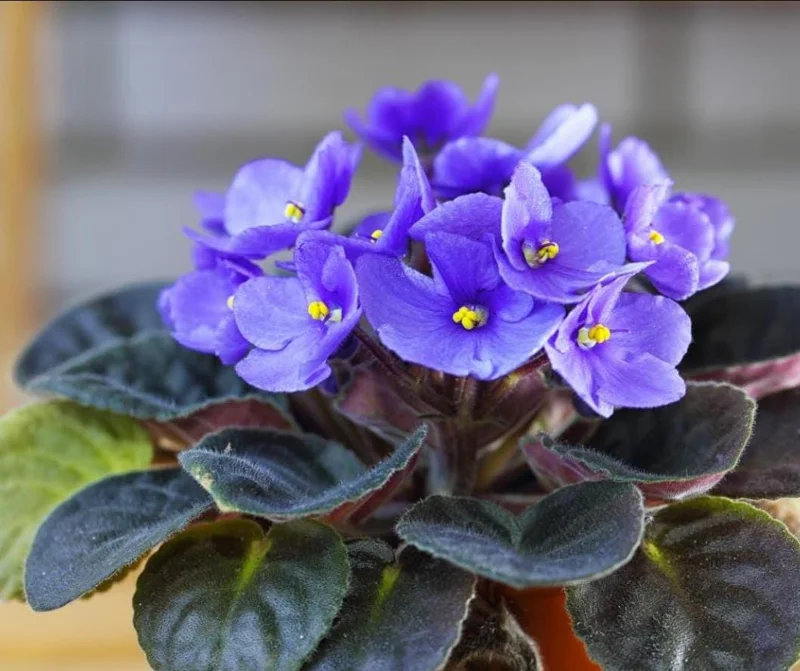
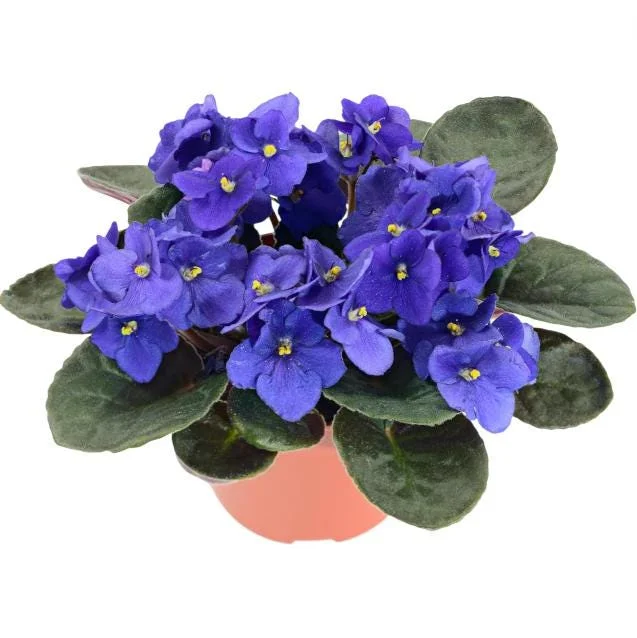
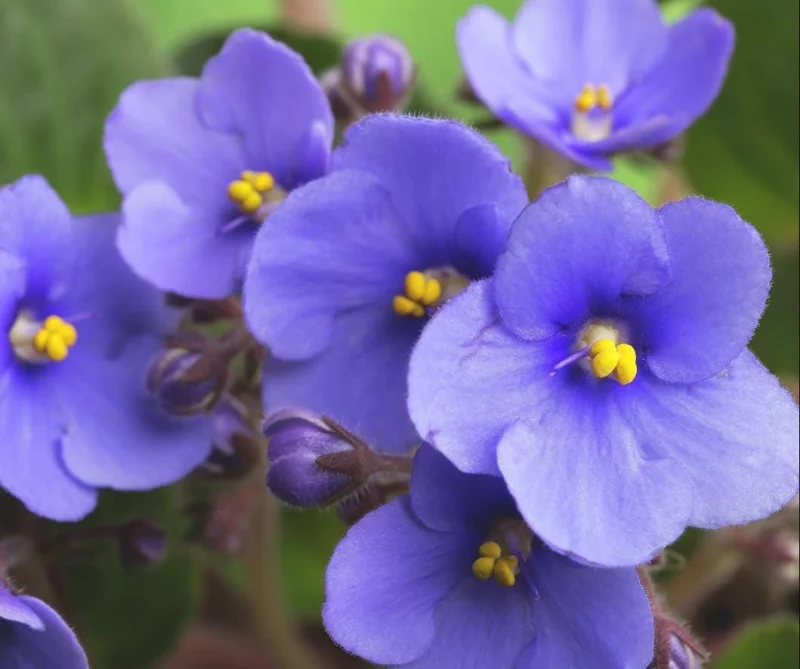
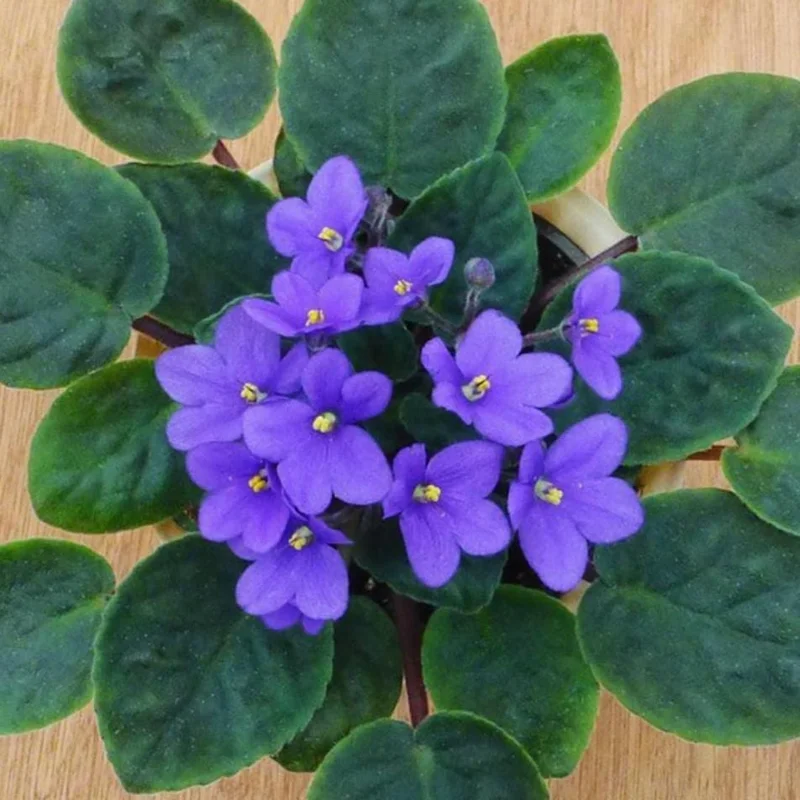
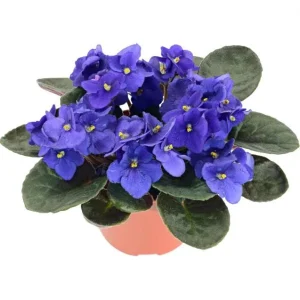
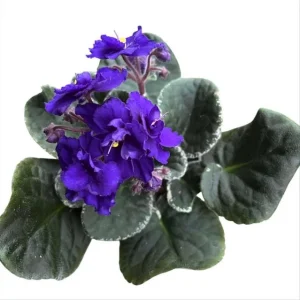
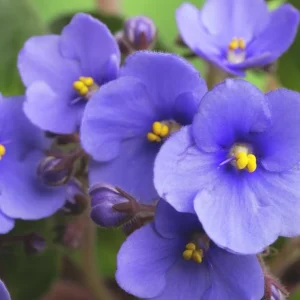
Bring elegance into your home with a beautiful African Violet Blue live plant. This charming houseplant features striking blue flowers and lush foliage, arriving in a 4-inch nursery pot. Perfect for brightening any indoor space, it’s known for its relatively easy care and continuous blooming potential.
-
USDA Hardiness Zone
Indoor plant (not applicable for USDA zones) -
Soil Type
Well-draining, airy potting mix (African Violet specific) -
Sunlight Exposure
Bright indirect light -
Expected Planting Period
Year-round indoors

You can track your order HERE
Mar 24
Mar 29 - Mar 31
Apr 03 - Apr 07
Shipping and return policies: Our Alive & Thrive Guarantee covers issues with your plants within the first 30 days. Reach out to us. Our team will answer your questions and help you find the plants that are truly suitable for your environment, climate, and personal preferences.

Overview
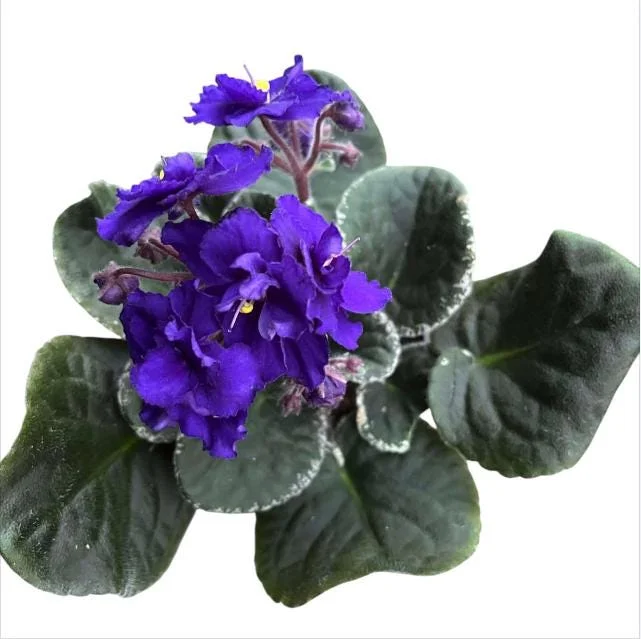
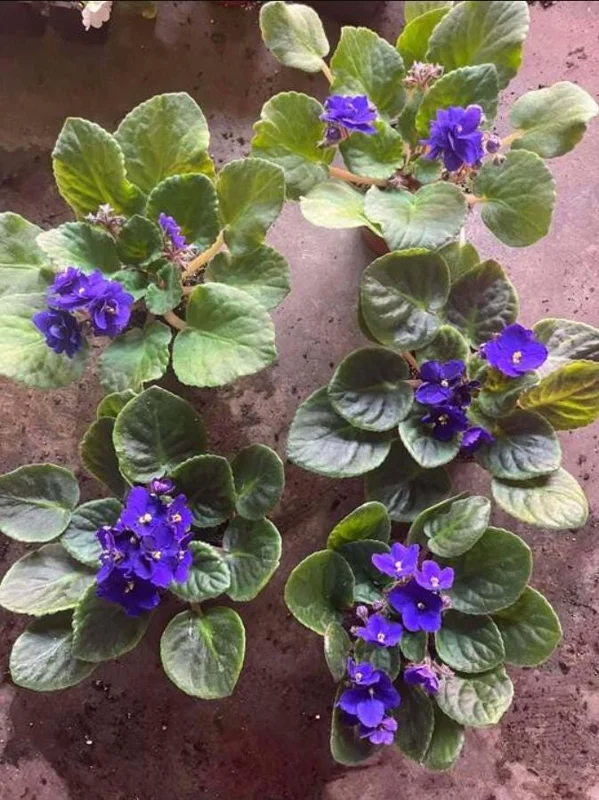
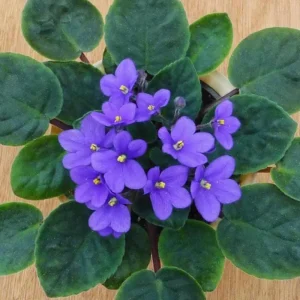
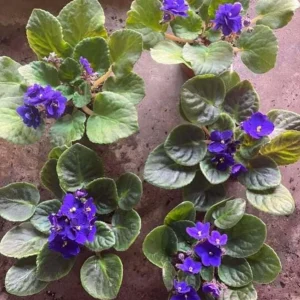
Introduce a touch of vibrant color and natural beauty to your living space with the exquisite African Violet Blue live plant. This beloved houseplant, scientifically known as Saintpaulia ionantha, is cherished for its stunning, velvety blue blooms and compact, rosette-forming foliage. Originating from the tropical regions of East Africa, the African Violet has become a staple for indoor gardening enthusiasts due to its relatively easy care and ability to flower almost year-round under optimal conditions. Our live starter plant comes well-rooted in a 4-inch nursery pot, ready to thrive in your home. While the photos showcase mature plants in full bloom, your plant will arrive as a healthy young starter, eager to display its first beautiful blue flowers with proper care. This particular variety offers a calming blue hue that complements any decor, making it a perfect addition to windowsills, desks, or shelves. Enjoy the satisfaction of nurturing this delightful plant and watching it flourish.
The African Violet Blue live plant is an ideal choice for both novice and experienced plant parents. Its manageable size and captivating aesthetic make it a versatile option for various indoor settings. These plants are known for their resilience and can provide continuous enjoyment with minimal effort. Bring home this charming blue blooming violet and experience the joy of indoor gardening.
Key Benefits
The African Violet Blue live plant offers numerous advantages that make it a highly desirable addition to any indoor plant collection. Its combination of beauty and manageable care contributes to a rewarding plant ownership experience.
- Stunning Blue Blooms: Enjoy the visual delight of vibrant, velvety blue flowers that can bloom almost continuously throughout the year, adding a constant pop of color to your home. The sight of a healthy blue blooming violet is truly captivating.
- Compact & Space-Saving: With its modest size and upright growth habit, this plant is perfect for small spaces, windowsills, desks, or shelves, making it an excellent choice for apartments or offices.
- Air Purifying Qualities: Like many houseplants, African Violets contribute to a healthier indoor environment by helping to filter out common airborne toxins, improving air quality in your home.
- Relatively Easy Care: Known for being forgiving, African Violets are a great option for beginners. With consistent watering and appropriate light, they thrive with minimal fuss, making indoor violet plant care straightforward.
- Long Blooming Period: Unlike many flowering plants, African Violets can produce blooms for extended periods, providing consistent beauty and enjoyment for months on end.
- Enhances Home Decor: The elegant appearance and beautiful blue flowers of this plant naturally enhance any interior design, adding a touch of sophistication and warmth to your living space.
- Therapeutic Hobby: Engaging in the care of an African Violet Blue live plant can be a relaxing and rewarding hobby, offering a sense of accomplishment as you watch your plant grow and bloom.
Plant Care & Growing Tips
Proper care is essential for your African Violet Blue live plant to thrive and produce its signature vibrant blooms. These plants prefer consistency and a gentle touch, especially with watering. When considering how to grow African violet indoors, understanding its specific needs for light, water, and soil is crucial.
Light: African Violets prefer bright, indirect light. An east-facing window is often ideal, providing morning sun without the harsh intensity of direct afternoon light. Too much direct sun can scorch their delicate leaves, while too little light will result in sparse blooming. If natural light is insufficient, they can also thrive under fluorescent or LED grow lights for 12-14 hours a day. Rotate your plant periodically to ensure even growth and flowering.
Watering: The key to successful indoor violet plant care lies in consistent moisture without overwatering. Keep the soil consistently moist but never soggy. Water when the top inch of soil feels dry to the touch. It’s best to water from the bottom by placing the pot in a saucer of water for 20-30 minutes, allowing the plant to soak up what it needs. Avoid getting water on the leaves, especially if the water is cold, as this can cause unsightly spots. Use room-temperature water for best results.
Soil & Fertilization: African Violets require a well-draining, airy potting mix specifically formulated for them. A mix containing peat moss, vermiculite, and perlite provides the ideal balance of moisture retention and drainage. Fertilize every 2-4 weeks during the growing season (spring and summer) with a balanced liquid fertilizer diluted to half strength. Look for fertilizers specifically designed for African Violets. Slightly acidic to neutral pH is best for optimal nutrient uptake. Adding a small amount of compost can also provide healthy growth.
Temperature & Humidity: These plants thrive in cool to mild temperatures, ideally between 65-75°F (18-24°C). Avoid sudden temperature fluctuations and cold drafts. African Violets appreciate high humidity, around 40-60%. You can increase humidity by placing the pot on a pebble tray filled with water (ensuring the pot doesn’t sit directly in the water) or by using a room humidifier. While they can tolerate light frost, extreme heat will cause them to struggle.
Size & Details
Your African Violet Blue live plant will arrive as a healthy starter, typically measuring 3 to 5 inches tall from the base of the plant to the top of the foliage. It is well-rooted and established in a 4-inch nursery pot, providing a stable environment for its initial growth. While images may show mature, blooming specimens, your plant is a young starter and may not have flowers upon arrival; however, with proper care, it will soon begin to produce its beautiful blue blooms. African Violets are known for their compact growth habit, generally reaching a mature size of 6-8 inches in diameter. They have a moderate growth rate, and with good conditions, you can expect flowering within a few weeks to months of receiving your plant. This size is perfect for immediate display on a desk, shelf, or as part of a larger plant collection. The plant is shipped in its nursery pot with soil to minimize transplant shock and ensure it arrives in the best possible condition, ready for you to continue to grow African violet indoors.
Frequently Asked Questions
- Q: How big will my African Violet Blue live plant get? A: Your plant will arrive as a 3 to 5-inch tall starter in a 4-inch pot. African Violets typically grow to a mature size of 6-8 inches in diameter, making them perfect for compact spaces.
- Q: Is this an indoor or outdoor plant? A: The African Violet Blue live plant is primarily an indoor houseplant. While it can tolerate some outdoor conditions in very mild climates, it thrives best indoors where temperatures and humidity can be controlled.
- Q: How much sunlight does my African Violet need? A: African Violets prefer bright, indirect light. An east-facing window is ideal, or they can do well under grow lights. Avoid direct, harsh sunlight which can scorch their leaves.
- Q: Is this plant easy to care for? A: Yes, African Violets are considered relatively easy to care for, making them suitable for beginners. Consistent watering and appropriate light are the main requirements for a thriving blue blooming violet.
- Q: What condition will my African Violet arrive in? A: Your African Violet Blue live plant will arrive as a healthy, well-rooted starter plant in its 4-inch nursery pot. While it may not be in bloom upon arrival, it will be ready to grow and flower with proper care.
- Q: How long until my plant blooms? A: With optimal care, your young African Violet can begin to produce its first blue blooms within a few weeks to a couple of months after arrival. They are known for their continuous blooming potential.
- Q: What kind of soil is best for African Violets? A: African Violets require a well-draining, airy potting mix, typically one specifically formulated for them. This usually includes ingredients like peat moss, vermiculite, and perlite.
- Q: Can I get water on the leaves of my African Violet? A: It’s best to avoid getting water on the leaves of your African Violet, especially cold water, as this can cause unsightly spots or fungal issues. Water from the bottom or carefully at the soil level.
- Q: Is this plant pet-safe? A: African Violets are generally considered non-toxic to cats and dogs, making them a safer choice for pet owners looking to grow African violet indoors.
- Q: What is the ideal temperature range for this plant? A: African Violets thrive in consistent temperatures between 65-75°F (18-24°C). Protect them from cold drafts and extreme heat.
Be the first to review “African Violet Blue Live Plant – 4 Inch Nursery Pot – Indoor Houseplant – 3-5 Inch Tall”
People Also Viewed

Flowers
Set of 2 Spanish Eyes Lavender Live Plants – 4-6″ Tall – Fragrant Perennial Flowers – Indoor/Outdoor
Sold 54 products
Original price was: $36.38.$18.19Current price is: $18.19.
Sold 65 products
Original price was: $30.78.$15.39Current price is: $15.39.
Sold 98 products
Original price was: $20.00.$10.00Current price is: $10.00.
Sold 65 products
Original price was: $39.96.$19.98Current price is: $19.98.
Flower Plants
Sold 86 products
Original price was: $27.98.$13.99Current price is: $13.99.
Sold 99 products
From $55.80
Sold 74 products
Original price was: $27.98.$13.99Current price is: $13.99.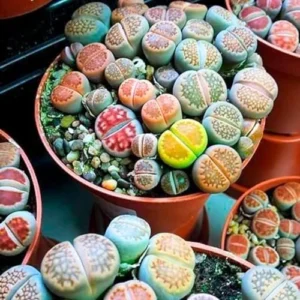
HousePlants
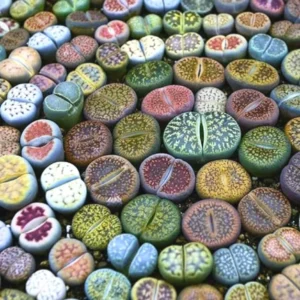
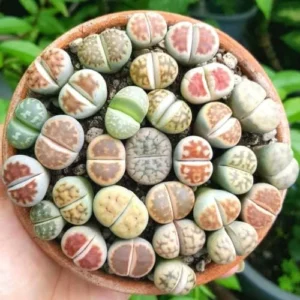
Lithops Live Plants Mix – 30 Colorful Succulents – Living Stones for Indoor/Outdoor Planting
Sold 97 products
Original price was: $65.98.$32.99Current price is: $32.99.
Sold 100 products
Original price was: $44.00.$35.20Current price is: $35.20.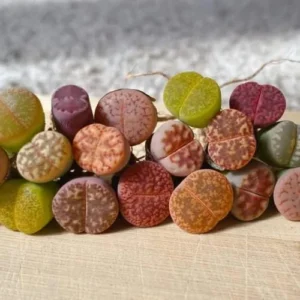
Sold 93 products
Original price was: $39.98.$19.99Current price is: $19.99.
Sold 98 products
Original price was: $89.98.$44.99Current price is: $44.99.
Sold 95 products
Original price was: $59.70.$29.85Current price is: $29.85.
Sold 59 products
Original price was: $73.90.$44.34Current price is: $44.34.
Sold 51 products
Original price was: $32.18.$16.09Current price is: $16.09.
Sold 63 products
Original price was: $283.96.$141.98Current price is: $141.98.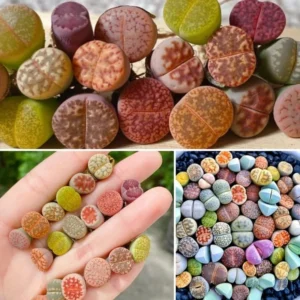
HousePlants
Lithops Live Plants Mix – 10 Large Colorful Living Stones Succulents for Indoor/Outdoor Growing
Sold 93 products
Original price was: $27.98.$13.99Current price is: $13.99.
Sold 69 products
Original price was: $83.80.$41.90Current price is: $41.90.
Sold 60 products
Original price was: $100.00.$80.00Current price is: $80.00.


Reviews
There are no reviews yet.