
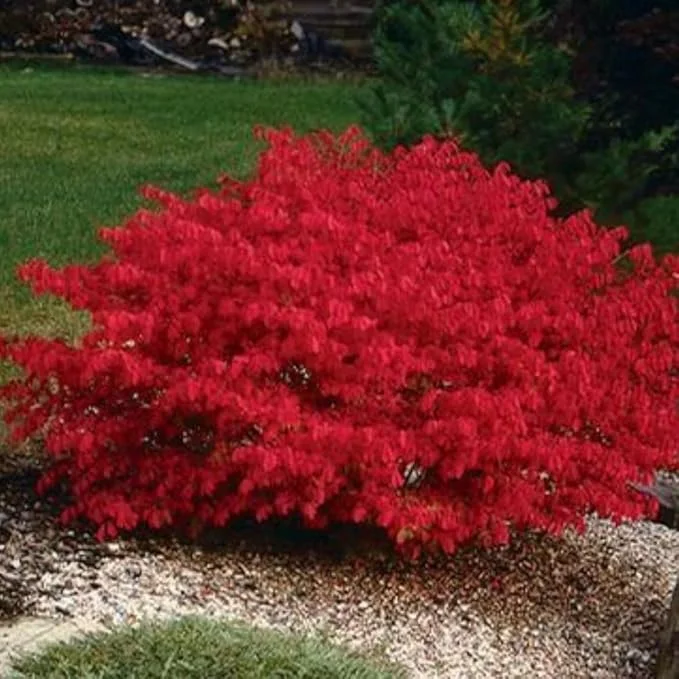
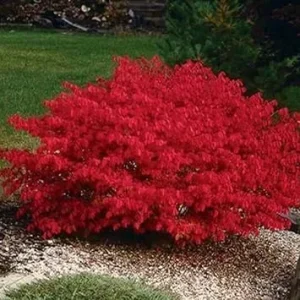
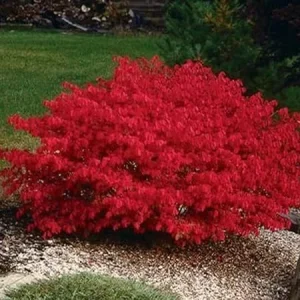
5 Red Burning Bush Live Plants 4-10 Inches Tall – Dwarf Shrub for Outdoor Perennial
Original price was: $43.98.$21.99Current price is: $21.99.
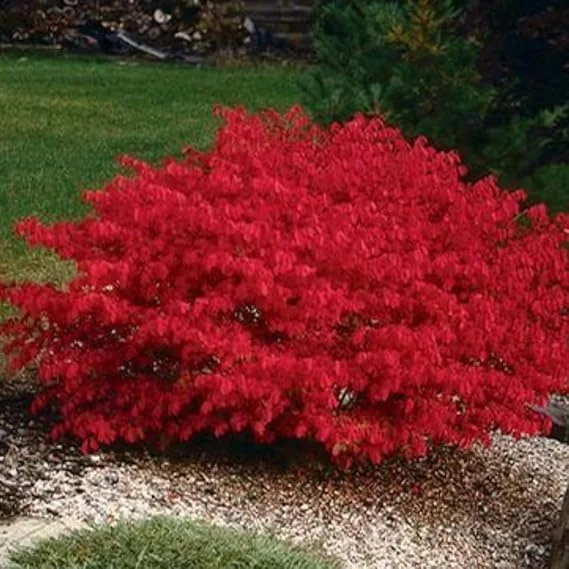
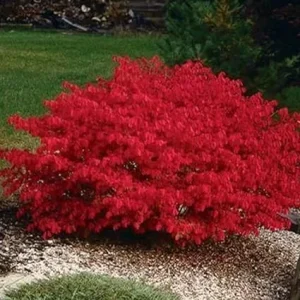
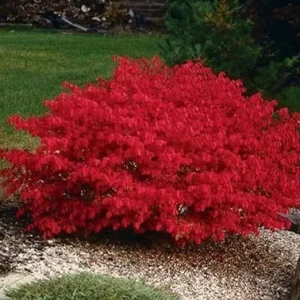
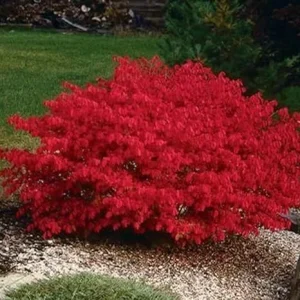
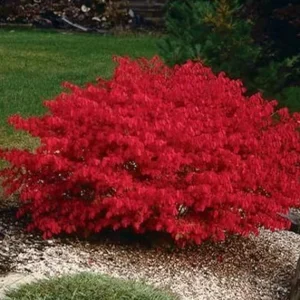
Introduce vibrant fall color to your garden with this bundle of red burning bush live plant. You will receive 5 hardy bare root cuttings, each measuring 4 to 10 inches tall. Ideal as a dwarf burning bush shrub, these plants are perfect for hedges or accent planting, thriving in full sun and offering stunning seasonal appeal.
-
USDA Hardiness Zone
USDA zones 4-8 -
Soil Type
Well-draining soil -
Sunlight Exposure
Full Sun -
Expected Planting Period
Early spring or late fall

You can track your order HERE
Feb 10
Feb 15 - Feb 17
Feb 20 - Feb 24
Shipping and return policies: Our Alive & Thrive Guarantee covers issues with your plants within the first 30 days. Reach out to us. Our team will answer your questions and help you find the plants that are truly suitable for your environment, climate, and personal preferences.

Overview
Transform your outdoor space with the spectacular autumn foliage of the red burning bush live plant. This offering includes 5 individual bare root cuttings, each measuring between 4 to 10 inches in height, ready for immediate planting. Known for its intense crimson-red leaves in the fall, the burning bush, scientifically known as Euonymus alatus, is a popular choice for gardeners seeking dramatic seasonal interest. Specifically, the compact variety, sometimes referred to as dwarf burning bush shrub, is ideal for smaller gardens, borders, or as a striking focal point in larger landscapes. These hardy perennial shrubs are easy to establish and provide reliable beauty year after year, making them a fantastic addition to almost any garden design. Their dense growth habit also makes them excellent for creating natural screens or hedges.
The vibrant color of these plants makes them stand out, especially when autumn arrives. Beyond their visual appeal, these shrubs are robust and adaptable, capable of thriving in a variety of soil conditions and sun exposures. Whether you’re an experienced gardener or just starting, planting a red burning bush live plant is a rewarding experience that promises a dazzling display of color. Consider these for adding structure and a splash of color to your perennial beds or for creating a resilient, low-maintenance hedge that truly captivates attention.
Key Benefits
Adding the red burning bush live plant to your garden offers numerous advantages, from aesthetic appeal to ease of care:
- Spectacular Fall Color: The primary draw of the burning bush is its unparalleled, fiery red autumn foliage, creating a breathtaking display that will be the envy of your neighborhood. This intense coloration lasts for several weeks, providing prolonged visual interest.
- Compact & Manageable Growth: As a dwarf burning bush shrub, it maintains a smaller, more controlled size compared to its larger counterparts, making it suitable for a wider range of garden spaces, including urban gardens and along property lines where space is limited.
- Versatile Landscaping Use: Perfect for creating stunning hedges, borders, foundation plantings, or as an eye-catching specimen plant. Its dense branching also provides excellent shelter for small birds. Consider a burning bush for landscaping to add structure and vibrant color.
- Hardy & Resilient: These bare root plants are incredibly tough and adaptable, tolerating a range of soil types and environmental conditions. Once established, they are resistant to many common pests and diseases, requiring minimal intervention.
- Easy to Grow: Shipped as bare roots, these plants are designed for easy establishment. They are known for their strong rooting systems and quick recovery after planting, making them a great choice for both novice and experienced gardeners.
- Year-Round Interest: While famous for its fall color, the burning bush also offers attractive green foliage in spring and summer, along with unique corky wings on its stems that provide winter interest, even after the leaves have dropped.
- Enhances Curb Appeal: The dramatic visual impact of the red burning bush significantly boosts the aesthetic value of your property, creating an inviting and well-maintained appearance.
Plant Care & Growing Tips
Caring for your red burning bush live plant is straightforward, ensuring a vibrant and healthy addition to your landscape. These plants thrive in full sun, which means they prefer at least 6 hours of direct sunlight per day. While they can tolerate partial shade, their signature intense red fall color is most pronounced when they receive ample sunlight. When planting your hardy bare root plants, ensure the location provides good drainage. Burning bushes are adaptable to various soil types, including sandy, loamy, or clay soils, but they perform best in well-draining soil with a neutral to slightly acidic pH.
Upon arrival, soak the bare roots in water for a few hours before planting. Dig a hole twice as wide as the root spread and deep enough so that the crown of the plant (where the roots meet the stem) is level with the ground. Backfill with soil, gently firming it around the roots to remove air pockets, and water thoroughly. Regular watering is crucial during the first growing season to help establish a strong root system. Once established, the burning bush is relatively drought-tolerant but will benefit from occasional watering during prolonged dry spells. Fertilize in early spring with a balanced slow-release granular fertilizer to encourage healthy growth and vibrant foliage. Pruning can be done in late winter or early spring to shape the plant, remove dead or damaged branches, or control its size. The euonymus alatus compactus is known for its resilience and can withstand moderate pruning.
Size & Details
This offering includes 5 individual red burning bush live plant bare root cuttings, each ranging from 4 to 10 inches in height upon arrival. These bare root plants are a cost-effective and efficient way to establish a hedge or create multiple focal points in your garden. The dwarf burning bush shrub variety typically matures to a height and width of 4 to 8 feet, making it a versatile choice for various landscape designs. Its growth rate is moderate, allowing it to establish quickly while remaining manageable in size. These shrubs are shipped as dormant bare roots, meaning they will not have leaves upon arrival, which is normal and helps them transplant successfully. Expect to see new growth emerge in the spring after planting. The unique corky wings on the stems are a distinguishing feature, offering visual interest even in winter. These plants are ideal for creating a dense, colorful hedge or as individual specimen plants that provide year-round appeal, culminating in their magnificent red fall display.
Frequently Asked Questions
- Q: How big does this red burning bush live plant get? A: The dwarf burning bush shrub generally matures to a height and width of 4 to 8 feet. Its compact nature makes it suitable for various garden sizes and uses.
- Q: Is this an indoor or outdoor plant? A: This is an outdoor perennial shrub, specifically a hardy bare root plant. It is not suitable for indoor cultivation and requires outdoor conditions to thrive.
- Q: How much sunlight does it need? A: For the best fall color and robust growth, the burning bush requires full sun, meaning at least 6 hours of direct sunlight per day. It can tolerate partial shade, but the autumn foliage may not be as vibrant.
- Q: Is this plant easy to care for? A: Yes, the red burning bush live plant is considered low-maintenance. Once established, it is quite hardy and adaptable, making it a good choice for both beginner and experienced gardeners.
- Q: What condition will it arrive in? A: You will receive 5 bare root cuttings, 4 to 10 inches tall. Bare roots are dormant plants without soil or leaves, which is the optimal condition for transplanting and ensures successful establishment.
- Q: When is the best time to plant these bare roots? A: The best time to plant bare root burning bushes is in early spring or late fall when the plant is dormant. This allows the roots to establish before the stress of summer heat or winter cold.
- Q: Will it survive winter in my zone? A: The burning bush is known for its hardiness. It is generally hardy in USDA Zones 4-8, making it suitable for a wide range of climates across the United States.
- Q: Can I use this burning bush for landscaping a hedge? A: Absolutely! The dwarf burning bush shrub is an excellent choice for creating a vibrant and dense hedge. Its compact size and stunning fall color make it a popular option for borders and property lines.
- Q: What type of soil does the euonymus alatus compactus prefer? A: While adaptable, the euonymus alatus compactus prefers well-draining soil. It can thrive in sandy, loamy, or clay soils, but good drainage is key to preventing root rot.
- Q: How long does it take for the red burning bush live plant to show color? A: The intense red fall color typically develops as temperatures drop in autumn. The vibrancy can vary slightly based on sunlight exposure and climate conditions.
Be the first to review “5 Red Burning Bush Live Plants 4-10 Inches Tall – Dwarf Shrub for Outdoor Perennial”
People Also Viewed
Sold 76 products
Original price was: $14.76.$7.38Current price is: $7.38.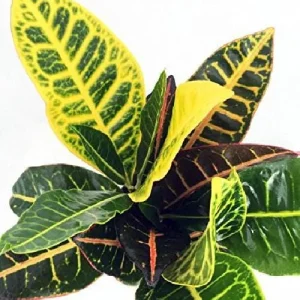
Sold 67 products
Original price was: $35.16.$17.58Current price is: $17.58.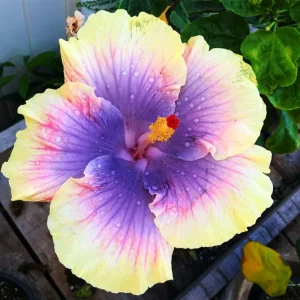
Sold 51 products
Original price was: $18.76.$9.38Current price is: $9.38.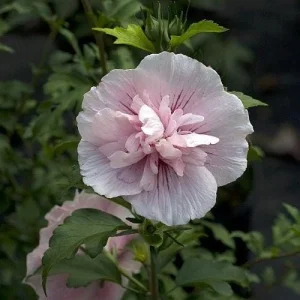
Sold 89 products
Original price was: $54.36.$27.18Current price is: $27.18.
Sold 80 products
Original price was: $170.00.$127.50Current price is: $127.50.
Flower Plants
Sold 92 products
From $13.98
Sold 93 products
Original price was: $30.76.$15.38Current price is: $15.38.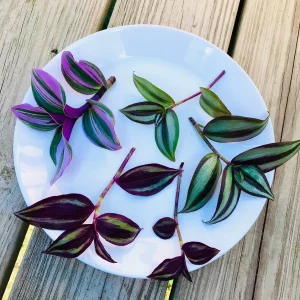
HousePlants
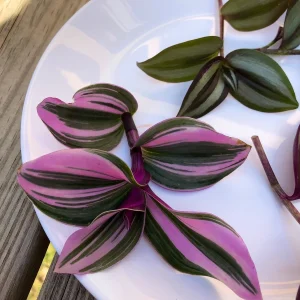
Tradescantia Nanouk & Wandering Jew Cuttings – 5 Live Cuttings Pack – Easy Care Indoor Vines
Sold 60 products
Original price was: $47.80.$23.90Current price is: $23.90.
Sold 88 products
From $63.80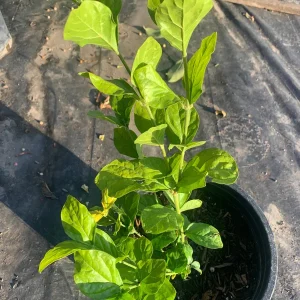
Flower Plants
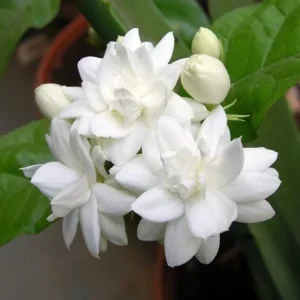
Sambac Jasmine Double Flower Live Plant – Fragrant Potted Plant – 1-2 ft Tall in 1 Gallon Pot
Sold 74 products
Original price was: $175.96.$87.98Current price is: $87.98.
Sold 56 products
Original price was: $39.98.$19.99Current price is: $19.99.
Sold 84 products
Original price was: $49.98.$24.99Current price is: $24.99.
Sold 89 products
From $19.99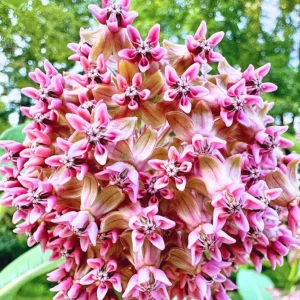
Flower Plants
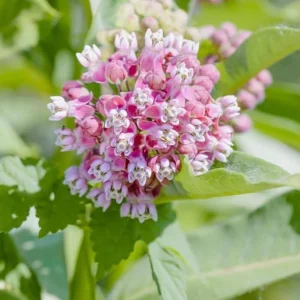
Set of 2 Broadleaf Milkweed Live Plants – 3-6″ Tall Asclepias perennis for Butterflies
Sold 94 products
Original price was: $95.16.$47.58Current price is: $47.58.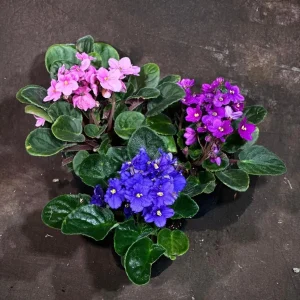
Flower Plants
Set of 3 African Violet Live Plants in 4″ Grow Pots – Blue, Purple, Pink Indoor Flowering Plants
Sold 89 products
Original price was: $116.00.$58.00Current price is: $58.00.
Sold 95 products
Original price was: $39.98.$19.99Current price is: $19.99.

Sold 86 products
Original price was: $47.96.$23.98Current price is: $23.98.
Sold 52 products
Original price was: $79.98.$39.99Current price is: $39.99.



Reviews
There are no reviews yet.