
4 Hanging Lobster Claw Heliconia Rostrata Rhizomes – Tropical Plant, 6-8 Inches Long, Bare Root
Original price was: $95.98.$47.99Current price is: $47.99.
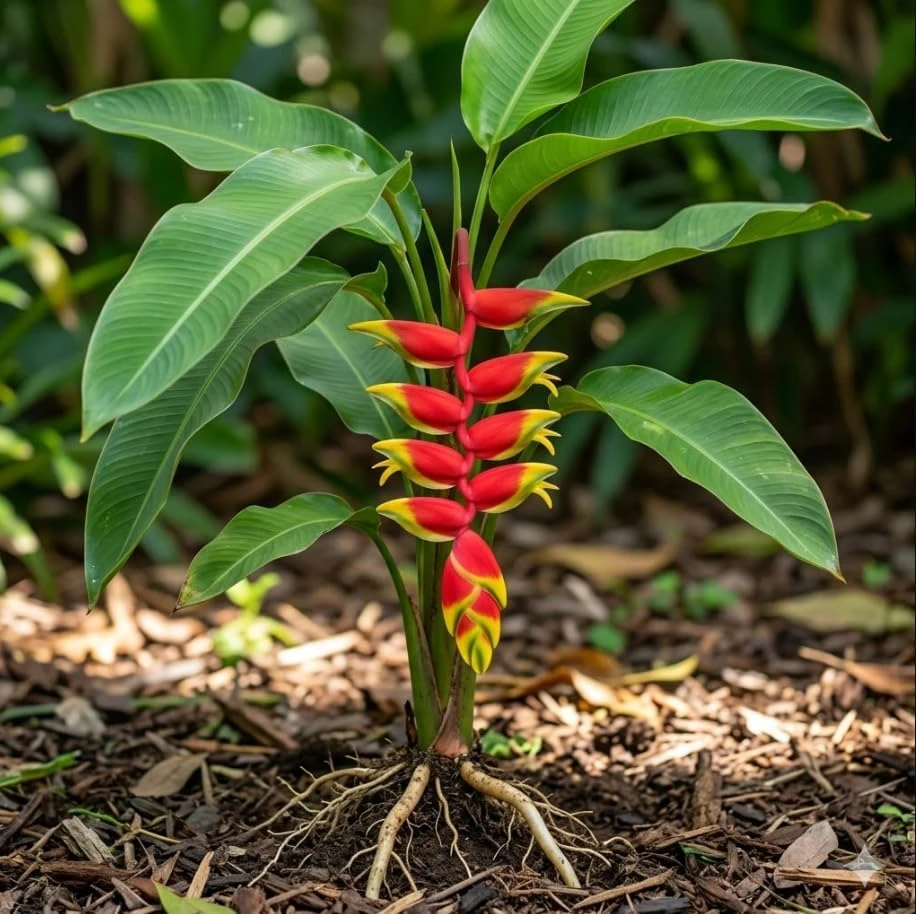
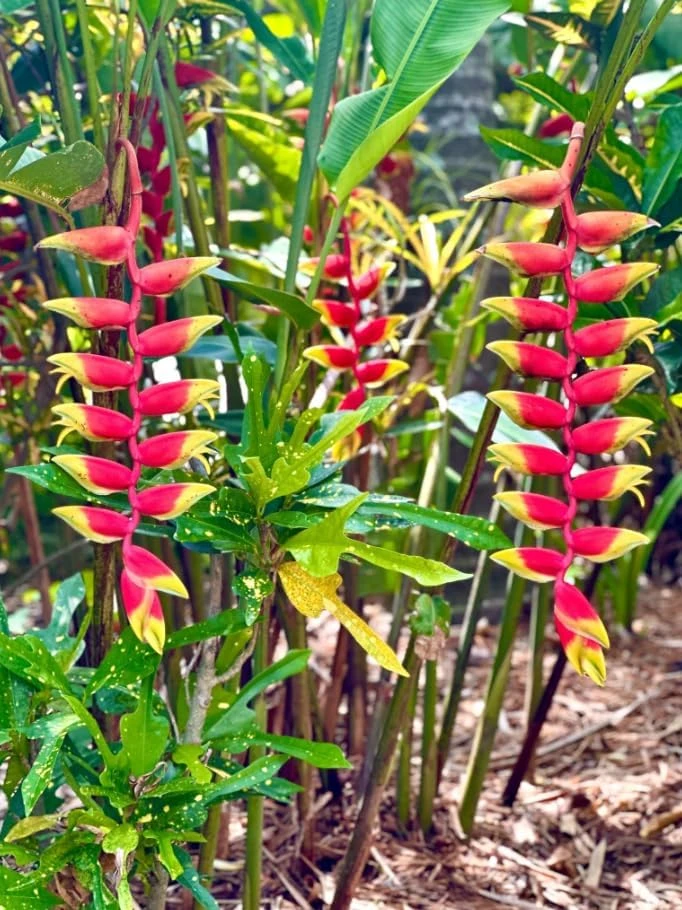
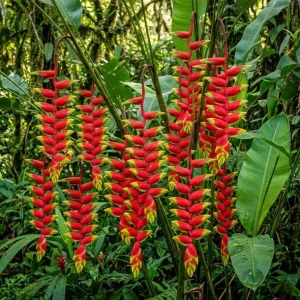
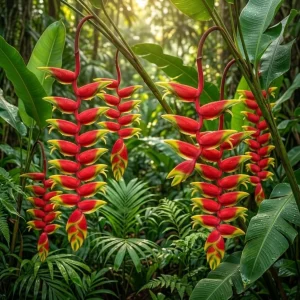
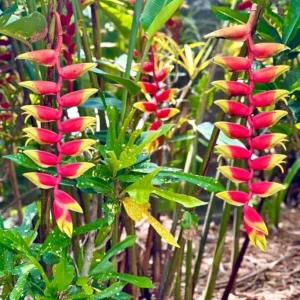
Cultivate a stunning tropical paradise with this pack of 4 Hanging Lobster Claw Heliconia Rostrata rhizomes. Each well-rooted rhizome is 6-8 inches long, ready to produce spectacular red and yellow pendulous blooms. Perfect for warm climate gardens, patios, or container growing, this heliconia rostrata plant brings exotic beauty and attracts hummingbirds.
-
USDA Hardiness Zone
USDA Zones 9-11 -
Soil Type
Rich, well-draining soil high in organic matter -
Sunlight Exposure
Full sun to partial shade -
Expected Planting Period
Spring to early summer

You can track your order HERE
Oct 30
Nov 04 - Nov 06
Nov 09 - Nov 13
Shipping and return policies: Our Alive & Thrive Guarantee covers issues with your plants within the first 30 days. Reach out to us. Our team will answer your questions and help you find the plants that are truly suitable for your environment, climate, and personal preferences.

Overview
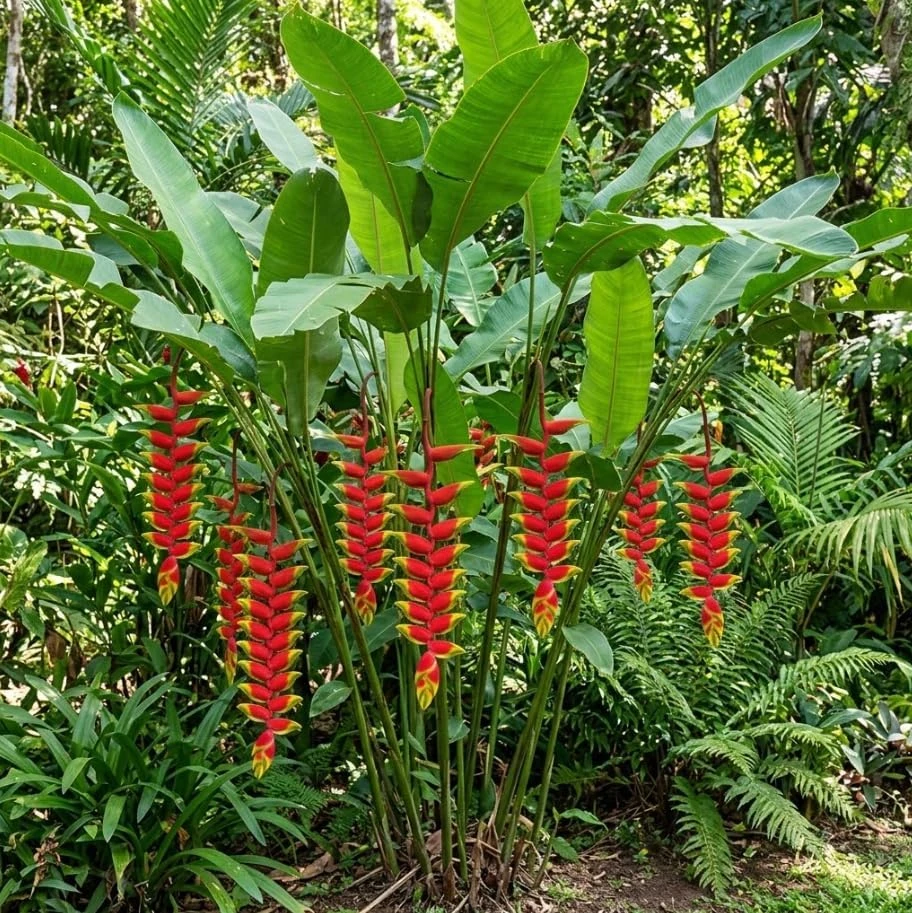
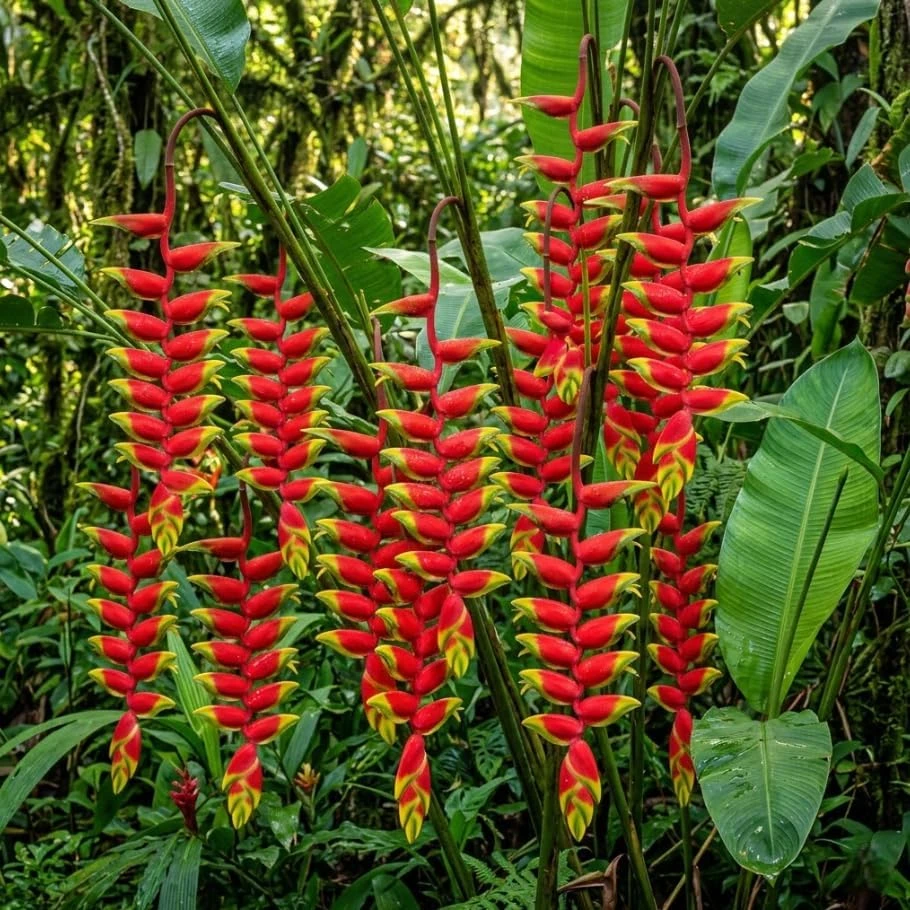
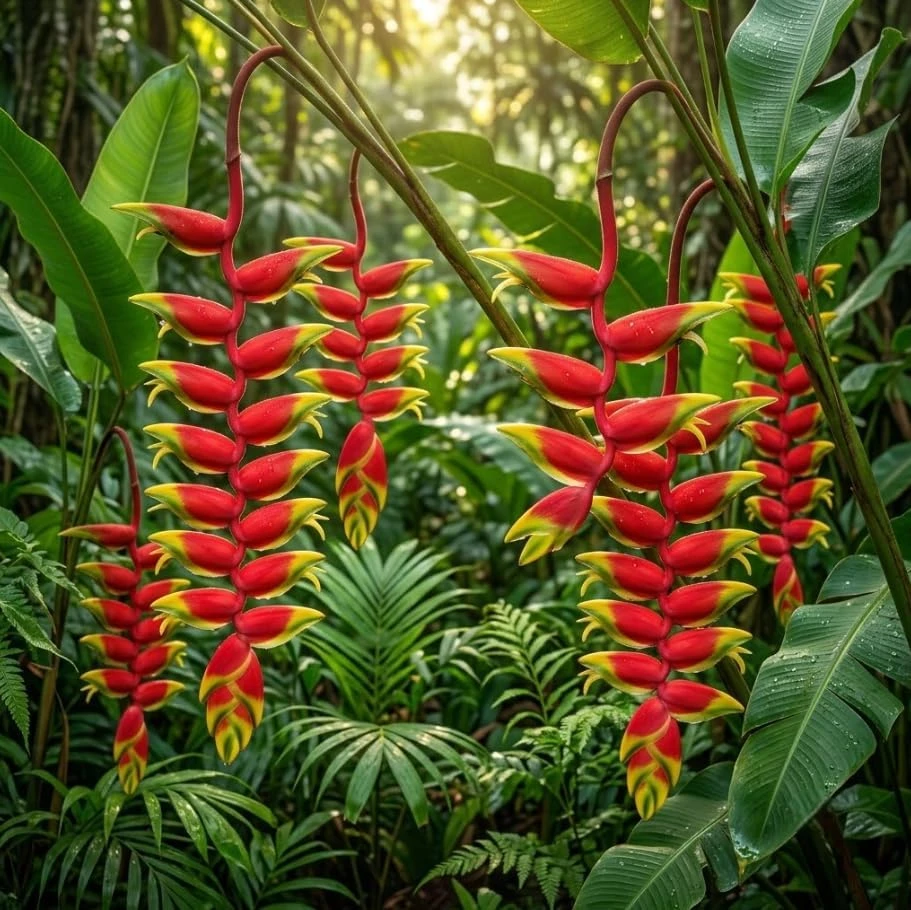
Bring the vibrant allure of the tropics to your landscape with this pack of 4 Hanging Lobster Claw Heliconia Rostrata rhizomes. Revered for its breathtaking, pendulous flower clusters, this tropical perennial is a true showstopper. Known scientifically as Heliconia rostrata, it’s often referred to as ‘Hanging Lobster Claw’ due to the unique shape and downward-facing orientation of its striking inflorescences. These well-rooted rhizomes are approximately 6-8 inches long, ensuring a strong start for your new plants. The stunning red and yellow bracts create a dramatic focal point in any garden, drawing attention and adding an undeniable exotic flair. Whether you’re an experienced gardener or new to tropical plants, growing a hanging lobster claw heliconia is a rewarding experience that transforms ordinary spaces into lush, vibrant sanctuaries.
This offering provides four robust, bare-root rhizomes, ready to be planted and nurtured into magnificent specimens. The heliconia rostrata plant is celebrated for its vigorous growth and the impressive size of its banana-like foliage, which further enhances its tropical appeal. Ideal for USDA Zones 9-11, these plants thrive in warm, humid environments, making them perfect for tropical gardens, sunrooms, or large containers where they can be protected from frost. Prepare to be captivated by the beauty and unique structure of the bird of paradise plant relative as it unfurls its spectacular blooms, creating a living work of art in your outdoor or indoor space.
Key Benefits
Adding tropical heliconia rhizomes to your garden offers a multitude of benefits, from aesthetic appeal to ecological contributions. These plants are not just beautiful; they are also relatively straightforward to grow in appropriate climates, delivering maximum impact with moderate effort.
- Spectacular Ornamental Value: The primary draw of the hanging lobster claw heliconia is its incredibly unique and vibrant flowers. The pendulous red and yellow bracts create a dramatic, exotic display that instantly elevates any garden or patio setting, making it a conversation starter.
- Attracts Pollinators: These brilliant blooms are a magnet for hummingbirds and other nectar-feeding birds, bringing lively activity and natural beauty to your outdoor spaces. Enjoy watching these fascinating creatures interact with your heliconia rostrata plant.
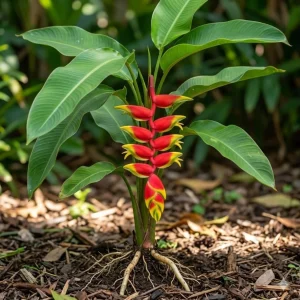
- Lush, Tropical Foliage: Beyond the flowers, the large, banana-like leaves of the heliconia provide a dense, lush backdrop, contributing to a rich, tropical ambiance even when not in bloom. This foliage creates a natural screen or a vibrant focal point.
- Vigorous Growth: Once established, these well-rooted rhizomes grow vigorously, forming impressive clumps that can fill a space with their stunning presence. This rapid growth ensures a quick transformation of your garden.
- Versatile Planting Options: Suitable for a variety of settings, including tropical gardens, large containers, patios, and greenhouse environments. Its adaptability makes it a popular choice for diverse landscaping projects.
- Relatively Low Maintenance: While requiring specific conditions, once established, the heliconia care guide reveals that these plants are quite resilient and require consistent but not overly demanding care to thrive and produce their magnificent blooms.
- Unique Cut Flowers: The long-lasting, showy inflorescences make excellent cut flowers, bringing the exotic beauty of your garden indoors for stunning floral arrangements.
Plant Care & Growing Tips
Cultivating a thriving hanging lobster claw heliconia requires attention to its specific needs, especially regarding light, water, and soil. These tropical beauties flourish when their environmental preferences are met, leading to robust growth and abundant flowering. For successful growth, understanding the basics of heliconia care guide is essential.
Sunlight Requirements: Heliconia rostrata performs best in full sun to partial shade. In tropical climates, some afternoon shade can be beneficial to protect the foliage from scorching, especially during the hottest parts of the day. If growing in containers, ensure they receive at least 6 hours of bright, direct sunlight daily for optimal blooming. Insufficient light can lead to leggy growth and reduced flowering.
Watering Schedule and Soil Moisture: These plants are moisture-loving and require consistent watering, especially during warm weather and active growth periods. The soil should be kept consistently moist but never waterlogged. Allow the top inch or two of soil to dry out slightly between waterings. Reduce watering during cooler months or dormant periods. Good drainage is crucial to prevent root rot, which can be detrimental to the heliconia rostrata plant.
Soil Type and Drainage: Plant your tropical heliconia rhizomes in rich, well-draining soil that is high in organic matter. A slightly acidic to neutral pH (6.0-7.0) is ideal. Amending heavy clay soils with compost, peat moss, or sand can improve drainage and aeration. For container planting, use a high-quality potting mix designed for tropical plants, ensuring the pot has adequate drainage holes.
Temperature Range and USDA Hardiness Zone: Heliconia rostrata is a tropical plant and is not frost-tolerant. It thrives in warm temperatures, ideally between 65°F and 90°F (18°C-32°C). It is suitable for outdoor cultivation in USDA Hardiness Zones 9-11. In cooler zones, it can be grown in containers and brought indoors during winter or treated as an annual. Protect from temperatures below 50°F (10°C).
Fertilization Schedule: Feed your heliconia regularly during the growing season (spring through fall) with a balanced, slow-release granular fertilizer or a liquid fertilizer applied every 2-4 weeks. Look for a fertilizer with an NPK ratio suitable for flowering plants. Reduce or stop fertilization during winter dormancy.
Common Problems and Solutions: Heliconias are generally robust but can be susceptible to spider mites, aphids, or mealybugs, especially in dry conditions. Inspect plants regularly and treat with insecticidal soap or neem oil if pests are detected. Yellowing leaves can indicate overwatering, underwatering, or nutrient deficiencies. Adjust your care routine accordingly. Ensure good air circulation to prevent fungal issues.
Size & Details
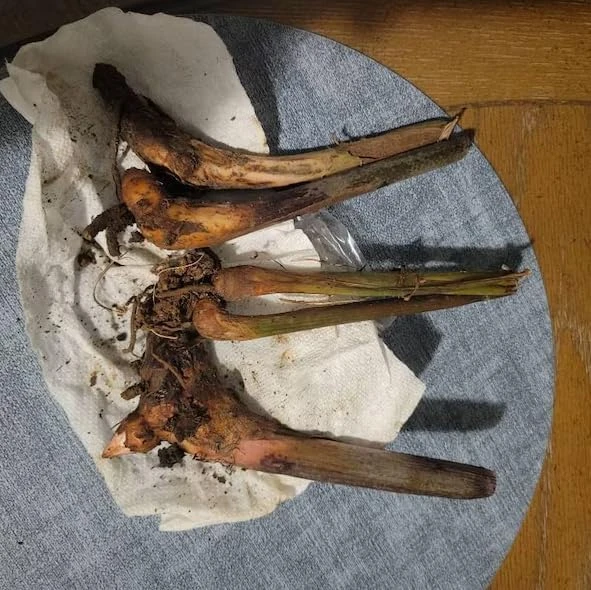
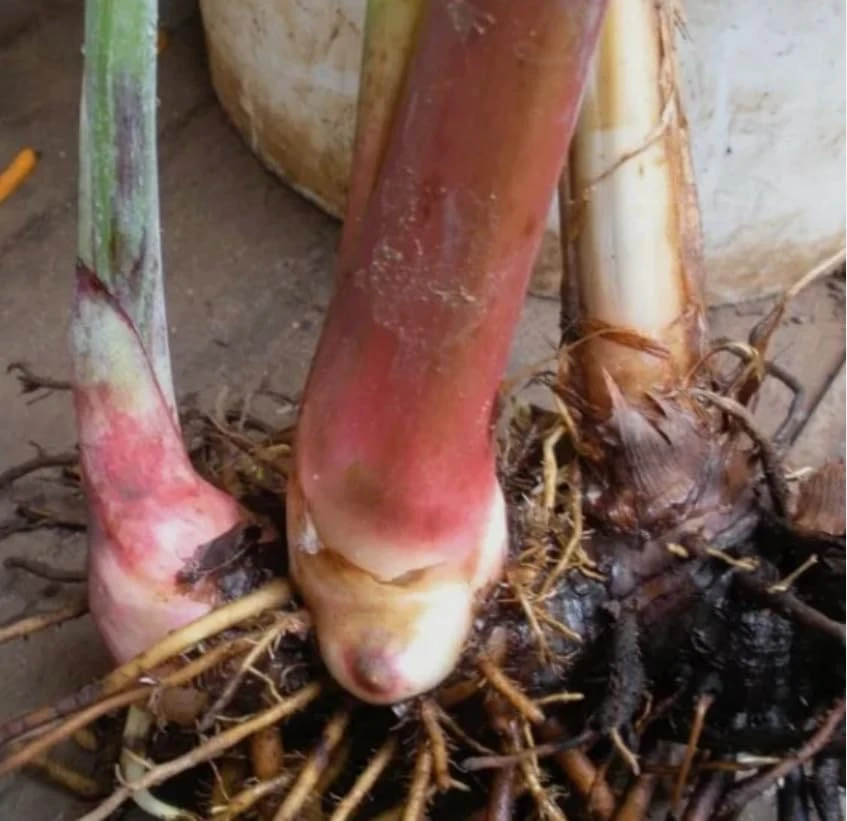
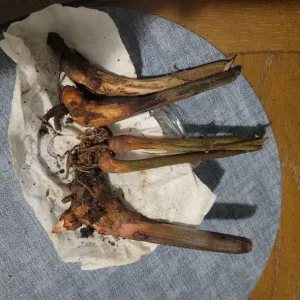
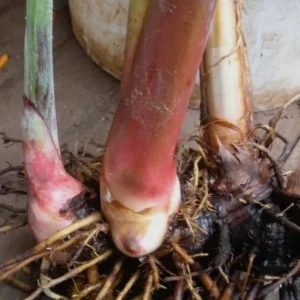
This offering includes a pack of 4 Hanging Lobster Claw Heliconia Rostrata rhizomes. Each rhizome is well-rooted and measures approximately 6-8 inches long, providing a strong foundation for vigorous growth. The rhizomes are shipped bare root, without leaves or a pot, which is a standard and effective method for transplanting these tropical perennials. Once planted, these rhizomes adapt quickly, developing into lush clumps with large, banana-like foliage that can reach impressive sizes, often 5-7 feet tall in ideal conditions, though some varieties can grow taller. The majestic hanging flower clusters, which are the plant’s signature feature, typically emerge during the warmer months, bringing a spectacular display of red and yellow.
The growth rate of the heliconia rostrata plant is considered moderate to fast, especially in warm, humid climates with consistent moisture and rich soil. Expect your plants to establish and begin producing foliage within the first growing season, with blooms typically appearing in the second year or when the plant reaches maturity. These plants can spread to form dense clumps, making them excellent for creating tropical borders, privacy screens, or dramatic focal points in large containers. The mature size and spread will depend on growing conditions, but they generally create a substantial presence in the garden, truly embodying the essence of a bird of paradise plant cousin.
Frequently Asked Questions
- Q: How big does this plant get? A: A mature hanging lobster claw heliconia can typically grow 5-7 feet tall, and sometimes even taller under optimal conditions. It forms a lush clump with large, banana-like leaves, creating a significant tropical presence in your garden.
- Q: Is this an indoor or outdoor plant? A: This is primarily an outdoor tropical plant, thriving in USDA Zones 9-11. In cooler climates, it can be grown outdoors during warm months and brought indoors as a container plant during winter, or cultivated in a greenhouse.
- Q: How much sunlight does it need? A: The heliconia rostrata plant prefers full sun to partial shade. Aim for at least 6 hours of bright, direct sunlight daily for the best flowering, though some afternoon shade is beneficial in very hot climates.
- Q: Is this plant easy to care for? A: While it has specific tropical requirements for warmth and moisture, the hanging lobster claw heliconia is considered moderately easy to care for once its needs are met. Consistent watering and feeding are key to its success.
- Q: What condition will it arrive in? A: Your order will include 4 Hanging Lobster Claw Heliconia Rostrata rhizomes, shipped as bare root rhizomes. They will not have leaves or a pot, as this is the standard and most effective way to ship these tropical plant starts.
- Q: How long until it blooms? A: Heliconia plants typically establish their root system and foliage in the first year. You can generally expect to see their spectacular blooms starting in the second growing season, once the plant has reached a certain level of maturity.
- Q: Will it survive winter in my zone? A: The tropical heliconia rhizomes are hardy in USDA Zones 9-11. If you live in a colder zone, you will need to protect the plant from frost by bringing it indoors or providing significant winter protection.
- Q: What’s the best way to plant these bare root rhizomes? A: Plant the rhizomes horizontally, about 2-4 inches deep, with any visible buds facing upwards. Ensure the soil is rich, well-draining, and kept consistently moist after planting to encourage root development.
- Q: Does this plant attract wildlife? A: Yes, the vibrant, nectar-rich flowers of the bird of paradise plant family, including heliconias, are particularly attractive to hummingbirds, adding a dynamic and beautiful element to your garden.
- Q: What is the ideal soil type for growing heliconia? A: Heliconia thrives in rich, well-draining soil that is high in organic matter. A slightly acidic to neutral pH is preferred. Amend heavy soils with compost for optimal results.
Be the first to review “4 Hanging Lobster Claw Heliconia Rostrata Rhizomes – Tropical Plant, 6-8 Inches Long, Bare Root”
People Also Viewed








HousePlants
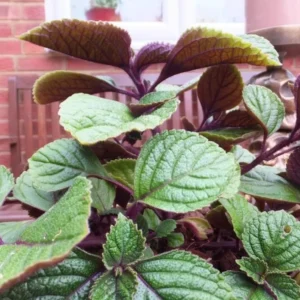
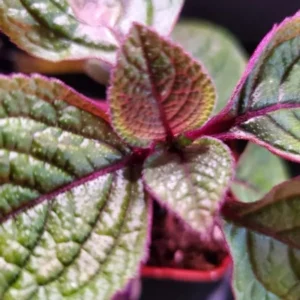
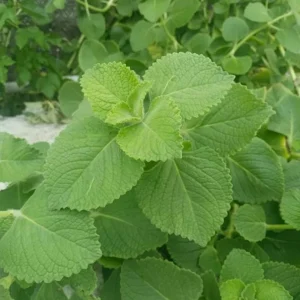
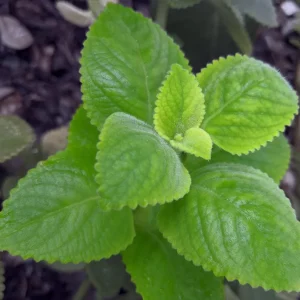
2 Green Swedish Ivy Live Plants, Plectranthus Verticillatus Trailing Houseplant, 4 Inch Pot
Sold 99 products
Original price was: $35.99.$20.99Current price is: $20.99.





HousePlants
Dracaena Magenta Braid Live Plant – Braided Dracaena Marginata – 6 Inch Pot – Indoor Houseplant
Sold 66 products
Original price was: $77.96.$38.98Current price is: $38.98.




Reviews
There are no reviews yet.