


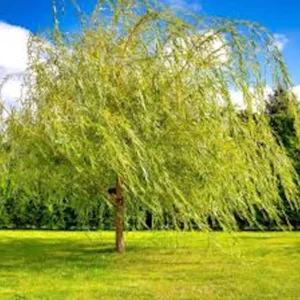
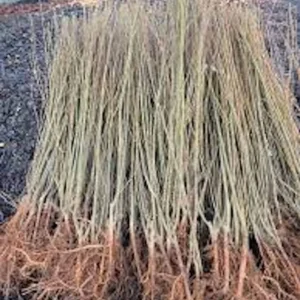
3 Weeping Willow Tree Salix babylonica Bare Root Live Plant 12-24in Tall
Original price was: $60.00.$48.00Current price is: $48.00.
Introduce elegance to your garden with this 3-pack of weeping willow live plant specimens. Each Salix babylonica tree is 12-24 inches tall, shipped bare root, and ready to establish. Known for their rapid growth and iconic cascading branches, these trees are perfect for creating stunning focal points or natural screens in your landscape.
-
USDA Hardiness Zone
6-8 -
Soil Type
Well-draining, moderately wet soil -
Sunlight Exposure
Full sun or partial shade -
Expected Planting Period
Late winter to early spring

You can track your order HERE
Feb 26
Mar 03 - Mar 05
Mar 08 - Mar 12
Shipping and return policies: Our Alive & Thrive Guarantee covers issues with your plants within the first 30 days. Reach out to us. Our team will answer your questions and help you find the plants that are truly suitable for your environment, climate, and personal preferences.

Overview
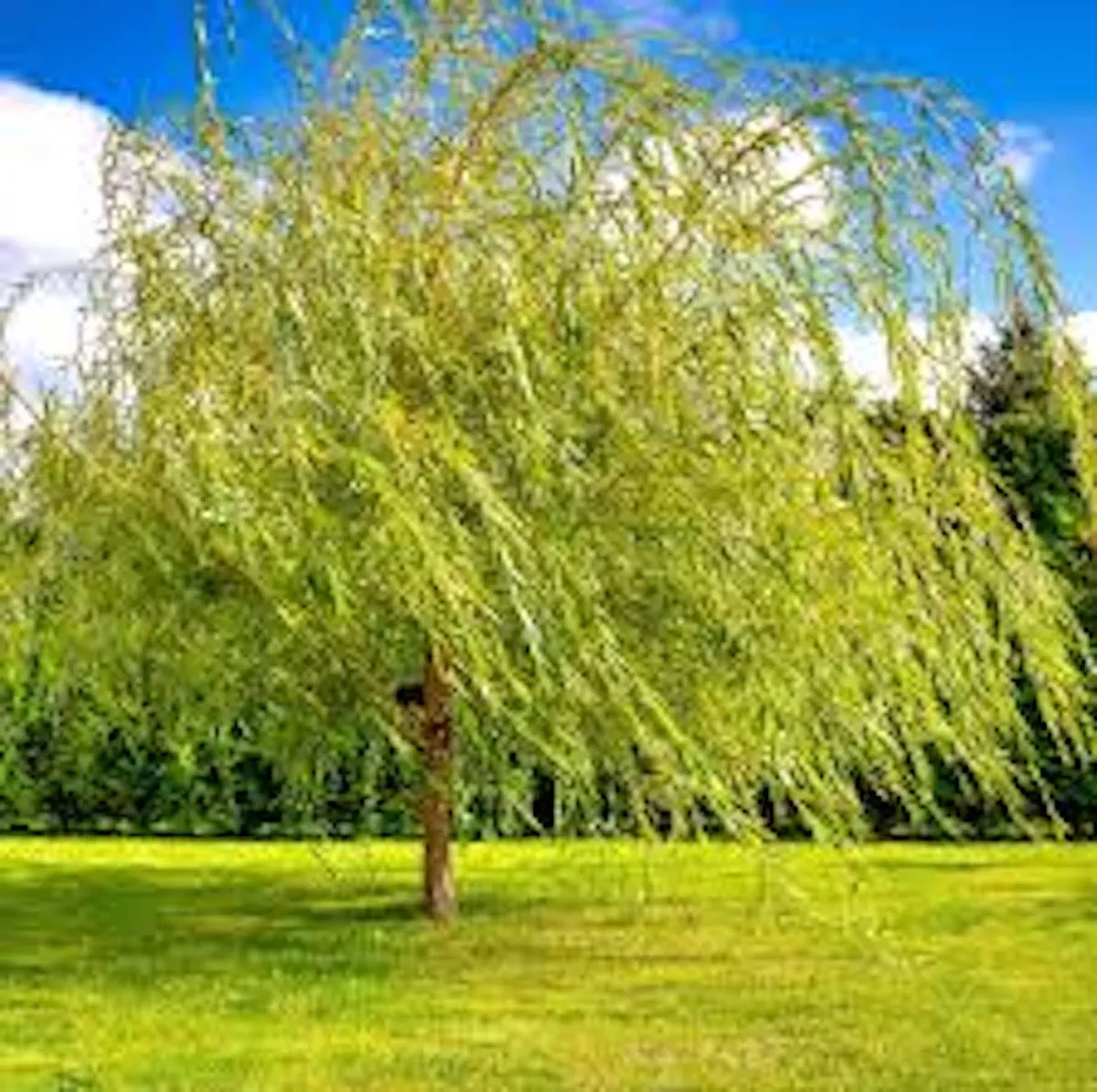
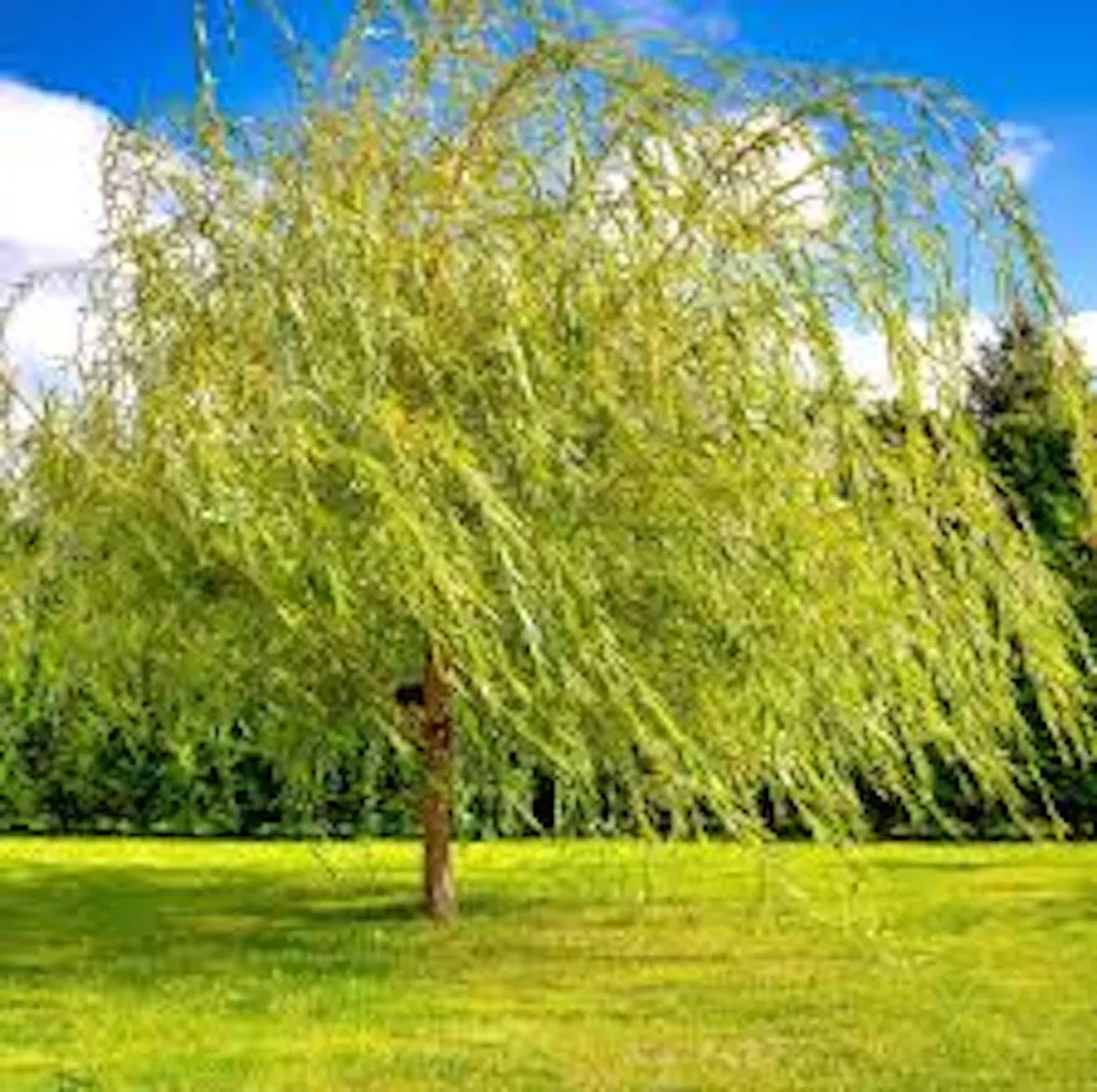
Transform your landscape with a captivating weeping willow live plant. This offering includes a 3-pack of young Salix babylonica tree specimens, each standing 12-24 inches tall. The Weeping Willow, also known as Babylon Willow, is celebrated for its distinctive graceful, drooping branches that create a serene and picturesque effect in any setting. These fast-growing trees are ideal for adding significant visual interest and shade, making them a popular choice for ponds, streams, or as elegant standalone features. Shipped as bare root plants when dormant, they are ready for planting to begin their journey towards becoming magnificent, mature trees.
The weeping willow live plant is a resilient and adaptable species, capable of thriving in various conditions once established. Its rapid growth rate means you won’t have to wait long to enjoy its full beauty. Whether you’re looking to enhance a waterside landscape or simply desire a large, majestic shade tree, the Weeping Willow offers unparalleled elegance and a soothing presence. With its vibrant green foliage and iconic form, it promises to be a cherished addition to your outdoor space.
Key Benefits
Adding a weeping willow live plant to your property offers numerous advantages, from aesthetic appeal to environmental benefits. These trees are not only beautiful but also contribute positively to their surroundings:
- Stunning Aesthetic Appeal: The most striking feature of the Weeping Willow is its graceful, cascading branches, which provide a unique and elegant silhouette. This creates a calming atmosphere and makes for an exceptional focal point in any garden or yard.
- Rapid Growth Rate: These trees are known for their fast growth, allowing you to enjoy a mature, shade-providing tree much sooner than many other species. This makes them an excellent choice for those looking to quickly establish a lush landscape.
- Excellent Shade Provider: Once mature, the broad crown and dense foliage of the Salix babylonica tree offer ample shade, perfect for cooling outdoor spaces during hot summer months and providing a comfortable retreat.
- Erosion Control: Weeping Willows have extensive, shallow root systems that can help stabilize soil, particularly in areas prone to erosion, such as near water bodies. This makes them beneficial for ecological purposes.
- Wildlife Habitat: The dense canopy and branches provide shelter and nesting sites for various bird species and other small wildlife, contributing to local biodiversity.
- Adaptable to Various Soils: While preferring moist conditions, the weeping willow for sale is surprisingly adaptable and can tolerate a range of soil types, including sandy or heavy clay, making it versatile for many landscapes.
- Low Maintenance Once Established: After the initial planting and establishment phase, these trees generally require minimal care, making them suitable for gardeners of all experience levels.
Plant Care & Growing Tips
Caring for your weeping willow live plant involves understanding its specific needs, particularly regarding water and sunlight. These trees thrive in full sun to partial shade, meaning they prefer at least 4-6 hours of direct sunlight daily to achieve their best growth and form. While they can tolerate some shade, too little light may result in sparser foliage and slower development. The ideal hardiness zones for the Salix babylonica tree are USDA Zones 6-8, indicating its tolerance to a range of temperate climates.
When it comes to watering, the Weeping Willow truly lives up to its name, preferring consistently moist soil. It’s crucial to provide regular and ample watering, especially during dry spells and in its initial years of growth. While it tolerates a range of soil types, well-drained, moderately wet soil is ideal. Avoid excessively dry conditions, as this can stress the tree. However, it can adapt to sandy or heavy clay soils, provided adequate moisture is maintained. Fertilization can be beneficial in the spring with a balanced, slow-release fertilizer, especially for young trees, to promote vigorous growth.
Pruning should focus on maintaining the tree’s shape and removing any dead or damaged branches. This is best done in late winter or early spring before new growth begins. Keep an eye out for common pests and diseases, though Weeping Willows are generally robust. Ensuring proper planting depth and providing adequate space for its mature size will contribute significantly to the long-term health and beauty of your weeping willow tree care. Regular monitoring for signs of stress or disease will help ensure your tree thrives.
Size & Details
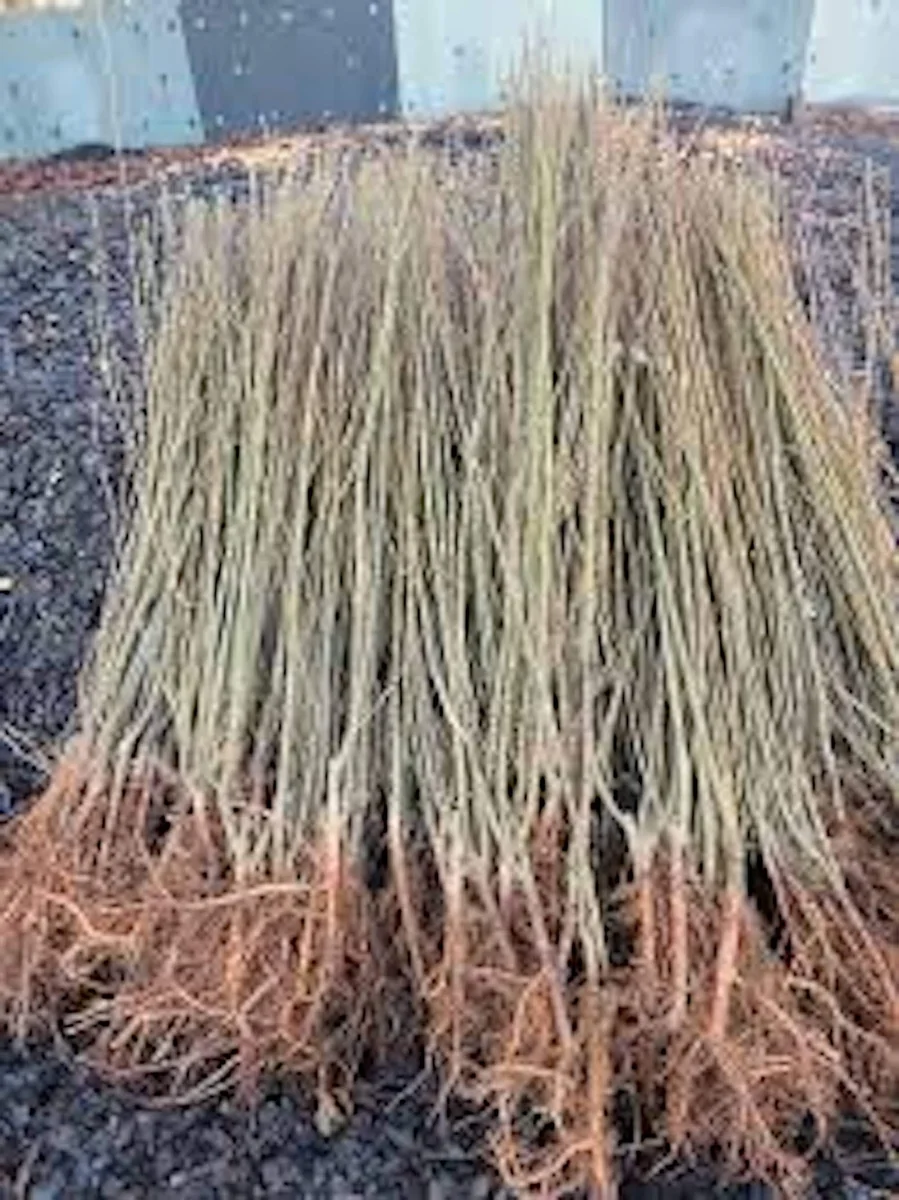
This offering includes three weeping willow live plant specimens, each measuring 12-24 inches tall upon arrival. They are shipped as bare root plants when dormant, which is an excellent method for establishing strong root systems directly in your garden. The Salix babylonica tree is a fast-growing species, typically reaching impressive mature heights of 65 to 85 feet (19.8 – 25.9 meters) with a similar spread. Its sturdy trunk supports a broad crown, and its iconic branches gracefully droop towards the ground. The root system spreads shallowly and widely, which is important to consider when selecting a planting location. Expect significant growth each year, allowing you to enjoy a substantial shade tree relatively quickly. These bare root plants are prepared for easy transplanting, promoting rapid establishment and development in their new home.
Frequently Asked Questions
- Q: How big does this weeping willow live plant get? A: A mature Weeping Willow tree typically reaches heights of 65 to 85 feet with a similar spread, creating a magnificent and broad canopy. Its rapid growth rate means you’ll see substantial size relatively quickly.
- Q: Is this an indoor or outdoor plant? A: The Weeping Willow is an outdoor tree, best suited for large landscapes where its extensive root system and mature size can be accommodated. It thrives in open spaces with plenty of sunlight.
- Q: How much sunlight does the Salix babylonica tree need? A: This tree prefers full sun to partial shade, ideally receiving at least 4-6 hours of direct sunlight per day. Adequate sunlight ensures robust growth and a full, lush canopy.
- Q: Is this plant easy to care for? A: Once established, Weeping Willows are relatively low-maintenance. Their primary needs are consistent moisture and adequate space. Initial weeping willow tree care involves regular watering to ensure proper establishment.
- Q: What condition will the trees arrive in? A: These trees are shipped as bare root plants when dormant, meaning they will arrive without soil around their roots. This is a common and effective method for shipping deciduous trees, promoting strong root development upon planting.
- Q: When is the best time to plant a weeping willow for sale? A: Bare root Weeping Willows are best planted in late winter or early spring, before they break dormancy. This allows their root systems to establish before the stress of summer heat.
- Q: Will it survive winter in my zone? A: Weeping Willows are hardy in USDA Zones 6-8, meaning they can tolerate winter temperatures within these ranges. If you are outside these zones, special winter protection might be needed.
- Q: What kind of soil does the Weeping Willow prefer? A: While adaptable, the Weeping Willow prefers well-drained, consistently moist soil. It can tolerate a range of soil types, including sandy or heavy clay, but avoids overly dry conditions.
- Q: How often should I water my young weeping willow live plant? A: Young Weeping Willows require consistent and ample watering, especially during their first few years. Keep the soil consistently moist, but avoid waterlogging. During dry periods, water frequently.
- Q: Can I prune my Weeping Willow? A: Yes, pruning can help maintain shape and remove dead or diseased branches. The best time to prune is in late winter or early spring before new growth begins.
Be the first to review “3 Weeping Willow Tree Salix babylonica Bare Root Live Plant 12-24in Tall”
People Also Viewed

Sold 61 products
Original price was: $35.92.$17.96Current price is: $17.96.
Sold 80 products
Original price was: $130.00.$104.00Current price is: $104.00.

Sold 89 products
Original price was: $60.76.$30.38Current price is: $30.38.
Sold 71 products
Original price was: $39.99.$34.99Current price is: $34.99.
Sold 80 products
Original price was: $37.98.$26.58Current price is: $26.58.
Sold 75 products
Original price was: $43.96.$21.98Current price is: $21.98.
Sold 56 products
From $103.80

Sold 82 products
Original price was: $21.56.$10.78Current price is: $10.78.
Sold 57 products
Original price was: $33.98.$16.99Current price is: $16.99.
Sold 91 products
Original price was: $14.76.$7.38Current price is: $7.38.

Sold 54 products
Original price was: $15.92.$7.96Current price is: $7.96.

Sold 67 products
Original price was: $33.98.$18.49Current price is: $18.49.
Sold 84 products
Original price was: $391.96.$195.98Current price is: $195.98.
Sold 52 products
Original price was: $90.00.$72.00Current price is: $72.00.
Sold 92 products
Original price was: $59.98.$29.99Current price is: $29.99.
Sold 51 products
Original price was: $47.96.$23.98Current price is: $23.98.
Sold 96 products
Original price was: $28.76.$14.38Current price is: $14.38.
Sold 89 products
Original price was: $39.98.$19.99Current price is: $19.99.



Reviews
There are no reviews yet.