
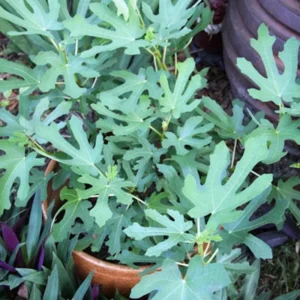
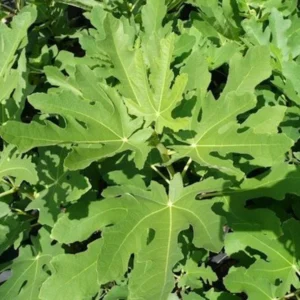
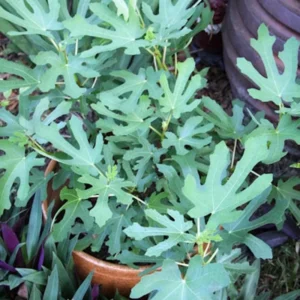
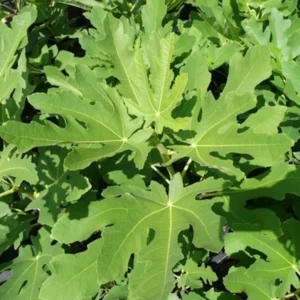
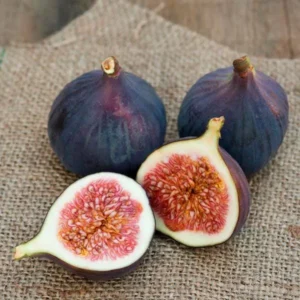
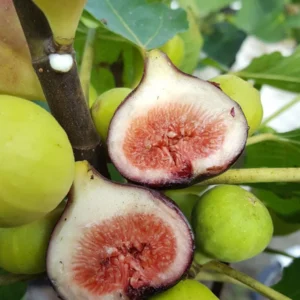
3 Magnolia Fig Starter Plug – Ficus carica ‘Magnolia’ Live Plant, Edible Fruit Tree
Original price was: $62.00.$49.60Current price is: $49.60.
Cultivate your own delicious figs with this Magnolia fig starter plug. Each order includes three healthy Ficus carica Magnolia plant plugs, ready for planting. Known for its large, sweet fruit, this edible fig tree is self-pollinating and ideal for home gardens.
-
USDA Hardiness Zone
USDA Zones 7-10 -
Soil Type
Well-draining loamy soil -
Sunlight Exposure
Full sun -
Expected Planting Period
Spring to early summer

You can track your order HERE
Feb 27
Mar 04 - Mar 06
Mar 09 - Mar 13
Shipping and return policies: Our Alive & Thrive Guarantee covers issues with your plants within the first 30 days. Reach out to us. Our team will answer your questions and help you find the plants that are truly suitable for your environment, climate, and personal preferences.

Overview
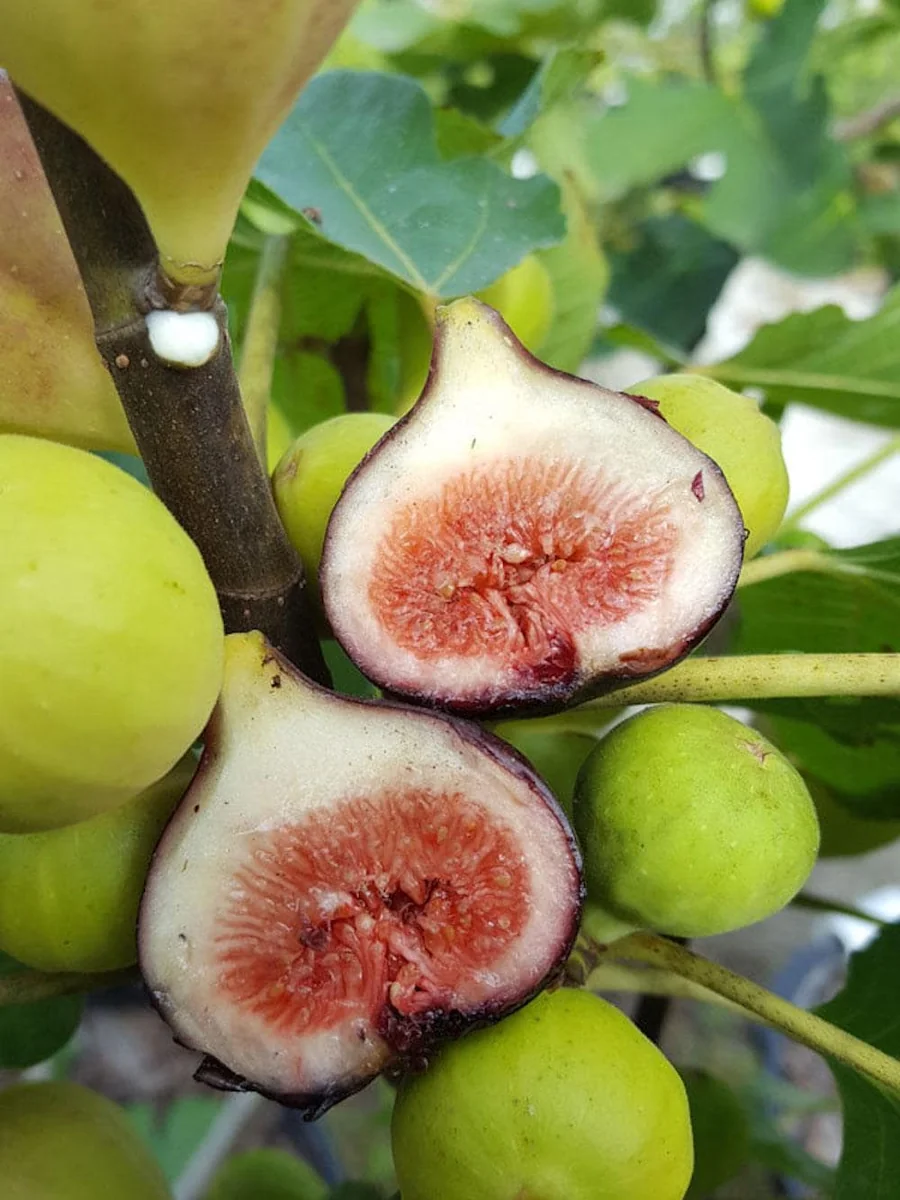
Embark on your fig-growing journey with the Magnolia fig starter plug, a fantastic choice for both novice and experienced gardeners. This listing provides three healthy starter plugs of Ficus carica ‘Magnolia’ plant, a renowned fig cultivar. Also recognized by its synonyms ‘Brunswick’ and ‘Madonna’, this variety is celebrated for its vigorous growth and abundant production of large, delicious fruits. As a self-pollinating fig, it does not require another fig tree for fruit production, making it incredibly convenient for home growers. These live plants arrive as bare-root starter plugs, perfectly primed for transplanting into your garden or containers. The Ficus carica Magnolia plant is particularly popular in the southeastern United States, cherished for its adaptability and the high quality of its fruit, which is exceptionally suited for canning, preserves, and fresh eating.
The ‘Magnolia’ fig offers a rewarding gardening experience, transforming from a small plug into a productive edible fig tree. Its robust nature and delicious yield make it a highly sought-after addition to any edible landscape. Whether you’re looking to establish a new orchard or simply add a unique fruit-bearing plant to your patio, these Magnolia fig starter plug plants provide an excellent foundation. Experience the joy of harvesting your own sweet figs straight from your garden.
Key Benefits
Growing your own Magnolia fig starter plug offers a multitude of benefits, from the satisfaction of home-grown produce to the aesthetic appeal of a thriving fruit tree. This particular variety stands out for several compelling reasons, making it a stellar choice for your garden.
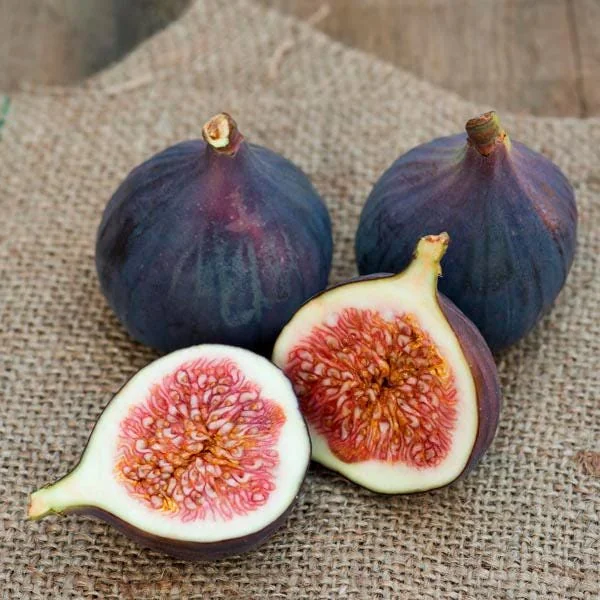
- Abundant Edible Fruits: The primary appeal of the Magnolia fig starter plug is its capacity to produce large, sweet, and flavorful figs. These fruits are perfect for a variety of culinary uses, from fresh eating to making jams, jellies, and preserves, offering a delightful taste of summer.
- Self-Pollinating Nature: As a self-pollinating fig, the ‘Magnolia’ variety simplifies the growing process. You only need one plant to produce fruit, eliminating the need for cross-pollination and making it an ideal choice for smaller gardens or container growing.
- Robust Growth & Adaptability: The Ficus carica Magnolia plant is known for its strong growth habit and adaptability to various growing conditions, particularly thriving in warmer climates. This resilience makes it a reliable performer in many garden settings.
- Versatile Culinary Uses: Beyond fresh consumption, the figs from this edible fig tree are highly valued for their suitability in canning and preserving. This allows you to enjoy the bounty of your harvest long after the growing season.
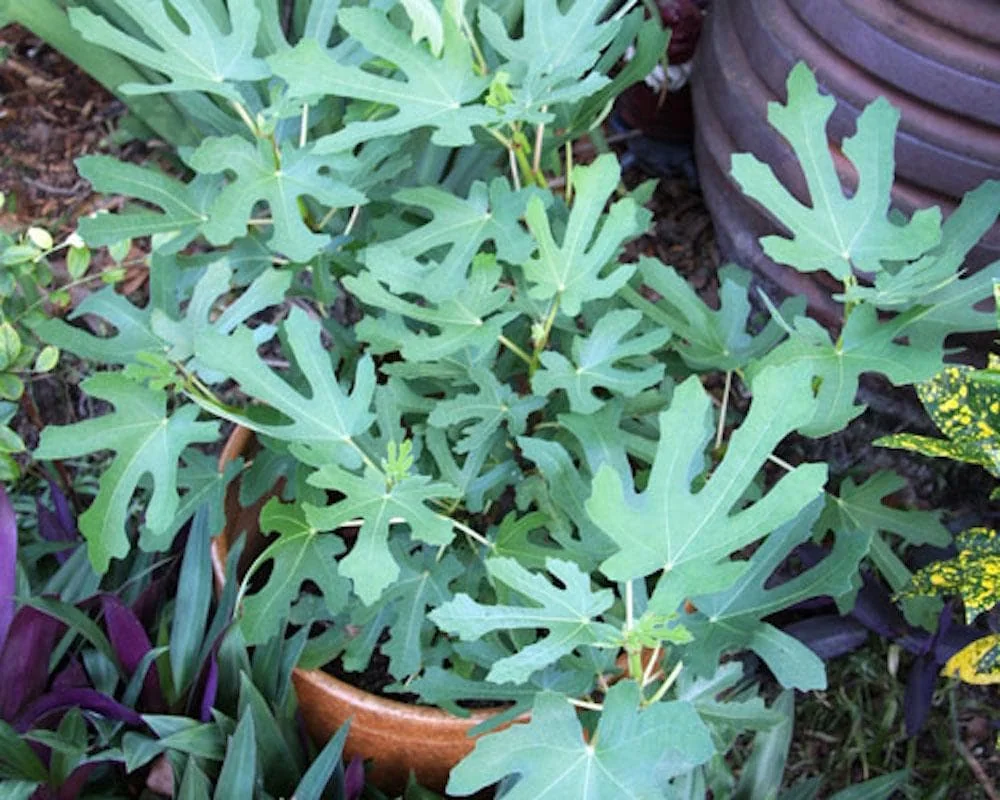
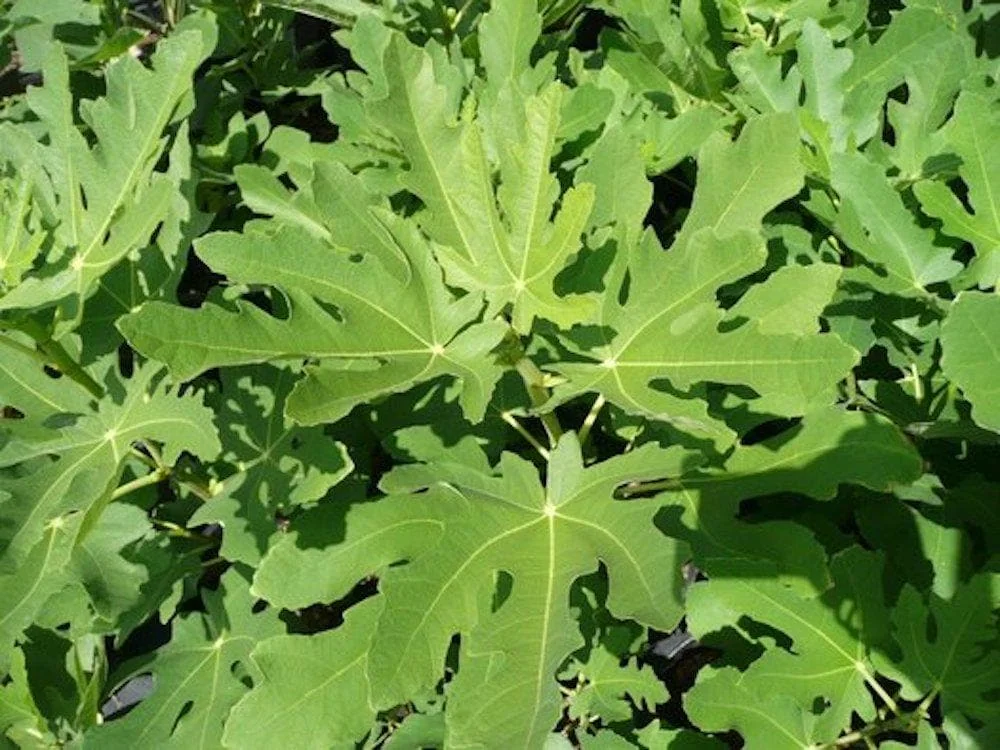
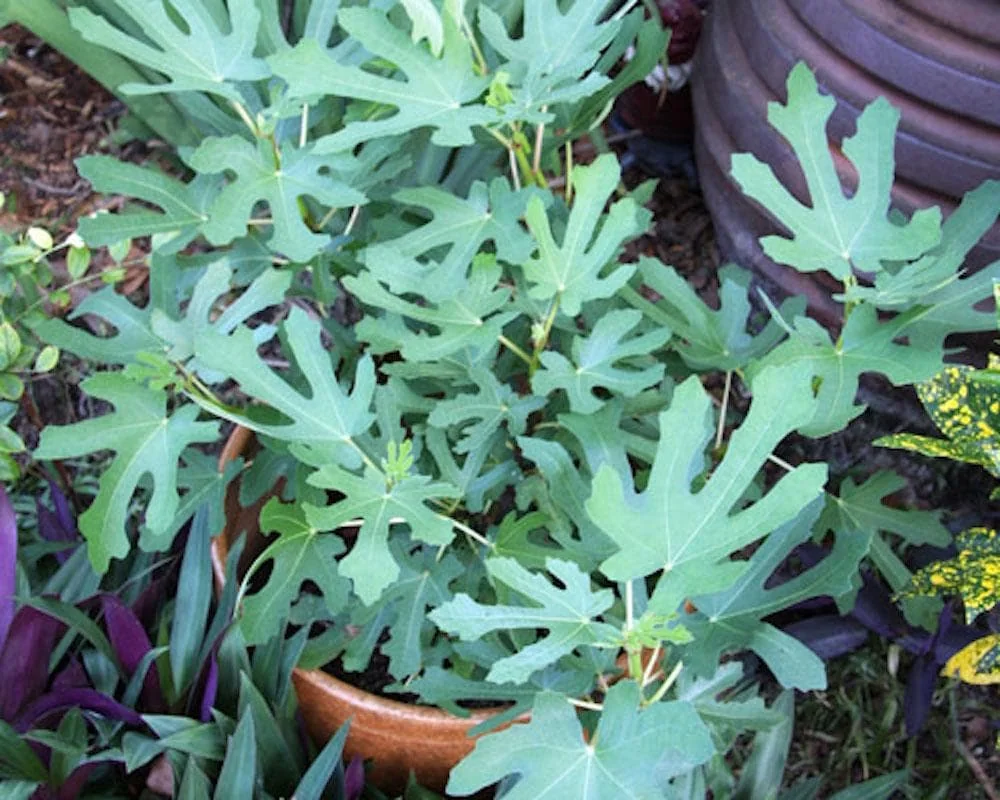
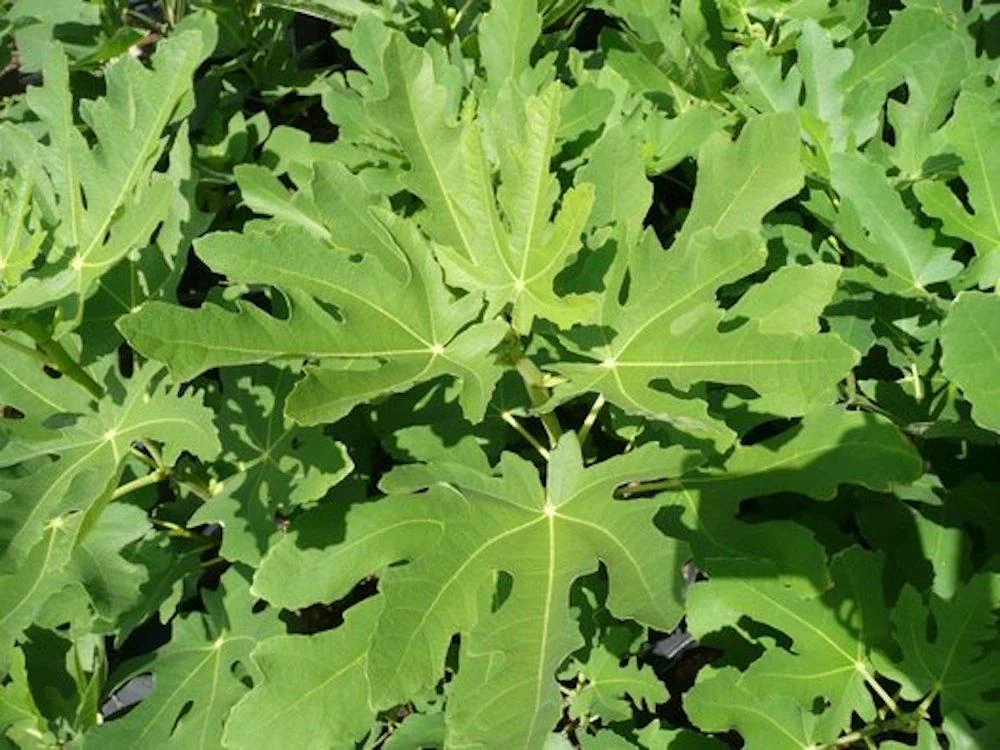
- Ornamental Appeal: With its broad, lobed leaves and attractive growth habit, the fig tree also adds a touch of Mediterranean charm to your landscape. It serves as both a productive fruit plant and an aesthetically pleasing garden specimen.
- Easy to Grow from Starter Plugs: Starting with a Magnolia fig starter plug makes establishing your fig tree straightforward. These plugs are young, vigorous plants ready to root quickly and begin their growth cycle in your garden.
- Synonym ‘Brunswick’ Fig: Often known as the Brunswick fig, this cultivar carries a rich history and reputation for quality among fig enthusiasts, assuring you of a proven and beloved variety.
Plant Care & Growing Tips
Caring for your Magnolia fig starter plug is relatively straightforward, especially once it’s established. These plants thrive in conditions that mimic their native Mediterranean environment. For optimal fruit production and healthy growth, ensure your fig receives plenty of sunlight. It prefers at least 6-8 hours of direct sunlight per day. In very hot climates, some afternoon shade can be beneficial to prevent leaf scorch. When planting your bare-root starter plugs, choose a location with well-draining soil. Figs do not like wet feet, so amend heavy clay soils with organic matter to improve drainage. A slightly alkaline to neutral soil pH (6.0-7.0) is ideal for the Ficus carica Magnolia plant.
Watering is crucial, especially during the establishment phase and when the plant is fruiting. Keep the soil consistently moist but never waterlogged. Once established, fig trees are somewhat drought-tolerant, but regular watering will result in larger, juicier fruits. Fertilize your edible fig tree with a balanced, all-purpose fertilizer in early spring as new growth begins. Avoid high-nitrogen fertilizers, which can promote leafy growth at the expense of fruit. Pruning is best done in late winter or early spring while the tree is dormant. Remove any dead, damaged, or crossing branches, and shape the tree to maintain an open structure for good air circulation and sunlight penetration. In colder regions (below USDA Zone 7), consider growing your Brunswick fig in a large container that can be moved indoors during winter, or provide significant winter protection.
Common issues include fig rust and fig mosaic virus, though the ‘Magnolia’ variety is generally robust. Good air circulation and proper watering practices can help prevent fungal diseases. Keep an eye out for pests like fig beetles or spider mites, and treat with organic pest control methods if necessary. With proper care, your self-pollinating fig will reward you with years of delicious harvests.
Size & Details
This offering includes three individual Magnolia fig starter plug plants. These are young, actively growing bare-root plants, typically measuring between 4 to 8 inches in height upon arrival, depending on the growing season. They are carefully packaged to ensure they reach you in excellent condition, ready for immediate planting. The ‘Magnolia’ fig, or Brunswick fig, is known for its medium to large growth habit, eventually maturing into a shrub or small tree that can reach heights of 10-20 feet with a similar spread if left unpruned. When grown in containers, its size can be easily managed through pruning.
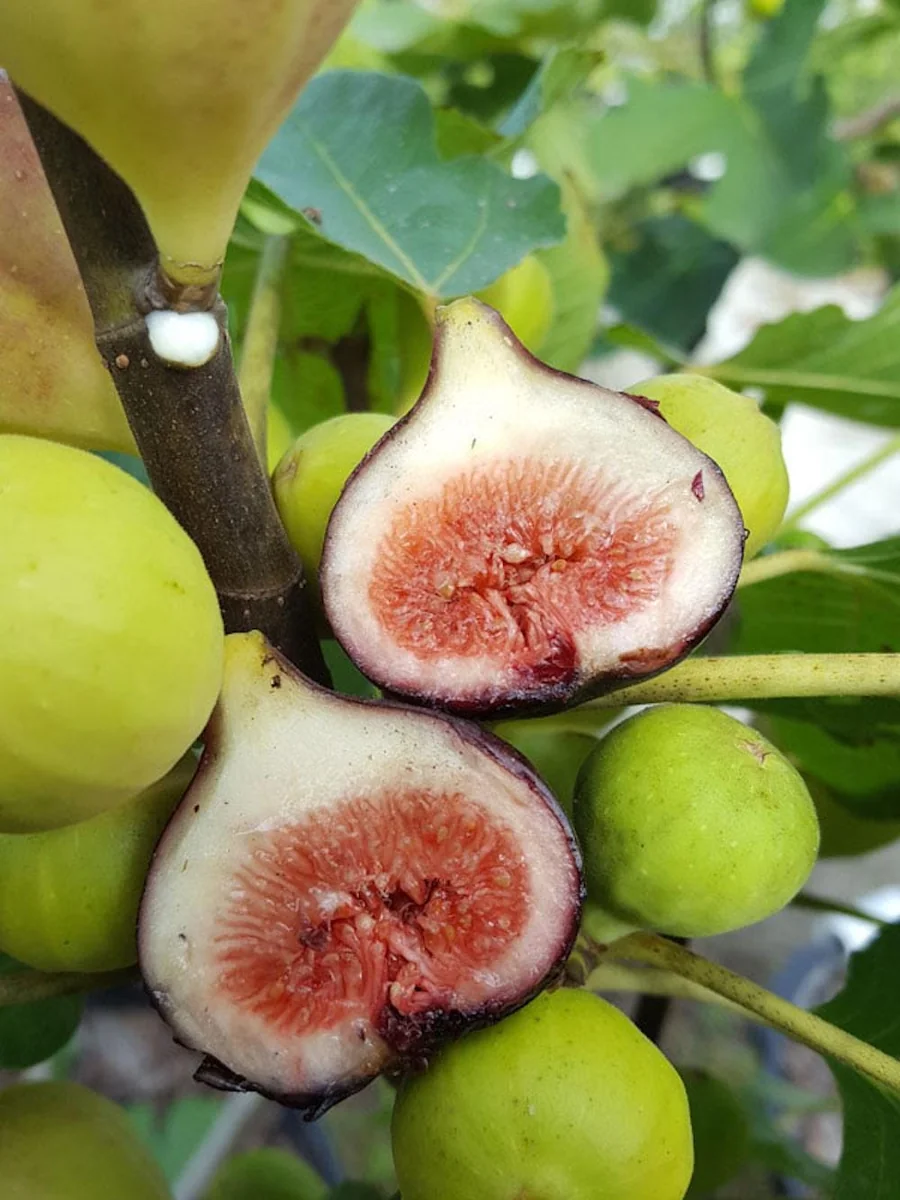
The Ficus carica Magnolia plant is a relatively fast grower, and with proper care, you can expect fruit production within 1-3 years after planting. The large, pear-shaped fruits, known for their sweet flavor and suitability for preserves, typically ripen in late summer to early autumn. These starter plugs provide a cost-effective and efficient way to establish a productive edible fig tree in your garden, offering the joy of home-grown goodness.
Frequently Asked Questions
- Q: How big does this Magnolia fig starter plug get when mature? A: If planted in the ground and left unpruned, a mature ‘Magnolia’ fig tree can reach heights of 10-20 feet with a similar spread. Its size can be managed through regular pruning, especially when grown in containers.
- Q: Is this an indoor or outdoor plant? A: The Ficus carica Magnolia plant is primarily an outdoor plant, thriving in full sun. In colder climates (USDA Zones 6 and below), it can be grown in containers and brought indoors during winter to protect it from frost.
- Q: How much sunlight does the edible fig tree need? A: For optimal growth and fruit production, the ‘Magnolia’ fig requires at least 6-8 hours of direct sunlight per day. It benefits from full sun exposure, especially in cooler climates.
- Q: Is this plant easy to care for, especially for beginners? A: Yes, the self-pollinating fig ‘Magnolia’ is considered relatively easy to care for, making it a good choice for beginners. Its self-pollinating nature simplifies fruit production, and it’s quite resilient once established.
- Q: What condition will the Brunswick fig starter plugs arrive in? A: The starter plugs will arrive as bare-root plants, carefully packaged to protect their roots during transit. They will be actively growing and ready for planting upon arrival.
- Q: How long until this fig tree produces fruit? A: With good care, you can typically expect your Magnolia fig starter plug to begin producing fruit within 1 to 3 years after planting. Fruit production often increases as the tree matures.
- Q: What is the best time to plant these fig starter plugs? A: The best time to plant fig starter plugs is in spring after the last danger of frost has passed, allowing the young plants ample time to establish their root systems before the heat of summer or the cold of winter.
- Q: Can I grow this edible fig tree in a pot? A: Absolutely! The ‘Magnolia’ fig is an excellent candidate for container growing, especially in regions with cold winters. Use a large pot (at least 15-20 gallons) and ensure good drainage.
- Q: What kind of soil does the Ficus carica Magnolia plant prefer? A: This fig variety thrives in well-draining soil with a slightly alkaline to neutral pH (6.0-7.0). Amending heavy soils with organic matter will improve drainage and aeration.
- Q: Are these figs good for canning and preserves? A: Yes, the large, sweet fruits of the ‘Magnolia’ fig are highly valued specifically for canning, making preserves, and drying due to their excellent flavor and texture.
Be the first to review “3 Magnolia Fig Starter Plug – Ficus carica ‘Magnolia’ Live Plant, Edible Fruit Tree”
People Also Viewed

Sold 61 products
Original price was: $15.56.$7.78Current price is: $7.78.
Sold 80 products
Original price was: $15.88.$7.94Current price is: $7.94.
Sold 76 products
Original price was: $79.96.$39.98Current price is: $39.98.
Sold 56 products
Original price was: $144.00.$72.00Current price is: $72.00.
Sold 90 products
Original price was: $183.80.$91.90Current price is: $91.90.
Sold 80 products
Original price was: $24.35.$7.74Current price is: $7.74.
Sold 65 products
Original price was: $15.56.$7.78Current price is: $7.78.

Sold 97 products
Original price was: $14.76.$7.38Current price is: $7.38.
Sold 77 products
Original price was: $392.00.$196.00Current price is: $196.00.

Sold 69 products
Original price was: $40.76.$20.38Current price is: $20.38.
Sold 91 products
From $7.90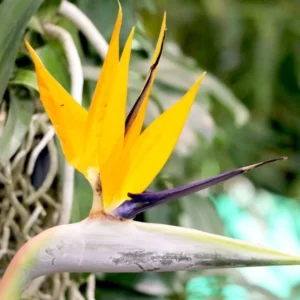

Flower Plants
Yellow Bird of Paradise Live Plant – 5-10 Inch Tropical Outdoor Plant Strelitzia Reginae
Sold 67 products
Original price was: $69.98.$34.99Current price is: $34.99.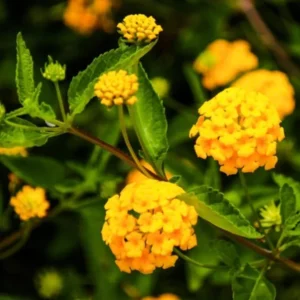
Flower Plants
Gold Yellow Lantana Plants – 2 Live Plants – 4 Inch Pots – Butterfly Attracting Flowers
Sold 96 products
Original price was: $39.98.$19.99Current price is: $19.99.
Sold 68 products
Original price was: $391.96.$195.98Current price is: $195.98.

Sold 92 products
Original price was: $15.88.$7.94Current price is: $7.94.
Sold 59 products
Original price was: $14.76.$7.38Current price is: $7.38.

Sold 77 products
Original price was: $15.00.$7.50Current price is: $7.50.
Flower Plants
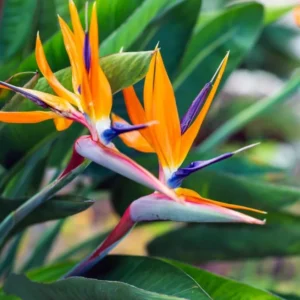
Orange Bird of Paradise Live Plant – 5-10 Inch Tropical Strelitzia Reginae Outdoor Plant
Sold 65 products
Original price was: $35.98.$17.99Current price is: $17.99.



Reviews
There are no reviews yet.