


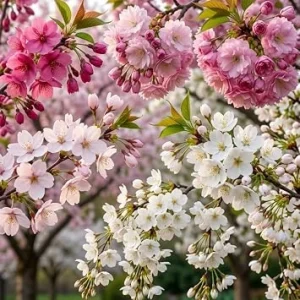
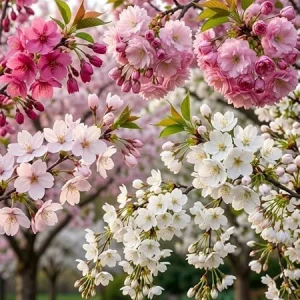


3 Live Flowering Cherry Trees – Assorted Varieties 5-12″ Tall, Outdoor Plants
Original price was: $99.98.$49.99Current price is: $49.99.
Bring stunning seasonal beauty to your landscape with this set of 3 live flowering cherry trees. Each order includes a random assortment of popular varieties like Okame, Double Pink, Yoshino, White Weeping, Snowgoose, or Kwanzan. These young cherry blossom tree plants arrive 5-12 inches tall in 3-inch pots, ready for transplanting into your garden or larger containers.
-
USDA Hardiness Zone
USDA zones 5-8 -
Soil Type
Well-draining, fertile, slightly acidic to neutral soil -
Sunlight Exposure
Full sun -
Expected Planting Period
Spring to early summer or fall

You can track your order HERE
Oct 30
Nov 04 - Nov 06
Nov 09 - Nov 13
Shipping and return policies: Our Alive & Thrive Guarantee covers issues with your plants within the first 30 days. Reach out to us. Our team will answer your questions and help you find the plants that are truly suitable for your environment, climate, and personal preferences.

Overview
Transform your outdoor space with this exquisite collection of flowering cherry trees live. Each set contains three young, vibrant specimens, chosen at random from a selection of the most beloved and beautiful cherry varieties. Imagine the breathtaking display of delicate blossoms that will grace your garden year after year, adding a touch of elegance and seasonal charm. These trees are known for their spectacular spring flowers, ranging in color from pure white to various shades of pink, creating a truly unforgettable landscape feature. Whether you’re starting a new garden, enhancing an existing one, or simply want to enjoy the iconic beauty of cherry blossoms, these flowering cherry trees live offer an excellent foundation for a stunning display. They are perfect for creating a focal point, lining a driveway, or adding vertical interest to your planting schemes.
Our selection includes popular types such as Okame, celebrated for its early, vibrant pink blossoms; Double Pink, known for its lush, full flowers; Yoshino, a classic choice with delicate white to pale pink blooms; White Weeping, offering a graceful, cascading form; Snowgoose, with its pure white, abundant flowers; and Kwanzan, famous for its dramatic, double-petaled pink flowers. These are young starter plants, shipped at 5-12 inches tall in 3-inch pots, ideal for establishing in your chosen location. They will arrive ready to thrive and grow into magnificent mature trees, providing years of visual pleasure. While they may not have flowers upon arrival, with proper care, they will soon develop into beautiful outdoor flowering trees.
Key Benefits
Investing in these flowering cherry trees live offers numerous advantages, enhancing both the aesthetic appeal and ecological value of your property. They are a timeless addition that provides significant enjoyment and contributes positively to the environment.
- Spectacular Seasonal Display: Enjoy an unparalleled show of vibrant pink or white blossoms each spring, creating a stunning visual impact in your garden or landscape. These cherry blossom tree plants are a true harbinger of spring.
- Increased Property Value: Well-established, beautiful trees significantly enhance curb appeal and can increase the overall value of your home. They provide long-term beauty and structure.
- Biodiversity Support: Cherry blossoms provide early nectar for pollinators like bees, supporting local ecosystems and contributing to garden health. They are vital for various beneficial insects.
- Shade and Comfort: As they mature, these trees will offer welcome shade during warmer months, creating cooler areas in your yard and potentially reducing energy costs for your home.
- Versatile Landscaping: Suitable for various garden designs, from formal to informal, and can be planted as specimen trees, in groupings, or along property lines. They are truly adaptable outdoor flowering trees.
- Year-Round Interest: Beyond their stunning spring flowers, many cherry varieties offer attractive fall foliage, adding color to your landscape even after the blooms fade.
- Easy to Establish: Shipped as young, healthy starter plants, they are at an ideal stage for transplanting and establishing strong root systems in their new environment, making it simple to grow cherry trees.
Plant Care & Growing Tips
Caring for your flowering cherry trees live ensures they grow into strong, beautiful specimens that will grace your garden for many years. While these are relatively low-maintenance trees once established, providing the right conditions from the start is crucial for their success and vibrant blooms.
Sunlight Requirements: These cherry blossom tree plants thrive in full sun, meaning they need at least 6-8 hours of direct sunlight per day. Adequate sunlight is essential for vigorous growth and abundant flowering. If planted in partial shade, they may still grow, but their bloom production might be reduced. Ensure they are placed in a location where they won’t be overshadowed by larger trees or structures as they mature.
Watering Schedule and Soil Moisture: Young flowering cherry trees live require consistent moisture, especially during their first few growing seasons. Water deeply 2-3 times per week, ensuring the soil remains evenly moist but not waterlogged. Once established, they become more drought-tolerant but will still benefit from regular watering during dry spells. Always check the soil moisture before watering; the top 1-2 inches should feel dry to the touch. Proper drainage is key to preventing root rot, a common issue for many trees.
Soil Type and Drainage: Cherry trees prefer well-draining, fertile soil with a slightly acidic to neutral pH (6.0-7.0). Amend heavy clay soils with organic matter like compost or aged manure to improve drainage and aeration. Sandy soils can be improved by adding organic material to help retain moisture and nutrients. Good drainage is paramount; avoid planting in areas where water tends to pool. These outdoor flowering trees will struggle in soggy conditions.
Temperature Range and USDA Hardiness Zone: Most ornamental cherry trees are hardy in USDA Zones 5-8, though specific varieties may vary. They require a period of cold dormancy to set flowers effectively. Protect young trees from extreme winter winds. During the winter season, plants may be shipped dormant (without leaves), which is a natural and healthy state for deciduous trees. This dormancy period is essential for their future growth and bloom cycle, allowing you to successfully grow cherry trees.
Fertilization Schedule and Type: Fertilize young trees in early spring with a balanced, slow-release granular fertilizer formulated for trees and shrubs. Follow the product instructions for application rates. Avoid fertilizing too late in the season, as this can stimulate new growth that is vulnerable to winter damage. As trees mature, fertilization may be needed less frequently, depending on soil fertility. A soil test can help determine specific nutrient deficiencies for your assorted cherry tree varieties.
Common Problems and Solutions: Watch for common pests like aphids and borers, and diseases such as powdery mildew or leaf spot. Good air circulation and proper watering practices can help prevent fungal issues. Treat pests with horticultural oils or insecticidal soaps as needed. Ensure proper pruning to remove dead or diseased branches, which also improves overall plant health and bloom production. Keeping your trees healthy will help them resist various challenges.
Size & Details
This offering includes a set of 3 live flowering cherry trees, each carefully selected for health and vigor. These are young, starter plants, arriving at an ideal size for successful transplanting and establishment in your garden. Each tree measures approximately 5 to 12 inches tall from the base of the pot to the tip of the highest branch, making them manageable for immediate planting. They are potted individually in 3-inch nursery containers, providing a healthy root system ready to grow.
The assortment of varieties is chosen at random from a stunning selection, including Okame, Double Pink, Yoshino, White Weeping, Snowgoose, and Kwanzan cherry trees. This ensures a delightful surprise and a diverse display of blooms in your landscape. While these trees are young and will not have flowers upon arrival, with proper care, they typically begin to produce their stunning seasonal flowers within 2-3 years after planting, depending on growing conditions. Their growth rate is moderate, allowing them to reach a mature height of 15-25 feet and a spread of 15-20 feet, though this can vary by specific variety and growing conditions. These are perfect assorted cherry tree varieties for creating a diverse and beautiful garden.
Frequently Asked Questions
- Q: How big do these plants get? A: These are young starter plants, 5-12 inches tall upon arrival. With proper care, they typically grow into mature trees ranging from 15-25 feet tall and 15-20 feet wide, depending on the specific variety and growing conditions.
- Q: What size pot do these flowering cherry trees live come in? A: Each of the 3 live flowering cherry trees arrives individually potted in a 3-inch nursery container, ready for transplanting into your garden or a larger pot.
- Q: Is this an indoor or outdoor plant? A: These cherry blossom tree plants are deciduous outdoor trees. They require a period of cold dormancy during winter to thrive and produce flowers effectively, making them unsuitable for long-term indoor growth.
- Q: How much sunlight do these outdoor flowering trees need? A: Flowering cherry trees require full sun, meaning at least 6-8 hours of direct sunlight per day, for optimal growth and abundant flower production.
- Q: Are these plants easy to care for? A: Yes, once established, these trees are relatively easy to care for. They require consistent watering when young, well-draining soil, and full sun. Pruning for shape and health is recommended annually.
- Q: What condition will the plants arrive in? A: You will receive 3 young, healthy flowering cherry trees live. During the winter season, they may be shipped dormant (without leaves), which is completely normal and healthy for deciduous trees. They will not have flowers upon arrival.
- Q: How long until these assorted cherry tree varieties bloom? A: As young starter plants, they typically begin to produce their stunning seasonal flowers within 2-3 years after planting, given proper care and growing conditions.
- Q: When is the best time to plant these cherry blossom tree plants? A: The best time to plant these young trees is in early spring or fall when temperatures are moderate. This allows them to establish their root system before the stress of summer heat or winter cold.
- Q: Will these trees survive winter in my zone? A: Most ornamental cherry trees are hardy in USDA Zones 5-8. The specific hardiness can vary slightly by variety, but they are generally well-suited for a wide range of temperate climates, allowing you to successfully grow cherry trees.
- Q: Do these trees produce edible cherries? A: These specific varieties are ornamental flowering cherry trees, primarily grown for their beautiful blossoms rather than for fruit production. While they may produce small, inedible fruits, they are not cultivated for edible cherries.
Be the first to review “3 Live Flowering Cherry Trees – Assorted Varieties 5-12″ Tall, Outdoor Plants”
People Also Viewed




Shrubs
2 Pack Cassia Butterfly Bush Live Plants (Senna bicapsularis) – 4-6″ Tall, Bare Root, Outdoor Shrub
Sold 93 products
Original price was: $31.98.$15.99Current price is: $15.99.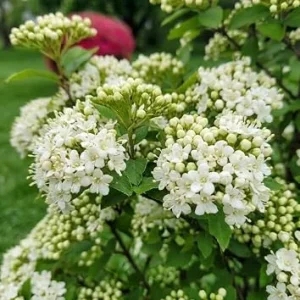
Shrubs
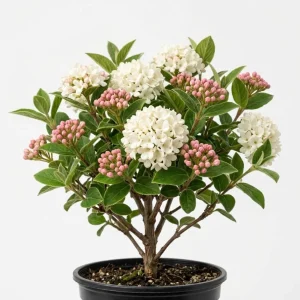
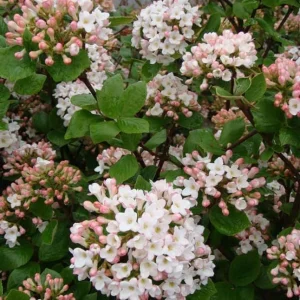
Black Haw Viburnum Live Plant 6-12 Inch Tall – Fragrant White Flowers Outdoor Shrub in 4 Inch Pot
Sold 97 products
Original price was: $30.98.$15.49Current price is: $15.49.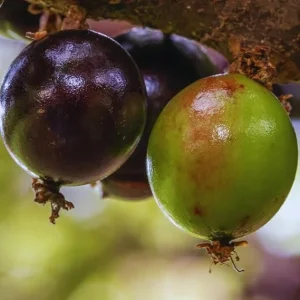
Trees
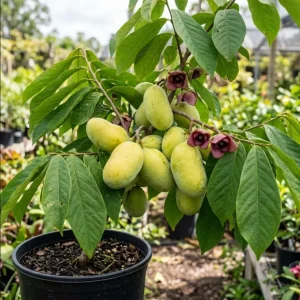
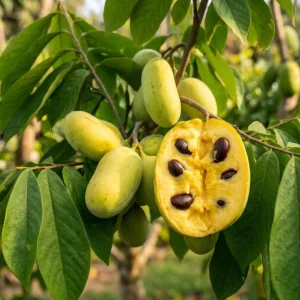
Paw Paw Tree Live Plant (Asimina triloba) – 6-14 Inches Tall, Quart Pot, Outdoor Hardy Banana Tree
Sold 95 products
Original price was: $47.98.$23.99Current price is: $23.99.

Flowers
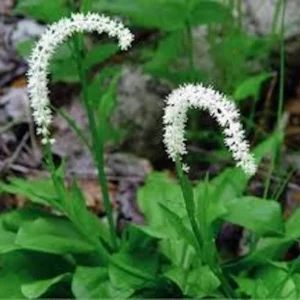
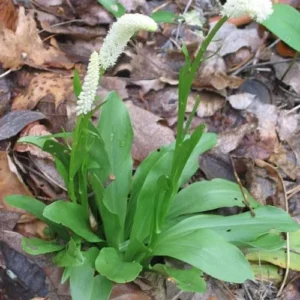
3 False Unicorn Plants Bare Root – Chamaelirium Luteum – Organic Wildflower Native Star Root
Sold 62 products
Original price was: $38.00.$30.40Current price is: $30.40.


Flowers
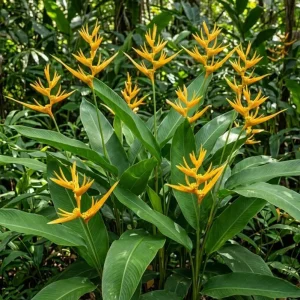
Pack of 2 Yellow Heliconia Rhizomes – Upright Bird of Paradise Tropical Plant, 6-8 Inches Long
Sold 66 products
Original price was: $51.98.$25.99Current price is: $25.99.




Reviews
There are no reviews yet.