




3 Carrie Mango Scions for Grafting – Fruit Tree Cuttings – Outdoor
$34.00
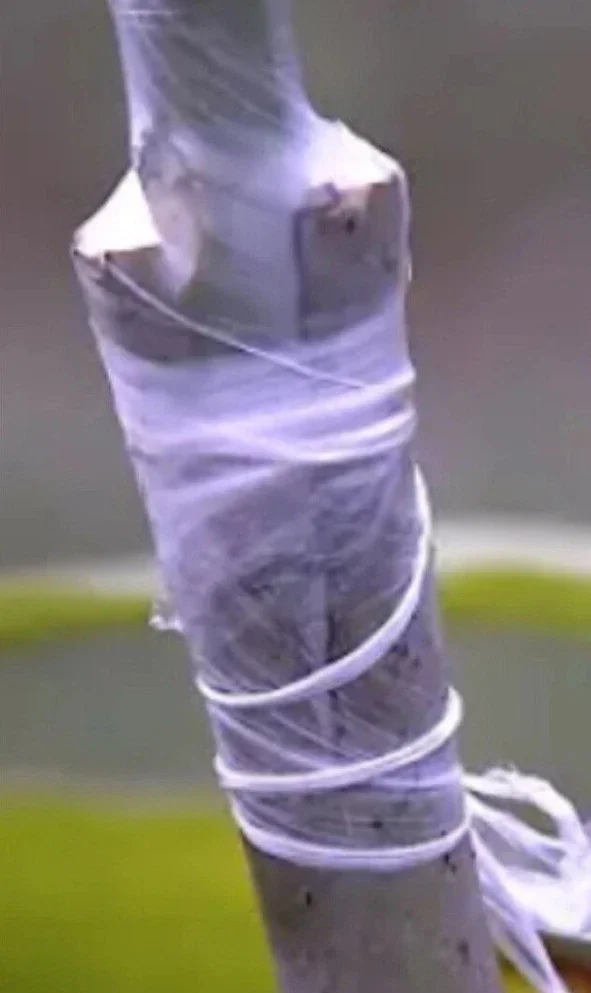
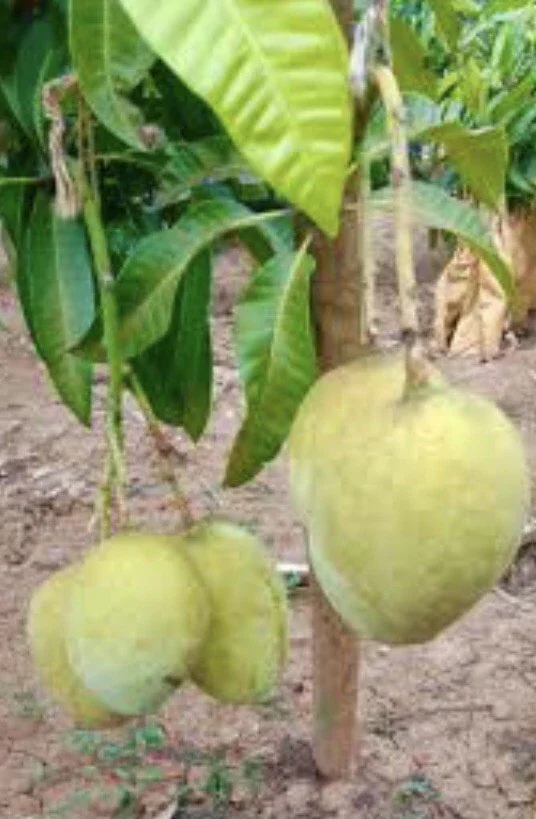
Cultivate your own delicious mangoes with these 3 Carrie Mango scions. Ideal for grafting, these high-quality cuttings allow you to create your own productive mango fruit tree for outdoor enjoyment.
-
USDA Hardiness Zone
9 - 11 -
Soil Type
Well-draining loamy soil -
Sunlight Exposure
Full Sun -
Expected Planting Period
Spring to Summer (for grafting)

You can track your order HERE
Feb 27
Mar 04 - Mar 06
Mar 09 - Mar 13
Shipping and return policies: Our Alive & Thrive Guarantee covers issues with your plants within the first 30 days. Reach out to us. Our team will answer your questions and help you find the plants that are truly suitable for your environment, climate, and personal preferences.

Overview
Embark on the rewarding journey of growing your own tropical fruit with these premium Carrie Mango scions. This offering includes 3 high-quality cuttings, specifically selected for successful grafting. Grafting is a time-honored horticultural technique that allows you to combine the desirable fruiting characteristics of the ‘Carrie’ mango variety with a robust rootstock, resulting in a more resilient and productive mango fruit tree. The ‘Carrie’ mango is renowned for its exceptional flavor, often described as sweet, fiberless, and aromatic, making it a highly sought-after choice for home growers and commercial orchards alike. These scions provide an excellent opportunity for enthusiasts to propagate this beloved variety and enjoy fresh, homegrown mangoes. Whether you are an experienced grafter or looking to expand your fruit tree collection, these Carrie Mango scions are an essential starting point for creating thriving mango trees.
Each scion is carefully harvested to ensure viability and readiness for grafting. By utilizing these scions, you can bypass the lengthy process of growing from seed and instead cultivate a tree that will bear fruit true to the ‘Carrie’ variety much sooner. This method is particularly beneficial for those in suitable climates (USDA Hardiness Zones 9-11) who wish to establish a robust and fruit-bearing outdoor mango plant. Prepare to enjoy the sweet rewards of your labor with these high-quality grafting materials.
Key Benefits
Investing in these Carrie Mango scions offers numerous advantages for the discerning fruit grower. By grafting, you gain control over the characteristics of your future tree, ensuring you get the exact fruit quality you desire. Here are some key benefits:
- Superior Fruit Quality: The ‘Carrie’ mango is celebrated for its sweet, rich, and fiberless flesh, making it one of the most delightful mango varieties to grow. These scions ensure your new tree will produce this highly desirable fruit.
- Accelerated Fruiting: Grafting significantly speeds up the time it takes for a tree to bear fruit compared to growing from seed. You can enjoy your first harvest much sooner.
- Genetic Purity: Unlike seeds, which can produce trees with variable fruit quality, grafted trees ensure the genetic purity of the ‘Carrie’ mango, guaranteeing consistent flavor and texture.
- Disease Resistance: When grafted onto a disease-resistant rootstock, your new mango fruit tree gains enhanced protection against common diseases, leading to a healthier and more vigorous plant.
- Adaptability: Grafting allows you to choose a rootstock that is well-suited to your local soil conditions and climate, improving the overall hardiness and growth of your outdoor mango plant.
- Space Efficiency: For those with limited space, grafting can allow for the creation of multi-varietal trees, or smaller, more manageable trees that are easier to harvest.
- Horticultural Skill Development: Engaging in mango grafting is a rewarding experience that enhances your gardening skills and deepens your understanding of plant propagation.
Plant Care & Growing Tips
Successful grafting and subsequent growth of your Carrie Mango scions require attention to specific environmental and care factors. Once grafted, the young mango tree will thrive in conditions mimicking its tropical origins. Mangoes require abundant sunlight; ideally, your grafted tree should receive at least 6-8 hours of full sun daily. In extremely hot climates, some afternoon shade can prevent leaf scorch, but generally, more sun leads to better fruit production. These trees are best suited for outdoor cultivation within USDA Hardiness Zones 9-11, where temperatures rarely drop below freezing. If you are in a cooler zone, consider growing in a large container that can be moved indoors during colder months, though this is primarily for an outdoor mango plant.
Watering is crucial, especially for newly grafted plants and young trees. Keep the soil consistently moist but never waterlogged. Good drainage is paramount to prevent root rot. Once established, mature mango trees are relatively drought-tolerant but will produce more and better fruit with regular watering during dry spells. A well-draining loamy soil, rich in organic matter, is ideal for mango cultivation. Fertilize your young grafted tree with a balanced, slow-release fertilizer formulated for tropical fruit trees, following package instructions. As the tree matures, a fertilizer higher in phosphorus and potassium will encourage blooming and fruiting. Watch for common pests like aphids and scale, and address them promptly with appropriate organic or chemical controls. Proper pruning will help maintain the tree’s shape, promote air circulation, and encourage better fruit development from your mango grafting efforts.
Size & Details
This product includes 3 Carrie Mango scions, each carefully selected for optimal grafting success. The exact length of each scion can vary slightly but will typically be between 6 to 12 inches, featuring several healthy nodes suitable for grafting onto a compatible mango rootstock. These cuttings are intended for propagation and do not arrive rooted or in soil; they are dormant segments of stem material. The ‘Carrie’ mango variety, once established through grafting, can grow into a medium to large tree, reaching heights of 15 to 25 feet under ideal outdoor conditions if left unpruned. With proper care and pruning, it can be maintained at a more manageable size for easier harvesting. Expect your grafted mango fruit tree to begin producing fruit within 2-4 years, significantly faster than growing from seed. These scions are harvested from mature, healthy ‘Carrie’ mango trees to ensure genetic integrity and fruit quality.
Frequently Asked Questions
- Q: How big does a grafted Carrie Mango tree get? A: A grafted ‘Carrie’ mango tree can typically reach a height of 15-25 feet when mature, though its size can be managed with regular pruning. The ultimate size depends on the rootstock used and growing conditions.
- Q: What is the best way to perform mango grafting with these scions? A: Wedge grafting, whip-and-tongue grafting, and veneer grafting are common and effective methods for mangoes. It’s recommended to research these techniques and use clean, sharp tools for best results with your Carrie Mango scions.
- Q: Is this an indoor or outdoor mango plant? A: The ‘Carrie’ mango is primarily an outdoor mango plant, thriving in tropical and subtropical climates. It is best suited for USDA Hardiness Zones 9-11. In colder regions, it can be grown in a large pot and moved indoors during winter.
- Q: How much sunlight does a grafted mango tree need? A: A grafted mango tree requires at least 6-8 hours of direct full sun per day to produce the best fruit. Adequate sunlight is crucial for healthy growth and fruit development.
- Q: Is this product suitable for beginners attempting mango grafting? A: While grafting requires some skill and practice, these high-quality Carrie Mango scions are suitable for dedicated beginners. We recommend watching tutorials and practicing on other plant material first if you’re new to the technique.
- Q: When is the best time to graft these mango scions? A: The best time for mango grafting is typically during the warm, humid months when the rootstock is actively growing, usually late spring to early summer. This allows for rapid healing and growth.
- Q: What condition will the scions arrive in? A: The scions will arrive as fresh, dormant cuttings, carefully packaged to maintain their viability. They will not be rooted or in soil, as they are specifically for grafting.
- Q: What kind of rootstock should I use for these Carrie Mango scions? A: You can use a seedling mango tree (often from a common, vigorous variety) as a rootstock. Ensure the rootstock is healthy and actively growing for the best chance of successful create mango trees.
- Q: Will an outdoor mango plant need protection from cold? A: Yes, if temperatures are expected to drop below 30°F (-1°C), an outdoor mango plant in Zones 9-11 may need protection. Young plants are more vulnerable and can be covered or moved indoors.
- Q: How long until I get fruit after successful mango grafting? A: With successful mango grafting, you can typically expect your tree to start bearing fruit within 2 to 4 years, depending on growing conditions and care.
Be the first to review “3 Carrie Mango Scions for Grafting – Fruit Tree Cuttings – Outdoor”
People Also Viewed
Sold 86 products
Original price was: $99.96.$49.98Current price is: $49.98.
Sold 62 products
Original price was: $30.85.$10.34Current price is: $10.34.
Sold 75 products
Original price was: $67.96.$33.98Current price is: $33.98.
Sold 90 products
Original price was: $31.96.$15.98Current price is: $15.98.
Sold 89 products
$48.38
Sold 94 products
Original price was: $463.96.$231.98Current price is: $231.98.
Sold 98 products
From $33.98
Sold 79 products
$35.18
Sold 91 products
Original price was: $75.72.$25.24Current price is: $25.24.
Sold 87 products
Original price was: $80.00.$64.00Current price is: $64.00.
Sold 66 products
Original price was: $37.98.$26.58Current price is: $26.58.
Sold 94 products
From $43.98
Sold 60 products
Original price was: $147.16.$73.58Current price is: $73.58.
Sold 84 products
Original price was: $79.80.$39.90Current price is: $39.90.
Sold 79 products
Original price was: $180.00.$90.00Current price is: $90.00.
Sold 63 products
Original price was: $47.98.$23.99Current price is: $23.99.

Sold 81 products
Original price was: $147.16.$73.58Current price is: $73.58.
Sold 58 products
Original price was: $75.98.$37.99Current price is: $37.99.



Reviews
There are no reviews yet.