
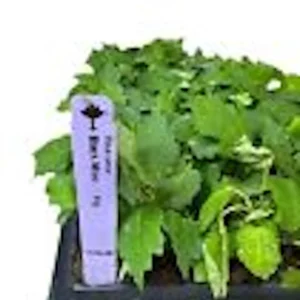
3 Black Mission Fig Tree Live Starter Plants – Fruit Bearing & Shade
Original price was: $56.00.$44.80Current price is: $44.80.
Cultivate your own sweet, dark-skinned Black Mission fig tree fruit with this set of 3 live starter plants. Known for their delicious flavor and reliable production, these trees also provide excellent shade. An ideal choice for gardeners across many US climates, they are considered one of the best fig varieties for home growing. Enjoy both an early breba crop and a main crop from these adaptable plants.
-
USDA Hardiness Zone
USDA Zones 7-10 -
Soil Type
Well-draining, slightly acidic to neutral loam -
Sunlight Exposure
Full sun (6-8+ hours direct light) -
Expected Planting Period
Spring to early summer

You can track your order HERE
Mar 01
Mar 06 - Mar 08
Mar 11 - Mar 15
Shipping and return policies: Our Alive & Thrive Guarantee covers issues with your plants within the first 30 days. Reach out to us. Our team will answer your questions and help you find the plants that are truly suitable for your environment, climate, and personal preferences.

Overview
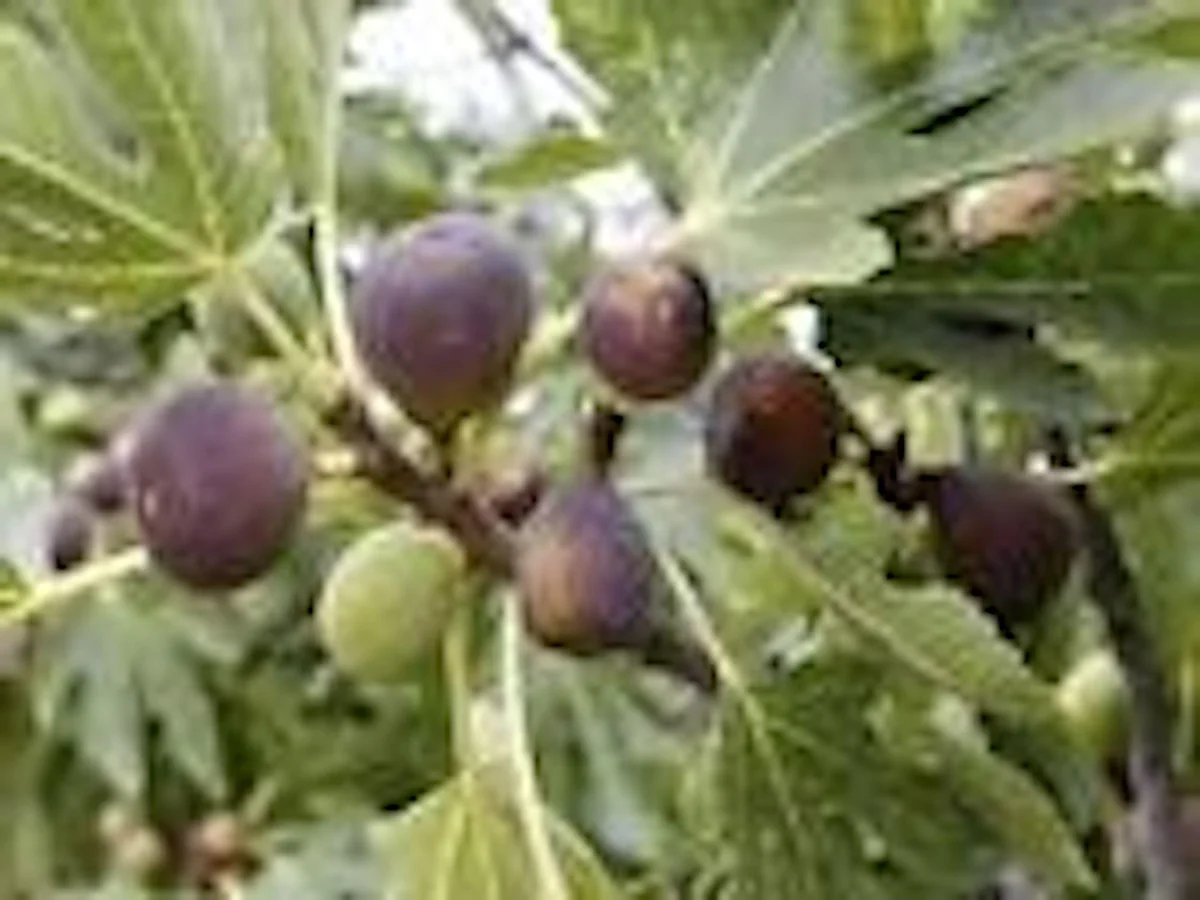
Bring the joy of home-grown, succulent fruit to your garden with this offering of 3 Black Mission fig tree starter plants. Revered for its exceptional quality and adaptability, the Black Mission fig tree (Ficus carica ‘Black Mission’) is widely considered the single best all-around fig tree variety for cultivation throughout the continental United States. Whether you reside in the north or south, on either coast, or in an inland region, this robust fig tree variety performs admirably. Beyond its delicious fruit, its large, distinctly lobed leaves and attractive spreading growth habit make it a wonderful choice for providing natural shade in your landscape. These live starter plants offer an excellent foundation for establishing a productive and beautiful fig orchard or a single specimen tree in your yard.
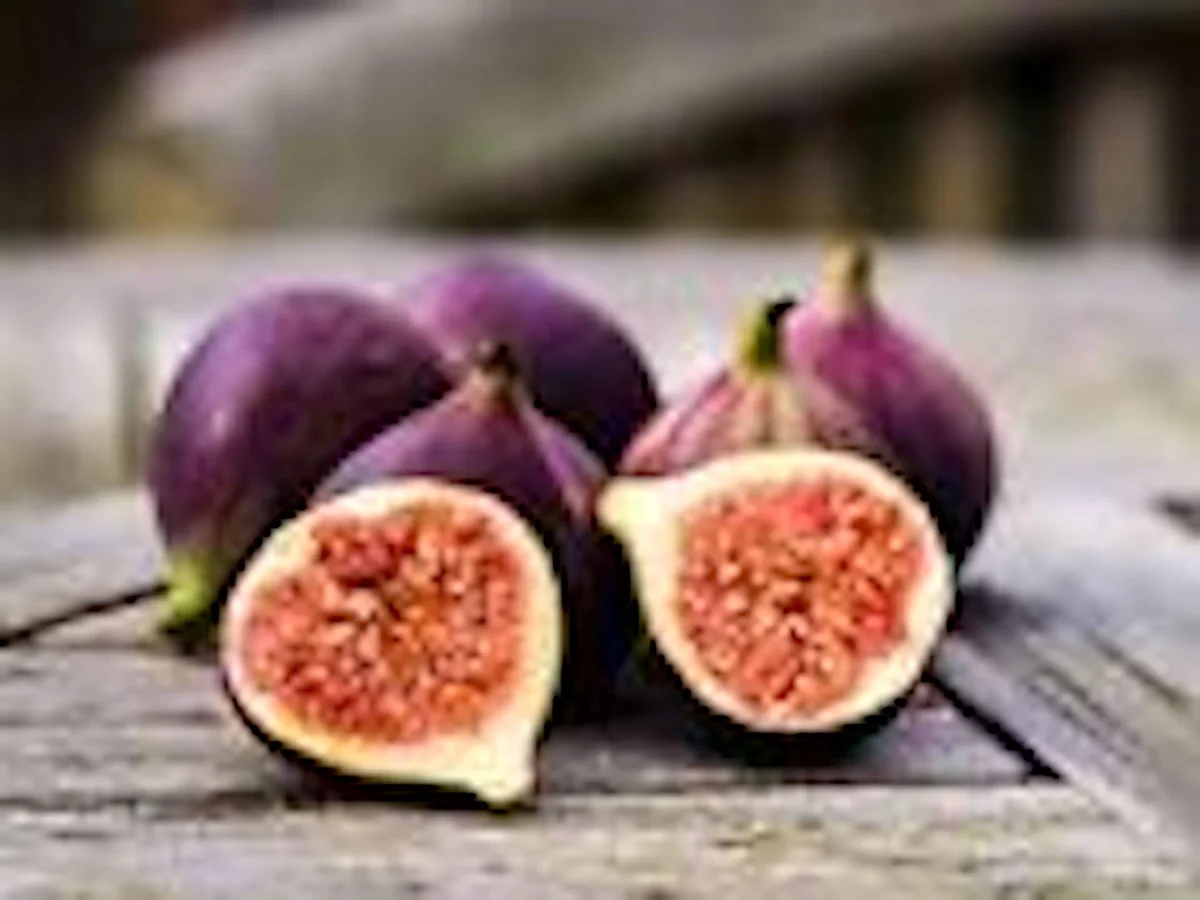
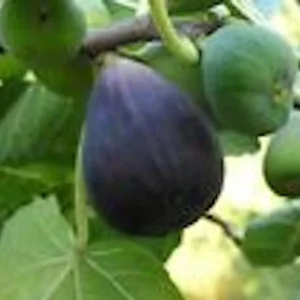
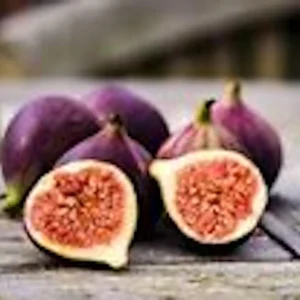
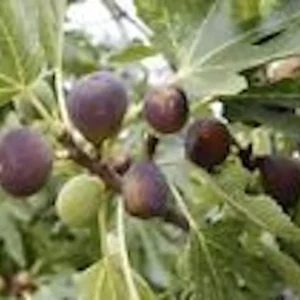
The Black Mission fig tree is celebrated for its high-quality fruit and reliable production. This variety is unique in its ability to produce two distinct crops of figs each year: an early crop known as the ‘breba’ crop, and a later main crop. When planted in an appropriate climate, it is often considered an everbearing variety, extending your harvest season. The breba crop yields impressively large figs, while the main crop consists of medium-sized fruits, ensuring a consistent supply of deliciousness. The fruit itself is characterized by its dark skin and a beautiful, strawberry-colored interior, offering a delightful contrast. The skin often develops charming cracks when the figs are perfectly ripe, signaling their readiness for enjoyment.
Key Benefits
Choosing the Black Mission fig tree for your garden brings a multitude of advantages, from its delicious fruit to its ornamental value:
- Abundant, Delicious Fruit Production: Enjoy two crops per year – a large breba crop and a medium-sized main crop – providing a continuous supply of sweet, dark-skinned figs with a strawberry-colored interior. This makes it one of the most productive and best fig varieties for home growers.
- Exceptional Adaptability: This fig tree is highly adaptable, thriving across a wide range of climates in the continental U.S., performing well in both northern and southern regions, and along both coasts.
- Beautiful Ornamental Value: With its large, lobed leaves and spreading growth habit, the Black Mission fig tree serves as an attractive shade tree, enhancing the aesthetic appeal of any garden or landscape.
- Everbearing Potential: In suitable climates, the Black Mission fig can be considered an everbearing variety, offering an extended harvesting period and maximizing your fresh fig enjoyment.
- Versatile Culinary Uses: The sweet, rich flavor of Ficus carica plant fruit is perfect for fresh eating, baking, jams, preserves, or drying, offering endless culinary possibilities.
- Relatively Low Maintenance: Once established, these fig trees are relatively easy to care for, requiring minimal intervention compared to many other fruit-bearing trees.
- Drought Tolerance: Fig trees are generally known for their good drought tolerance once mature, making them a resilient choice for various garden conditions.
Plant Care & Growing Tips
Caring for your Black Mission fig tree starter plants is generally straightforward, leading to years of bountiful harvests. For optimal growth and fruit production, these fig trees require plenty of sunlight. Plant them in a location that receives at least 6-8 hours of direct sun per day. While they can tolerate some partial shade, full sun will result in the sweetest and most abundant fruit. When planting, ensure the soil is well-draining, as fig trees do not like wet feet. A slightly acidic to neutral pH (6.0-7.0) is ideal. Amend heavy clay soils with organic matter to improve drainage or consider raised beds. These trees are known for their resilience and can adapt to various soil types, but good drainage is paramount.
Watering is crucial, especially during the establishment phase and dry periods. Water deeply and regularly, allowing the top few inches of soil to dry out between waterings. Avoid overwatering, which can lead to root rot. Once established, Black Mission fig trees are relatively drought-tolerant but will produce better fruit with consistent moisture. Fertilize in early spring with a balanced, slow-release fertilizer, or one slightly higher in phosphorus and potassium to encourage fruit development. Follow package instructions for application rates. Pruning is essential for maintaining tree health, shape, and maximizing fruit yield. Prune in late winter while the tree is dormant, removing dead, diseased, or crossing branches. Also, thin out some of the older wood to encourage new growth, which bears the main crop. Understanding mission fig care is key to a thriving plant.
The Black Mission fig tree is hardy in USDA Zones 7-10. In colder zones, it can be grown in containers and brought indoors during winter, or given significant winter protection. Protect young trees from hard freezes. Common pests are generally not a major issue, but keep an eye out for fig rust or fig mosaic virus, though the Black Mission is quite resistant. Ensure good air circulation to prevent fungal diseases. With proper Ficus carica plant care, your trees will flourish and provide delicious figs for many seasons to come. For those looking for the best fig varieties that are also relatively low maintenance, the Black Mission is an excellent choice.
Size & Details
This offering includes 3 Black Mission fig tree starter plants. Each plant is carefully cultivated to ensure a strong root system, ready for transplanting into your garden or a larger container. These plants typically ship bare root, without a pot, to ensure safe and efficient transport, minimizing transplant shock. Upon arrival, it is crucial to plant them promptly and provide immediate watering.
The mature size of a Black Mission fig tree can vary depending on growing conditions and pruning practices, but they typically reach heights of 10-30 feet tall and spread 10-30 feet wide. They have a moderate growth rate. With proper care, these starter plants will establish quickly and begin producing fruit within 1-3 years. Expect the large breba crop in early summer and the main crop in late summer to early fall.
Frequently Asked Questions
- Q: How big do these Black Mission fig tree starter plants get? A: While these are starter plants, a mature Black Mission fig tree can typically reach a height and spread of 10-30 feet, depending on growing conditions and pruning. They are substantial shade trees.
- Q: Is this an indoor or outdoor plant? A: The Black Mission fig tree is primarily an outdoor plant, thriving in full sun. In colder climates (below USDA Zone 7), it can be grown in large containers and moved indoors during the winter months.
- Q: How much sunlight does a Black Mission fig tree need? A: For optimal fruit production and health, your Ficus carica plant requires at least 6-8 hours of direct sunlight per day. Full sun is best for sweet, abundant figs.
- Q: Is this plant easy to care for? Is it good for beginners? A: Yes, the Black Mission fig tree is considered relatively easy to care for once established, making it a good choice for beginner gardeners. Consistent watering and proper pruning are the main requirements.
- Q: What condition will the plants arrive in? A: These starter plants typically ship bare root, meaning they will arrive without soil or a pot, with their roots carefully protected. This method helps reduce shipping stress and is ideal for transplanting.
- Q: Can I use Black Mission figs in cooking? A: Absolutely! Black Mission fig tree fruits are highly prized for their sweet, rich flavor and can be enjoyed fresh, dried, or used in a variety of culinary applications such as jams, preserves, tarts, and salads. They are considered one of the best fig varieties for versatility.
- Q: How long until these fig trees produce fruit? A: With good growing conditions and proper mission fig care, you can typically expect your Black Mission fig tree starter plants to begin producing fruit within 1 to 3 years after planting.
- Q: What’s the best time to plant a Black Mission fig tree? A: The ideal time to plant your fig tree is in the spring after the last frost, or in early fall in warmer climates. This allows the roots to establish before extreme temperatures.
- Q: What USDA hardiness zone is suitable for the Black Mission fig? A: The Black Mission fig tree is generally hardy in USDA Zones 7 through 10. In zones colder than 7, winter protection or container growing is recommended.
- Q: Do I need more than one Black Mission fig tree for pollination? A: No, the Black Mission fig tree is self-fertile, meaning it does not require a second tree for pollination. You will get fruit from a single plant.
Be the first to review “3 Black Mission Fig Tree Live Starter Plants – Fruit Bearing & Shade”
People Also Viewed
Sold 90 products
Original price was: $89.98.$44.99Current price is: $44.99.
Sold 80 products
Original price was: $41.56.$20.78Current price is: $20.78.
Sold 54 products
From $67.80
Sold 74 products
$43.98

Sold 50 products
Original price was: $89.98.$44.99Current price is: $44.99.
Sold 56 products
Original price was: $39.98.$19.99Current price is: $19.99.
Sold 67 products
Original price was: $107.80.$53.90Current price is: $53.90.
Sold 69 products
Original price was: $147.16.$73.58Current price is: $73.58.
Sold 64 products
Original price was: $147.16.$73.58Current price is: $73.58.
Sold 74 products
Original price was: $27.98.$22.38Current price is: $22.38.
Sold 53 products
Original price was: $39.98.$19.99Current price is: $19.99.
Sold 55 products
Original price was: $77.06.$38.53Current price is: $38.53.
Sold 75 products
From $43.98
Sold 87 products
$35.18
Sold 91 products
Original price was: $51.98.$25.99Current price is: $25.99.
Sold 80 products
Original price was: $30.76.$15.38Current price is: $15.38.
Sold 84 products
$87.98
Sold 78 products
Original price was: $3,439.80.$1,719.90Current price is: $1,719.90.


Reviews
There are no reviews yet.