
20 Purple Blend Allium Bulbs – Ornamental Flowering Perennials for Garden
Original price was: $155.80.$77.90Current price is: $77.90.
Transform your garden with 20 Purple Blend Allium Bulbs. These striking ornamental allium plants create dramatic, globe-shaped purple blooms, attracting pollinators while deterring deer. Perfect for adding vertical interest and vibrant color with minimal allium bulb care.
-
USDA Hardiness Zone
USDA zones 4-9 -
Soil Type
Well-drained soil -
Sunlight Exposure
Full sun -
Expected Planting Period
Fall

You can track your order HERE
Apr 12
Apr 17 - Apr 19
Apr 22 - Apr 26
Shipping and return policies: Our Alive & Thrive Guarantee covers issues with your plants within the first 30 days. Reach out to us. Our team will answer your questions and help you find the plants that are truly suitable for your environment, climate, and personal preferences.

Overview
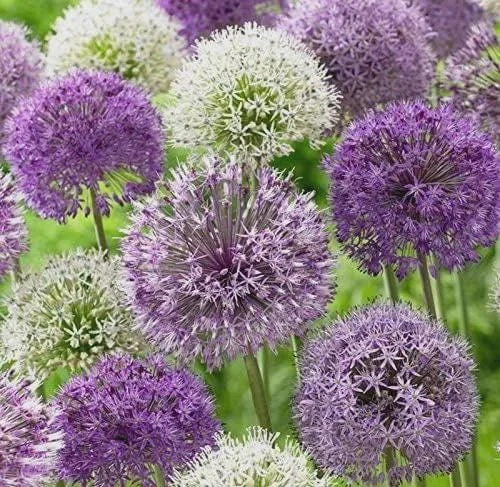
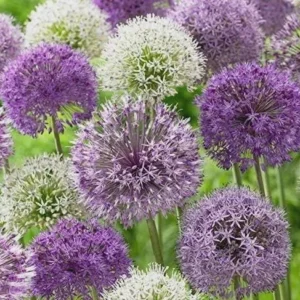
Transform your garden into a vibrant spectacle with these exquisite purple allium bulbs. Alliums, known for their dramatic, globe-shaped flower heads, are architectural perennials that add unique vertical interest and a touch of elegance to any landscape. Grown from bulbs, these striking plants produce dozens, or even hundreds, of tiny star-like blossoms that combine to form magnificent spheres of color. Ideal for both formal and naturalized settings, these ornamental beauties bloom in late spring to early summer, providing a stunning display when many other garden plants are just beginning to emerge. With tall, sturdy stems holding vibrant purple blooms high above the foliage, alliums are truly a must-have for gardeners seeking bold impact and effortless charm. Their unique appearance makes them conversation starters and a favorite among garden enthusiasts. This offering includes a blend that prominently features rich purple hues, ensuring a captivating and cohesive color scheme. These bulbs are a fantastic choice for adding texture and structure to borders, rock gardens, and perennial beds, creating a dynamic visual experience.
Key Benefits
Adding these purple allium bulbs to your garden offers a multitude of advantages beyond their stunning visual appeal. They are an excellent investment for any gardener looking for reliable, beautiful, and low-effort solutions.
- Dramatic Visual Impact: Alliums are renowned for their unique, spherical flower heads that create a bold, architectural statement in the garden. Their tall, rigid stems and distinct forms provide strong vertical lines, making them perfect focal points or backdrops in mixed borders. These ornamental allium plants bring a sophisticated and contemporary feel to traditional garden designs.
- Attract Pollinators: The nectar-rich flowers are a magnet for beneficial insects like bees and butterflies, contributing to a healthier and more biodiverse garden ecosystem. By planting these bulbs, you’re not only beautifying your space but also supporting local wildlife.
- Deer and Pest Resistant: Alliums naturally deter deer, rabbits, and many common garden pests due to their subtle onion-like scent when leaves are crushed. This makes them a worry-free choice for gardens in areas prone to wildlife browsing, ensuring your beautiful blooms remain untouched.
- Low Maintenance & Hardy: Once established, alliums are incredibly resilient and require minimal care. They thrive in a variety of conditions and are drought-tolerant, making them suitable for busy gardeners or those in drier climates. Their hardiness ensures they return year after year with minimal intervention.
- Versatile Garden Use: Whether you’re designing a formal garden, a cottage garden, or a modern landscape, the elegant form and vibrant colors of purple allium flowers fit seamlessly. They are excellent for mass plantings, naturalizing in meadows, or as striking accents among other perennials and shrubs.
- Excellent Cut Flowers: The long-lasting blooms make superb cut flowers, bringing the beauty of your garden indoors. They hold their shape and color well, adding a unique texture to floral arrangements.
- Long Bloom Season: Blooming from late spring into early summer, alliums extend the flowering period of your garden, bridging the gap between spring ephemerals and summer perennials. The faded seed heads also retain decorative value, offering continued interest.
Plant Care & Growing Tips
Caring for purple allium bulbs is straightforward, making them an excellent choice for gardeners of all experience levels. Proper planting and a few basic care steps will ensure a spectacular display year after year. Alliums thrive in full sun, meaning they need at least 6 hours of direct sunlight per day for optimal flowering. Choose a location in your garden that receives ample sun exposure throughout the day. While they tolerate some partial shade, too little sun can result in weaker stems and fewer blooms. Ensure good air circulation around the plants to prevent fungal issues.
When it comes to soil, alliums prefer well-drained conditions. They are susceptible to rot in soggy soil, so amending heavy clay soils with organic matter like compost or grit is beneficial. A slightly acidic to neutral pH (6.0-7.0) is generally ideal. Follow this allium planting guide to ensure success. Plant the bulbs in the fall, approximately 4-6 weeks before the ground freezes, allowing them to establish roots before winter. Dig holes 6-8 inches deep for most varieties, with larger bulbs potentially needing deeper planting. Space bulbs 6-12 inches apart, depending on their mature size, and always plant them with the pointed side facing upwards. After planting, cover with soil and water lightly to settle the soil around the bulbs. Once established, alliums are quite drought-tolerant, but consistent moisture during their active growth and blooming period will result in more robust flowers. Avoid overwatering.
Fertilization is typically not heavily required for alliums, especially if planted in rich, well-amended soil. However, a balanced slow-release fertilizer applied in early spring can encourage vigorous growth. After blooming, allow the foliage to naturally yellow and die back. This crucial step allows the bulb to store energy for the following year’s bloom. Do not cut back green foliage prematurely. These ornamental allium plants are hardy in USDA zones 4-9, making them suitable for a wide range of climates. Their natural resistance to deer and rabbits minimizes pest concerns, contributing to their low-maintenance appeal. Following these simple steps will ensure your allium bulb care routine is effective and your garden flourishes with these magnificent blooms.
Size & Details
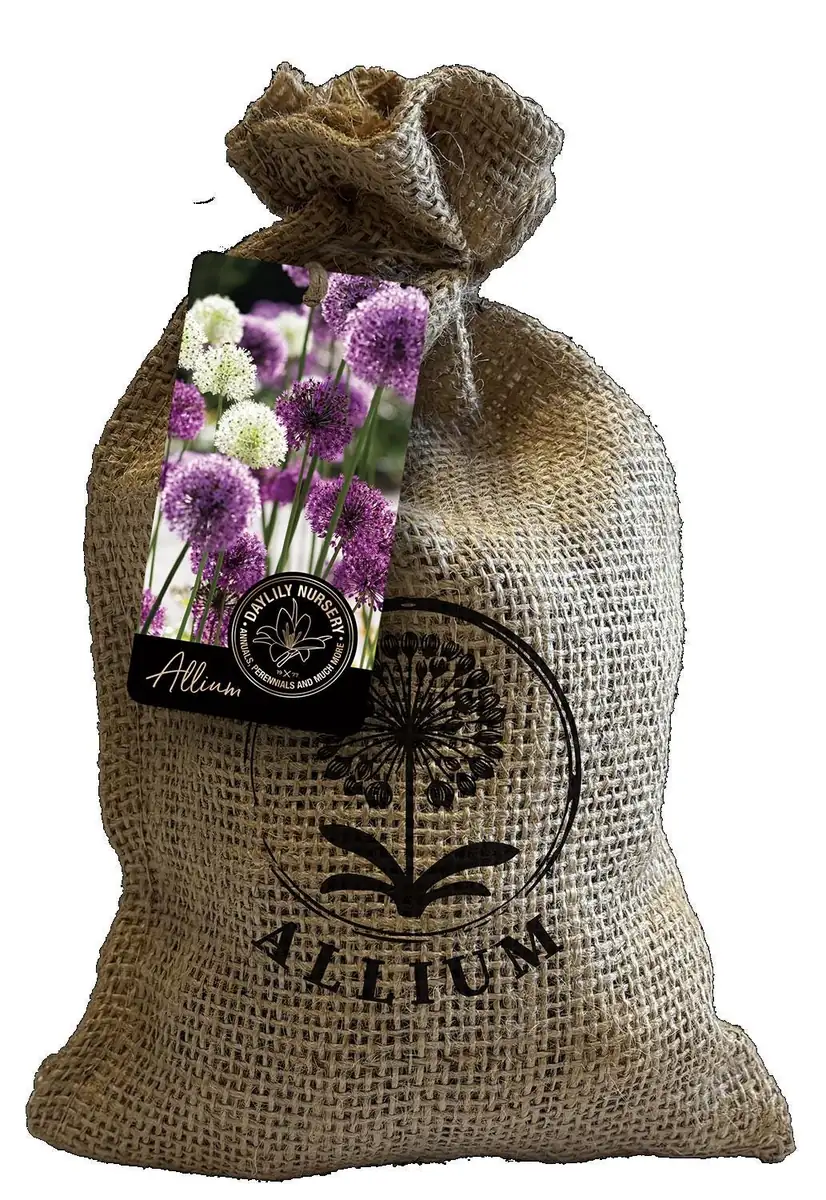
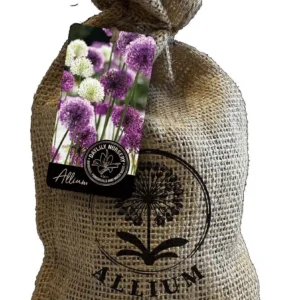
This offering includes 20 Purple Blend Allium Bulbs, carefully selected to provide a stunning array of vibrant purple hues in your garden. Each bulb is of a healthy, mature size, ready for fall planting to ensure robust growth and spectacular blooms the following spring to early summer. While specific mature heights can vary slightly by species within the blend, most ornamental alliums typically reach heights of 18-36 inches (45-90 cm), with some varieties growing even taller. The impressive globe-shaped flower heads can range from 4-8 inches (10-20 cm) in diameter, creating a significant visual presence. These bulbs are shipped dormant and ready to plant, ensuring they establish well in their new environment. Expect first blooms in late spring to early summer, with the display lasting several weeks. The bulbs multiply over time, forming larger clumps and providing an even more impressive show in subsequent years. The rustic, custom-stamped burlap gift bag is designed for aesthetic appeal and practical protection during transit, making this an ideal gift for any gardening enthusiast. While the primary color blend is purple, slight variations in shade and occasional pink or white undertones may occur, adding to the natural charm and diversity of your garden display. These bulbs represent a commitment to beauty and ease, perfect for enhancing any outdoor space with their unique form and striking color.
Frequently Asked Questions
- Q: How big do these allium plants get? A: These ornamental allium plants typically grow 18-36 inches tall, with some varieties reaching higher. The flower heads themselves can be 4-8 inches in diameter, creating a significant visual impact.
- Q: When is the best time to plant allium bulbs? A: The best time to plant these purple allium bulbs is in the fall, about 4-6 weeks before the ground freezes. This allows them to establish roots before winter for spring blooming, as detailed in our allium planting guide.
- Q: Are these allium bulbs resistant to deer and rabbits? A: Yes, alliums are naturally resistant to deer, rabbits, and most garden pests due to a mild onion-like scent when their foliage is disturbed. This makes them a great choice for gardens with wildlife concerns.
- Q: How much sunlight do alliums need? A: Alliums thrive in full sun, requiring at least 6 hours of direct sunlight per day for the best flowering and strongest stems. They can tolerate some partial shade but may produce fewer blooms.
- Q: What kind of soil do alliums prefer? A: Alliums prefer well-drained soil. If your soil is heavy clay, it’s recommended to amend it with organic matter like compost to improve drainage and prevent bulb rot.
- Q: What is the recommended USDA hardiness zone for these allium bulbs? A: These purple allium bulbs are hardy in USDA zones 4-9, making them suitable for a wide range of temperate climates. Check your local zone to ensure they will thrive.
- Q: How do I care for allium plants after they bloom? A: After blooming, allow the foliage to naturally yellow and die back before removing it. This process allows the bulb to store energy for the next year’s growth and ensures continuous blooms. This is a key part of good allium bulb care.
- Q: Will these allium bulbs multiply over time? A: Yes, allium bulbs will naturally multiply over several years, forming larger clumps and providing an even more spectacular display with each passing season. This adds to their long-term value.
- Q: Can purple allium flowers be used as cut flowers? A: Absolutely! The tall, sturdy stems and long-lasting blooms of purple allium flowers make them excellent for cutting and adding to floral arrangements. They retain their beauty both fresh and dried.
- Q: Is allium bulb care difficult for beginners? A: No, allium bulb care is generally considered very easy, making them an ideal plant for beginner gardeners. They are low-maintenance, hardy, and forgiving, establishing quickly with minimal fuss.
Be the first to review “20 Purple Blend Allium Bulbs – Ornamental Flowering Perennials for Garden”
People Also Viewed
Sold 92 products
Original price was: $44.00.$35.20Current price is: $35.20.
Sold 95 products
Original price was: $319.96.$159.98Current price is: $159.98.
Sold 97 products
Original price was: $190.00.$152.00Current price is: $152.00.
Sold 50 products
Original price was: $130.00.$104.00Current price is: $104.00.
Sold 55 products
Original price was: $36.00.$28.80Current price is: $28.80.
Sold 52 products
From $50.96
Sold 79 products
Original price was: $147.16.$73.58Current price is: $73.58.
Sold 84 products
Original price was: $67.98.$57.78Current price is: $57.78.
Sold 57 products
Original price was: $39.98.$19.99Current price is: $19.99.
Sold 52 products
Original price was: $36.00.$28.80Current price is: $28.80.
Sold 84 products
$61.58
Sold 67 products
Original price was: $36.38.$18.19Current price is: $18.19.
Sold 92 products
Original price was: $27.98.$13.99Current price is: $13.99.
Sold 89 products
Original price was: $39.98.$19.99Current price is: $19.99.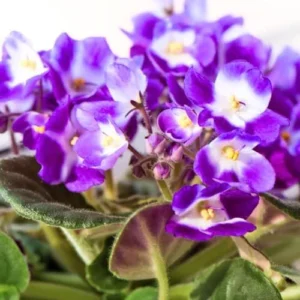
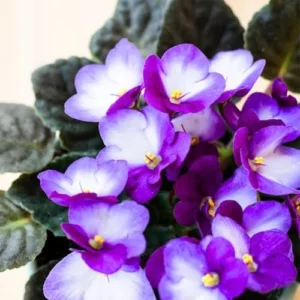
Flower Plants
African Violet Live Plant Houseplant – Purple White Flower, 4 Inch Pot, Indoor Growing
Sold 76 products
Original price was: $79.98.$39.99Current price is: $39.99.

Sold 80 products
Original price was: $355.96.$177.98Current price is: $177.98.

Sold 59 products
Original price was: $55.96.$27.98Current price is: $27.98.
Sold 84 products
Original price was: $31.96.$15.98Current price is: $15.98.





%20–%204-6″%20Tall%20–%20Fragrant%20Perennial%20Flowers%20–%20Indoor%20&%20Outdoor&url=https://gardennursery.net/product/otto-quast-lavender-live-plants-set-of-2-4-6-tall-fragrant-perennial-flowers-indoor-outdoor/&media=https://img.gardennursery.net/2026/03/otto-quast-lavender-live-plants-set-of-2-4-6-tall-debc2564.webp)


Reviews
There are no reviews yet.