
20 Dwarf Crested Iris Cristata Bare Root Plants – Native Wildflower
Original price was: $39.98.$31.98Current price is: $31.98.
Add charming native beauty to your garden with this bundle of 20 Dwarf Crested Iris Cristata bare root plants. Perfect for naturalizing, these wildflowers provide lovely spring blooms and are easy to establish in your landscape.
-
USDA Hardiness Zone
USDA Zones 3-9 -
Soil Type
Well-draining, humus-rich soil -
Sunlight Exposure
Partial to full shade -
Expected Planting Period
Fall to early spring

You can track your order HERE
Feb 27
Mar 04 - Mar 06
Mar 09 - Mar 13
Shipping and return policies: Our Alive & Thrive Guarantee covers issues with your plants within the first 30 days. Reach out to us. Our team will answer your questions and help you find the plants that are truly suitable for your environment, climate, and personal preferences.

Overview
Transform your garden into a vibrant natural haven with our collection of dwarf crested iris bare root plants. This offering includes 20 robust bare root specimens of Iris Cristata, a beloved native wildflower known for its delicate yet striking blooms. The Dwarf Crested Iris is a resilient and beautiful addition to woodland gardens, rockeries, or shaded borders, bringing a touch of understated elegance to any setting. Unlike many larger iris varieties, the iris cristata plants remain compact, typically reaching only 6-8 inches in height, making them ideal for groundcover or front-of-the-border placements. These plants are organically grown, ensuring you receive healthy, vigorous roots ready for planting. Each order is carefully harvested and shipped the same day to guarantee optimal condition upon arrival, complete with detailed planting instructions to help you successfully establish your new wildflowers.
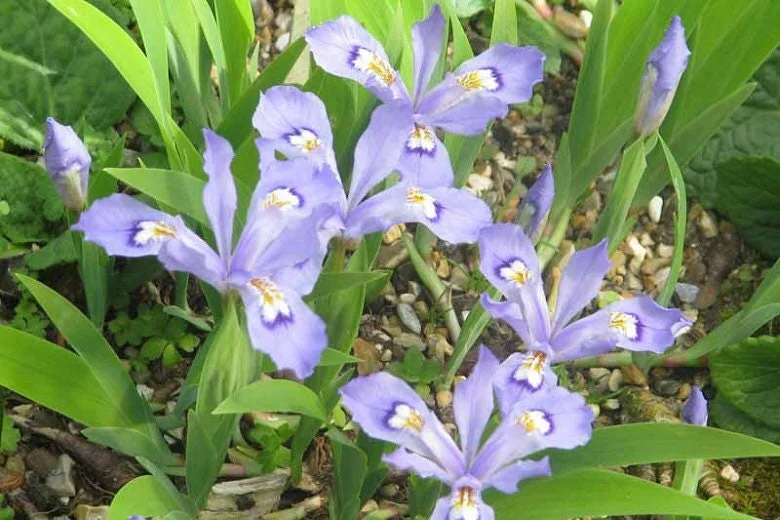
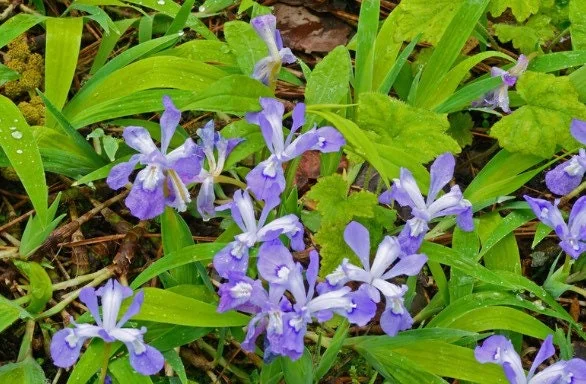
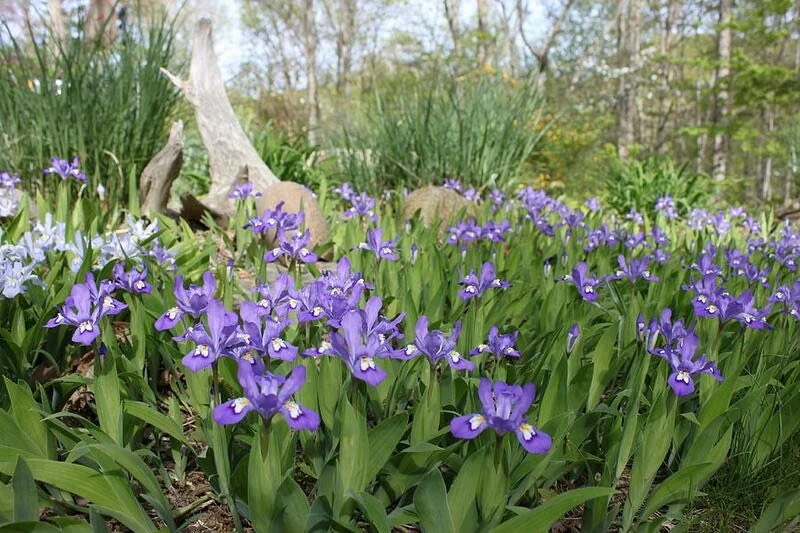
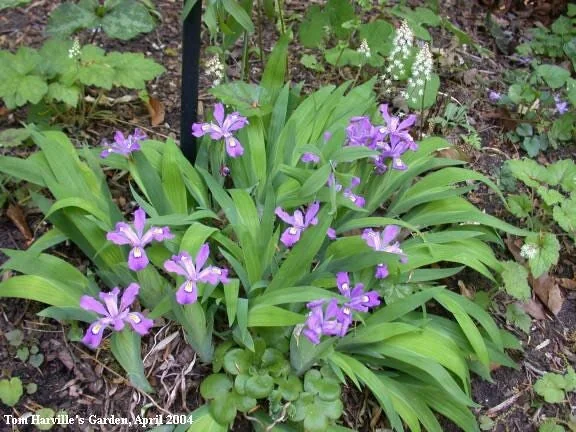
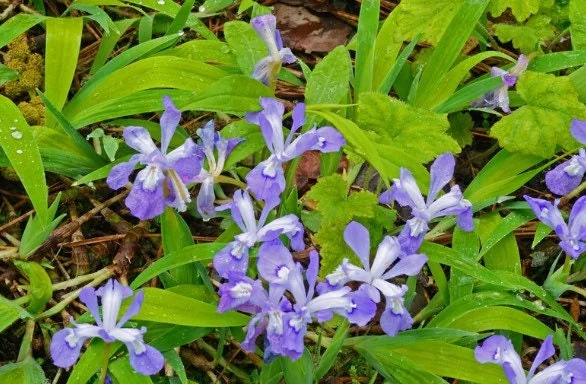
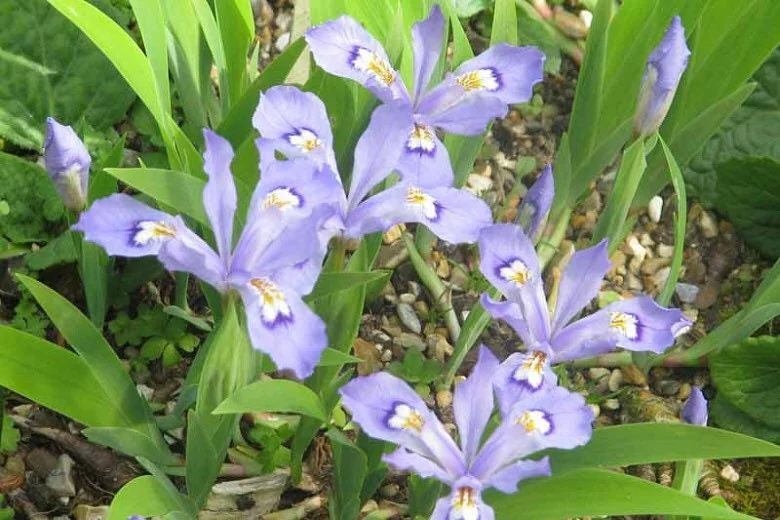
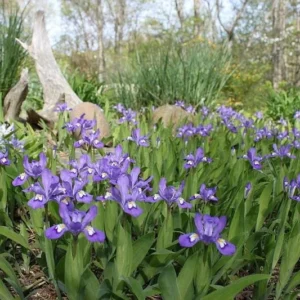
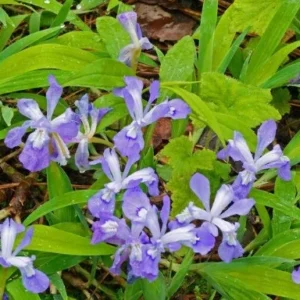
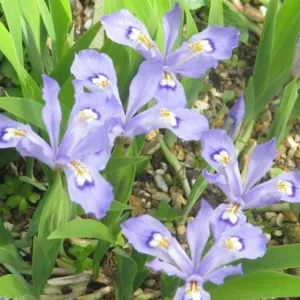
The dwarf crested iris bare root is a fantastic choice for gardeners looking to introduce native flora that supports local ecosystems. Its charming blue-purple flowers, often adorned with a white or yellow crest, emerge in early to mid-spring, signaling the arrival of warmer weather. These plants are incredibly adaptable and, once established, require minimal care, making them perfect for both experienced gardeners and beginners. Embrace the natural beauty and ecological benefits of these stunning native wildflower plants, which will return year after year to delight with their cheerful blossoms.
Key Benefits
Incorporating dwarf crested iris bare root into your landscape offers a multitude of advantages, enhancing both the aesthetic appeal and ecological value of your garden. These plants are not only beautiful but also remarkably resilient.
- Charming Spring Blooms: Enjoy a spectacular display of lovely blue-purple flowers with distinctive crested petals in early to mid-spring, adding vibrant color to your garden when many other plants are just beginning to emerge.
- Native and Eco-Friendly: As native wildflower plants, they are perfectly adapted to local conditions, requiring less water and maintenance once established. They also support local pollinators like bees and butterflies, contributing to a healthier ecosystem.
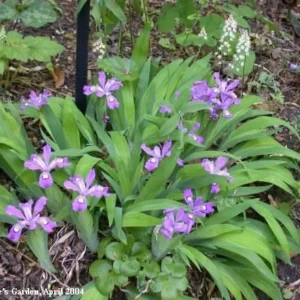
- Excellent Groundcover: Their compact size and spreading habit make them an ideal choice for naturalizing areas, filling in gaps, or creating a beautiful carpet of foliage and flowers under trees or in shaded borders.
- Low Maintenance: Once planted, these Iris Cristata plants are remarkably self-sufficient. They are drought-tolerant and pest-resistant, making them a hassle-free addition to any garden.
- Versatile Landscaping: Suitable for a variety of garden styles, including woodland gardens, rock gardens, cottage gardens, or as a charming border plant. Their adaptability makes them a versatile choice for diverse landscapes.
- Organically Grown: Our iris cristata plants are cultivated using organic methods, ensuring you receive healthy, chemical-free roots that are safe for your garden and the environment.
- Easy to Establish: Shipped as fresh bare roots with detailed planting instructions, they are straightforward to plant and establish, even for novice gardeners.
Plant Care & Growing Tips
Caring for your dwarf crested iris bare root plants is relatively simple, ensuring a rewarding blooming season year after year. These resilient iris cristata plants thrive in conditions that mimic their natural woodland habitat. For optimal growth, choose a location that receives partial shade to full shade, especially in hotter climates. While they can tolerate some morning sun, protection from intense afternoon sun is crucial to prevent leaf scorch. When considering crested iris care, soil is a key factor. They prefer well-draining, humus-rich soil that is consistently moist but not waterlogged. Amending your planting site with compost or leaf mold can significantly improve soil structure and fertility.
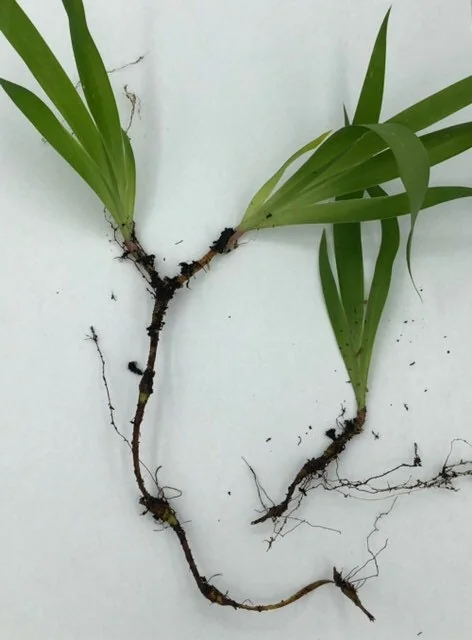
Plant your bare roots in the fall or early spring. Dig a shallow hole, spreading the roots out, and cover with about an inch of soil. The rhizome should be just at or slightly below the soil surface. Water thoroughly after planting to settle the soil around the roots. Once established, dwarf iris planting requires minimal irrigation, as they are quite drought-tolerant. However, during prolonged dry spells, occasional watering will benefit them. Fertilize sparingly in early spring with a balanced, slow-release granular fertilizer, or top-dress with compost. Deadhead spent flowers to maintain a tidy appearance, but allow foliage to remain until it yellows naturally, as it helps nourish the rhizome for the following year’s blooms. These native wildflower plants are generally resistant to pests and diseases, making them a low-fuss option for naturalizing.
Size & Details
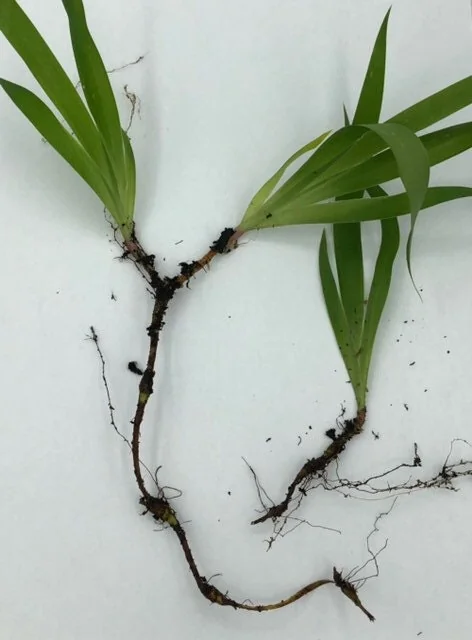
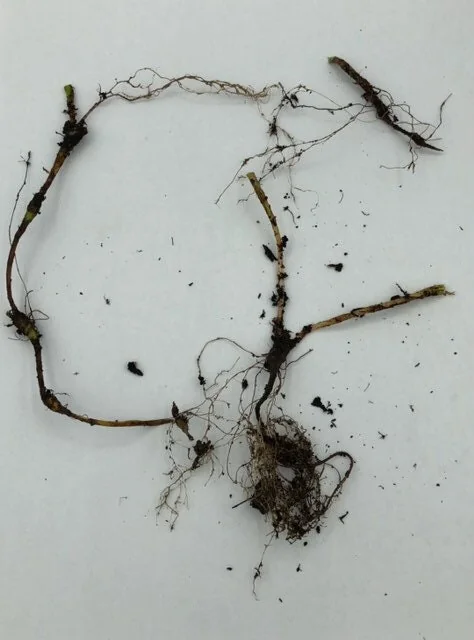
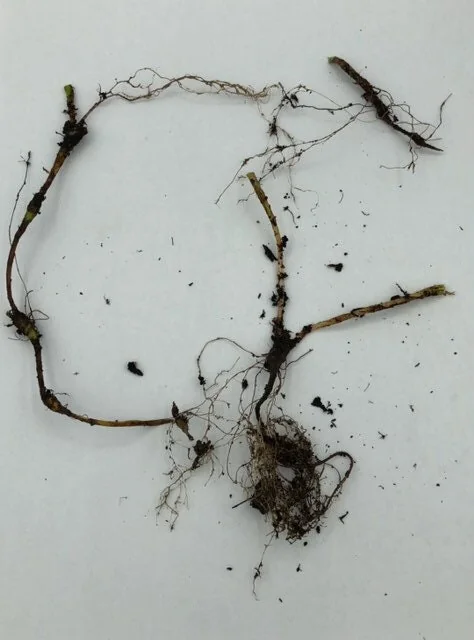
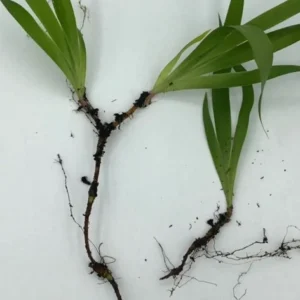
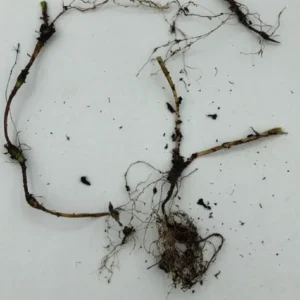
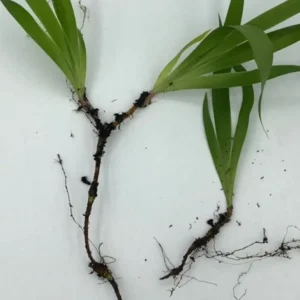
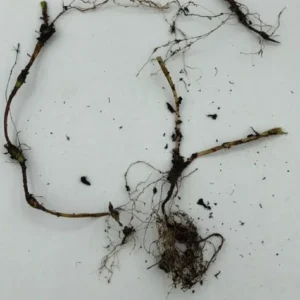
This offering includes 20 Dwarf Crested Iris Cristata bare root plants. Each bare root is carefully selected to ensure viability and vigorous growth. Upon maturity, these Iris Cristata plants typically reach a modest height of 6 to 8 inches (15-20 cm) with a spread of 6 to 12 inches (15-30 cm), forming attractive clumps over time. They have a moderate growth rate, establishing well within their first year and gradually spreading to form a beautiful groundcover. These plants are shipped as dormant bare roots, meaning they will not have foliage or a pot, which is the ideal way to transport and plant them for successful establishment. They are ready to be planted upon arrival and will begin to sprout new growth as temperatures warm in spring. Expect beautiful blooms within the first year or two after planting, providing a delightful display of color. This generous quantity of 20 bare roots allows for significant coverage in your garden, perfect for creating naturalized drifts or filling larger areas with charming iris cristata plants.
Frequently Asked Questions
- Q: How big do these Dwarf Crested Iris plants get? A: The dwarf crested iris bare root plants typically grow to a compact height of 6 to 8 inches tall with a spread of 6 to 12 inches, making them ideal for groundcover or front-of-the-border plantings. They form attractive, spreading clumps over time.
- Q: Is this an indoor or outdoor plant? A: These iris cristata plants are outdoor plants, ideally suited for garden beds, woodland settings, rock gardens, and naturalized areas. They are native wildflowers that thrive in outdoor environments.
- Q: How much sunlight does it need? A: Crested iris care requires partial to full shade. While they can tolerate some morning sun, they prefer protection from intense afternoon sun, especially in warmer climates, to prevent leaf burn.
- Q: Is this plant easy to care for? A: Yes, the Dwarf Crested Iris is considered a low-maintenance plant. Once established, it is relatively drought-tolerant and pest-resistant, making it an excellent choice for both beginner and experienced gardeners looking for native wildflower plants.
- Q: What condition will the bare roots arrive in? A: You will receive 20 healthy bare root plants. They are harvested per order and shipped same-day to ensure they arrive in good condition, ready for planting, without foliage or a pot.
- Q: When is the best time to plant dwarf iris bare roots? A: The best times for dwarf iris planting are in the fall or early spring. This allows the roots to establish before the heat of summer or intense cold of winter.
- Q: Will these Iris Cristata plants survive winter in my zone? A: Dwarf Crested Iris Cristata is generally hardy in USDA Zones 3-9. If you are within these zones, they should successfully overwinter and return each spring with new growth and blooms.
- Q: What kind of soil do these native wildflowers prefer? A: They prefer well-draining, humus-rich soil that retains some moisture. Amending your soil with organic matter like compost or leaf mold will provide the ideal conditions for these native wildflower plants.
- Q: How long until these bare roots bloom? A: While some iris cristata plants may produce a few blooms in their first spring after planting, they typically establish well in the first year and produce a more abundant display of flowers in their second year.
- Q: Do these dwarf crested iris plants spread? A: Yes, they are rhizomatous and will slowly spread over time to form attractive clumps and naturalized carpets, making them excellent for groundcover in suitable conditions.
Be the first to review “20 Dwarf Crested Iris Cristata Bare Root Plants – Native Wildflower”
People Also Viewed
Sold 50 products
Original price was: $41.56.$20.78Current price is: $20.78.
Sold 65 products
Original price was: $46.98.$37.58Current price is: $37.58.
Flower Plants
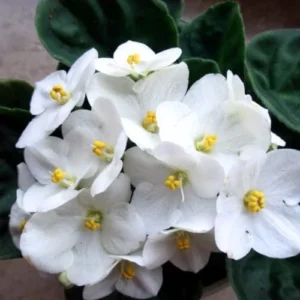
African Violet Live Plant – White Flower Houseplant – 4 Inch Pot – Ready to Grow Indoor
Sold 81 products
Original price was: $79.98.$39.99Current price is: $39.99.
Sold 77 products
Original price was: $63.96.$31.98Current price is: $31.98.
Sold 62 products
Original price was: $23.00.$18.40Current price is: $18.40.
Sold 66 products
Original price was: $319.96.$159.98Current price is: $159.98.
Sold 88 products
From $197.96
Sold 98 products
Original price was: $76.88.$38.44Current price is: $38.44.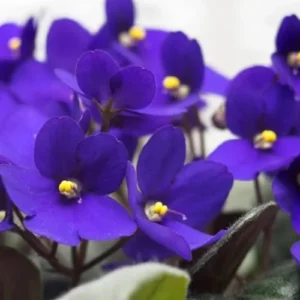
Flower Plants
African Violet Live Plant Houseplant – Dark Blue Flower, 4 Inch Pot – Indoor Ready to Grow
Sold 74 products
Original price was: $75.98.$37.99Current price is: $37.99.
Sold 65 products
Original price was: $100.00.$80.00Current price is: $80.00.
Sold 68 products
Original price was: $27.96.$13.98Current price is: $13.98.
Sold 84 products
Original price was: $115.80.$57.90Current price is: $57.90.
Sold 58 products
Original price was: $91.98.$45.99Current price is: $45.99.
Sold 95 products
Original price was: $396.00.$198.00Current price is: $198.00.
Sold 67 products
From $67.80
Sold 85 products
Original price was: $59.96.$29.98Current price is: $29.98.

Sold 64 products
Original price was: $80.00.$64.00Current price is: $64.00.
Sold 87 products
Original price was: $93.98.$46.99Current price is: $46.99.


Reviews
There are no reviews yet.