
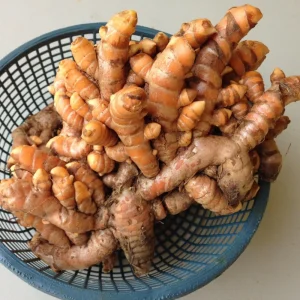
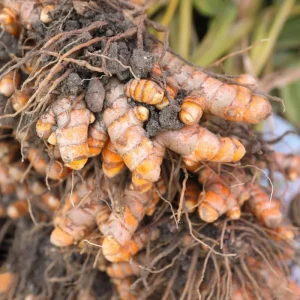
2 Yellow Turmeric Live Plants, 4-8″ Tall, for Garden & Containers, Well Rooted
Original price was: $49.98.$24.99Current price is: $24.99.
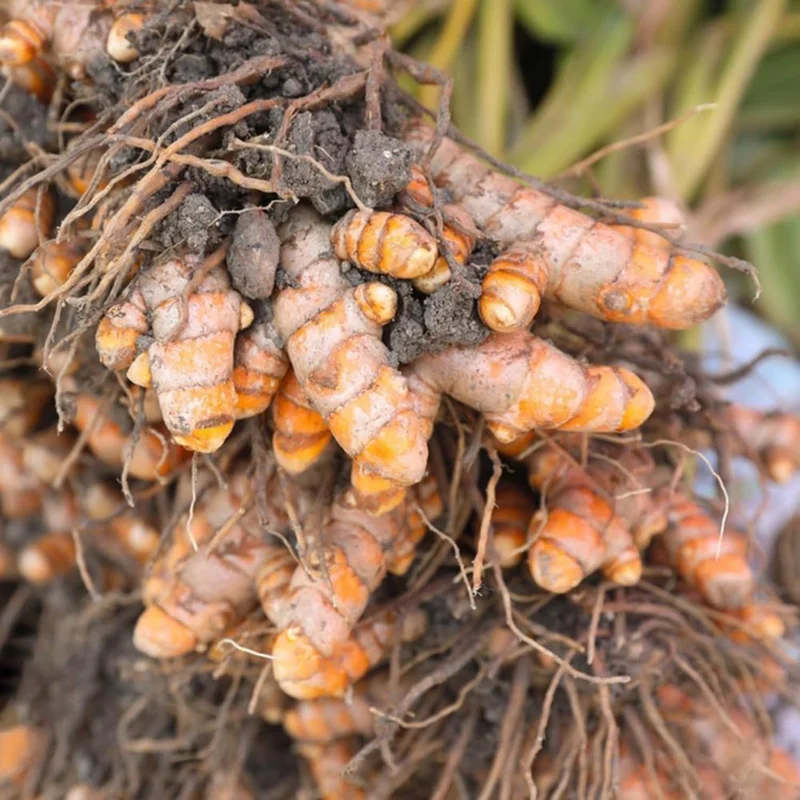
Cultivate your own vibrant spice with this pack of 2 yellow turmeric live plants, each 4-8 inches tall. These well-rooted starter plants are perfect for planting in gardens or containers, offering fresh turmeric for culinary and medicinal uses. Enjoy a low-maintenance, tropical herb that thrives in various settings.
-
USDA Hardiness Zone
8–11 (as perennial), 7 and below (as annual or container plant) -
Soil Type
Well-drained, rich, loamy soil -
Sunlight Exposure
Full sun to partial shade -
Expected Planting Period
Spring

You can track your order HERE
Mar 30
Apr 04 - Apr 06
Apr 09 - Apr 13
Shipping and return policies: Our Alive & Thrive Guarantee covers issues with your plants within the first 30 days. Reach out to us. Our team will answer your questions and help you find the plants that are truly suitable for your environment, climate, and personal preferences.

Overview
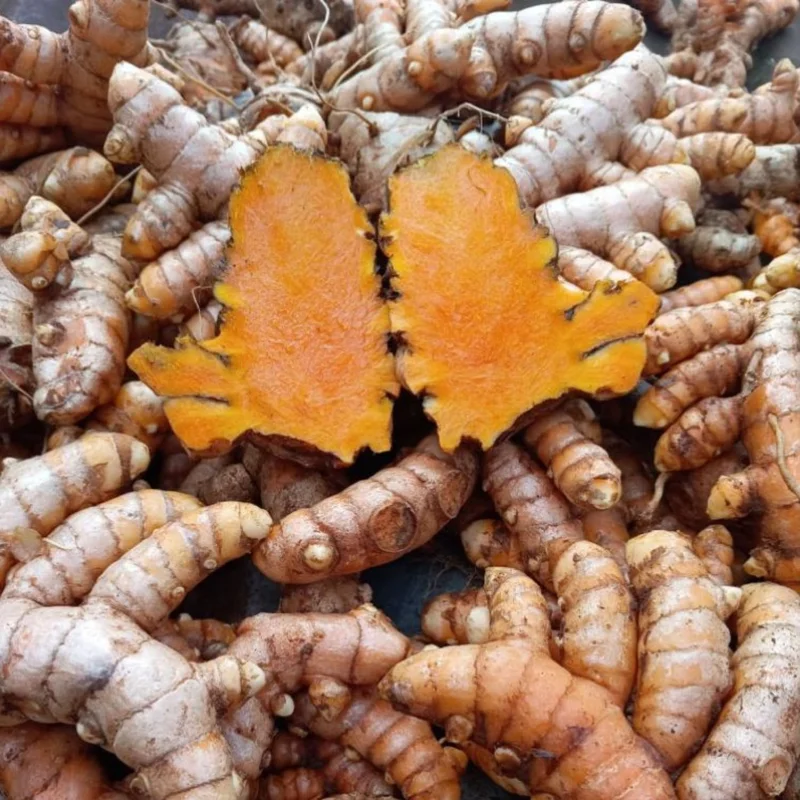
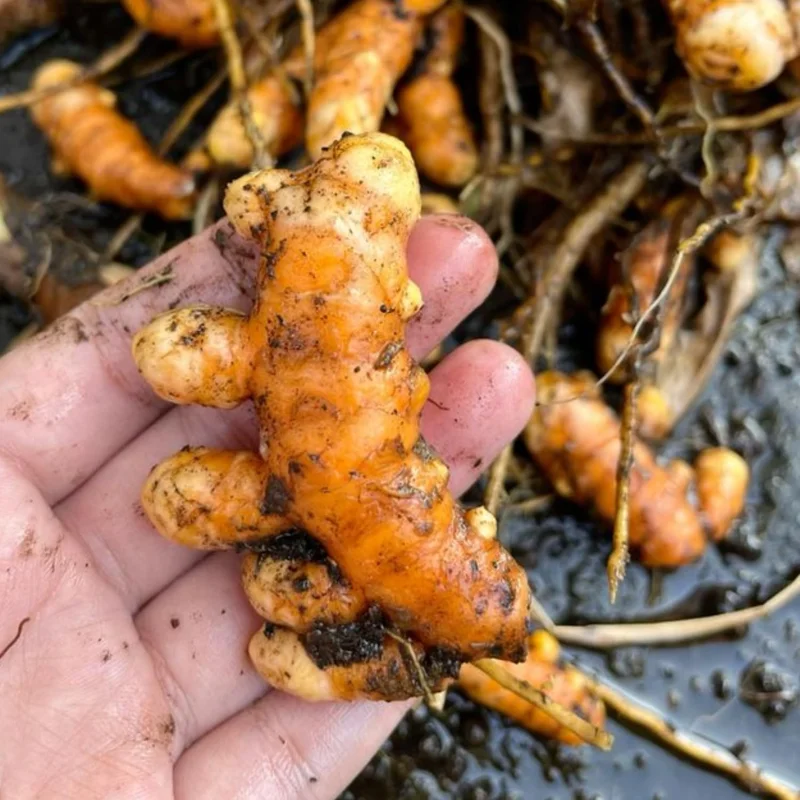
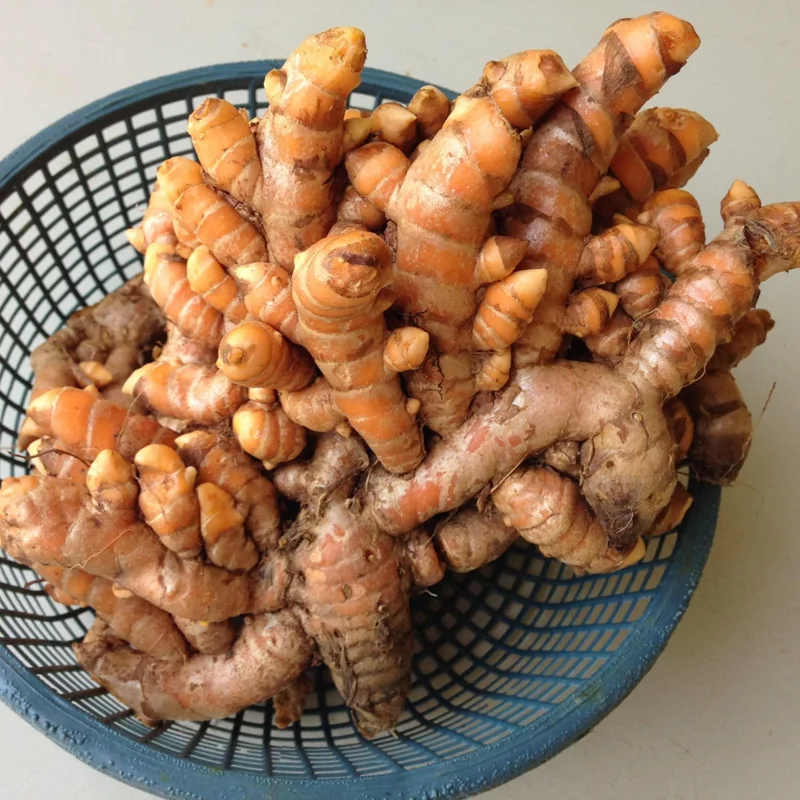
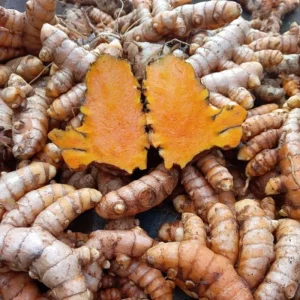
Bring the exotic flavor and numerous benefits of fresh turmeric to your home with this offering of two robust turmeric live plant starters. Each plant measures between 4 to 8 inches in height, arriving well-rooted and ready for planting. Turmeric, scientifically known as Curcuma longa, is a tropical herbaceous perennial renowned for its vibrant yellow rhizomes, which are widely used as a spice in cooking and appreciated for their traditional health properties. These starter plants are perfect for both novice and experienced gardeners, allowing you to easily cultivate your own supply of this valuable root. Whether you plan to grow them in a garden bed or keep them in containers on a patio or indoors, these plants promise a rewarding growing experience and a bounty of fresh turmeric.
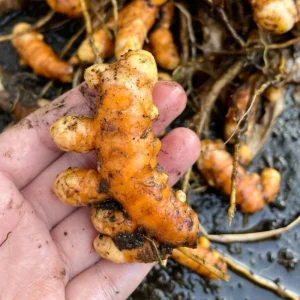
Our yellow turmeric plant specimens are cultivated to ensure vigor and adaptability, making them suitable for a variety of growing conditions. They are shipped in soil, without pots, ensuring minimal transplant shock and a smooth transition to their new home. Depending on the season, your plants may arrive dormant or with minimal foliage, which is a natural part of their growth cycle and indicates a healthy root system ready to sprout. Expect to harvest your own golden rhizomes approximately 8 to 10 months after planting, providing a sustainable source of this essential spice right from your backyard or windowsill.
Key Benefits
Growing your own turmeric live plant offers a multitude of benefits, from fresh culinary ingredients to the satisfaction of sustainable gardening. These plants are not only practical but also add a touch of tropical beauty to any space.
- Culinary Delights: Produce your own bright yellow turmeric roots, perfect for enhancing the flavor and color of curries, smoothies, teas, and various other dishes. Enjoy the freshest taste and aroma that store-bought turmeric can’t match.
- Hardy and Easy to Grow: These tropical herbs are surprisingly resilient and low-maintenance, making them an excellent choice for beginners. They thrive in full sun to partial shade and can adapt to various soil types with regular watering.
- Versatile Planting Options: Suitable for both indoor and outdoor cultivation. Plant them directly in your garden, in raised beds, or in containers, allowing you to enjoy fresh turmeric regardless of your available space.
- Health and Wellness: Fresh turmeric is celebrated for its natural compounds, particularly curcumin, which is often associated with various health benefits. Having a fresh supply ensures you get the most potent form.
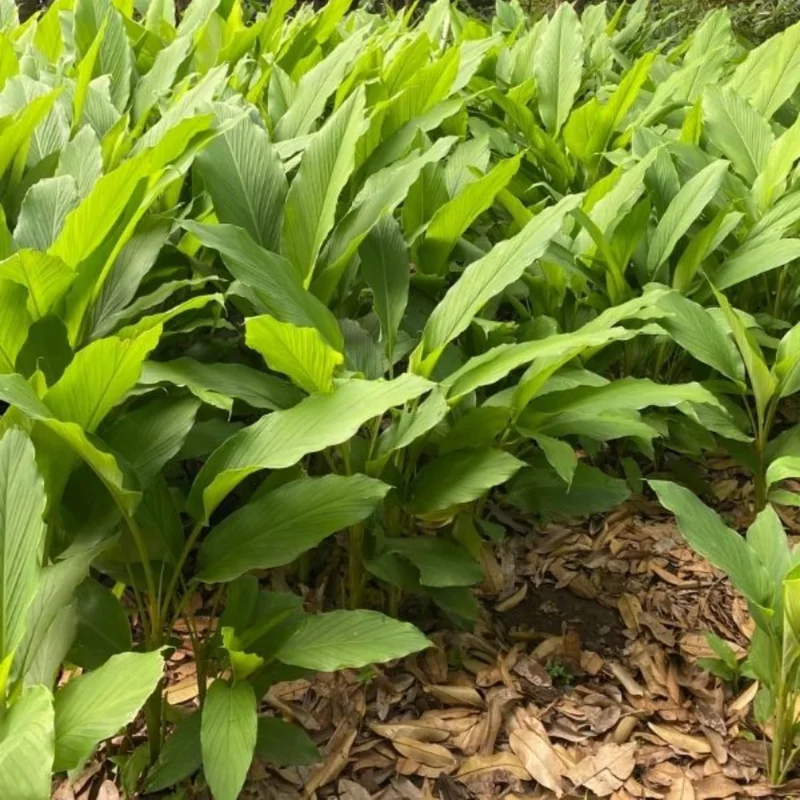
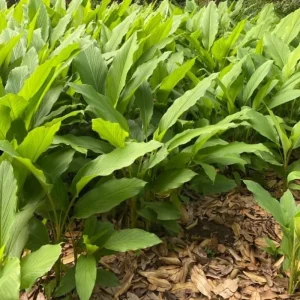
- Aesthetic Appeal: Beyond its practical uses, the turmeric plant features lush green foliage that adds a vibrant, tropical aesthetic to your garden, patio, or indoor plant collection.
- Sustainable Sourcing: By choosing to grow turmeric at home, you reduce your reliance on commercially produced spices, supporting a more sustainable and self-sufficient lifestyle.
- Educational Experience: A fantastic way to educate children and adults alike about where their food comes from and the process of growing edible plants.
Plant Care & Growing Tips
Caring for your turmeric live plant is straightforward, especially if you provide the right conditions. Turmeric is a tropical plant, so mimicking its native environment will yield the best results. For optimal growth, ensure your plants receive ample sunlight. They prefer full sun to partial shade, meaning at least 6-8 hours of direct sunlight per day when grown outdoors. If growing indoors, place them near a south-facing window or under grow lights to ensure they get enough illumination. Adequate warmth is also crucial; turmeric thrives in temperatures between 68-95°F (20-35°C) and is sensitive to frost.
Watering is key to successful turmeric cultivation. The soil should be consistently moist but never waterlogged. Allow the top inch of soil to dry out slightly between waterings. Overwatering can lead to root rot, while underwatering will stunt growth. Well-draining soil is essential; a rich, loamy soil amended with compost or other organic matter is ideal. For container planting, use a high-quality potting mix with good drainage. These plants are hardy in USDA Zones 8-11, where they can be grown as perennials. In cooler zones, they should be grown as annuals or brought indoors during winter to protect them from cold temperatures. Fertilize every 2-4 weeks during the growing season with a balanced liquid fertilizer to support vigorous rhizome development. Regular feeding helps ensure a healthy and productive yellow turmeric plant.
Pest and disease issues are generally minimal for turmeric, especially when grown in healthy conditions. Keep an eye out for common garden pests like aphids or spider mites, which can be managed with insecticidal soap or neem oil. Ensure good air circulation, particularly in humid environments, to prevent fungal issues. Learning proper turmeric plant care will lead to a bountiful harvest. Remember that the plants may go dormant in cooler temperatures or shorter daylight hours, shedding their leaves. This is a natural process, and they will regrow when conditions improve. For those interested in organic turmeric plant cultivation, focus on natural fertilizers and pest control methods.
Size & Details
This offering includes two healthy turmeric live plant starter specimens, each measuring approximately 4 to 8 inches in height. These plants are shipped well-rooted in soil, ready for immediate planting upon arrival. They do not come with a pot, allowing you the flexibility to choose the perfect container or garden spot. Turmeric plants are known for their moderate growth rate and can reach a mature height of 3-5 feet with an equal spread, forming a dense clump of lush foliage. The rhizomes typically develop underground, expanding as the plant matures.
Harvesting usually occurs 8-10 months after planting, once the leaves begin to yellow and die back, indicating the rhizomes have fully matured. These plants are suitable for growing as perennials in USDA Zones 8–11. In cooler climates (Zones 7 and below), they can be cultivated as annuals or grown in containers and brought indoors before the first frost. Each starter plant provides a strong foundation for developing a robust turmeric clump, yielding several ounces of fresh rhizomes per plant in optimal conditions. The size and health of these starters make them an excellent choice for anyone looking to grow turmeric at home.
Frequently Asked Questions
- Q: How big do these turmeric live plants get? A: Each starter plant is 4-8 inches tall upon arrival. Mature turmeric plants can reach 3-5 feet in height and spread, forming a lush, leafy clump over time. The rhizomes grow underground.
- Q: Is this an indoor or outdoor plant? A: These turmeric live plant starters can be grown both indoors and outdoors. They thrive outdoors in warm climates (USDA Zones 8-11) or can be grown as annuals in cooler zones. Indoors, they need a bright, warm spot.
- Q: How much sunlight does a yellow turmeric plant need? A: Turmeric plants prefer full sun to partial shade, ideally receiving 6-8 hours of direct sunlight daily. If growing indoors, a south-facing window or supplemental grow light is recommended.
- Q: Is this plant easy to care for? Is it good for beginners? A: Yes, turmeric is considered a relatively easy-to-grow tropical herb, making it suitable for beginners. Providing consistent moisture, warmth, and adequate sunlight are the main requirements for successful turmeric plant care.
- Q: What condition will the turmeric plants arrive in? A: Your turmeric live plant starters will arrive well-rooted in soil, without a pot. Depending on the season, they may arrive dormant or with minimal foliage, which is normal for this type of plant.
- Q: Can I use the turmeric from these plants in cooking? A: Absolutely! The primary purpose of growing these plants is to harvest the bright yellow rhizomes for culinary use. They are perfect for adding fresh, vibrant flavor to your dishes.
- Q: How long until I can harvest the turmeric? A: You can typically expect to harvest the turmeric rhizomes 8-10 months after planting. The best time to harvest is when the plant’s foliage starts to yellow and die back naturally.
- Q: What kind of soil is best for growing turmeric? A: Turmeric prefers rich, well-draining soil. A loamy soil amended with plenty of organic matter, such as compost, provides the ideal growing medium for healthy rhizome development.
- Q: Will these plants survive winter in my zone? A: These turmeric plants are hardy in USDA Zones 8-11. In zones colder than 8, they should be grown as annuals or brought indoors as container plants before the first frost to protect them from freezing temperatures.
- Q: What is the best way to ensure my organic turmeric plant thrives? A: For an organic turmeric plant, focus on using organic potting mixes and fertilizers. Ensure consistent watering, provide plenty of warmth and light, and address any pest issues with natural, organic solutions like neem oil.
| Color | Yellow Turmeric |
|---|
Be the first to review “2 Yellow Turmeric Live Plants, 4-8″ Tall, for Garden & Containers, Well Rooted”
People Also Viewed
Sold 96 products
Original price was: $41.56.$20.78Current price is: $20.78.
Sold 87 products
Original price was: $74.76.$37.38Current price is: $37.38.

Sold 69 products
Original price was: $300.00.$150.00Current price is: $150.00.

Sold 87 products
Original price was: $89.98.$44.99Current price is: $44.99.
Sold 60 products
Original price was: $79.80.$39.90Current price is: $39.90.
Flower Plants
Sword Dance Peony Bare Root – Red Japanese Peony Plant – Paeonia lactiflora – Outdoor Perennial
Sold 79 products
Original price was: $91.80.$45.90Current price is: $45.90.
Sold 52 products
Original price was: $47.58.$23.79Current price is: $23.79.
Sold 76 products
Original price was: $86.00.$43.00Current price is: $43.00.
Sold 93 products
Original price was: $49.98.$24.99Current price is: $24.99.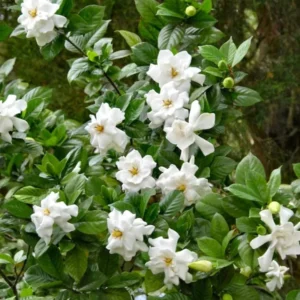
Flower Plants
Cape Jasmine Plants – 2 Live Gardenia Plants – 4-6 Inch – Blooming Indoor Outdoor Jasmine
Sold 94 products
Original price was: $59.96.$29.98Current price is: $29.98.
Sold 68 products
Original price was: $32.18.$16.09Current price is: $16.09.
Seeds
Lithops Living Stone Succulent Seeds – Rare Flower Cactus Plant Seeds – Easy to Grow Indoor/Outdoor
Sold 56 products
Original price was: $18.76.$9.38Current price is: $9.38.
Sold 54 products
Original price was: $27.98.$13.99Current price is: $13.99.
Sold 50 products
Original price was: $30.78.$15.39Current price is: $15.39.
Sold 80 products
Original price was: $580.00.$290.00Current price is: $290.00.
Sold 59 products
Original price was: $54.36.$27.18Current price is: $27.18.
Sold 54 products
From $20.60
HousePlants
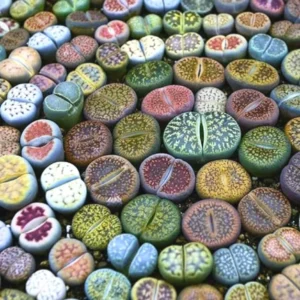
Lithops Live Plants Mix – 30 Colorful Succulents – Living Stones for Indoor/Outdoor Planting
Sold 70 products
Original price was: $65.98.$32.99Current price is: $32.99.


Reviews
There are no reviews yet.