
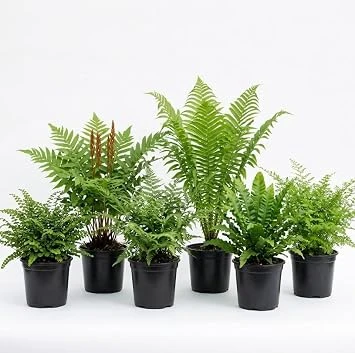
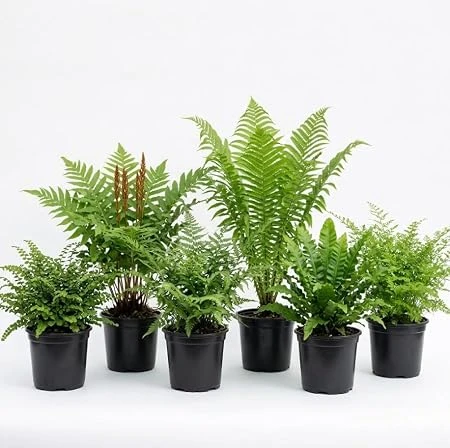
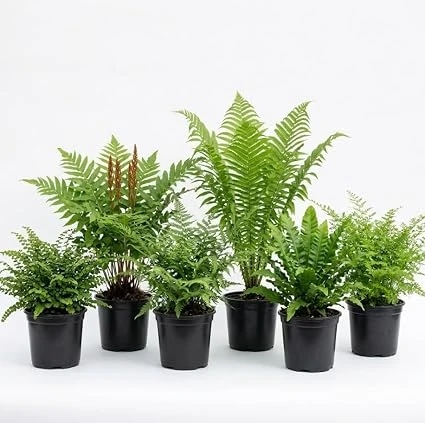
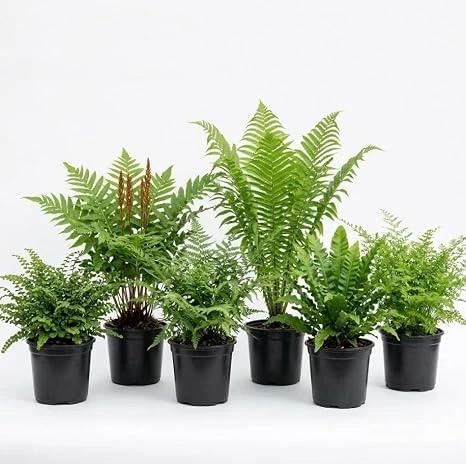
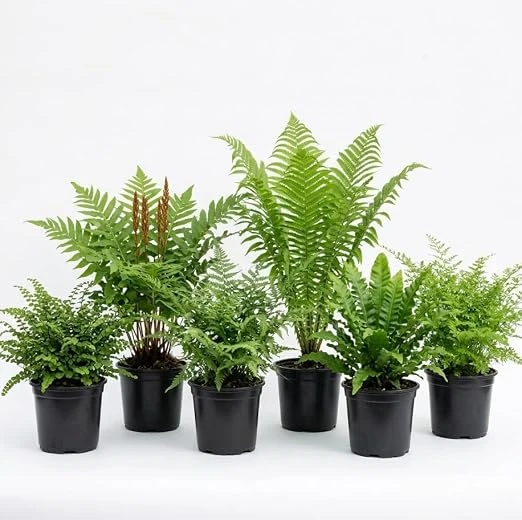
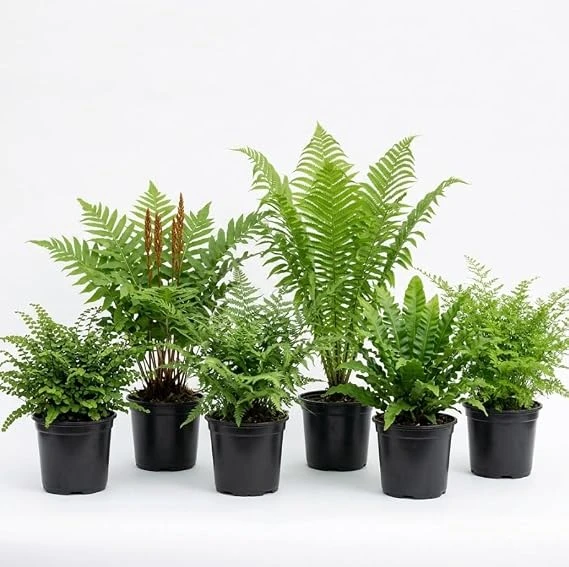
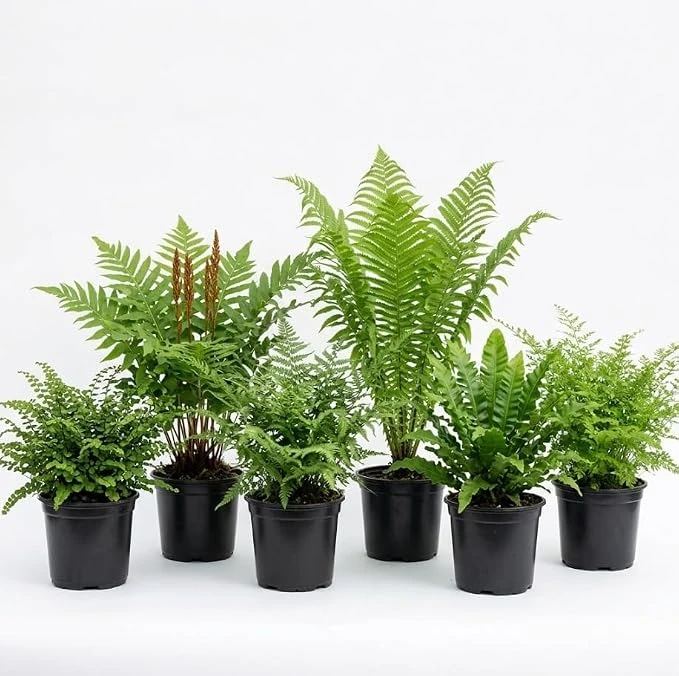
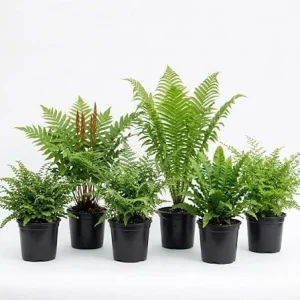
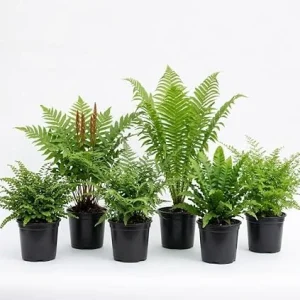
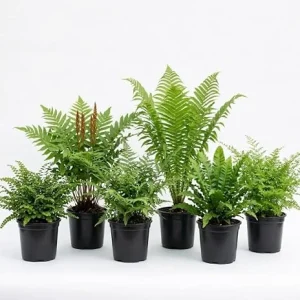
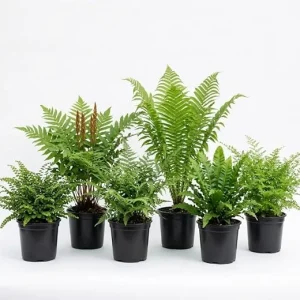
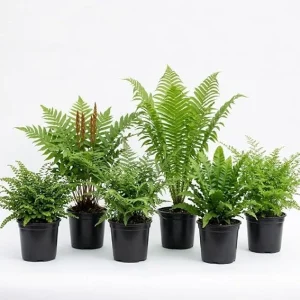
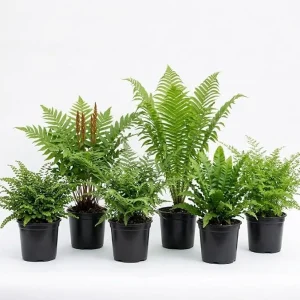
10 Fern Rhizomes Mixed Bare Roots 3-6″ Long – Live Perennial Plants for Shade
Original price was: $59.98.$29.99Current price is: $29.99.
Transform your shaded garden with a collection of fern rhizomes. This bundle includes 10 mixed bare roots, each measuring 3-6 inches long, ready to establish quickly. Enjoy lush, green perennial foliage year after year with these easy-to-grow live fern plants.
-
USDA Hardiness Zone
USDA zones 3-9 -
Soil Type
Rich, well-draining soil -
Sunlight Exposure
Partial to full shade -
Expected Planting Period
Spring to early fall

You can track your order HERE
Oct 30
Nov 04 - Nov 06
Nov 09 - Nov 13
Shipping and return policies: Our Alive & Thrive Guarantee covers issues with your plants within the first 30 days. Reach out to us. Our team will answer your questions and help you find the plants that are truly suitable for your environment, climate, and personal preferences.

Overview
Introduce natural elegance and vibrant greenery to your outdoor spaces with our collection of fern rhizomes. This offering includes 10 fresh, mixed bare root divisions, each measuring between 3 and 6 inches long. These robust rhizomes are carefully selected to ensure vigorous growth and quick establishment in your garden. Perfect for creating a serene, woodland aesthetic, these perennial ferns will return year after year, offering a continuous display of lush, verdant foliage.
Our selection provides a delightful variety, ensuring a diverse and interesting texture in your landscape. You’ll receive a random assortment from popular species such as Spleenwort Fern, Cinnamon Fern, Lady Fern, Ostrich Fern, Christmas Fern, and Hay-scented Fern. These varieties are renowned for their adaptability and beauty, making them an excellent choice for gardeners looking to enhance shaded or partially shaded areas. Planting these fern rhizomes is a simple and rewarding way to bring enduring beauty to your garden.
Key Benefits
Investing in these live fern plants offers numerous advantages, transforming your garden into a verdant sanctuary. Their natural beauty and resilience make them a superb choice for various outdoor settings.
- Year-Round Appeal: Many of these perennial ferns will return each growing season, providing consistent lush greenery and texture from spring through fall, and some even offer winter interest.
- Low Maintenance: Once established, these bare root ferns require minimal care. They are naturally hardy and thrive with little intervention, making them ideal for busy gardeners.
- Shade Loving: Perfect for those challenging shaded spots in your garden where other plants struggle. Ferns naturally flourish in dappled light or full shade, adding life to dim areas.
- Naturalizing Effect: These rhizomes will spread gently over time, creating a beautiful, naturalized groundcover that enhances the aesthetic appeal of woodland gardens, borders, and under trees.
- Erosion Control: Their spreading root systems help stabilize soil, making them excellent choices for slopes or areas prone to erosion, contributing to a healthier landscape.
- Habitat Creation: By providing dense foliage, these ferns offer shelter and nesting opportunities for small wildlife, contributing to local biodiversity.
- Air Purification: Like all plants, ferns help improve air quality by absorbing carbon dioxide and releasing oxygen, creating a fresher outdoor environment.
Plant Care & Growing Tips
Caring for your fern rhizomes is straightforward, especially when you understand their preferred growing conditions. These plants are remarkably resilient, and with a little attention, they will flourish and become a beloved part of your garden for years to come.
Sunlight Requirements: Ferns are primarily shade-loving plants. They thrive in partial to full shade, meaning they prefer areas that receive dappled sunlight throughout the day or direct sun for only 1-3 hours, typically in the morning. Avoid intense, direct afternoon sun, which can scorch their delicate fronds. When planting your bare root ferns, observe your garden’s light patterns to choose the most suitable location.
Watering Schedule and Soil Moisture: Consistent moisture is key for healthy ferns. The soil should remain consistently moist but never waterlogged. Water regularly, especially during dry spells and in their first year of establishment. Reduce watering slightly in cooler months. Good drainage is crucial to prevent root rot, even though they love moisture. These live fern plants will show signs of stress (browning fronds) if allowed to dry out excessively.
Soil Type and Drainage: Ferns prefer rich, well-draining soil with a slightly acidic to neutral pH. Incorporating organic matter such as compost or leaf mold into the planting site will greatly benefit their growth, improving both drainage and moisture retention. A loamy soil texture is ideal. Ensure the planting area allows for excess water to drain away freely.
Temperature Range and USDA Hardiness Zone: Most of the mixed fern rhizomes in this collection are hardy perennials. They are generally suitable for USDA Hardiness Zones 3-9, depending on the specific species. They are tolerant of a wide range of temperatures but prefer cooler, more humid environments. Provide winter mulch in colder zones to protect the rhizomes.
Fertilization Schedule and Type: Ferns are not heavy feeders. A light application of a balanced, slow-release granular fertilizer in early spring, or an annual top-dressing of compost, is usually sufficient. Avoid over-fertilizing, which can harm their delicate roots. For newly planted shade garden ferns, focus on providing rich soil rather than chemical fertilizers.
Common Problems and Solutions: The most common issues for ferns are related to improper watering or light. Yellowing fronds often indicate too much sun or overwatering, while browning tips can signal insufficient humidity or underwatering. Pests are generally not a major problem for ferns, but occasional slugs or snails can be managed with organic baits or hand-picking. Ensure good air circulation to prevent fungal issues in humid conditions.
Size & Details
This collection provides 10 robust bare root ferns, ready for immediate planting. Each individual rhizome measures approximately 3 to 6 inches long, offering a substantial start for your garden. These divisions are shipped fresh and dormant, ensuring they are prepared to establish quickly once planted. You will receive a random mix of popular fern varieties, such as Spleenwort Fern, Cinnamon Fern, Lady Fern, Ostrich Fern, Christmas Fern, and Hay-scented Fern, providing diversity in your landscape.
Once planted, these perennial ferns will begin to develop fronds and establish their root systems. Growth rate varies by species, but you can expect to see initial foliage within the first growing season. Over time, they will mature into beautiful, full plants, with some varieties reaching heights of 1 to 3 feet, creating a dense, verdant display in your shade garden ferns. The natural spreading habit of these rhizomes will gradually fill out your chosen planting area, creating a lush groundcover or border.
Frequently Asked Questions
- Q: How big do these fern rhizomes get once planted? A: The mature size of these live fern plants varies by species, but most will grow to be between 1 to 3 feet tall and equally wide, creating a dense, lush display over time. Their spreading nature means they will gradually fill out their allotted space.
- Q: Is this an indoor or outdoor plant? A: These are primarily outdoor perennial ferns, perfectly suited for garden beds, borders, and woodland settings. They are hardy and designed to thrive in the natural conditions of a garden environment.
- Q: How much sunlight do these ferns need? A: These shade garden ferns prefer partial to full shade. They are best placed in areas that receive dappled sunlight throughout the day or only a few hours of gentle morning sun. Avoid direct, intense afternoon sun.
- Q: Are these fern rhizomes difficult to care for? A: No, these bare root ferns are generally very easy to care for once established. They require consistent moisture and a shaded location, making them an excellent choice for beginner gardeners or those looking for low-maintenance plants.
- Q: What condition will the rhizomes arrive in? A: You will receive fresh, dormant fern rhizomes with bare roots, typically measuring 3-6 inches long. They are ready to be planted directly into your garden upon arrival.
- Q: When is the best time to plant these fern rhizomes? A: The ideal time to plant these live fern plants is in the spring or early fall when temperatures are mild. This allows them sufficient time to establish their root systems before extreme heat or cold.
- Q: Will these ferns survive winter in my zone? A: Most of the mixed perennial ferns in this collection are hardy in USDA Zones 3-9. In colder zones, applying a layer of mulch in late fall will help protect the rhizomes through winter.
- Q: Can I grow these ferns in containers? A: While primarily suited for ground planting, some varieties can be grown in large containers, provided they have adequate drainage, consistent moisture, and are placed in a shaded location.
- Q: What type of soil do these ferns prefer? A: These ferns thrive in rich, well-draining soil with plenty of organic matter. A slightly acidic to neutral pH is ideal for optimal growth and health of your fern rhizomes.
- Q: Are these ferns pet-safe? A: While many ferns are considered non-toxic, it’s always best to research specific varieties if you have pets that chew on plants. Generally, these garden ferns are not known to be highly toxic, but caution is advised.
Be the first to review “10 Fern Rhizomes Mixed Bare Roots 3-6″ Long – Live Perennial Plants for Shade”
People Also Viewed


Flower Bulbs
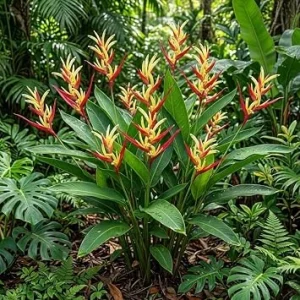
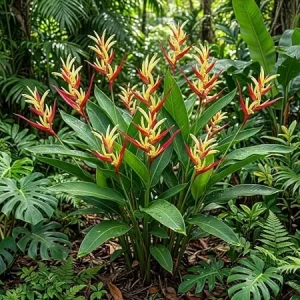
Pack 2 Heliconia Psittacorum Rhizomes – Tropical Bird of Paradise Bare Root Plants, 6-8 Inches Long
Sold 95 products
Original price was: $89.98.$44.99Current price is: $44.99.





Flower Plants
Tropical Milkweed Live Plant – Asclepias curassavica – 4 inch Pot – Outdoor Pollinator
Sold 72 products
Original price was: $24.98.$11.99Current price is: $11.99.


Fruits
Thornless Blackberry Live Plants – 2 Pack, Primocane Fruiting, Large Sweet Fruit, 4-6 inch Starters
Sold 83 products
Original price was: $47.98.$23.99Current price is: $23.99.




Sold 92 products
Original price was: $57.98.$28.99Current price is: $28.99.




Reviews
There are no reviews yet.