
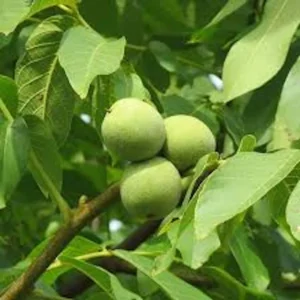
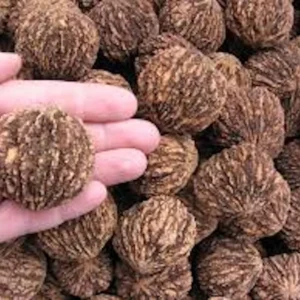
10 Black Walnut Tree Seeds – Juglans Nigra, Organic Planting, Fast Growing
Original price was: $34.00.$27.20Current price is: $27.20.
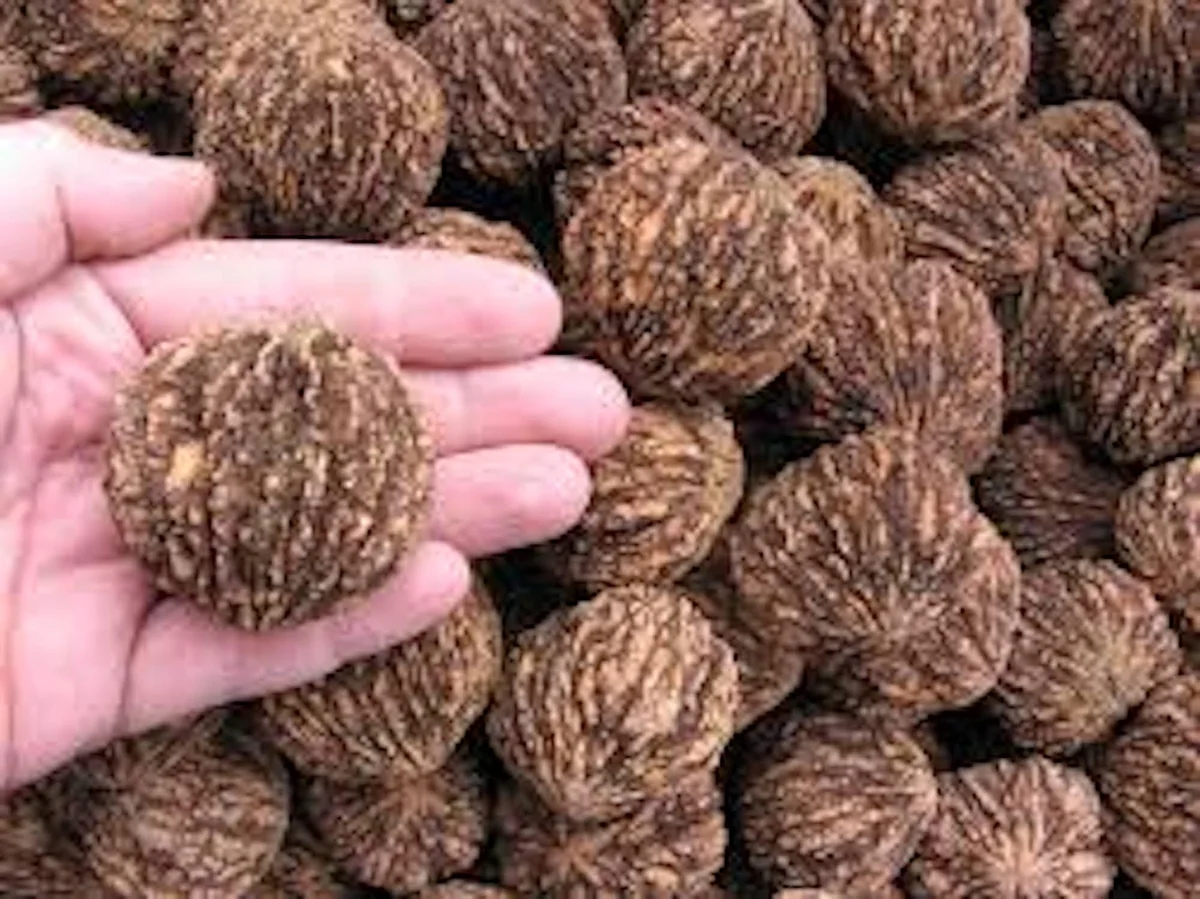
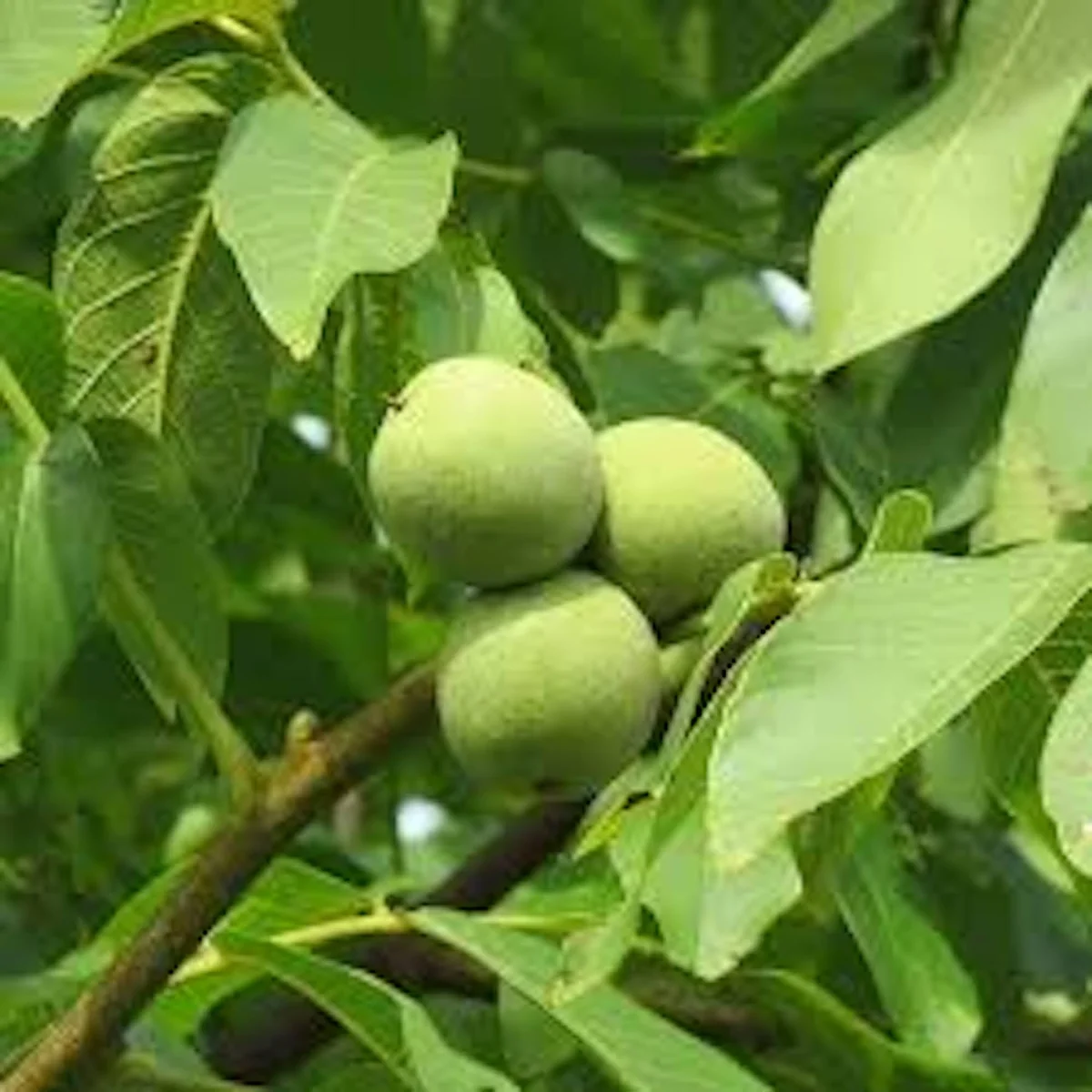
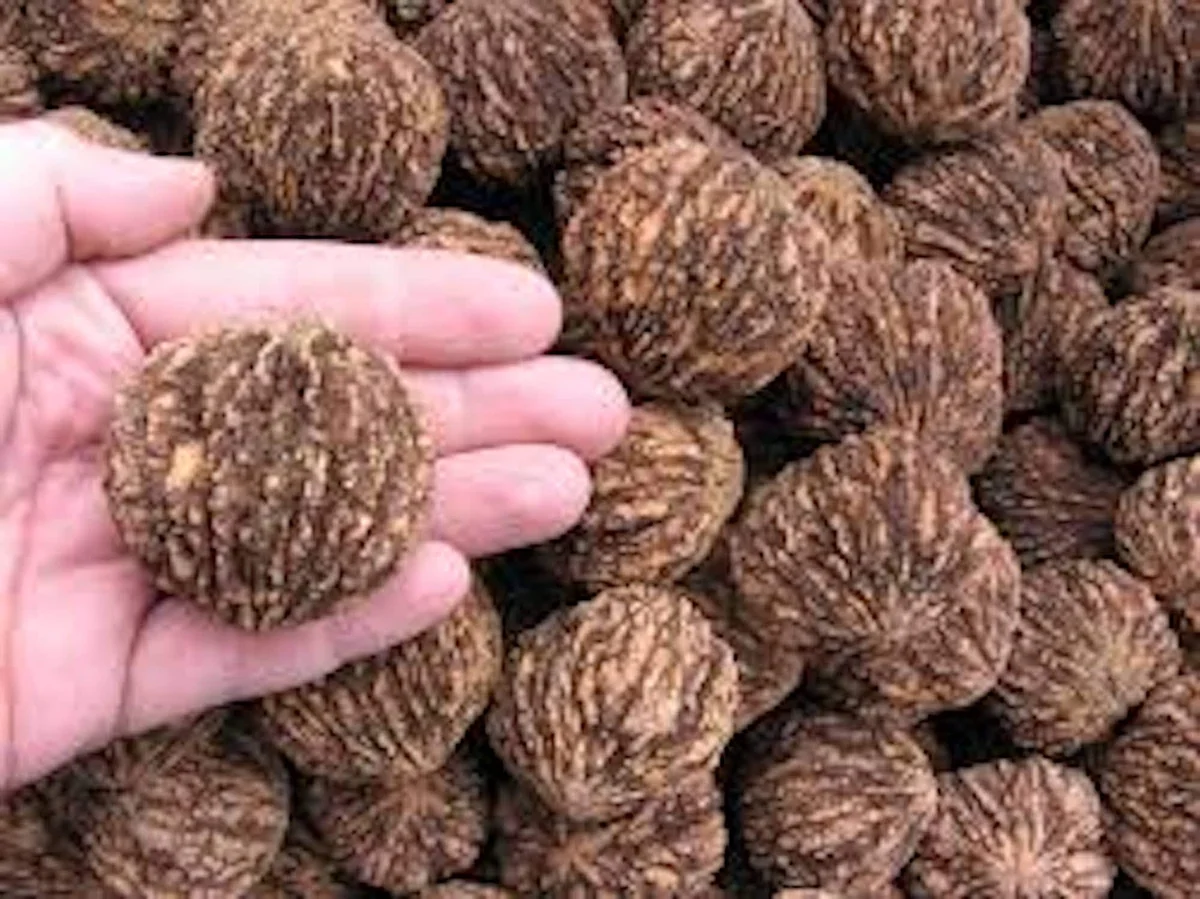
Cultivate magnificent black walnut tree seeds (Juglans Nigra) with this pack of 10 organic seeds. Ideal for gardeners seeking to grow trees for their delicious nuts, valuable timber, and ecological benefits. These hardy seeds are perfect for creating a sustainable garden and attracting wildlife.
-
USDA Hardiness Zone
USDA Zones 4-9 -
Soil Type
Well-draining, deep, fertile loam -
Sunlight Exposure
Full sun -
Expected Planting Period
Late fall to early spring

You can track your order HERE
Apr 13
Apr 18 - Apr 20
Apr 23 - Apr 27
Shipping and return policies: Our Alive & Thrive Guarantee covers issues with your plants within the first 30 days. Reach out to us. Our team will answer your questions and help you find the plants that are truly suitable for your environment, climate, and personal preferences.

Overview
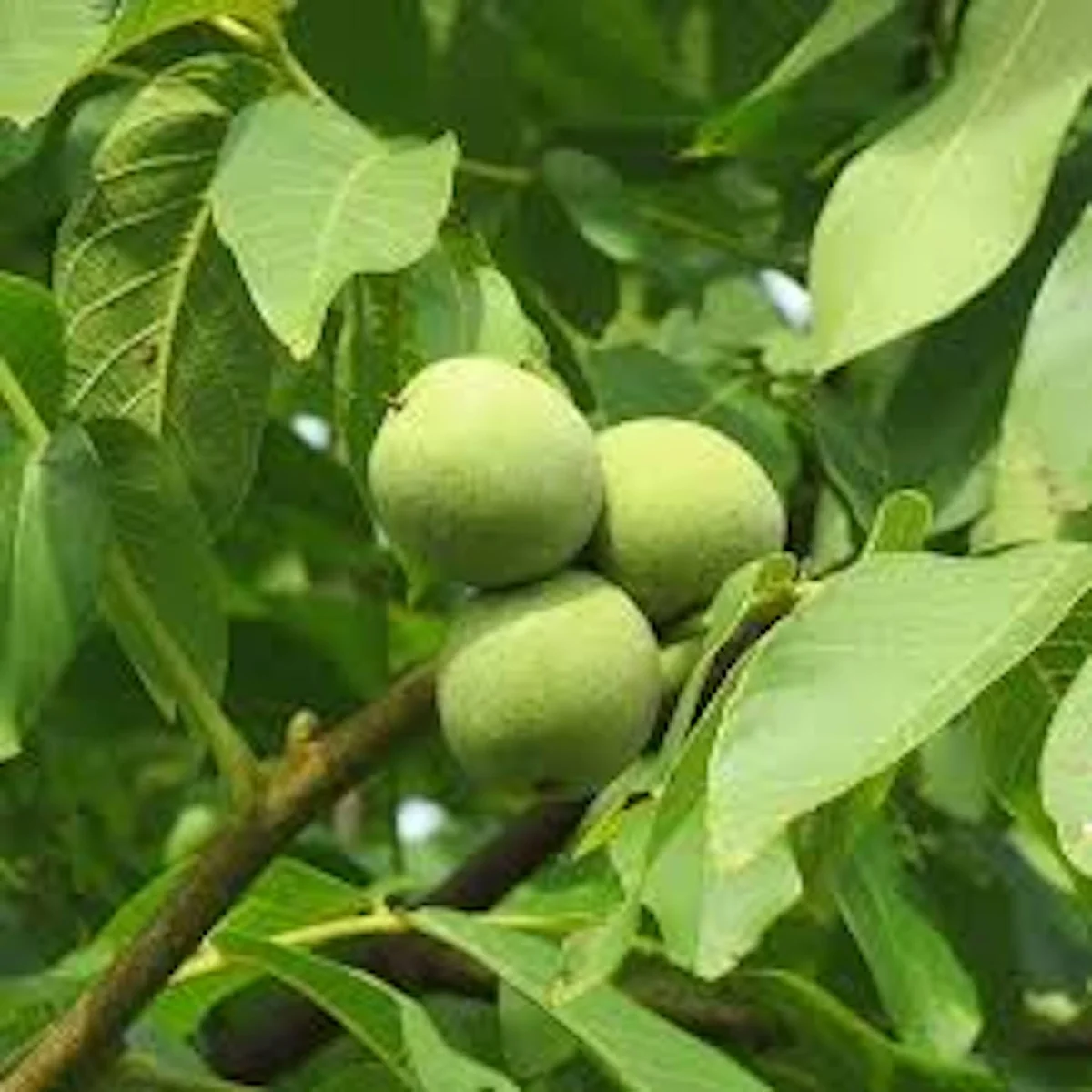
Embark on a rewarding gardening journey with our premium pack of black walnut tree seeds. Each pack contains 10 organic Juglans Nigra seeds, ready to be planted and nurtured into majestic trees. Known scientifically as Juglans Nigra, the Black Walnut is a highly prized native American tree, celebrated for its rich, flavorful nuts and its exceptionally beautiful, durable wood. These versatile trees are a fantastic addition to any landscape, offering both aesthetic appeal and practical benefits. Whether you’re an experienced horticulturist or a budding enthusiast, growing Black Walnuts from seed provides a deep connection to nature and a long-term investment in your property’s value and biodiversity. Our seeds are carefully selected to ensure optimal viability, giving you the best chance to cultivate these magnificent trees from the ground up.
The juglans nigra seeds are not just for growing trees; they represent an opportunity to contribute to local ecosystems. Black Walnut trees are incredibly hardy and adaptable, thriving in a variety of conditions across many USDA zones. They are a cornerstone species in many natural habitats, providing food and shelter for numerous wildlife species. By planting these seeds, you’re not only investing in your garden but also in the ecological health of your environment, creating a legacy that can be enjoyed for generations.
Key Benefits
Our black walnut tree seeds offer a multitude of advantages for both the gardener and the environment:
- Sustainable Nut Production: Enjoy a bountiful harvest of delicious, nutrient-rich black walnuts in just a few years. These nuts are perfect for baking, snacking, or culinary uses, offering a unique, robust flavor that sets them apart from other nuts. Growing your own ensures a fresh, organic supply.
- Valuable Timber Source: Black Walnut wood is highly sought after for its stunning dark color, fine grain, and exceptional durability. It’s a premier choice for furniture making, cabinetry, flooring, and gunstocks, making these trees a long-term investment with significant economic potential.
- Wildlife Attraction: These native trees provide essential food and habitat for various wildlife, including squirrels, birds, and other small mammals. Planting Black Walnuts helps to create a thriving, biodiverse ecosystem in your garden, encouraging natural pest control and pollination.
- Shade and Landscape Enhancement: Mature Black Walnut trees offer dense shade, perfect for cooling your home or creating comfortable outdoor living spaces. Their stately presence and attractive foliage add significant aesthetic value to any landscape design, enhancing curb appeal.
- Environmental Benefits: Like all trees, Black Walnuts contribute to air purification, carbon sequestration, and soil stabilization. By planting these trees, you’re actively participating in efforts to combat climate change and improve local air quality.
- Easy to Grow: While requiring patience, grow black walnut trees from seeds is a straightforward process, making them suitable for both novice and experienced gardeners. With proper care, these hardy seeds will establish into robust trees.
- Organic and Natural: Our organic tree seeds ensure you are starting with a pure, untreated product, aligning with sustainable gardening practices and contributing to a healthier environment.
Plant Care & Growing Tips
To successfully grow black walnut trees from our juglans nigra seeds, follow these detailed planting and care instructions. Black Walnuts prefer full sun, meaning at least 6-8 hours of direct sunlight per day. Choose a location in your garden that receives ample light and has well-draining soil. These trees are adaptable but thrive in deep, fertile, moist, well-drained loamy soils, avoiding excessively wet or compacted areas. They are generally hardy in USDA Zones 4-9.
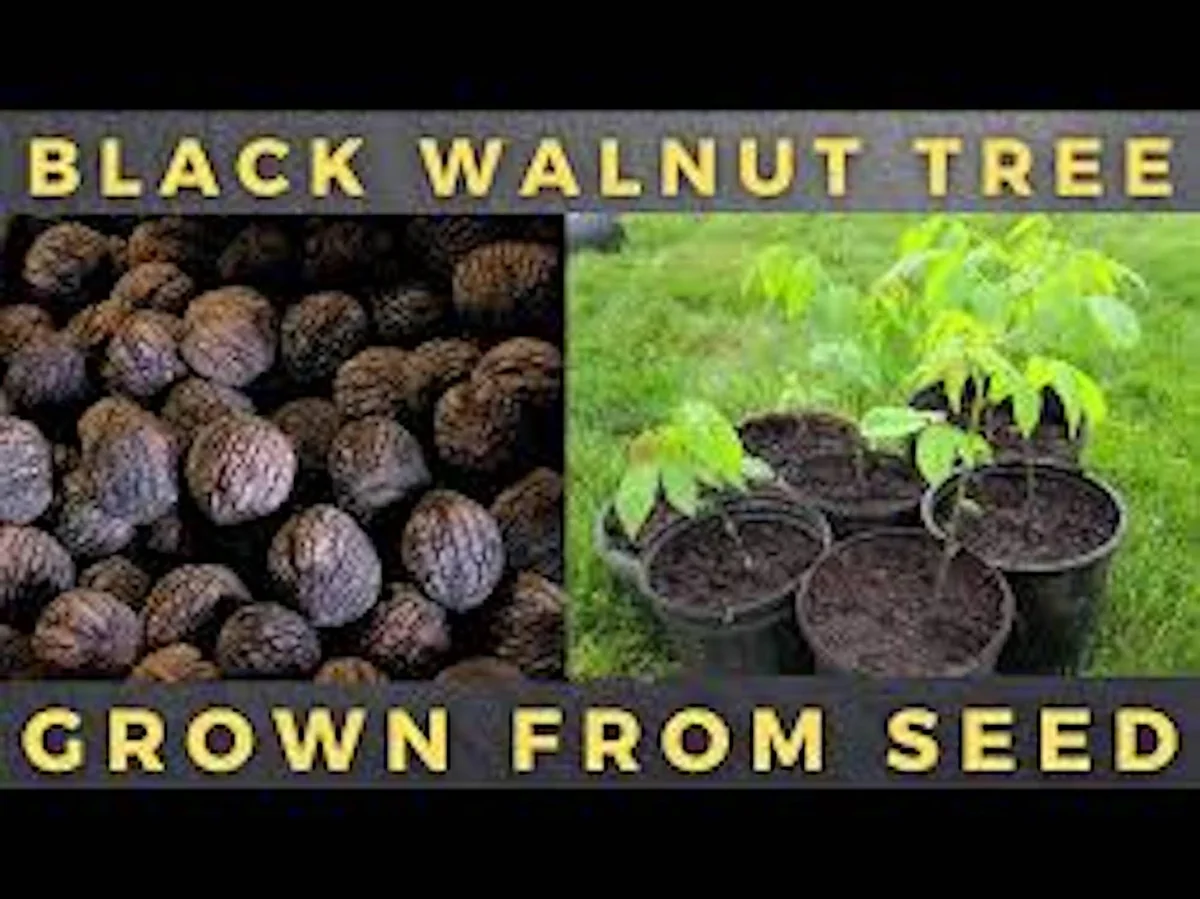
Before planting, it’s beneficial to stratify the seeds to mimic natural winter conditions, which helps break dormancy. You can achieve this by placing the seeds in a moist medium (like sand or peat moss) in a sealed bag and refrigerating them for 3-4 months. Once stratified, soak the seeds in water for 24-48 hours to further aid germination. Plant the seeds 1-2 inches deep in the soil, ensuring they are spaced adequately if planting multiple. Water thoroughly after planting and maintain consistent moisture, especially during dry periods, until seedlings are established. Protect young seedlings from pests and competition from weeds.
For ongoing care, fertilize annually in early spring with a balanced, slow-release fertilizer to promote healthy growth, especially during the first few years. Pruning should be done during the dormant season (late winter to early spring) to remove dead or diseased branches, shape the tree, and improve air circulation. While generally robust, monitor for common walnut pests and diseases, such as walnut blight or fall webworms, and address them promptly. Remember that Black Walnuts produce juglone, a natural chemical that can inhibit the growth of certain plants nearby, so plan your garden layout accordingly. Consistent care will ensure your black walnut nuts develop beautifully.
Size & Details
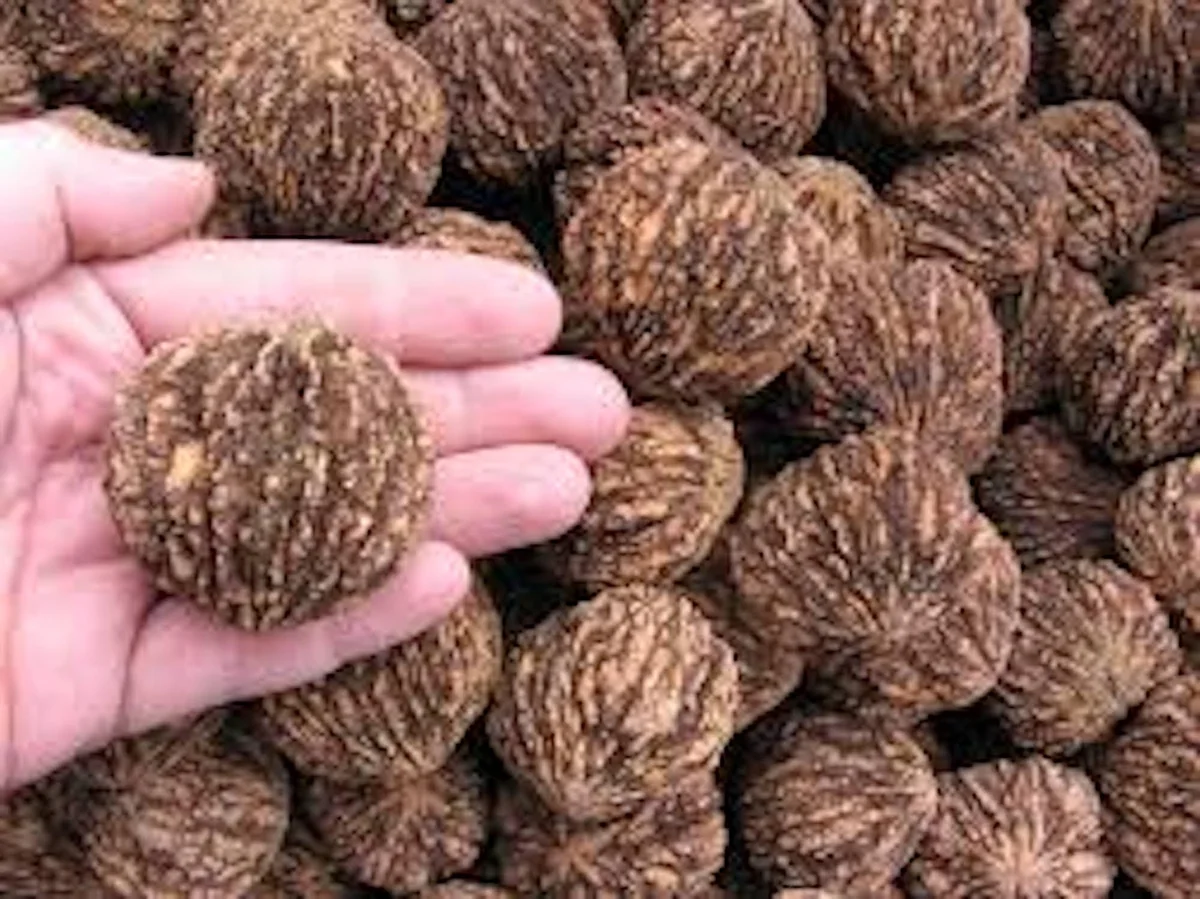
Each purchase includes 10 high-quality black walnut tree seeds (Juglans Nigra), carefully selected for viability and organic origin. These seeds are ready for stratification and planting, offering the opportunity to cultivate your own Black Walnut trees. While mature trees can reach impressive heights of 50-75 feet with a spread of 50-60 feet, their initial growth is moderate. Expect seedlings to emerge within a few weeks to months after planting, depending on stratification and growing conditions. Nut production typically begins when trees are 8-10 years old, with significant harvests occurring after 15-20 years. The timber, a valuable resource, is usually harvested after 30-60 years, making these trees a true generational investment. Our organic tree seeds provide the perfect foundation for a lasting legacy in your garden.
Frequently Asked Questions
- Q: How big do Black Walnut trees get? A: Mature Black Walnut trees typically reach heights of 50-75 feet with a canopy spread of 50-60 feet, making them large, stately additions to a landscape. They require ample space to grow to their full potential.
- Q: What is the best time to plant these black walnut tree seeds? A: The best time to plant stratified black walnut seeds is in late fall or early spring, after the last frost. This timing allows the seeds to either undergo natural stratification over winter or benefit from pre-stratification.
- Q: How much sunlight do Black Walnut trees need? A: Black Walnut trees thrive in full sun, requiring at least 6-8 hours of direct sunlight per day for optimal growth and nut production. Choose a sunny location away from competing plants sensitive to juglone.
- Q: Is this plant easy to care for? A: Growing juglans nigra seeds is relatively easy once established. The main care involves ensuring proper stratification, consistent watering for young seedlings, and occasional pruning for mature trees. They are quite hardy and resilient.
- Q: How long until I can harvest black walnut nuts? A: Black Walnut trees typically begin producing nuts when they are 8-10 years old, with significant, consistent harvests usually starting after 15-20 years. Patience is key for a rewarding nut yield.
- Q: What condition will the seeds arrive in? A: Your organic tree seeds will arrive carefully packaged to maintain their viability, ready for stratification and planting. We ensure they are in excellent condition for your gardening success.
- Q: Can I grow these seeds in a container? A: While you can start black walnut tree seeds in a large container for a short period, Black Walnuts are large tap-rooted trees that ultimately require planting directly in the ground to thrive and reach maturity.
- Q: What are the USDA hardiness zones for Black Walnuts? A: Black Walnut trees are hardy across USDA Zones 4-9, making them suitable for a wide range of climates in the United States. They can tolerate cold winters and warm summers within these zones.
- Q: Do Black Walnuts affect other plants? A: Yes, Black Walnuts produce a chemical called juglone, which can be toxic to certain plants like tomatoes, blueberries, and apple trees. Research companion planting carefully to avoid issues.
- Q: Are these seeds suitable for attracting wildlife? A: Absolutely! Planting these black walnut tree seeds will help attract various wildlife, including squirrels, deer, and birds, which feed on the nuts and utilize the tree for shelter, enhancing your garden’s biodiversity.
Be the first to review “10 Black Walnut Tree Seeds – Juglans Nigra, Organic Planting, Fast Growing”
People Also Viewed
Sold 52 products
From $14.98
Sold 88 products
Original price was: $28.76.$14.38Current price is: $14.38.
Sold 79 products
Original price was: $39.98.$19.99Current price is: $19.99.
Sold 52 products
Original price was: $43.96.$21.98Current price is: $21.98.
Sold 97 products
Original price was: $75.98.$37.99Current price is: $37.99.
Herbs
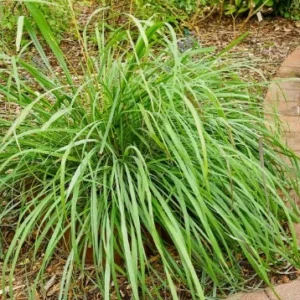
Lemongrass Live Plant – 2x 4-inch Potted Plants, Cymbopogon Citratus for Indoor/Outdoor Garden
Sold 96 products
Original price was: $75.80.$37.90Current price is: $37.90.
Sold 70 products
From $187.80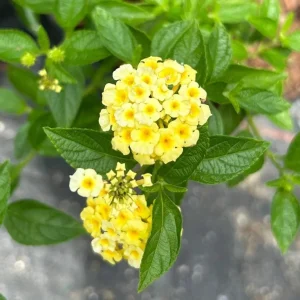
Sold 86 products
Original price was: $32.18.$16.09Current price is: $16.09.
Sold 79 products
Original price was: $232.00.$116.00Current price is: $116.00.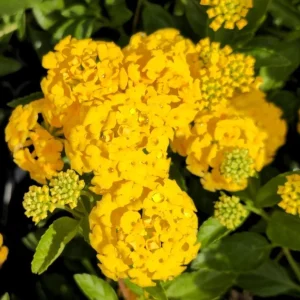
Flowers
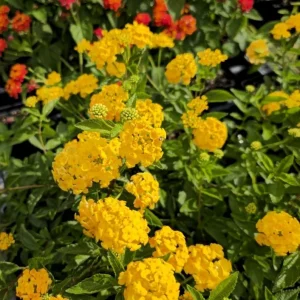
Set of 2 New Gold Lantana Live Plants – 4-6″ Tall – Yellow Flowers – Attracts Pollinators – Outdoor
Sold 79 products
Original price was: $32.18.$16.09Current price is: $16.09.
Sold 64 products
From $9.08
Sold 85 products
From $14.98
Sold 94 products
From $17.98
Sold 52 products
Original price was: $91.98.$45.99Current price is: $45.99.

Sold 78 products
Original price was: $66.00.$52.80Current price is: $52.80.
Sold 90 products
Original price was: $37.98.$18.99Current price is: $18.99.
Sold 51 products
Original price was: $69.98.$34.99Current price is: $34.99.
Sold 99 products
Original price was: $36.38.$18.19Current price is: $18.19.




%20–%204-6″%20Tall%20–%20Fragrant%20Perennial%20Flowers%20–%20Indoor%20&%20Outdoor&url=https://gardennursery.net/product/otto-quast-lavender-live-plants-set-of-2-4-6-tall-fragrant-perennial-flowers-indoor-outdoor/&media=https://img.gardennursery.net/2026/03/otto-quast-lavender-live-plants-set-of-2-4-6-tall-debc2564.webp)
Reviews
There are no reviews yet.