
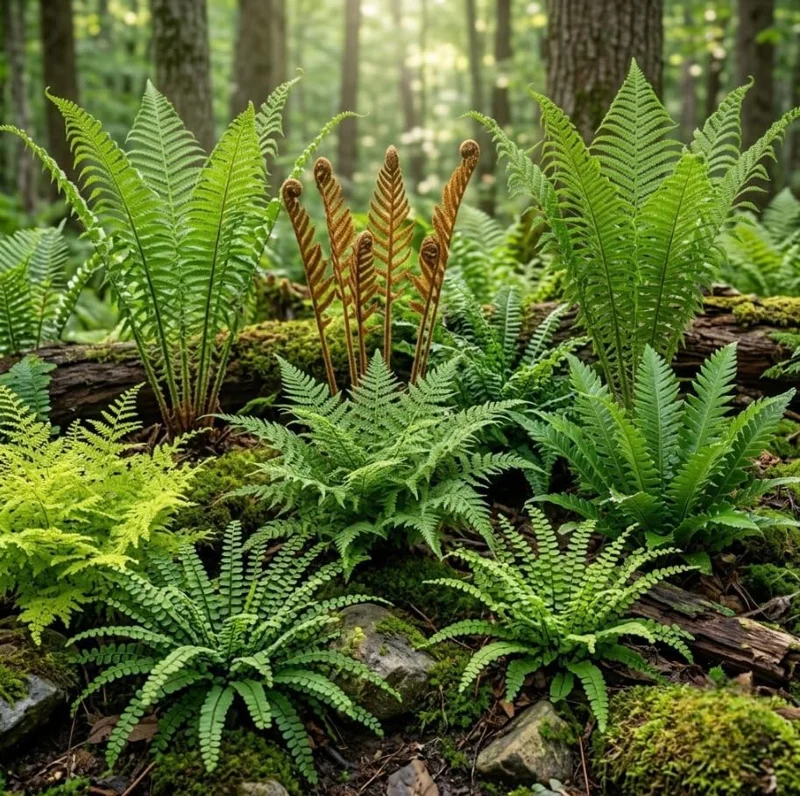
10 Assorted Fern Bare Roots – Mixed Varieties, 3-6 Inch, Outdoor Garden Plants
Original price was: $48.98.$24.49Current price is: $24.49.
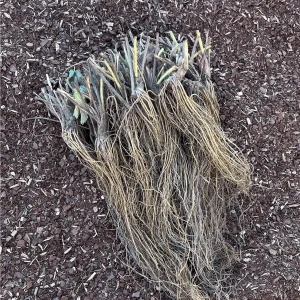
Bring lush greenery to your shaded garden areas with this collection of assorted fern bare roots. Each pack includes 10 random fern rhizomes, measuring 3-6 inches long, ready to plant and establish quickly. These perennial shade-loving ferns provide beautiful foliage year after year.
-
USDA Hardiness Zone
USDA zones 3-9 -
Soil Type
Moist, well-draining, rich in organic matter -
Sunlight Exposure
Partial shade to full shade -
Expected Planting Period
Spring to early fall

You can track your order HERE
Oct 30
Nov 04 - Nov 06
Nov 09 - Nov 13
Shipping and return policies: Our Alive & Thrive Guarantee covers issues with your plants within the first 30 days. Reach out to us. Our team will answer your questions and help you find the plants that are truly suitable for your environment, climate, and personal preferences.

Overview
Transform your garden’s shaded nooks into vibrant green havens with our collection of assorted fern bare roots. This unique offering provides 10 healthy fern rhizomes, each measuring between 3 and 6 inches long, ready for immediate planting. Ferns are celebrated for their elegant, feathery foliage and their ability to thrive in areas where many other plants struggle, making them an ideal choice for woodland gardens, shady borders, or under trees. These bare root fern divisions are carefully selected to ensure vigorous growth and quick establishment, providing a foundation for a lush, perennial display. Embrace the timeless beauty and serene presence that these classic garden plants bring to any landscape. Our selection offers a delightful surprise, as you’ll receive a random mix of popular varieties known for their resilience and aesthetic appeal.
Our assorted fern bare roots are perfect for gardeners seeking to add texture, depth, and year-round interest to their outdoor spaces. These plants are known for their hardiness and low maintenance requirements once established. Whether you’re a seasoned gardener or just starting, planting these bare roots is a straightforward process that yields rewarding results. The random mix ensures a diverse collection of foliage types, adding dynamic visual interest to your garden. Each bare root is dormant upon arrival, ensuring it transplants easily and awakens with robust growth when planted in its new home.
Key Benefits
Our collection of assorted fern bare roots offers numerous advantages for enhancing your garden:
- Easy Establishment: These bare roots are designed for quick and easy planting, establishing themselves rapidly in your garden to begin producing lush foliage. Their dormant state minimizes transplant shock, ensuring a smooth transition to their new environment.
- Perennial Growth: Enjoy beautiful green foliage year after year. Ferns are known for their longevity, returning each spring to provide consistent beauty and texture to your landscape without the need for annual replanting.
- Shade Tolerance: Ideal for challenging shaded or partially shaded areas where other plants might struggle. These shade-loving ferns thrive in lower light conditions, making them perfect for woodland gardens, north-facing beds, or under dense tree canopies.
- Low Maintenance: Once established, these ferns require minimal care. They are generally pest and disease resistant and do not demand frequent fertilization or pruning, allowing you more time to enjoy your garden.
- Diverse Foliage: The random mix ensures a variety of fern types, offering different textures, shapes, and shades of green. This natural diversity creates a more visually interesting and dynamic garden space.
- Naturalizing Qualities: Ferns are excellent for naturalizing and spreading gently over time, filling in empty spaces and creating a cohesive, naturalistic look in your garden or landscape.
- Erosion Control: Their fibrous root systems can help stabilize soil on slopes and prevent erosion, making them not just beautiful, but also functional additions to your garden.
Plant Care & Growing Tips
Proper care for your assorted fern bare roots will ensure they establish well and flourish in your garden. Ferns are generally forgiving plants, but understanding their basic needs is key to their success. Upon arrival, if you’re not planting immediately, keep the bare roots cool and slightly moist. It’s best to plant them as soon as possible for optimal results. Dig a hole wide enough to accommodate the roots without bending them, ensuring the crown (where roots meet the stem) is at soil level. Backfill with soil, gently firming around the roots, and water thoroughly.
These shade-loving ferns thrive in shaded or partially shaded environments. While some varieties can tolerate a bit more sun, consistent direct sunlight, especially in hot climates, can scorch their delicate fronds. Aim for locations that receive dappled light throughout the day or morning sun with afternoon shade. The ideal soil for these bare root fern divisions is consistently moist, well-draining, and rich in organic matter. Amend heavy clay soils with compost or peat moss to improve drainage and aeration. Ferns prefer a slightly acidic to neutral pH. During dry spells, ensure the soil remains moist, but avoid waterlogging, which can lead to root rot. A layer of mulch can help retain soil moisture and regulate soil temperature.
Ferns generally do not require heavy fertilization. A light application of a balanced, slow-release fertilizer in the spring, or incorporating compost into the soil, is usually sufficient. Protect your young ferns from strong winds, which can damage their fronds. Most ferns are hardy in USDA zones 3-9, though specific hardiness varies by species. You will receive 10 random bare root fern divisions selected from varieties such as Spleenwort Fern, Cinnamon Fern, Lady Fern, Ostrich Fern, Christmas Fern, and Hay-scented Fern, all known for their adaptability. Common problems include dry, crispy fronds (too much sun/dryness) or yellowing fronds (overwatering/poor drainage). Addressing these environmental factors usually resolves the issue. Learning how to plant ferns correctly ensures a healthy start.
Size & Details
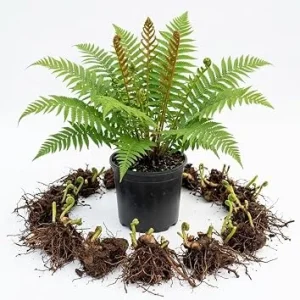
This offering includes 10 individual assorted fern bare roots, each measuring approximately 3 to 6 inches long. These rhizomes are shipped in their dormant state, which is the optimal condition for transplanting and ensures minimal stress upon arrival. Once planted in suitable conditions, these bare root fern divisions will begin to establish their root systems and unfurl their new fronds, typically showing significant growth within their first growing season. The mature size of each fern will vary depending on the specific variety received and growing conditions, but most garden ferns can reach heights of 1 to 3 feet with a similar spread, creating a dense, lush groundcover or mid-layer planting.
The growth rate for these garden ferns is moderate, with visible development throughout the spring and summer months. They are known for their ability to naturalize and slowly spread, filling out garden beds beautifully over several years. Expect these ferns to provide beautiful, verdant foliage from spring through fall, and in some evergreen varieties, even through mild winters. The mix of varieties ensures a dynamic display of textures and forms, adding intrigue to your shaded landscapes. These plants are ideal for creating a woodland aesthetic or for adding a touch of natural elegance to any outdoor space.
Frequently Asked Questions
- Q: How big do these assorted fern bare roots get? A: The size of each fern will vary depending on the specific variety you receive, but most garden ferns typically grow between 1 to 3 feet tall and wide, creating a lush spread over time. Individual bare roots are 3-6 inches long upon arrival.
- Q: Is this an indoor or outdoor plant? A: These assorted fern bare roots are intended for outdoor planting. They thrive in shaded or partially shaded areas of your garden, making them perfect for naturalizing in woodland settings or shady beds.
- Q: How much sunlight do these ferns need? A: Ferns prefer shaded to partially shaded conditions. They do best with dappled sunlight throughout the day or morning sun followed by afternoon shade. Avoid direct, intense sunlight, which can scorch their fronds.
- Q: Are these bare root fern divisions easy to care for? A: Yes, once established, these ferns are relatively low-maintenance. They require consistently moist, well-draining soil and protection from harsh sun. They are a great choice for gardeners looking for easy-to-grow shade-loving ferns.
- Q: What condition will the bare roots arrive in? A: Your assorted fern bare roots will arrive dormant, which is the ideal state for planting. They will be carefully packaged to ensure they are healthy and ready to plant upon arrival.
- Q: When is the best time to plant these bare roots? A: The best time to plant these bare roots is in spring or early fall. This allows them sufficient time to establish their root systems before the extreme heat of summer or the cold of winter.
- Q: What kind of soil is best for these garden ferns? A: Ferns prefer rich, well-draining soil that retains moisture. Amending your garden soil with compost or other organic matter will provide the ideal growing medium for these plants.
- Q: Will these ferns survive winter in my zone? A: Most of the common fern varieties included in this mix are hardy in USDA Zones 3-9. While some may lose their fronds in winter, they are perennial and will return in the spring, providing beautiful garden ferns year after year. For specific zone hardiness, research the individual fern varieties once they grow.
- Q: Do I need to fertilize my ferns? A: Ferns are not heavy feeders. A light application of a balanced, slow-release fertilizer in the spring or incorporating compost into the soil annually is usually sufficient to support healthy growth.
- Q: How long does it take for the bare roots to start growing? A: After planting, you can expect to see new growth emerge from your assorted fern bare roots within a few weeks to a couple of months, depending on planting time, soil conditions, and temperature. The establishment process is gradual, leading to a strong, healthy plant.
Be the first to review “10 Assorted Fern Bare Roots – Mixed Varieties, 3-6 Inch, Outdoor Garden Plants”
People Also Viewed




Fruits
50 Allstar Junebearing Strawberry Plant – Fragaria ananassa – Perennial Fruit Plant – Outdoor
Sold 98 products
Original price was: $100.00.$80.00Current price is: $80.00.












Reviews
There are no reviews yet.