
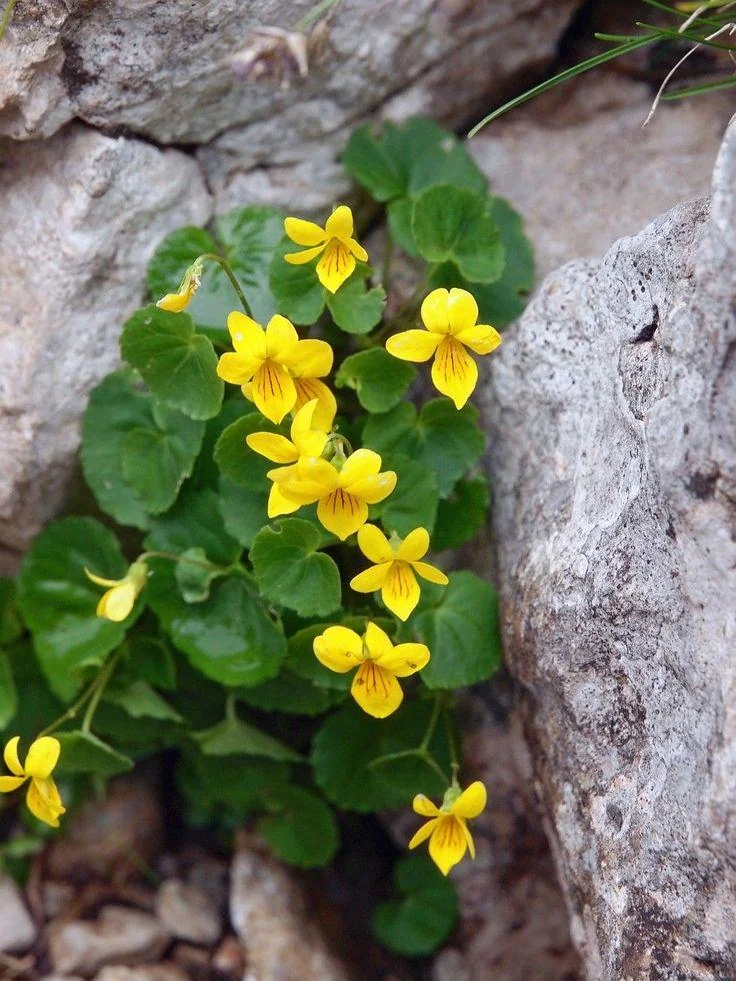
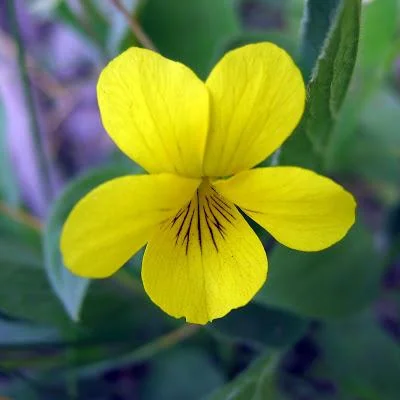
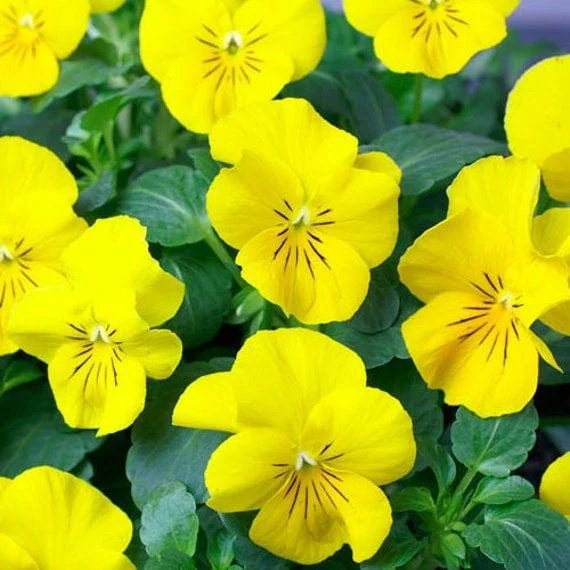
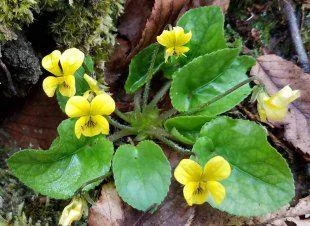
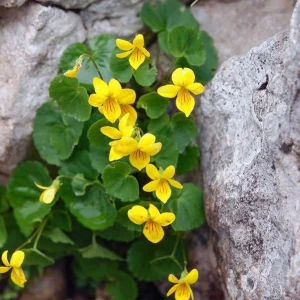
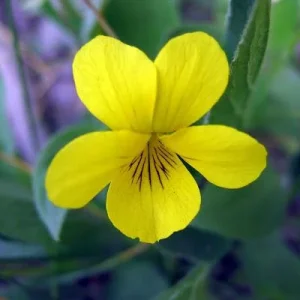

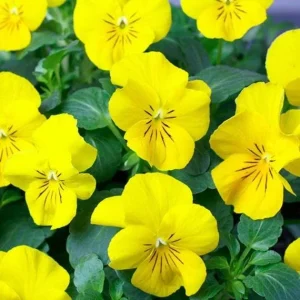
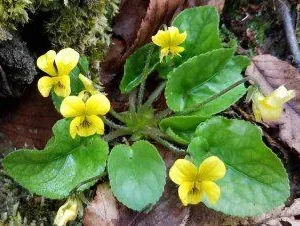
Yellow Violet Bare-root Plant – Viola Rotundifolia – Outdoor Garden Flower
From $43.80
Add vibrant color to your garden with our yellow violet bare-root plant (Viola Rotundifolia). These unique, all-yellow violets bloom from March to May, growing up to 24 inches tall. Perfect for naturalizing and woodland gardens.
-
USDA Hardiness Zone
USDA zones 4-8 -
Soil Type
Rich, well-draining soil with high organic matter -
Sunlight Exposure
Partial to full shade -
Expected Planting Period
Early spring or fall

You can track your order HERE
Mar 03
Mar 08 - Mar 10
Mar 13 - Mar 17
Shipping and return policies: Our Alive & Thrive Guarantee covers issues with your plants within the first 30 days. Reach out to us. Our team will answer your questions and help you find the plants that are truly suitable for your environment, climate, and personal preferences.

Overview
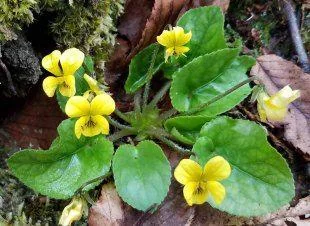
Bring a splash of sunshine to your garden with the unique yellow violet bare-root plant, scientifically known as Viola rotundifolia. This charming perennial is unmistakable, being Missouri’s only all-yellow violet, making it a truly special addition to any landscape. Shipped as a dormant bare-root plant, it is ready to establish itself and flourish in your garden. The yellow violet bare-root plant is renowned for its prolonged flowering period, starting on low, small plants and continuing as it grows, sometimes reaching nearly 2 feet in height. Its cheerful yellow blooms, often adorned with delicate purple veining on the lower petals, appear from March through May, signaling the arrival of spring. Both the basal and stem leaves are heart-shaped with fine scalloping, providing attractive foliage even when not in bloom. This delightful native flower is an excellent choice for woodland gardens, naturalized areas, or anywhere you desire a touch of early spring beauty.
The Viola rotundifolia is a resilient and enchanting species that offers more than just visual appeal. Its ability to thrive and spread makes it a valuable groundcover in suitable conditions. The unique growth habit, where flower stems emerge from the axils of upper stem leaves rather than directly from the base, adds to its distinctive character. As a Missouri yellow violet, it is well-adapted to specific regional climates, though its hardiness allows it to flourish in many other areas. Planting a yellow violet bare-root plant provides an easy and effective way to introduce this beautiful native species into your outdoor space, ensuring a natural and vibrant display for years to come. Prepare to enjoy its cheerful disposition and the subtle elegance it brings to your garden.
Key Benefits
Our yellow violet bare-root plant offers numerous advantages, making it an excellent choice for gardeners seeking both beauty and ecological value. Its unique characteristics contribute to a vibrant and healthy garden ecosystem.
- Early Spring Blooms: Enjoy a burst of bright yellow color from March to May, providing essential early season nectar for pollinators and brightening up your garden after winter. The prolonged flowering period ensures extended visual appeal.
- Unique Appearance: As Missouri’s only all-yellow violet, Viola rotundifolia stands out. Its distinctive flower structure, with purple veining on lower petals, adds a touch of elegance.
- Adaptable Growth Habit: Starting low and growing up to 24 inches tall, this plant adapts to various garden roles, from groundcover to a taller accent as it matures. Its heart-shaped, scalloped leaves provide attractive texture.
- Low Maintenance: Once established, growing yellow violets requires minimal care, making them perfect for naturalized areas, woodland gardens, or gardeners who prefer less intensive upkeep.
- Native Species: Planting a native flower like the yellow violet bare-root plant supports local biodiversity, providing habitat and food for native insects and wildlife, contributing to a healthier ecosystem.
- Bare-Root Advantage: Shipped as a bare-root plant, it establishes quickly and often more robustly than potted plants, allowing for a strong start in your garden.
- Enhances Woodland Gardens: Ideal for shaded or partially shaded areas, these violets thrive in conditions often found in woodland or naturalized garden settings, adding a delicate beauty to these environments.
Plant Care & Growing Tips
Caring for your yellow violet bare-root plant (Viola rotundifolia) is relatively straightforward, especially once it’s established. These hardy native plants prefer conditions that mimic their natural woodland habitat. For optimal growth and prolific blooming, ensure they receive the right balance of light, moisture, and soil. Yellow violets thrive in partial to full shade, especially during the hottest parts of the day. While they can tolerate some morning sun, intense afternoon sun can scorch their delicate leaves and reduce flowering. Aim for dappled sunlight or locations under deciduous trees where they get sun in early spring before the canopy fills in. They are adaptable but perform best when not exposed to harsh, direct sunlight for extended periods.
When it comes to watering, consistent moisture is key, particularly during dry spells and in their first year of establishment. The soil should remain evenly moist but not waterlogged. Good drainage is crucial to prevent root rot. These plants prefer rich, well-draining soil that is high in organic matter. Amending your garden bed with compost or leaf mold before planting will provide an ideal environment. They are not heavy feeders; a yearly application of compost around the base in spring is usually sufficient to provide the necessary nutrients without the need for synthetic fertilizers. Pay attention to soil pH, as they generally prefer slightly acidic to neutral conditions. Regular mulching with organic material like shredded leaves or wood chips will help retain soil moisture, suppress weeds, and enrich the soil as it decomposes, supporting healthy growth for your yellow violet bare-root plant.
Regarding temperature and hardiness, the Missouri yellow violet is quite resilient, typically thriving in USDA zones 4-8. They are cold-hardy and can withstand winter temperatures in these regions, going dormant in colder months and re-emerging in spring. While relatively disease and pest-resistant, keep an eye out for common garden pests like slugs or snails, especially on young foliage. Proper spacing and good air circulation can help prevent fungal issues. If you’re wondering about growing yellow violets, remember that they can spread over time, forming charming colonies. This naturalizing tendency makes them excellent for groundcover in suitable areas, creating a carpet of yellow blooms each spring. Providing these basic care requirements will ensure your Viola rotundifolia flourishes and brings consistent beauty to your garden.
Size & Details
The yellow violet bare-root plant, Viola rotundifolia, is shipped as a dormant bare-root specimen, ready for planting and robust growth. Upon establishment, these charming plants typically start low to the ground, often just a few inches tall. As the season progresses and they mature, they can reach a height of 4 to 24 inches (approximately 10 to 60 cm) tall. The plant’s spread can vary depending on conditions but generally forms clumps that expand over time, making it an excellent choice for naturalizing. Each bare-root plant is carefully prepared to ensure maximum viability upon arrival, providing a strong foundation for future growth. Expect the first blooms from March to May in the first full growing season after planting, with flowers appearing on stems arising from the axils of upper stem leaves rather than from the base.
This particular yellow violet bare-root plant is known for its long flowering period, offering continuous beauty throughout the spring. Its heart-shaped leaves, both basal and alternate on the stem, provide attractive foliage throughout the growing season. The exact growth rate depends on local climate, soil quality, and light conditions, but with proper care, you can anticipate steady development. The bare-root format allows for easy handling and planting, allowing the plant to quickly root into its new environment. This form is often preferred for its cost-effectiveness and the plant’s ability to adapt more readily to its new surroundings. Once established, this native yellow flower will become a reliable and beautiful component of your garden.
Frequently Asked Questions
- Q: How big does this yellow violet bare-root plant get? A: This plant typically starts low, around 4 inches tall, and can grow up to 24 inches (2 feet) tall as it matures. Its spread will form attractive clumps over time, making it a good groundcover.
- Q: Is this an indoor or outdoor plant? A: The yellow violet bare-root plant (Viola rotundifolia) is an outdoor perennial. It thrives in garden settings, particularly in woodland or naturalized areas, and is not suitable for indoor cultivation.
- Q: How much sunlight does it need? A: This plant prefers partial to full shade. It can tolerate some morning sun but should be protected from harsh afternoon sun to prevent leaf scorching. Dappled light under deciduous trees is ideal.
- Q: Is this plant easy to care for? A: Yes, once established, growing yellow violets is relatively easy. They are low-maintenance and hardy, making them suitable for both experienced and novice gardeners. Consistent moisture and well-draining soil are key.
- Q: What condition will the yellow violet bare-root plant arrive in? A: Your plant will arrive as a dormant bare-root specimen. This means it will not have soil or leaves, but a healthy root system ready to be planted and begin growing in your garden.
- Q: When is the best time to plant this bare-root violet? A: The best time to plant bare-root violets is in early spring or fall, when the weather is cool and moist. This allows the plant to establish its root system before extreme temperatures.
- Q: Will this Missouri yellow violet survive winter in my zone? A: Yes, Viola rotundifolia is cold-hardy and generally thrives in USDA Zones 4-8, making it suitable for overwintering in many regions. It will go dormant in winter and re-emerge in spring.
- Q: What kind of soil does it prefer? A: It prefers rich, well-draining soil that is high in organic matter. Amending your soil with compost or leaf mold will provide an ideal growing environment for your native yellow flower.
- Q: How long until it blooms after planting? A: You can expect the first blooms from March to May in the first full growing season after planting your yellow violet bare-root plant. Established plants will bloom reliably each spring.
- Q: Can I use this plant for groundcover? A: Absolutely! The yellow violet bare-root plant is an excellent choice for naturalizing and can spread to form a beautiful groundcover, especially in shaded or partially shaded areas of your garden.
| Qty | 10, 15, 5 |
|---|
Be the first to review “Yellow Violet Bare-root Plant – Viola Rotundifolia – Outdoor Garden Flower”
People Also Viewed
Sold 91 products
Original price was: $31.98.$25.58Current price is: $25.58.
Sold 69 products
Original price was: $207.00.$103.50Current price is: $103.50.

Sold 78 products
Original price was: $10.36.$5.18Current price is: $5.18.
Sold 89 products
$59.38
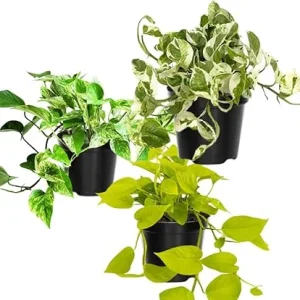
Sold 69 products
Original price was: $39.36.$19.68Current price is: $19.68.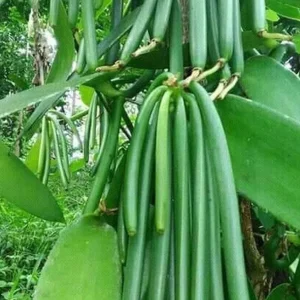
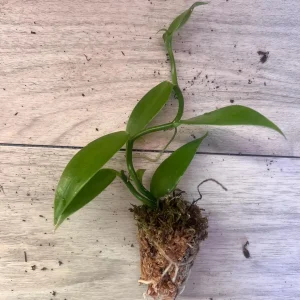
Sold 86 products
From $35.88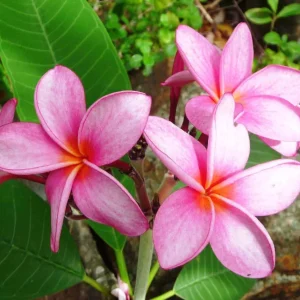
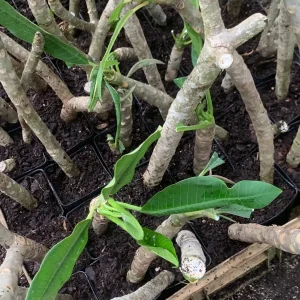
Flower Plants
Pink Plumeria Live Plant – Fragrant Tropical Flower – Various Sizes Available – Indoor/Outdoor
Sold 72 products
From $44.00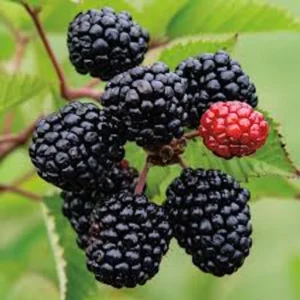
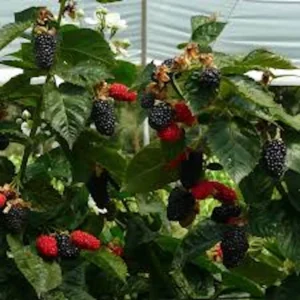
Sold 61 products
Original price was: $50.00.$40.00Current price is: $40.00.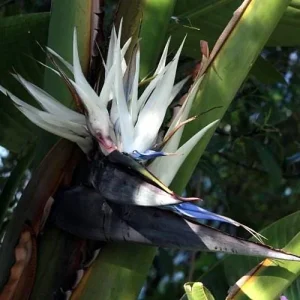
Sold 79 products
Original price was: $47.96.$23.98Current price is: $23.98.
Sold 85 products
Original price was: $90.76.$45.38Current price is: $45.38.
Sold 87 products
Original price was: $95.96.$47.98Current price is: $47.98.
Sold 100 products
Original price was: $1,470.00.$735.00Current price is: $735.00.

Vegetable Seeds
Big Zac Tomato Seeds – 25 Organic Heirloom Competition XL Size Vegetable Seeds for Garden
Sold 90 products
Original price was: $17.00.$8.50Current price is: $8.50.
Sold 78 products
Original price was: $320.00.$160.00Current price is: $160.00.
Sold 85 products
Original price was: $355.96.$177.98Current price is: $177.98.
Sold 78 products
Original price was: $432.00.$216.00Current price is: $216.00.
Sold 55 products
Original price was: $31.96.$15.98Current price is: $15.98.

Sold 61 products
Original price was: $14.76.$7.38Current price is: $7.38.



Reviews
There are no reviews yet.