
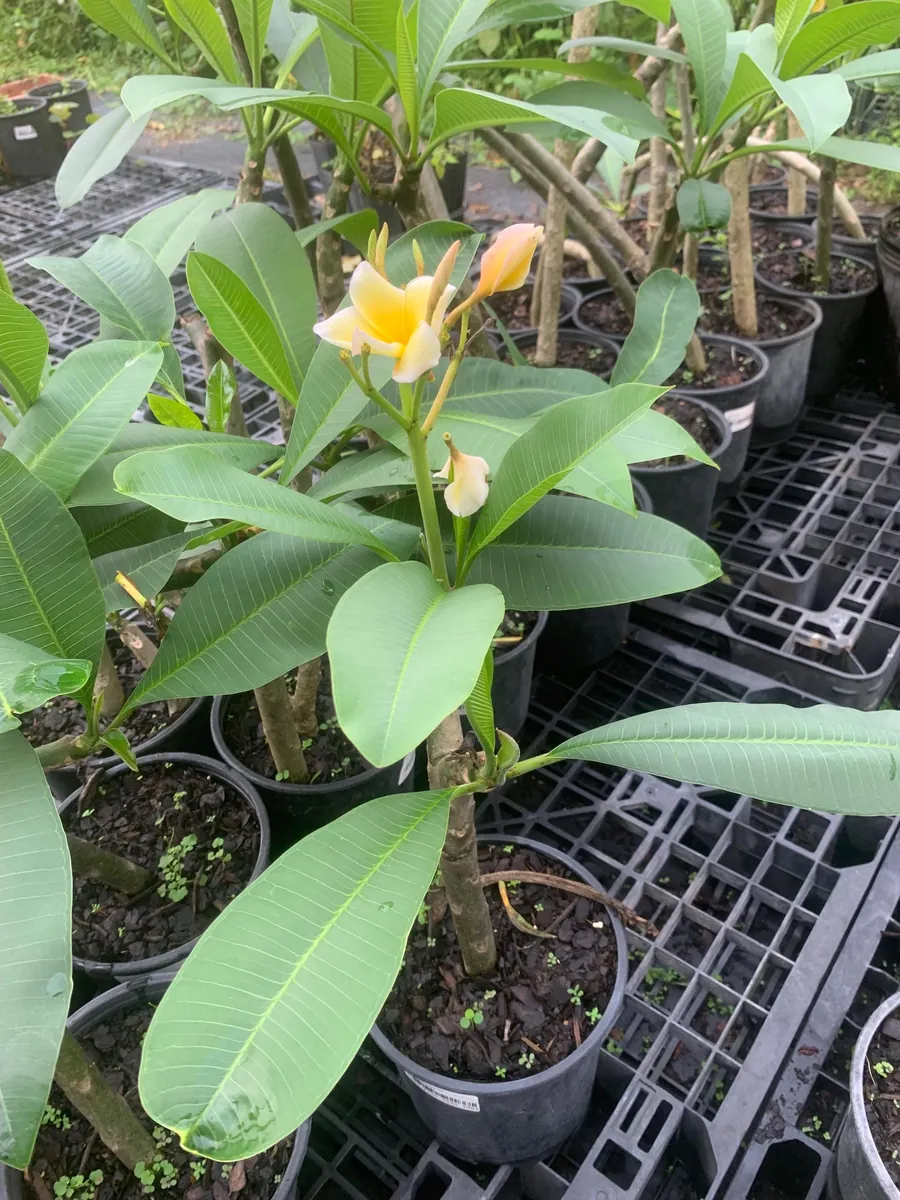
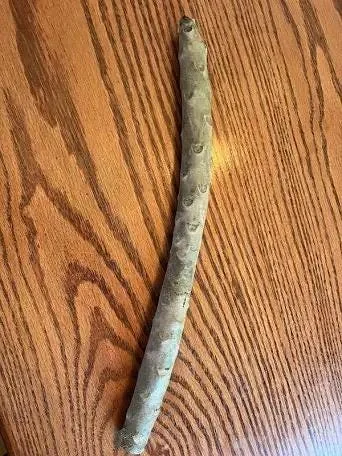
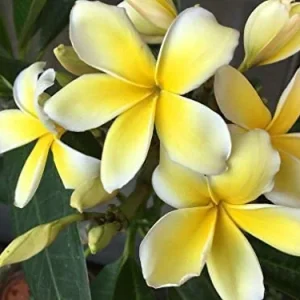


Yellow Plumeria Hawaiian Live Plant – Fragrant Tropical Plant – 1 Ft Tall
From $50.00
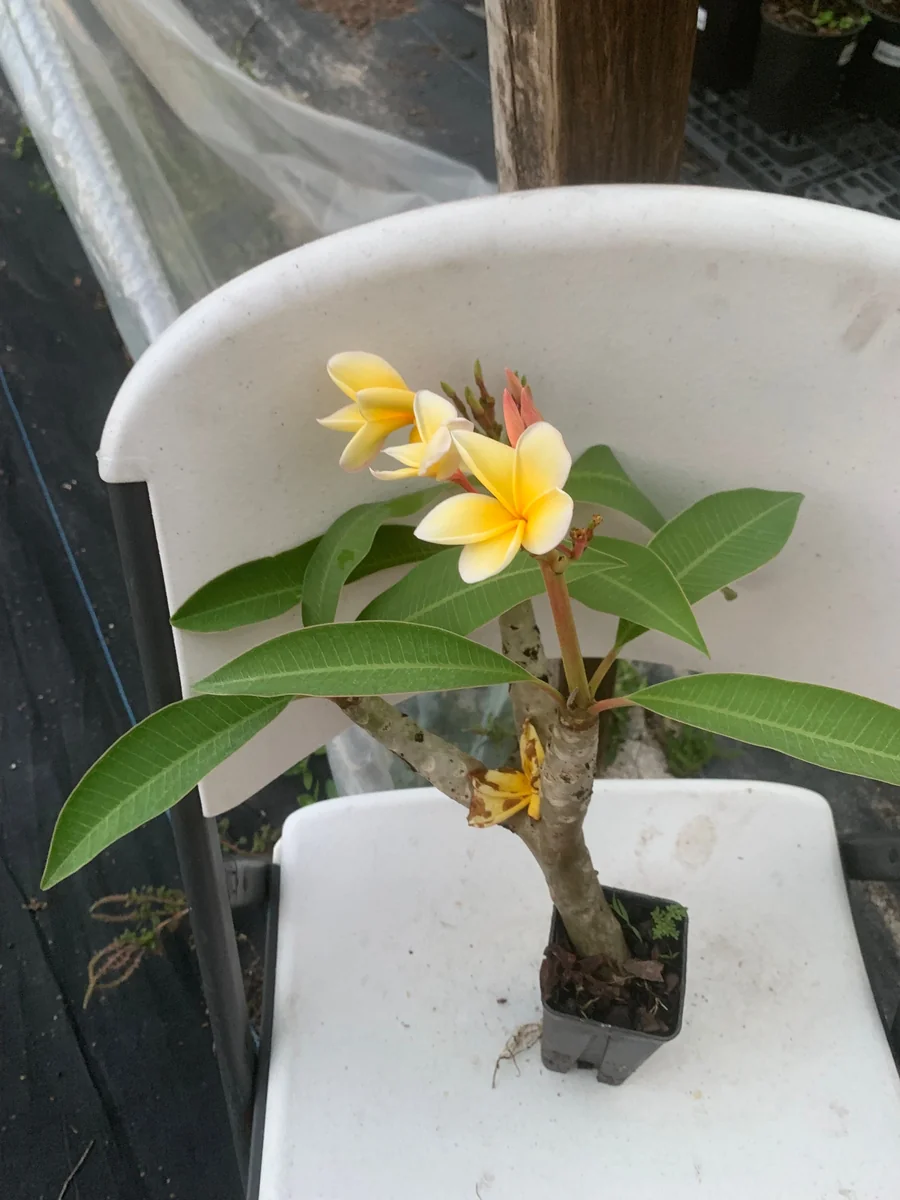
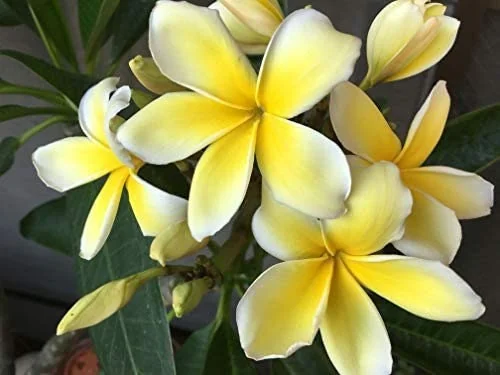
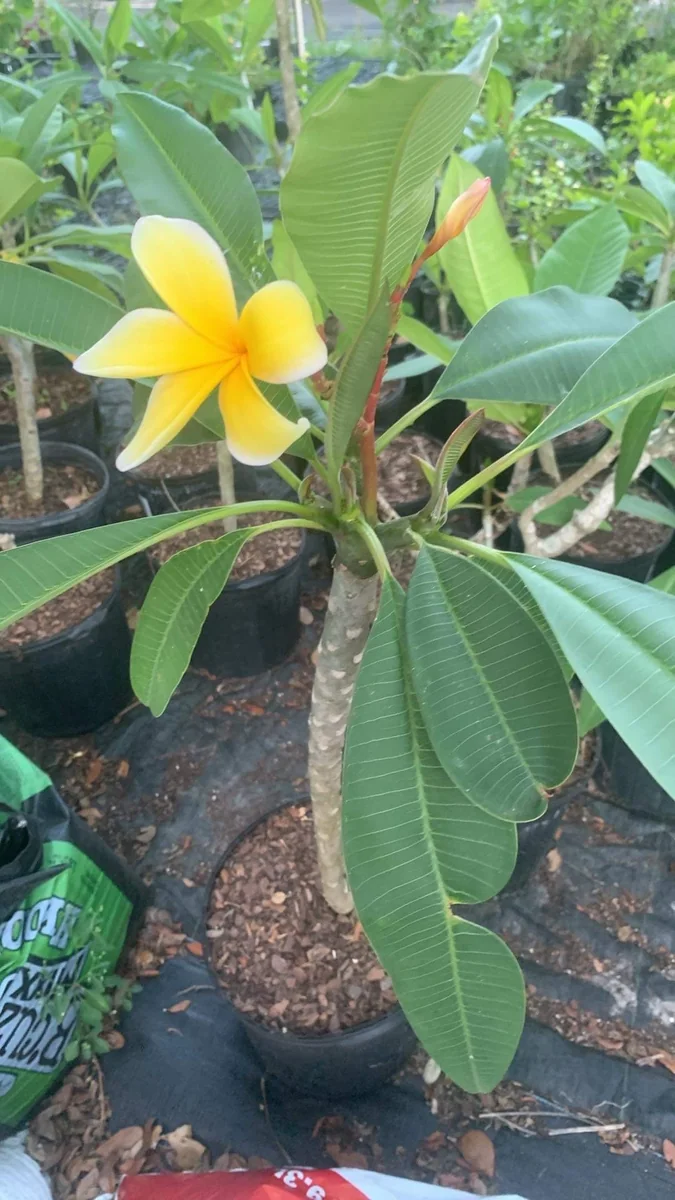
Bring the tropics home with a vibrant Yellow Plumeria Hawaiian Plant. This live plant, typically up to 1 ft tall, produces highly fragrant yellow blooms from spring through fall, adding exotic beauty to any garden or indoor space. Perfect for container growing in colder regions.
-
USDA Hardiness Zone
USDA Zones 10-11 (outdoors); all zones (indoors) -
Soil Type
Well-draining, slightly acidic soil -
Sunlight Exposure
Full sun (at least 6 hours daily) -
Expected Planting Period
Spring to early summer (or year-round indoors)

You can track your order HERE
Mar 03
Mar 08 - Mar 10
Mar 13 - Mar 17
Shipping and return policies: Our Alive & Thrive Guarantee covers issues with your plants within the first 30 days. Reach out to us. Our team will answer your questions and help you find the plants that are truly suitable for your environment, climate, and personal preferences.

Overview
Cultivate a piece of paradise with this exquisite Yellow Plumeria Hawaiian Plant. Known for its stunning, highly fragrant flowers, the Plumeria (also commonly called Frangipani) is a tropical deciduous shrub or small tree that can transform any garden or patio into an exotic haven. Our live plant specimen, typically reaching up to 1 foot tall upon arrival, is ready to establish itself and delight you with its vibrant yellow blossoms. While often associated with the warm Hawaiian climate, this resilient plant can be successfully grown in various regions, thriving outdoors in suitable zones and as a cherished container plant indoors where winters are harsh. Its easy-care nature combined with its spectacular blooms makes the Yellow Plumeria Hawaiian Plant a favorite among plant enthusiasts looking to add a touch of the exotic.
The Plumeria genus encompasses several species, all celebrated for their beautiful, waxy, and often intensely scented flowers. This yellow variety is particularly sought after for its cheerful color and delightful fragrance that perfumes the air. Whether you’re an experienced gardener or just starting, growing a fragrant plumeria plant offers a rewarding experience, culminating in a spectacular display of tropical beauty. Prepare to enjoy a continuous show of color and scent from spring through fall.
Key Benefits
A Yellow Plumeria Hawaiian Plant offers a multitude of benefits, from its aesthetic appeal to its captivating fragrance, making it a truly desirable addition to your plant collection. Its tropical charm and relatively straightforward care requirements contribute to its widespread popularity.
- Exotic Beauty & Fragrance: The primary allure of this plant is its strikingly beautiful yellow flowers, which are not only visually appealing but also emit a powerful, sweet fragrance that can fill your garden or living space, creating a serene and tropical atmosphere.
- Long Blooming Season: Enjoy a prolonged display of blossoms as this plumeria variety blooms freely from spring throughout the entire fall season, providing continuous color and scent for many months.
- Versatile Growing Options: While ideal for outdoor gardens in warm climates, the Yellow Plumeria Hawaiian Plant is perfectly suited for container growing. This allows gardeners in colder regions to enjoy its beauty by moving it indoors during winter.
- Low Maintenance: Once established and provided with its basic needs, plumeria plants are relatively low-maintenance, requiring minimal fuss for their impressive display. This makes tropical plumeria care manageable for busy individuals.
- Attracts Pollinators: The vibrant flowers and sweet scent are known to attract beneficial pollinators like bees and butterflies to your garden, contributing to a healthier ecosystem.
- Drought Tolerant: Plumeria plants are quite drought-tolerant once mature, making them a good choice for water-wise gardening in appropriate climates.
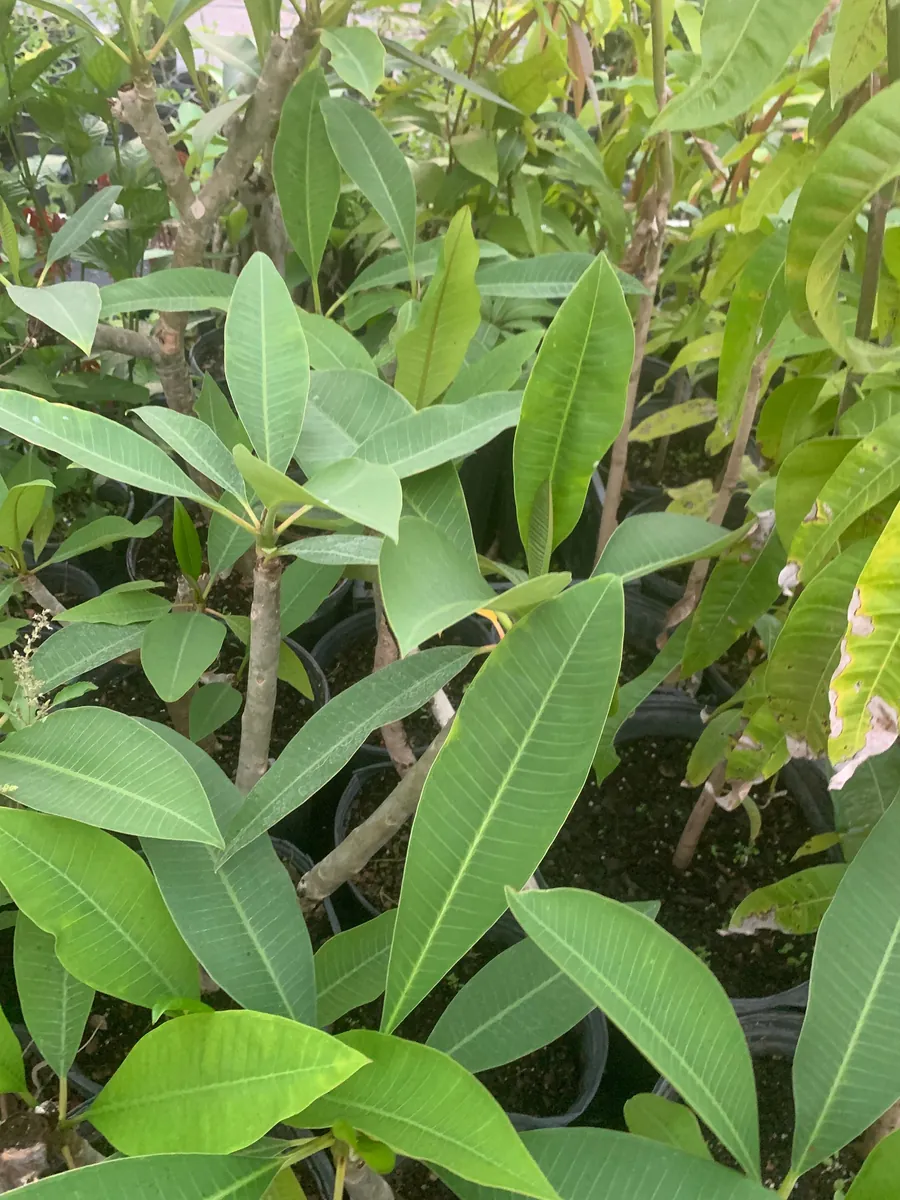
- Distinctive Foliage: Even when not in bloom, the lush green foliage of the plumeria provides an attractive, tropical texture to your landscape or indoor plant collection.
Plant Care & Growing Tips
Successful tropical plumeria care involves understanding its needs, especially regarding sunlight, water, and soil. Plumeria plants thrive in conditions that mimic their native tropical environments. For optimal growth and prolific blooming, providing the right environment is key. Ensure your Yellow Plumeria Hawaiian Plant receives at least six hours of full sun daily. In extremely hot climates, some afternoon shade can be beneficial to prevent leaf scorch, but generally, the more sun, the more flowers you’ll get. When grown indoors, place it in the brightest possible south-facing window, or supplement with grow lights.
Plumeria requires well-draining soil that is slightly acidic. A good quality potting mix amended with perlite or sand for improved drainage is ideal for container-grown plants. For in-ground planting, ensure your garden soil drains well and doesn’t retain too much moisture, as plumeria roots are susceptible to rot. Water thoroughly when the top few inches of soil feel dry to the touch, then allow the soil to dry out almost completely before watering again. During the dormant winter months, reduce watering significantly, especially for plants grown indoors, as they will require very little moisture. Overwatering is a common cause of plumeria problems.
These tropical beauties are not tolerant of cold temperatures and must be protected from frost. If you are growing a plumeria plant indoors in a colder region, bring it inside before temperatures drop below 45-50°F (7-10°C). Find a sunny spot near a window and reduce watering. Fertilize your plumeria every 2-3 weeks during the growing season (spring through fall) with a high-phosphorus fertilizer to encourage blooming. Pruning can be done in late winter or early spring to maintain shape and encourage branching. Monitor for common pests like spider mites and mealybugs, especially when growing the yellow plumeria for sale indoors, and treat promptly with appropriate organic solutions.
Size & Details
This offering is for one Yellow Plumeria Hawaiian Plant, a live specimen measuring up to 1 foot tall at the time of shipment. It arrives in a small pot, ensuring its root system is intact and ready for transplanting. While the plant may arrive with or without leaves depending on the season, especially during its dormant winter period, rest assured it is a mature, live root ready to flourish. Its growth rate is moderate, and with proper care, it can achieve a significant size over time, becoming a beautiful ornamental shrub or small tree, particularly when grown in the ground in suitable climates. For container growing, expect a more manageable size, typically reaching 3-6 feet tall and wide.
Upon arrival, it’s recommended to transfer the plant to a larger pot, such as a one-gallon container, with fresh, well-draining potting soil to provide ample space for root development. Expect blooms to appear from spring through fall once the plant is established and mature. The exact time to first bloom can vary depending on growing conditions and the plant’s age. This plant is a fantastic choice for those seeking a vibrant and fragrant addition to their garden or home.
Frequently Asked Questions
- Q: How big does this Yellow Plumeria Hawaiian Plant get? A: When grown in the ground in ideal tropical conditions, plumeria can grow into a small tree, reaching 15-25 feet tall. As a container plant, it typically grows to a more manageable 3-6 feet tall and wide, depending on pot size and pruning.
- Q: What size pot does it come in? A: The plant arrives in a small nursery pot, and we recommend transplanting it into a larger, approximately one-gallon pot upon arrival to allow for better root development and growth.
- Q: Is this an indoor or outdoor plant? A: It is primarily an outdoor plant in USDA Zones 10-11. However, it can be grown as an excellent plumeria plant indoors in all other zones, provided it receives adequate sunlight and is protected from cold temperatures.
- Q: How much sunlight does it need? A: Plumeria plants require at least six hours of full sun per day to produce abundant blooms. If growing indoors, place it in your sunniest window.
- Q: Is this plant easy to care for? A: Yes, once its basic needs for sunlight, well-draining soil, and proper watering are met, plumeria plants are considered relatively easy to care for, especially for those familiar with tropical plumeria care.
- Q: What condition will it arrive in? A: Your Yellow Plumeria Hawaiian Plant will arrive as a live plant, up to 1 ft tall, in a small pot. During winter, it may arrive without leaves as it enters dormancy, but it is a healthy, live root that will regrow foliage in warmer weather.
- Q: When is the best time to plant or repot? A: The best time to plant or repot your plumeria is in spring or early summer when temperatures are consistently warm, allowing the plant to establish itself before the cooler months.
- Q: Will it survive winter in my zone? A: Plumeria is not frost-tolerant. If you are outside of USDA Zones 10-11, you must bring your fragrant plumeria plant indoors for winter protection or grow it as an annual.
- Q: What type of soil does a plumeria prefer? A: Plumeria thrives in well-draining, slightly acidic soil. A good quality potting mix with added perlite or sand is ideal, preventing root rot.
- Q: How often should I water my yellow plumeria? A: Water thoroughly when the top few inches of soil are dry, then allow the soil to dry out before the next watering. Reduce watering significantly during its dormant period in winter.
| price by sizes | 3Cutting W/ No Roots, Price By 1.5Ft Busy, Price By 1Ft |
|---|
Be the first to review “Yellow Plumeria Hawaiian Live Plant – Fragrant Tropical Plant – 1 Ft Tall”
People Also Viewed
Sold 51 products
Original price was: $319.96.$159.98Current price is: $159.98.
Sold 69 products
Original price was: $58.00.$46.40Current price is: $46.40.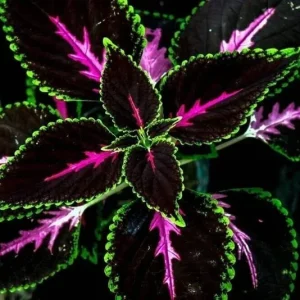
Flower Seeds
20 Tri-Color Coleus Seeds – Pink, Black & Green Foliage – Easy Grow Ornamental Perennial
Sold 62 products
Original price was: $14.76.$7.38Current price is: $7.38.
Sold 93 products
Original price was: $23.98.$16.78Current price is: $16.78.
Sold 77 products
Original price was: $28.76.$14.38Current price is: $14.38.
Sold 62 products
From $67.96
Sold 69 products
Original price was: $95.96.$47.98Current price is: $47.98.
Sold 98 products
Original price was: $59.98.$29.99Current price is: $29.99.
Sold 78 products
Original price was: $149.98.$74.99Current price is: $74.99.
Sold 52 products
Original price was: $147.60.$73.80Current price is: $73.80.
Sold 54 products
Original price was: $147.16.$73.58Current price is: $73.58.
Sold 55 products
Original price was: $25.56.$12.78Current price is: $12.78.
Sold 65 products
Original price was: $47.98.$23.99Current price is: $23.99.
Sold 97 products
Original price was: $120.00.$60.00Current price is: $60.00.
Sold 82 products
Original price was: $355.96.$177.98Current price is: $177.98.
Sold 85 products
Original price was: $76.00.$60.80Current price is: $60.80.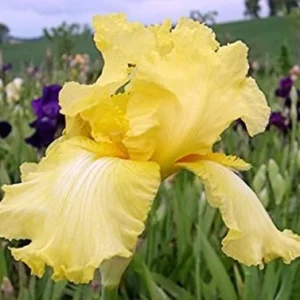
Flower Plants
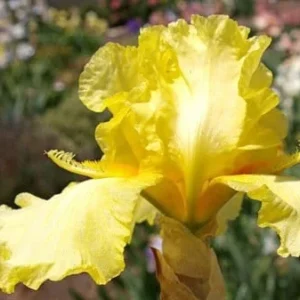
Summer Olympics Bearded Iris – Iris germanica Live Plant, Creamy Yellow, Reblooming, Zone 3-9
Sold 87 products
Original price was: $59.80.$29.90Current price is: $29.90.
Sold 74 products
$48.38


Reviews
There are no reviews yet.