
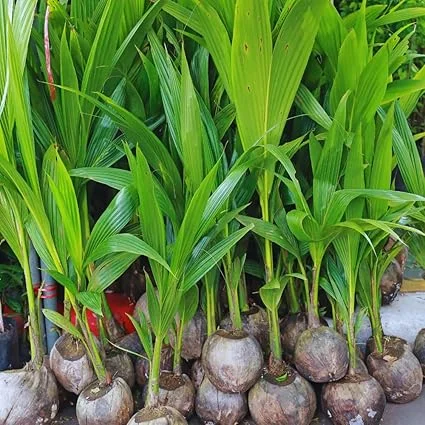
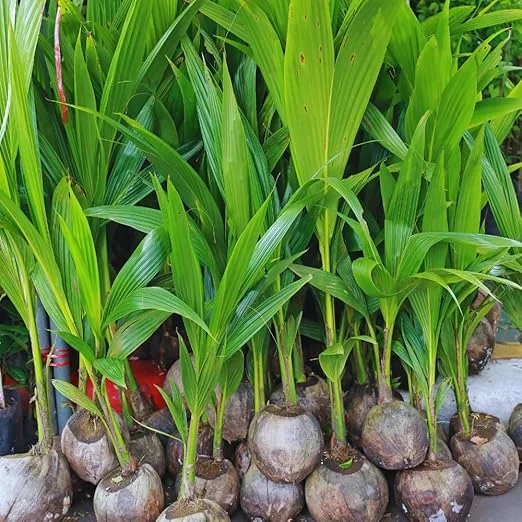
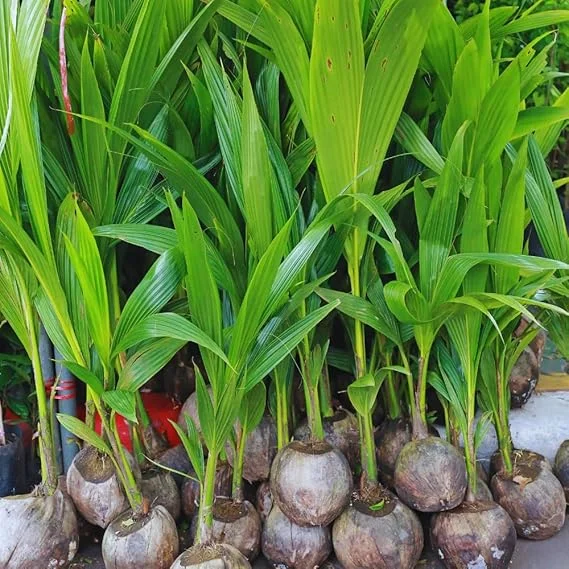
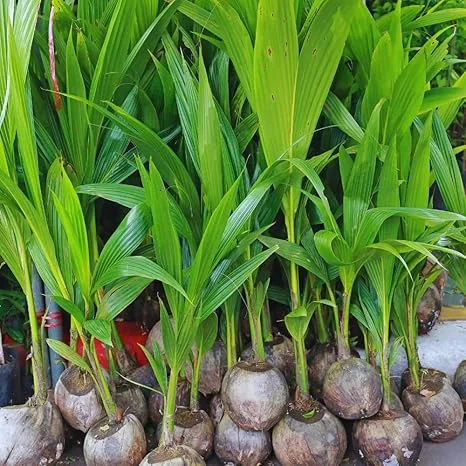
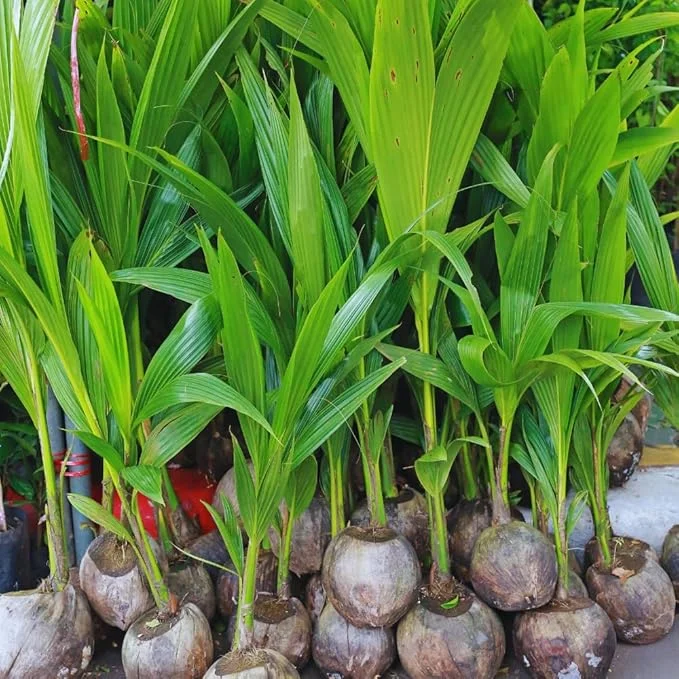
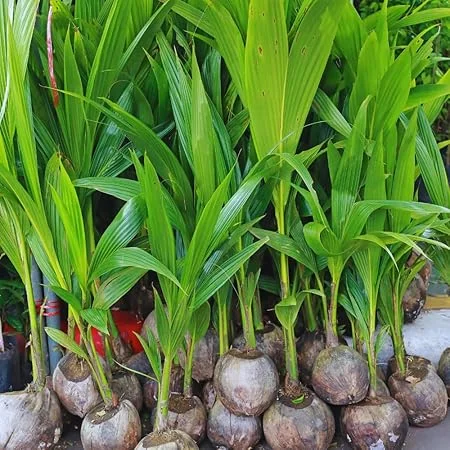
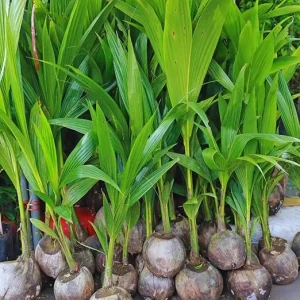
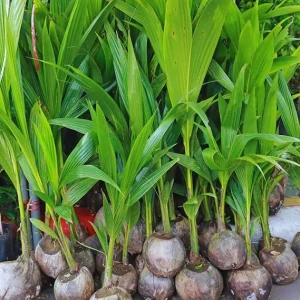
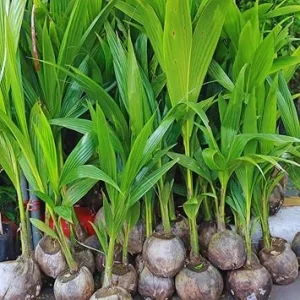
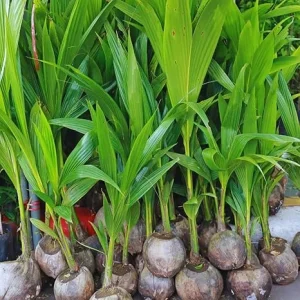
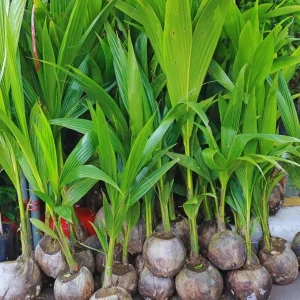
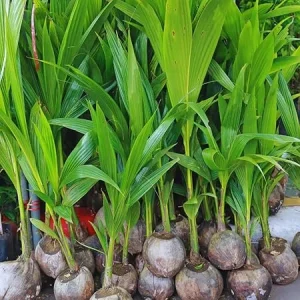
Yellow Coconut Tree Live Plant – Sprouted Tropical Palm – 6 to 8 Inch Tall – Outdoor
$109.98
Cultivate your own slice of paradise with this yellow coconut tree live plant. Arriving sprouted and ready for outdoor planting, this 6 to 8 inch tall tropical palm offers a unique addition to your garden. Enjoy the beauty of a growing coconut tree with proper care.
-
USDA Hardiness Zone
10-11 -
Soil Type
Well-drained, sandy or loamy soil -
Sunlight Exposure
Full Sun -
Expected Planting Period
Year-round in tropical climates; start of warm rainy season

You can track your order HERE
Apr 04
Apr 09 - Apr 11
Apr 14 - Apr 18
Shipping and return policies: Our Alive & Thrive Guarantee covers issues with your plants within the first 30 days. Reach out to us. Our team will answer your questions and help you find the plants that are truly suitable for your environment, climate, and personal preferences.

Overview
Transform your outdoor space into a tropical haven with a beautiful yellow coconut tree live plant. This vibrant, sprouted coconut palm arrives at a healthy 6 to 8 inches tall, ready to be nurtured in your garden. Known for its iconic fronds and eventual fruit-bearing potential, the coconut tree (Cocos nucifera) is a symbol of the tropics, bringing a distinct aesthetic and promise of exotic appeal. This live plant offers a unique opportunity for gardeners in suitable climates to grow their own majestic coconut palm from a young, vigorous sprout. Ideal for those seeking an authentic tropical landscape, this plant provides both ornamental beauty and a connection to nature’s bounty.
Our sprouted coconut plant is carefully selected to ensure a strong start, allowing you to embark on a rewarding gardening journey. With its distinctive yellow hue, this variety adds a unique visual interest compared to traditional green coconuts. It’s an excellent choice for creating a resort-like atmosphere in your backyard or adding a focal point to larger landscapes. Embrace the joy of watching this tropical wonder mature into a magnificent specimen.
Key Benefits
Adding a coconut tree to your garden offers numerous advantages, enhancing both the beauty and ambiance of your outdoor living space. This particular yellow coconut tree live plant brings a distinct charm and several practical benefits.
- Exotic Aesthetic Appeal: Instantly create a tropical paradise in your garden with the iconic silhouette and lush fronds of a coconut palm. The yellow variety adds a unique color dimension, making it a standout feature.
- Potential for Fruit Production: While requiring patience, a mature coconut tree can eventually produce delicious, fresh coconuts, offering a rewarding harvest and a taste of the tropics right at home.
- Low Maintenance: Once established, this low maintenance coconut tree is relatively easy to care for, thriving in its preferred warm, sunny conditions with minimal intervention. It’s a great choice for busy gardeners.
- Environmental Contribution: Like all trees, coconut palms contribute to local ecosystems by providing shade, improving air quality, and potentially offering habitat for local wildlife in appropriate zones.
- Unique Garden Feature: Stand out from typical landscaping with this distinctive yellow coconut variety. It serves as an excellent focal point or a stunning addition to a larger tropical plant collection.
- Long-Term Growth and Beauty: Coconut trees are long-lived, offering decades of beauty and enjoyment. Watching your small sprouted plant grow into a towering palm is a truly fulfilling experience.
Plant Care & Growing Tips
Caring for your yellow coconut tree live plant requires understanding its tropical origins and providing an environment that mimics its natural habitat. This means ensuring plenty of warmth, sunlight, and proper soil conditions. For successful growth, especially for an outdoor coconut palm, attention to these details is crucial.
Sunlight Requirements: Coconut trees are sun-loving plants and require full sun exposure for optimal growth. This means at least 6-8 hours of direct sunlight per day. In tropical climates, they thrive in open, unshaded areas. If you’re growing in a cooler zone with the intention of eventually moving it outdoors, gradually acclimate the plant to stronger sunlight to prevent leaf scorch. Watering Schedule & Soil Moisture: These trees prefer consistently moist, but not waterlogged, soil, especially when young. Water thoroughly when the top few inches of soil feel dry to the touch. During hot, dry periods, more frequent watering may be necessary. Ensure good drainage to prevent root rot, as standing water is detrimental. Soil Type & Drainage: The ideal soil for a sprouted coconut plant is well-drained, sandy, or loamy. It should be rich in organic matter. Good drainage is paramount to prevent waterlogging around the roots. Amending heavy clay soils with sand and compost can improve drainage and texture. Temperature Range & USDA Hardiness Zone: Coconut trees are tropical plants and are quite sensitive to cold. They thrive in warm temperatures, ideally above 70°F (21°C). They are hardy in USDA Zones 10-11, where temperatures rarely drop below freezing. If you live in a cooler zone, you may need to grow it in a container and bring it indoors during winter or treat it as an annual. Fertilization Schedule: Feed your young coconut tree with a balanced fertilizer formulated for palms, rich in potassium and magnesium, every 2-3 months during the growing season (spring through fall). Follow package instructions for application rates. Common Problems & Solutions: Watch out for common pests like spider mites or mealybugs, which can be treated with insecticidal soap. Yellowing leaves can indicate nutrient deficiencies, especially potassium, or overwatering. Adjust fertilization and watering practices accordingly.
Size & Details
This offering is for one yellow coconut tree live plant, which arrives sprouted and ready for planting. Each plant is approximately 6 to 8 inches tall from the base of the sprout, providing a healthy start for your tropical garden. When mature, these majestic trees can reach impressive heights of 50-100 feet, depending on growing conditions and variety, forming a significant canopy. The growth rate is moderate to fast in ideal warm climates. This particular variety is chosen for its distinctive yellow fruit when mature, adding a unique visual element to your landscape.
Your sprouted coconut plant will be shipped carefully to ensure its safe arrival. It’s typically sent with its roots protected, ready for immediate potting or planting in the ground. While it will take several years to reach fruiting maturity, the journey of watching this tropical beauty grow is incredibly rewarding. The plant prefers a well-drained soil environment and full sun exposure, making it suitable for outdoor landscaping in warm USDA zones. Prepare to provide ample space for its eventual large size.
Frequently Asked Questions
- Q: How big does this plant get? A: This yellow coconut tree live plant arrives 6 to 8 inches tall. When mature and grown in ideal conditions, it can reach impressive heights of 50 to 100 feet, forming a significant and beautiful tropical canopy.
- Q: Is this an indoor or outdoor plant? A: This an outdoor coconut palm and thrives in tropical and subtropical climates. It is best suited for outdoor planting in USDA Hardiness Zones 10-11, where it can receive full sun exposure.
- Q: How much sunlight does it need? A: A sprouted coconut plant requires abundant sunlight. It needs at least 6-8 hours of direct, full sun each day to grow vigorously and healthily. Partial shade will significantly hinder its growth.
- Q: Is this plant easy to care for? A: Once established in the correct climate, this is a relatively low maintenance coconut tree. It requires consistent watering when young and needs well-draining soil and plenty of sun. In suitable zones, it’s considered easy to care for.
- Q: What condition will it arrive in? A: Your yellow coconut tree live plant will arrive sprouted and healthy, with its roots carefully protected to ensure it withstands transit. It will be ready for immediate planting or potting upon arrival.
- Q: How long until it produces coconuts? A: Coconut trees grown from sprouts typically take 5-7 years to start producing fruit, and sometimes longer. Patience is key, but the journey of watching it grow is rewarding.
- Q: Will it survive winter in my zone? A: These tropical plants are sensitive to cold. They will only survive outdoors year-round in USDA Zones 10-11, where frost is rare. In colder zones, it would need to be grown in a container and brought indoors during winter or treated as an annual.
- Q: What type of soil does it prefer? A: This plant thrives in well-drained, sandy or loamy soil. It’s crucial that the soil drains well to prevent root rot. Amending heavy soils with sand and organic matter is beneficial.
Be the first to review “Yellow Coconut Tree Live Plant – Sprouted Tropical Palm – 6 to 8 Inch Tall – Outdoor”
People Also Viewed
Sold 98 products
Original price was: $43.96.$21.98Current price is: $21.98.
Sold 69 products
Original price was: $59.98.$41.98Current price is: $41.98.
Flower Plants
Sold 60 products
Original price was: $29.90.$14.95Current price is: $14.95.
Sold 87 products
From $99.80
Sold 64 products
Original price was: $59.96.$29.98Current price is: $29.98.
Sold 65 products
Original price was: $211.96.$105.98Current price is: $105.98.
Sold 74 products
Original price was: $38.00.$30.40Current price is: $30.40.
Sold 63 products
From $79.96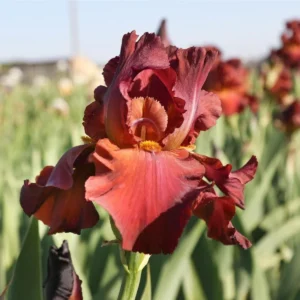
Flower Plants
Red Reblooming Bearded Iris Live Plant – ‘My Friend Jonathan’ – 3.5 inch Pot – Outdoor
Sold 96 products
From $47.80
Sold 90 products
Original price was: $48.00.$38.40Current price is: $38.40.
Sold 93 products
Original price was: $39.98.$27.98Current price is: $27.98.
Sold 52 products
Original price was: $40.00.$32.00Current price is: $32.00.
Sold 55 products
Original price was: $36.00.$28.80Current price is: $28.80.
Sold 68 products
Original price was: $33.98.$14.99Current price is: $14.99.
Sold 98 products
Original price was: $26.76.$13.38Current price is: $13.38.
Sold 70 products
Original price was: $39.98.$19.99Current price is: $19.99.
Sold 84 products
Original price was: $26.76.$13.38Current price is: $13.38.
Sold 59 products
Original price was: $12.00.$6.00Current price is: $6.00.


Reviews
There are no reviews yet.