
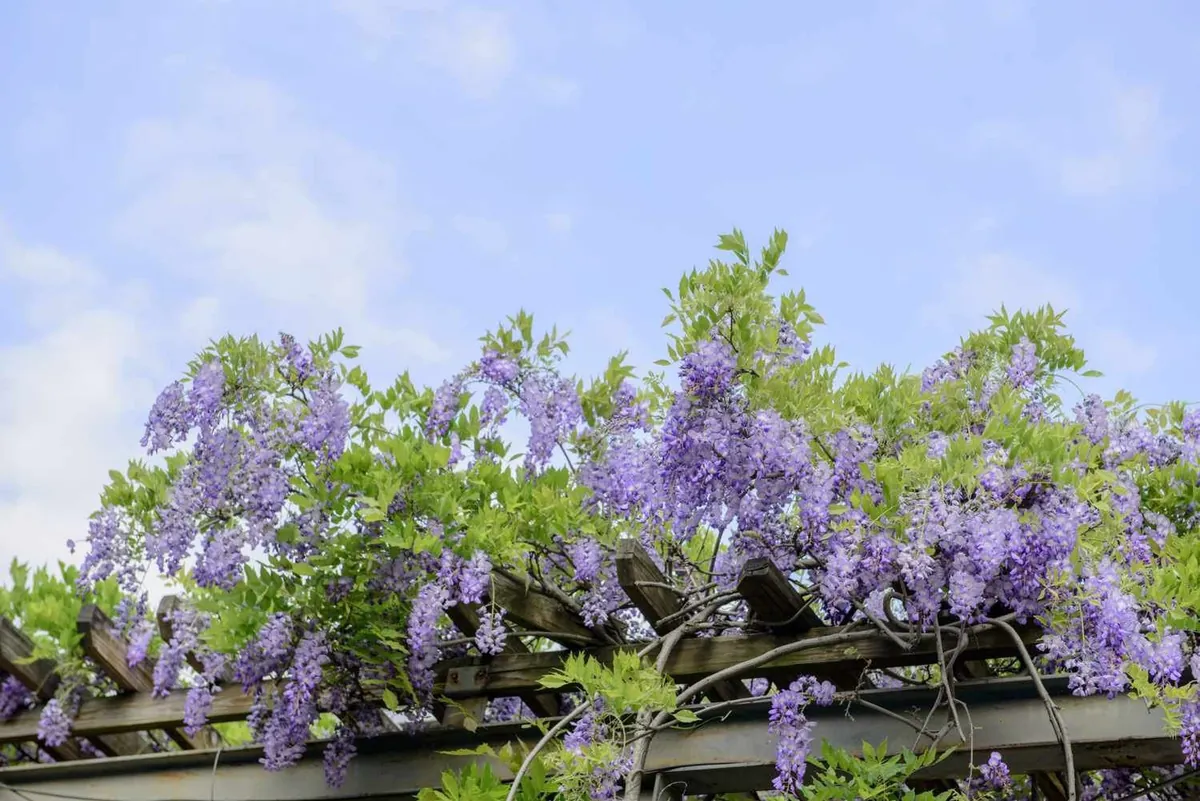
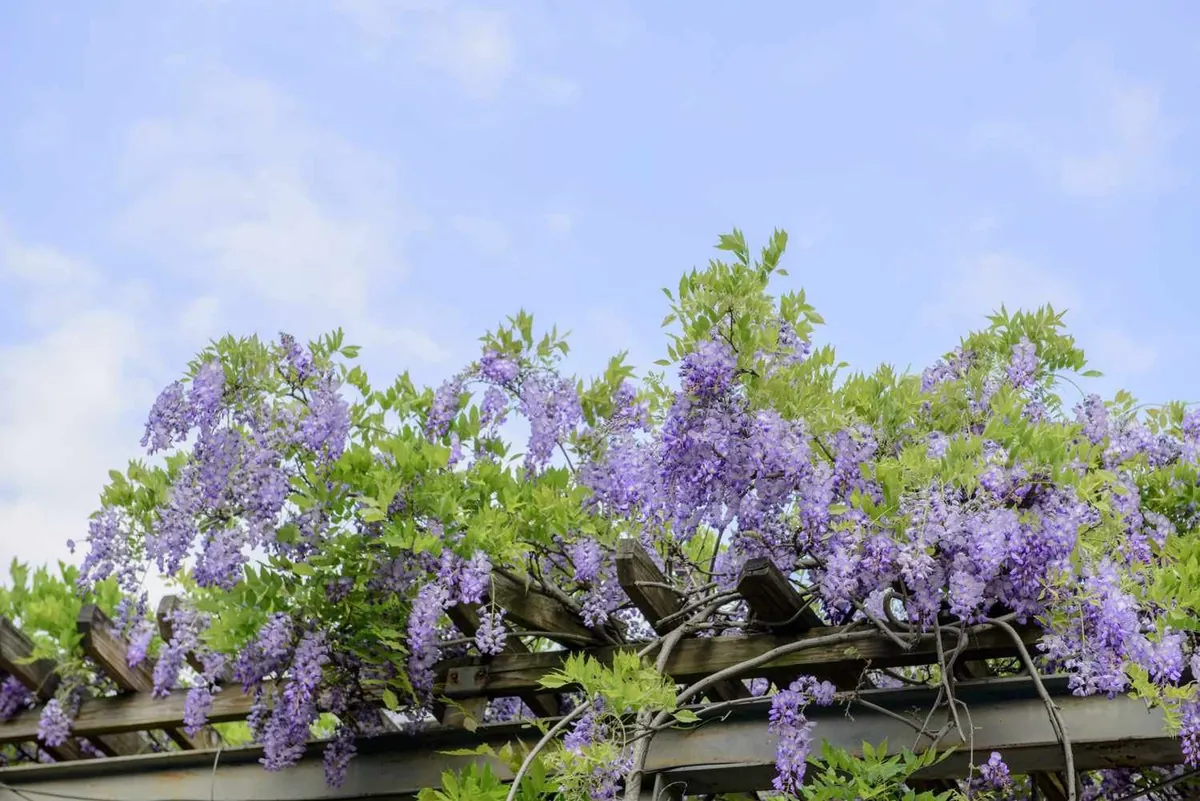
Wisteria Blue Bare-Root Vine – 6-12” Tall – 25 or 50 Pack – Outdoor Climber
From $147.96
Cultivate a breathtaking garden with these robust wisteria blue bare-root vines. Available in bundles of 25 or 50, each plant measures 6-12 inches, ready to establish and transform your outdoor space. Perfect for trellises, arbors, and pergolas.
-
USDA Hardiness Zone
USDA Zones 5-9 -
Soil Type
Well-drained, slightly acidic soil -
Sunlight Exposure
Full sun -
Expected Planting Period
Early spring

You can track your order HERE
Mar 02
Mar 07 - Mar 09
Mar 12 - Mar 16
Shipping and return policies: Our Alive & Thrive Guarantee covers issues with your plants within the first 30 days. Reach out to us. Our team will answer your questions and help you find the plants that are truly suitable for your environment, climate, and personal preferences.

Overview
Transform your garden into a serene, blooming paradise with our exquisite wisteria blue bare-root vines. These vigorous plants are offered in convenient bundles of 25 or 50, each featuring healthy bare-root stock measuring 6-12 inches in length, poised for rapid establishment in your landscape. Wisteria is renowned for its spectacular cascades of fragrant, pea-like flowers that drape elegantly, creating a truly enchanting display. While often associated with the romantic imagery of Southern gardens, cultivating this beautiful climber requires understanding its growth habits to ensure it thrives without becoming unruly. Our bare-root specimens are an economical and effective way to introduce this classic beauty to your outdoor living areas, promising years of stunning floral architecture.
Wisteria is a fast-growing, long-lived woody vine that can reach impressive sizes, making it an ideal choice for covering pergolas, arbors, fences, or training as a standard tree. The ‘Blue’ variety typically refers to the classic purple-blue hues that are highly sought after by gardeners. When you choose our wisteria blue bare-root plants, you are investing in potential for magnificent vertical interest and an unforgettable spring and early summer bloom.
Key Benefits
Our wisteria blue bare-root vines offer numerous advantages for both novice and experienced gardeners looking to add significant beauty and structure to their outdoor spaces. Discover the exceptional qualities that make these plants a prime choice:
- Spectacular Floral Displays: Enjoy breathtaking cascades of fragrant, blue-purple flowers that create a dramatic and romantic atmosphere in your garden during its peak bloom season. These showy flowers are a true focal point.
- Rapid Growth & Coverage: Wisteria is known for its vigorous growth, quickly covering pergolas, arbors, and walls, providing shade and privacy within a few seasons. This makes it excellent for creating living architectural features.
- Long-Lived Perennial: Once established, wisteria plants can live for decades, becoming a permanent and cherished part of your landscape with minimal long-term fuss. It’s an investment that pays dividends in beauty.
- Drought Tolerant Once Established: While requiring consistent moisture initially, mature wisteria vines are quite resilient and can tolerate periods of drought, reducing the need for constant watering.
- Attracts Pollinators: The fragrant blooms are a magnet for bees, butterflies, and other beneficial pollinators, contributing to a healthy and vibrant garden ecosystem.
- Versatile Landscaping Use: Whether trained over a sturdy structure, grown as a specimen tree, or allowed to ramble, these blue wisteria vine plants offer incredible versatility in garden design.
- Bare-Root Advantage: Shipping bare-root minimizes transplant shock and allows for easy handling and planting, providing a strong start for your new vines.
Plant Care & Growing Tips
Successful cultivation of your wisteria blue bare-root vines largely depends on proper planting and consistent care, especially in the initial years. Wisteria is a robust plant but benefits from attentive management to ensure abundant blooms and controlled growth. For those wondering how to grow wisteria effectively, here are some essential tips.
Sunlight Requirements: Wisteria thrives and blooms best in full sun, meaning at least 6-8 hours of direct sunlight per day. While some varieties can tolerate partial sun (2-6 hours), they may produce fewer flowers. Site your wisteria away from buildings or trees if you don’t want it to scramble up them in search of light, ensuring it receives ample sunshine for optimal flowering.
Soil & Water: This plant is not overly fussy about soil, but excellent drainage is crucial. It prefers moist, well-drained, and slightly acidic soil with a pH around 6.0. Amending heavy clay soils with organic matter can improve drainage. Keep the soil consistently moist during the first growing season to help the plant establish. Once established, wisteria becomes fairly drought-tolerant, but it will appreciate a good soaking during hot, dry spells. Avoid overwatering, as soggy conditions can lead to root rot. Generally, wisteria does not need heavy fertilization; excessive nitrogen can promote leafy growth at the expense of flowers. A balanced, slow-release fertilizer or one higher in phosphorus can be applied sparingly in spring if growth seems slow.
Training & Pruning: The most critical aspect of wisteria plant care is training and pruning. Without it, wisteria can become an aggressive, sprawling vine. Establish a strong support structure like a sturdy pergola or arbor from the start. Prune heavily twice a year: once in late winter (dormant pruning) to shape the plant and encourage flowering spurs, and again in mid-summer (after flowering) to control rampant growth and remove long, whippy shoots. This consistent pruning is key to managing its size and maximizing bloom production.
Size & Details
Each bundle contains either 25 or 50 individual wisteria blue bare-root vines, with each bare-root plant measuring approximately 6-12 inches in length. These are dormant, live plants ready for immediate planting upon arrival. Wisteria is a fast-growing vine, capable of adding several feet of growth per year once established. Mature plants can reach heights of 15-30 feet or more, with a spread of 10-20 feet, depending on the variety and support structure. The vigorous nature makes it an excellent choice for quickly covering large areas. Expect blooms to begin within 2-5 years of planting, with more abundant flowering as the plant matures and establishes a strong root system. These bare-root specimens offer a cost-effective way to plant multiple vines for an impactful display.
Frequently Asked Questions
- Q: How big does this wisteria plant get? A: Once established, wisteria blue bare-root vines are vigorous growers and can reach impressive lengths of 15 to 30 feet or more, with a spread of 10 to 20 feet. Their ultimate size depends heavily on pruning and the support structure provided.
- Q: Is this an indoor or outdoor plant? How much sunlight does it need? A: Wisteria is an outdoor plant that requires full sun to thrive and produce the most blooms. This means at least 6-8 hours of direct sunlight per day is ideal for healthy growth and flowering.
- Q: Is this plant easy to care for? Is it good for beginners? A: While wisteria is a robust plant, it requires consistent pruning and training to manage its vigorous growth and encourage flowering. Beginners should be prepared for regular maintenance, but with proper guidance on wisteria plant care, it can be a very rewarding plant.
- Q: What condition will the bare-root wisteria arrive in? A: Your wisteria for sale will arrive as dormant, bare-root plants, meaning they will not have soil around their roots. They will be carefully packaged to ensure they remain healthy during transit, ready for planting upon arrival.
- Q: How long until this blue wisteria vine blooms? A: Wisteria typically begins to bloom within 2 to 5 years after planting. Consistent pruning and optimal growing conditions will help encourage earlier and more abundant flowering as the plant matures.
- Q: When is the best time to plant bare-root wisteria? A: The ideal time to plant bare-root wisteria is in early spring, after the danger of hard frost has passed but before the plant breaks dormancy. This allows the roots to establish before the heat of summer.
- Q: What USDA hardiness zones is this wisteria suitable for? A: Most common wisteria varieties, including many blue types, are hardy in USDA Zones 5-9. It’s important to confirm the specific hardiness of the variety you choose to ensure it will thrive in your climate.
- Q: Do these wisteria blue bare-root plants need a trellis or support? A: Absolutely. Wisteria is a climbing vine and requires a very sturdy support structure, such as a strong arbor, pergola, or heavy-duty trellis, to climb and display its beautiful flowers effectively.
- Q: Will this wisteria attract pollinators to my garden? A: Yes, the fragrant, showy flowers of the blue wisteria vine are highly attractive to various pollinators, including bees and butterflies, making it a great addition for supporting local wildlife.
- Q: Can I grow wisteria in a container? A: While possible, growing wisteria in containers is challenging due to its vigorous growth and extensive root system. It requires a very large container, frequent watering, and diligent pruning to prevent it from becoming root-bound. For best results, planting in the ground is recommended.
| Chose QTY | 25, 50 |
|---|
Be the first to review “Wisteria Blue Bare-Root Vine – 6-12” Tall – 25 or 50 Pack – Outdoor Climber”
People Also Viewed
Sold 93 products
From $43.98
Sold 75 products
Original price was: $79.06.$39.53Current price is: $39.53.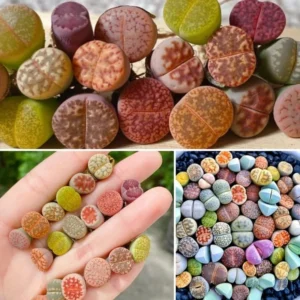
HousePlants
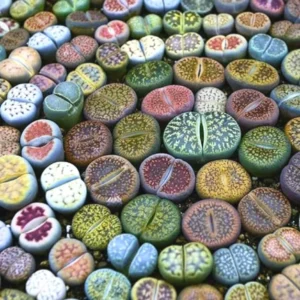
Lithops Live Plants Mix – 10 Large Colorful Living Stones Succulents for Indoor/Outdoor Growing
Sold 50 products
Original price was: $27.98.$13.99Current price is: $13.99.
Sold 78 products
From $67.52
Sold 67 products
$48.38

Sold 90 products
Original price was: $143.80.$71.90Current price is: $71.90.
Sold 64 products
Original price was: $59.98.$29.99Current price is: $29.99.
Sold 95 products
Original price was: $154.36.$77.18Current price is: $77.18.
HousePlants
Purple Nepenthes Pitcher Plant Live – Exotic Tropical Houseplant for Indoor/Outdoor Décor
Sold 59 products
$65.98
Sold 63 products
$50.58
Sold 72 products
Original price was: $45.98.$32.18Current price is: $32.18.
Sold 84 products
Original price was: $41.98.$20.99Current price is: $20.99.
Sold 82 products
Original price was: $39.18.$19.59Current price is: $19.59.
Sold 93 products
From $61.58
Sold 83 products
From $67.80
Sold 80 products
Original price was: $41.56.$20.78Current price is: $20.78.
Sold 52 products
From $10.48
Sold 90 products
Original price was: $247.96.$123.98Current price is: $123.98.


Reviews
There are no reviews yet.