
Willow Oak Tree Live Plant – 6-12 Inch Tall Potted Shade Tree, Outdoor
From $22.99
Bring natural beauty to your garden with a willow oak tree live plant. This 6-12 inch potted seedling is perfect for creating shade, growing quickly up to 2 feet per year. Enjoy its vibrant green foliage that transforms to golden yellow in fall.
-
USDA Hardiness Zone
5-8 -
Soil Type
Well-drained soil -
Sunlight Exposure
Full sun -
Expected Planting Period
Spring to Fall

You can track your order HERE
Apr 01
Apr 06 - Apr 08
Apr 11 - Apr 15
Shipping and return policies: Our Alive & Thrive Guarantee covers issues with your plants within the first 30 days. Reach out to us. Our team will answer your questions and help you find the plants that are truly suitable for your environment, climate, and personal preferences.

Overview
Introduce a majestic presence to your landscape with our premium willow oak tree live plant. This impressive deciduous oak, scientifically known as Quercus phellos, is celebrated for its rapid growth rate and distinctive willow-like leaves, offering a unique aesthetic among oak varieties. Perfect for creating natural shade in expansive yards or contributing to a diverse garden ecosystem, this young plant arrives ready for cultivation. Known for its adaptability and robust nature, the willow oak tree live plant is an excellent choice for gardeners seeking a long-lived, low-maintenance shade tree that provides stunning seasonal interest. Its slender, lance-shaped leaves provide a graceful texture, setting it apart from other oak species, and its ability to thrive in various conditions makes it a versatile addition to many outdoor settings.
Our willow oak tree live plant comes as a 6-12 inch tall potted seedling, ensuring a strong start in your garden. While it may appear dormant and leafless during late fall and winter, this is a natural and healthy part of its growth cycle, indicating it’s conserving energy for vigorous spring growth. Once established, this tree will quickly become a focal point, providing ample shade and attracting local wildlife. Its strong root system and resilience make it a wise investment for enhancing property value and contributing to a healthier environment. Whether you’re planning a new landscape or filling an existing space, the willow oak offers beauty, function, and enduring appeal.
Key Benefits
The willow oak tree live plant offers a multitude of benefits for any home garden or large open space, making it a highly desirable choice for landscaping:
- Exceptional Shade Provider: With a mature height of 60-80 feet and a fast growth rate of up to 2 feet per year, this tree quickly establishes itself to provide ample, cooling shade, reducing energy costs and creating comfortable outdoor living areas. The dense canopy is ideal for picnics, play areas, or simply relaxing on hot summer days.
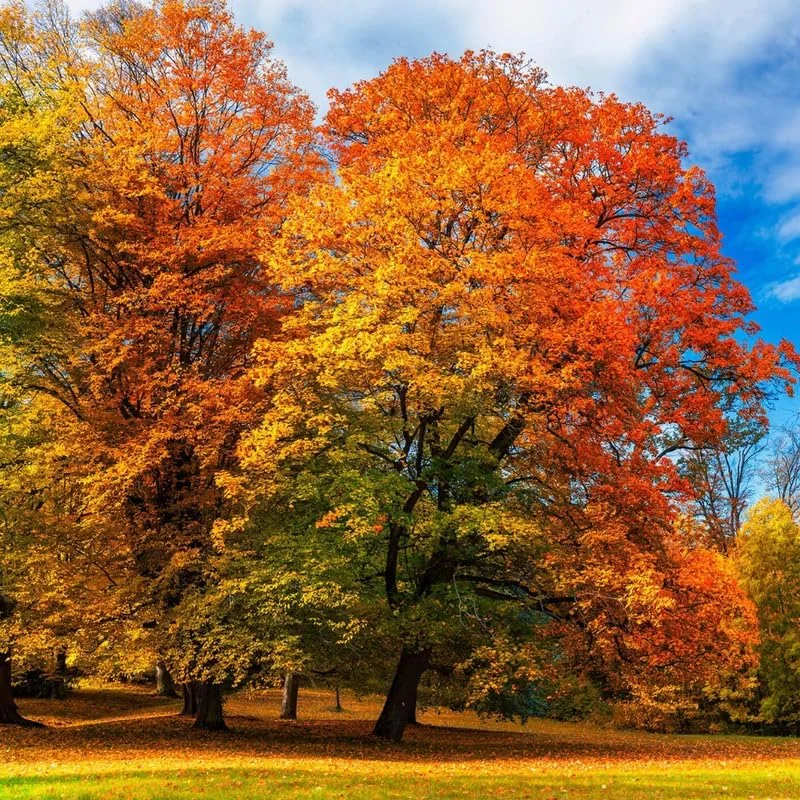
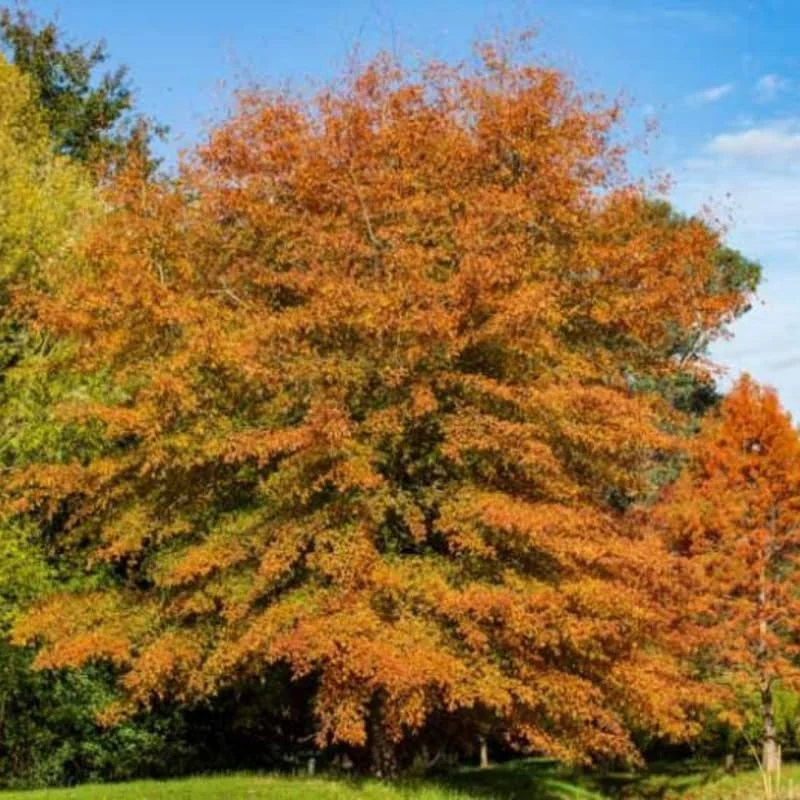
- Stunning Seasonal Foliage: Enjoy vibrant green leaves throughout spring and summer, which transition into a beautiful golden yellow in the fall, adding brilliant color to your autumn landscape. This striking color change provides a visual spectacle that enhances curb appeal.
- Rapid Growth for Quick Impact: As one of the best fast growing shade trees, the willow oak allows you to enjoy the benefits of a mature tree much sooner than many other species. Its quick establishment means less waiting for your landscape vision to materialize.
- Robust and Adaptable: This hardy tree thrives in USDA Hardiness Zones 5-8 and is known for its resilience. It adapts well to various soil conditions, especially well-drained soil, making it a forgiving choice for many gardeners. Its adaptability contributes to its longevity and overall health.
- Ecological Value: Willow oaks provide significant ecological benefits, offering shelter and food for local wildlife, including birds and squirrels, with its acorns. Planting a willow oak tree live plant supports biodiversity and helps create a thriving natural habitat in your yard.
- Elegant Aesthetic Appeal: The slender, willow-like leaves of the quercus phellos tree give it a refined and graceful appearance, distinguishing it from other oak varieties. This unique foliage adds a touch of elegance and sophisticated texture to any garden design.
- Durable and Long-Lived: Known for its strong wood and long lifespan, the willow oak is a durable choice that will enhance your property for generations. This makes it an excellent long-term investment for your landscape.
Plant Care & Growing Tips
Caring for your willow oak tree live plant is straightforward, ensuring it establishes well and thrives for years to come. Understanding its needs will help you cultivate a healthy and robust shade tree. The first step for effective willow oak tree care is proper planting. Dig a hole twice as wide as the root ball and just as deep. Gently remove the plant from its quart pot, loosen any circling roots, and place it in the hole so that the top of the root ball is level with the surrounding soil. Backfill with native soil, tamping gently to remove air pockets, and water thoroughly.
When it comes to sunlight, the willow oak prefers full sun, meaning at least 6 hours of direct sunlight per day. While it can tolerate partial shade, optimal growth and fall color will be achieved in sunnier locations. Watering is crucial, especially during the first few years of establishment. Water regularly and deeply, about 1-2 times per week, ensuring the soil remains consistently moist but not waterlogged. Once established, willow oaks are relatively drought-tolerant. They thrive in well-drained soil, tolerating a range of soil types from sandy to clay, but prefer slightly acidic to neutral pH. Proper soil preparation can significantly improve the growth of your quercus phellos tree.
The willow oak is hardy in USDA Hardiness Zones 5-8, making it suitable for a wide range of climates. This deciduous oak tree is quite cold-tolerant once mature. Fertilization is generally not necessary for established trees in good soil, but young plants can benefit from a balanced, slow-release fertilizer in spring to encourage vigorous growth. Pruning should be done in late winter or early spring to remove dead, damaged, or crossing branches, and to shape the tree. With proper willow oak tree care, your plant will grow quickly into a magnificent specimen.
Size & Details
This offering includes one willow oak tree live plant, which arrives in a quart-sized pot. Each seedling measures approximately 6-12 inches in height, providing a healthy young plant ready for transplanting into your garden or a larger container. During the late fall and winter months, it is natural for the plant to enter dormancy; it will be leafless, which is a sign of a healthy, resting plant preparing for vigorous spring growth. The willow oak is renowned for being one of the most fast growing shade trees, often adding up to 2 feet of height per year under ideal conditions.
At maturity, this impressive oak typically reaches a height of 60-80 feet with a spread of 30-40 feet, developing a broad, rounded canopy that offers significant shade. It’s a long-lived tree, providing beauty and ecological benefits for many decades. The plant’s hardy nature allows it to thrive in USDA Hardiness Zones 5-8 and it prefers well-drained soil. This deciduous oak tree is an excellent choice for those looking to make a lasting impact on their landscape with a robust and aesthetically pleasing tree.
Frequently Asked Questions
- Q: How big does this willow oak tree get? A: This willow oak tree live plant typically grows to a mature height of 60-80 feet with a spread of 30-40 feet. It is considered one of the best fast growing shade trees, adding up to 2 feet in height per year.
- Q: What size pot does the plant come in? A: Your willow oak tree will arrive as a 6-12 inch tall seedling, planted in a quart-sized pot, ready for transplanting into your garden or a larger container.
- Q: Is this an indoor or outdoor plant? A: The willow oak is an outdoor plant, primarily grown as a shade tree in yards, parks, and large landscapes. It requires ample space to reach its mature size.
- Q: How much sunlight does it need? A: For optimal growth and health, the quercus phellos tree requires full sun, meaning at least 6 hours of direct sunlight per day. It can tolerate partial shade but may not grow as vigorously or display as vibrant fall color.
- Q: Is this plant easy to care for? A: Yes, willow oaks are relatively easy to care for once established. They are known for their resilience and adaptability, requiring consistent watering during establishment and minimal maintenance thereafter, making willow oak tree care straightforward.
- Q: What condition will it arrive in? A: Your willow oak tree live plant will arrive as a healthy, potted seedling. During late fall and winter, it’s normal for the plant to be dormant and leafless, which is a natural part of its seasonal cycle.
- Q: When is the best time to plant a willow oak? A: The best time to plant a willow oak is in the spring or fall when temperatures are moderate. This allows the tree to establish its root system before the stress of summer heat or winter cold.
- Q: Will it survive winter in my zone? A: The willow oak is hardy in USDA Hardiness Zones 5-8, meaning it is well-suited to survive winters in these regions. This deciduous oak tree is known for its cold tolerance once mature.
- Q: What type of soil does a willow oak prefer? A: Willow oaks thrive in well-drained soil. They are adaptable to a variety of soil types, including sandy and clay soils, but good drainage is key for healthy root development.
- Q: Can I grow this tree from a seed? A: While willow oaks can be grown from seeds (acorns), purchasing a willow oak tree live plant ensures a faster start and higher success rate for establishing a new tree in your landscape.
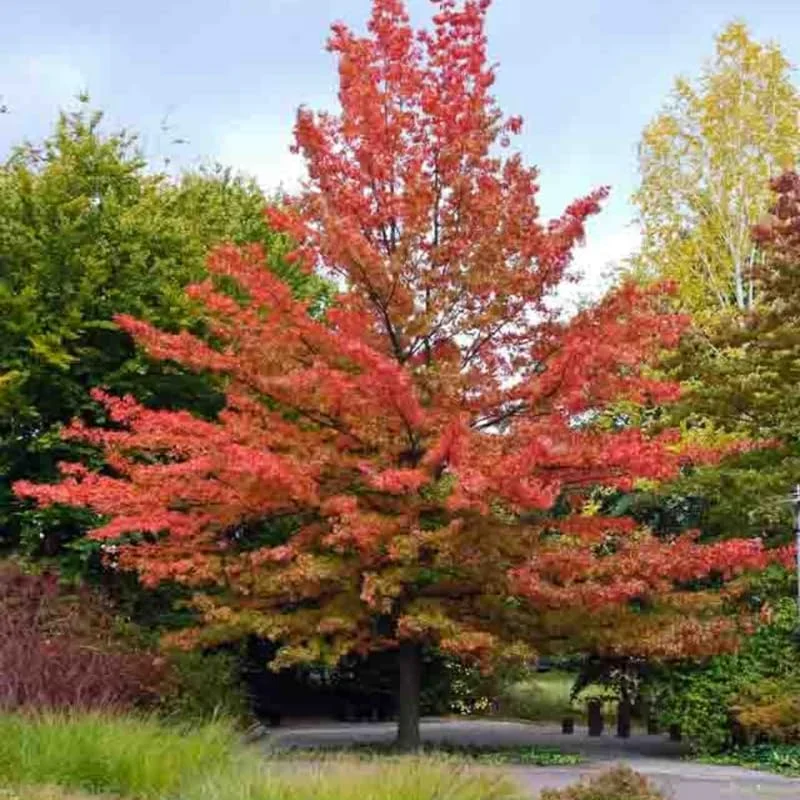
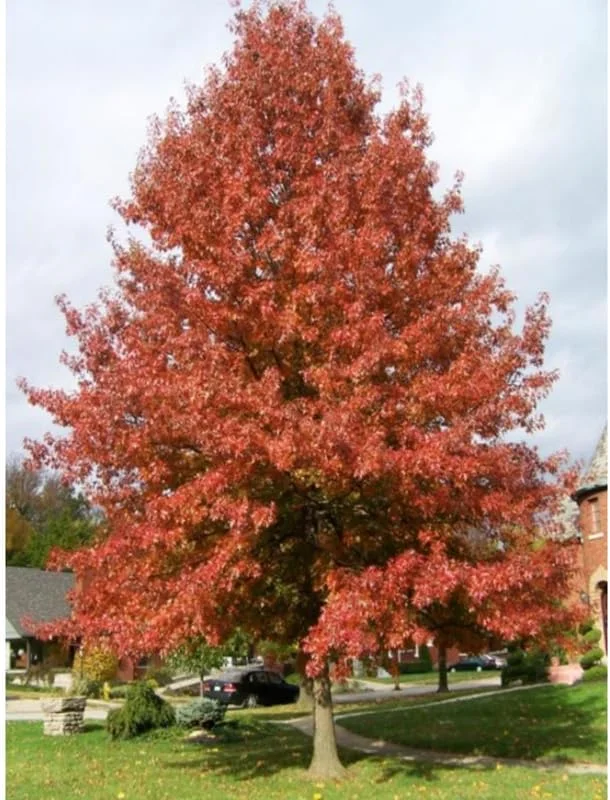
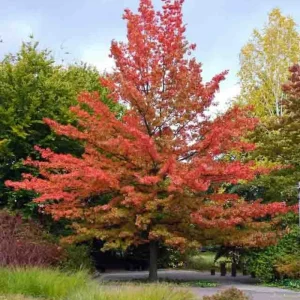
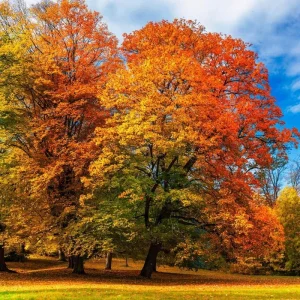
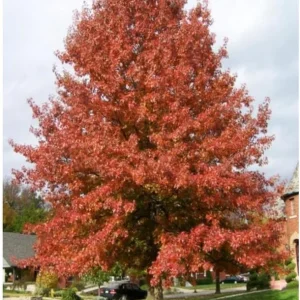
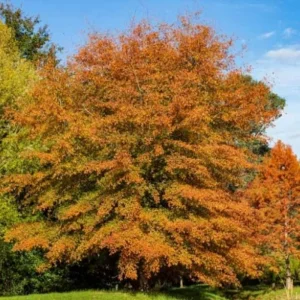
| Style | Pin Oak, Red Oak, White Oak, Willow Oak |
|---|
Be the first to review “Willow Oak Tree Live Plant – 6-12 Inch Tall Potted Shade Tree, Outdoor”
People Also Viewed
Sold 85 products
$73.90
Sold 53 products
$41.90
Sold 73 products
Original price was: $144.00.$115.20Current price is: $115.20.

Sold 80 products
$43.90
Sold 68 products
Original price was: $63.96.$31.98Current price is: $31.98.
Sold 76 products
Original price was: $27.98.$13.99Current price is: $13.99.
Sold 81 products
Original price was: $127.96.$63.98Current price is: $63.98.
Sold 66 products
From $51.80
Sold 92 products
Original price was: $39.98.$19.99Current price is: $19.99.
Sold 51 products
Original price was: $43.98.$35.18Current price is: $35.18.

Sold 69 products
$47.90
Shrubs
Tricolor Camellia Japonica Live Plant – 4 Inch Pot, Evergreen Flowering Shrub, USDA Zones 7a-10a
Sold 94 products
$49.90
Sold 98 products
From $67.80
Flower Plants
Sold 69 products
Original price was: $44.78.$22.39Current price is: $22.39.
Sold 73 products
Original price was: $27.96.$13.98Current price is: $13.98.
Sold 79 products
$109.90

Sold 95 products
Original price was: $107.96.$53.98Current price is: $53.98.
Sold 69 products
From $91.80



Reviews
There are no reviews yet.