
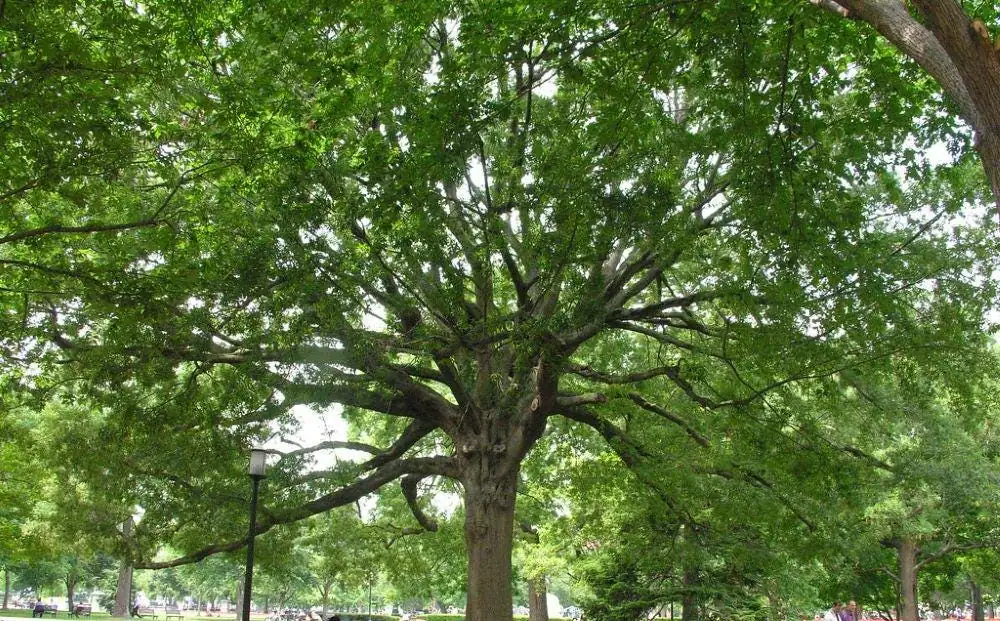


Willow Oak Tree Bareroot – Quercus Phellos – Live Shade Tree – 18-30 Inches Tall
From $95.80
Cultivate a breathtaking landscape with a willow oak tree. This bareroot willow oak tree, measuring 18-30 inches, is a fast growing oak tree ideal for creating substantial shade and visual appeal. Known for its elegant willow-like foliage and adaptability, the quercus phellos is a resilient choice for diverse garden settings, offering beautiful fall colors and easy care.
-
USDA Hardiness Zone
USDA Zones 5-9 -
Soil Type
Adaptable to various soil types, including poorly-drained -
Sunlight Exposure
Full sun -
Expected Planting Period
Late winter to early spring

You can track your order HERE
Feb 26
Mar 03 - Mar 05
Mar 08 - Mar 12
Shipping and return policies: Our Alive & Thrive Guarantee covers issues with your plants within the first 30 days. Reach out to us. Our team will answer your questions and help you find the plants that are truly suitable for your environment, climate, and personal preferences.

Overview
Transform your outdoor space with the majestic willow oak tree (Quercus phellos). This deciduous shade tree is celebrated for its graceful, narrow, willow-like leaves that distinguish it from other oak varieties. Known for its rapid growth rate, the willow oak tree quickly establishes itself, providing substantial shade and a stunning visual presence in your garden. Whether you’re aiming to create a focal point or establish a natural canopy, the Willow Oak offers both aesthetic appeal and practical benefits. Its unique foliage emerges light green in spring, deepens to a vibrant green through summer, and transitions into striking yellow and red hues in the fall, adding seasonal interest to your outdoor space. The botanical name, quercus phellos, highlights its distinctive leaf shape, making it a favorite among landscapers and home gardeners alike. This offering includes bareroot willow oak tree specimens measuring 18-30 inches, ready to be planted and begin their journey to becoming a magnificent shade provider.
Key Benefits
The willow oak tree offers numerous advantages for any landscape, combining beauty with incredible hardiness and ease of care. Its unique characteristics make it a standout choice for adding significant value and appeal to your property.
- Rapid Shade Development: As a fast growing oak tree, the Willow Oak quickly reaches its mature height of 40-60 feet and a width of 30-40 feet, providing dense, cooling shade much faster than many other large tree species. This makes it ideal for new homes or areas needing quick canopy coverage.
- Elegant Willow-Like Foliage: The distinctive narrow, lance-shaped leaves provide a refined texture to the landscape, offering a unique aesthetic compared to traditional lobed oak leaves. This elegant foliage remains vibrant green throughout the summer.
- Stunning Fall Color: Enjoy a spectacular display of fall colors as the leaves transition from bright green to brilliant shades of yellow and red, adding dramatic visual interest to your garden during the autumn months.
- Adaptable to Various Soils: The willow oak tree is exceptionally tolerant of different soil types, including poorly-drained or wet conditions, making it a versatile choice for challenging garden spots where other trees might fail. Its resilience is a key benefit for diverse landscapes.
- Low Maintenance: Once established, the Willow Oak requires minimal care, making it an excellent choice for gardeners seeking a beautiful yet easy-to-manage shade tree. This fast growing oak tree is truly a low-care option.
- Strong and Durable: Known for its robust nature, quercus phellos is a strong tree that stands up well to various environmental stresses, ensuring a long-lasting and healthy addition to your property.
- Wildlife Habitat: The Willow Oak provides valuable habitat and food sources for various wildlife, including squirrels and birds, contributing to the biodiversity of your garden.
Plant Care & Growing Tips
Caring for your willow oak tree is straightforward, especially given its robust and adaptable nature. To ensure optimal growth and health, understanding its basic requirements is essential. This fast growing oak tree thrives when given the right conditions from the start.
Sunlight Requirements: The willow oak tree performs best in full sun, meaning it needs at least 6-8 hours of direct sunlight per day. While it can tolerate some partial shade, especially in hotter climates, full sun encourages the strongest growth and most vibrant fall color. Ensure your chosen planting site receives ample unobstructed sunlight throughout the day.
Watering Schedule and Soil Moisture Preferences: During its establishment phase (the first 1-2 years), consistent watering is crucial for your bareroot willow oak tree. Water deeply 2-3 times a week, ensuring the soil around the roots remains consistently moist but not waterlogged. Once established, Willow Oaks are quite drought-tolerant, but they will benefit from supplemental watering during prolonged dry spells, especially if planted in well-draining soil. They are also known to tolerate poorly-drained or intermittently wet soils, making them suitable for rain gardens or low-lying areas.
Soil Type and Drainage Requirements: This adaptable tree is not particularly fussy about soil type and can grow in clay, loam, or sandy soils. However, it prefers slightly acidic to neutral pH. Good drainage is generally beneficial for most trees, but as mentioned, the Willow Oak is more tolerant of wet feet than many other oak species. Amending heavy clay soils with organic matter can improve soil structure and aeration, promoting healthier root development for your quercus phellos.
Temperature Range and USDA Hardiness Zone: The willow oak tree is hardy in USDA Zones 5-9. This means it can withstand winter temperatures down to -20°F (-29°C). It is well-suited to the temperate climates found across much of the United States. In colder zones, ensure adequate winter protection for young trees, and in hotter zones, ensure consistent moisture during dry periods.
Fertilization Schedule and Type: Generally, established Willow Oaks do not require heavy fertilization, especially if planted in fertile soil. For young trees or those in nutrient-poor soil, a balanced, slow-release granular fertilizer formulated for trees and shrubs can be applied in early spring. Follow the product instructions carefully to avoid over-fertilizing, which can harm the tree. Soil testing can help determine specific nutrient deficiencies.
Common Problems and Solutions: Willow Oaks are relatively pest and disease resistant. Occasional issues may include oak wilt, anthracnose, or various insect pests like oak leaf miners or gall wasps. Maintaining good cultural practices, such as proper watering, avoiding stress, and ensuring good air circulation, can help prevent most problems. Consult with a local arborist if you notice significant disease or pest infestations on your willow oak tree.
To ensure healthy growth and longevity, understanding willow oak care is essential. Proper planting technique, including preparing the site and ensuring adequate space for future growth, will set your tree up for success. Regularly inspect your tree for any signs of stress or disease, and address them promptly. With consistent attention during its establishment phase, your Willow Oak will thrive and become a cherished part of your landscape for many years.
Size & Details
This offering features willow oak tree specimens as bareroot trees, typically measuring between 18-30 inches in height upon arrival. These young trees are in their dormant state, which is the ideal time for planting and allows them to establish a robust root system before the growing season begins. The mature height of a willow oak tree is impressive, reaching 40-60 feet, with a mature width of 30-40 feet, creating a broad, spreading canopy perfect for ample shade. The growth rate is characterized as fast-growing, meaning you can expect significant development within a few years of planting.
The quercus phellos will develop its distinctive willow-like foliage after planting, emerging light green in summer and transitioning to beautiful yellow and red tones in the fall. As bareroot trees, they are shipped without soil around their roots, which reduces shipping weight and cost, and often leads to quicker establishment in their new environment when planted correctly. Expect these trees to begin leafing out in the spring following planting, gradually increasing in size and vigor. While these are young trees, their inherent fast growth means they will quickly become a prominent feature in your garden, offering shade and beauty for decades to come.
Frequently Asked Questions
- Q: How big does this willow oak tree get? A: The willow oak tree is a large shade tree that can reach a mature height of 40-60 feet with a spread of 30-40 feet. It is known for its relatively fast growing oak tree rate.
- Q: What size are the bareroot trees when shipped? A: The bareroot willow oak tree specimens typically measure between 18-30 inches tall when they are shipped, ready for immediate planting.
- Q: Is this an indoor or outdoor plant? A: The willow oak tree is an outdoor tree, suitable for landscaping and creating shade in gardens, parks, and large yards. It is not intended for indoor cultivation.
- Q: How much sunlight does the quercus phellos need? A: This tree thrives in full sun, requiring at least 6-8 hours of direct sunlight per day to achieve its best growth and health.
- Q: Is this tree easy to care for? A: Yes, the willow oak tree is considered an easy-to-grow and low-maintenance tree once established. It is adaptable to various soil conditions and relatively pest-resistant. Consistent willow oak care during establishment ensures long-term health.
- Q: What condition will the bareroot trees arrive in? A: Your bareroot trees will arrive dormant, meaning they will not have leaves or soil around their roots. This is a normal and healthy state for planting during the dormant season.
- Q: When is the best time to plant a willow oak tree? A: The optimal time for planting bareroot trees like the Willow Oak is in late winter or early spring, while the tree is still dormant, before new growth begins.
- Q: Will the willow oak tree survive winter in my zone? A: The willow oak tree is hardy in USDA Zones 5-9, meaning it can withstand cold winter temperatures within these zones. Always check your specific zone.
- Q: Can the willow oak tree tolerate wet soil? A: Yes, one of the notable benefits of the willow oak tree is its tolerance for poorly-drained and occasionally wet soils, making it an excellent choice for areas prone to moisture.
- Q: How long does it take for the willow oak tree to establish? A: A bareroot willow oak tree typically takes 1-2 years to fully establish its root system. Consistent watering during this period is crucial for successful establishment.
| Amount | 2, 3, 4, 5 |
|---|
Be the first to review “Willow Oak Tree Bareroot – Quercus Phellos – Live Shade Tree – 18-30 Inches Tall”
People Also Viewed


Sold 70 products
Original price was: $31.16.$15.58Current price is: $15.58.
Sold 52 products
Original price was: $39.98.$31.98Current price is: $31.98.
Sold 67 products
Original price was: $180.00.$90.00Current price is: $90.00.

Sold 88 products
Original price was: $127.96.$63.98Current price is: $63.98.

Sold 94 products
Original price was: $34.76.$17.38Current price is: $17.38.
Sold 97 products
From $71.80

Sold 74 products
Original price was: $31.16.$15.58Current price is: $15.58.
Sold 67 products
Original price was: $66.00.$52.80Current price is: $52.80.

Sold 51 products
Original price was: $13.08.$6.54Current price is: $6.54.
Sold 88 products
From $75.80
Sold 78 products
Original price was: $48.72.$16.24Current price is: $16.24.

Sold 79 products
From $199.80

Sold 91 products
$57.18
Sold 90 products
Original price was: $59.90.$35.94Current price is: $35.94.
Sold 74 products
Original price was: $289.96.$144.98Current price is: $144.98.
Sold 98 products
Original price was: $35.98.$17.99Current price is: $17.99.

Sold 50 products
From $54.00
Sold 96 products
Original price was: $59.98.$41.98Current price is: $41.98.



Reviews
There are no reviews yet.