
Willow Oak Live Tree – Quercus Phellos – Quart Pot – Outdoor Shade Tree
Original price was: $67.96.$33.98Current price is: $33.98.
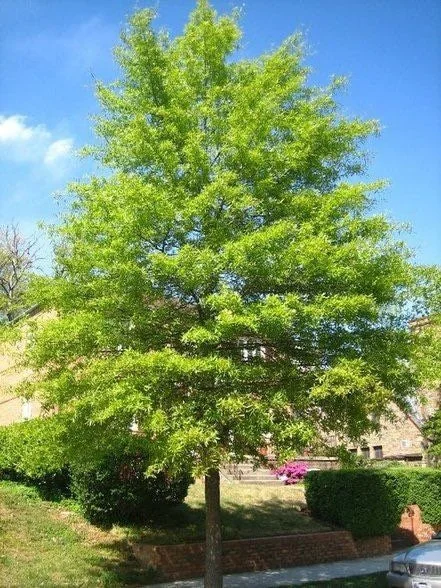
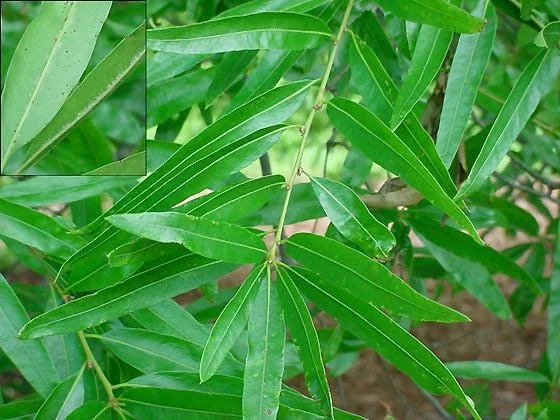
Introduce a touch of natural elegance to your landscape with the willow oak live tree. This beautiful and resilient deciduous shade tree (Quercus phellos) is shipped in a convenient quart pot, ensuring it arrives healthy and ready for successful transplanting. Enjoy its fast growth, distinctive willow-like leaves, and excellent shade provision.
-
USDA Hardiness Zone
3-9 -
Soil Type
Moist, well-draining soil -
Sunlight Exposure
Full sun to partial shade -
Expected Planting Period
Early spring or fall

You can track your order HERE
Feb 26
Mar 03 - Mar 05
Mar 08 - Mar 12
Shipping and return policies: Our Alive & Thrive Guarantee covers issues with your plants within the first 30 days. Reach out to us. Our team will answer your questions and help you find the plants that are truly suitable for your environment, climate, and personal preferences.

Overview
Introduce a touch of natural elegance to your landscape with the willow oak live tree. This beautiful and resilient deciduous shade tree, scientifically known as Quercus phellos, is a superb choice for creating shade and enhancing biodiversity in your garden. Our willow oak live tree is shipped in a convenient quart pot, ensuring it arrives healthy and ready for successful transplanting into your chosen outdoor location. Native to the eastern and central United States, the willow oak is celebrated for its distinctive narrow, willow-like leaves that provide a graceful appearance throughout the growing season. It’s a fast-growing species that adapts well to various conditions, making it a favorite among landscapers and homeowners alike. Whether you’re looking to establish a new focal point or add to an existing collection of shade trees, the willow oak live tree is an outstanding option.
The quercus phellos tree, commonly referred to as the willow oak, is a long-lived species that can provide decades of beauty and environmental benefits. It’s particularly well-suited for lowland floodplains and areas with moist soil, although it can also tolerate some drier conditions once established. With its robust nature and appealing foliage, this tree offers both aesthetic value and ecological advantages, supporting local wildlife and contributing to a healthier environment. Planting a willow oak live tree is an investment in the future of your garden, promising years of growth and natural splendor.
Key Benefits
The willow oak live tree offers a multitude of benefits for any outdoor setting, combining aesthetic appeal with environmental advantages. Here are some of the key reasons to choose this remarkable tree:
- Excellent Shade Provider: As a fast-growing, large deciduous shade tree, the willow oak quickly establishes a dense canopy, offering significant relief from summer heat and reducing energy costs for nearby structures. Its broad spread creates comfortable outdoor living spaces, making it an excellent choice for any landscape.
- Distinctive Foliage: Unlike many other oaks, the willow oak features unique, narrow, lance-shaped leaves that resemble those of a willow. This provides a fine-textured appearance that adds a delicate elegance to the landscape, creating visual interest that stands out throughout the growing season.
- Wildlife Attraction: The acorns produced by the quercus phellos tree are a valuable food source for a variety of wildlife, including squirrels, deer, and various bird species. Planting this tree helps support local ecosystems and biodiversity, contributing to a vibrant natural environment.
- Adaptable and Hardy: This species is incredibly resilient, thriving across a wide range of USDA Zones 3-9. It tolerates various soil types, including moist conditions, and is known for its ability to withstand urban environments, making it a versatile choice for many different climates and settings.
- Strong and Long-Lived: Willow oaks are known for their strong wood and considerable longevity, often living for many decades. This makes them a durable and lasting addition to your property, providing beauty and environmental benefits for generations.
- Low Maintenance: Once established, the willow oak live tree requires relatively little maintenance. It is generally resistant to many common pests and diseases, allowing you to enjoy its beauty without constant upkeep. This makes willow oak care straightforward for busy gardeners.
- Beautiful Fall Color: While primarily known for its green summer foliage, the willow oak also provides attractive fall color, with leaves turning shades of yellow and russet before dropping, adding seasonal interest to your garden and extending its aesthetic appeal.
Plant Care & Growing Tips
Caring for your willow oak live tree is straightforward, especially when planted in an appropriate location and given proper initial care. This resilient deciduous shade tree thrives in full sun to partial shade, meaning it needs at least 6 hours of direct sunlight per day for optimal growth. While it can tolerate some shade, more sun will lead to faster growth and a denser canopy. When considering where to plant a willow oak, remember its mature size; it will need ample space to grow both horizontally and vertically to reach its full potential.
The quercus phellos tree prefers moist, well-draining soil. It is naturally found in lowland floodplains, indicating its preference for consistent moisture. While young trees need regular watering, especially during dry spells, established trees are quite drought-tolerant. Ensure the soil remains moist but not waterlogged, particularly during the first few years after planting. A layer of mulch around the base of the tree can help retain soil moisture and regulate soil temperature. Fertilization is generally not necessary for established willow oaks in good soil, but young trees can benefit from a balanced, slow-release fertilizer in early spring to encourage vigorous growth. The USDA Hardiness Zones for the willow oak are 3-9, making it suitable for a broad range of climates across the United States. Protect young trees from harsh winter winds in colder zones to ensure successful establishment.
Pruning should primarily focus on removing dead, damaged, or diseased branches to maintain the tree’s health and structure. It’s best to prune in late winter or early spring before new growth begins. The willow oak care routine is relatively low-maintenance, making it an excellent choice for those seeking a majestic shade tree without excessive fuss. Ensuring proper planting depth and adequate initial watering are crucial steps to help your new willow oak live tree establish a strong root system and flourish for years to come.
Size & Details
This offering includes one willow oak live tree, carefully cultivated and shipped in a quart pot. At the time of shipment, the plant’s height will vary depending on its growth stage and seasonal timing, typically ranging from 1 to 2 feet tall, providing a healthy young specimen ready for planting. The quart pot ensures the root system is well-developed and protected during transit, facilitating an easier transition to your garden. The quercus phellos tree is known for its relatively fast growth rate, especially in ideal conditions, and can quickly grow into a substantial shade tree.
Mature willow oaks can reach impressive heights of 40 to 60 feet, with a similar spread, forming a beautiful, broad canopy. Its distinctive narrow leaves maintain a fresh green color throughout the spring and summer, turning to shades of yellow and russet in the fall. Expect this deciduous shade tree to begin producing acorns once it reaches maturity, typically after 15-20 years, providing a valuable food source for local wildlife. The tree’s strong central leader and well-branched structure contribute to its stately appearance and resilience. This quart-sized plant is the perfect starting point to plant a willow oak that will grow into a magnificent landscape feature, offering years of enjoyment and environmental benefits.
Frequently Asked Questions
- Q: How big does this plant get? A: The willow oak live tree typically grows to an impressive height of 40-60 feet with a similar spread at maturity, providing extensive shade. Our quart pot plant is a young specimen, ready to establish itself and grow into a magnificent landscape feature.
- Q: What size pot does it come in? A: Each willow oak live tree is carefully shipped in a quart-sized nursery pot, providing a secure and healthy environment for its root system during transit and for initial planting.
- Q: Is this an indoor or outdoor plant? A: The willow oak is a hardy outdoor tree, best suited for planting directly in the ground in your garden or landscape. It is not an indoor plant and requires ample space to thrive.
- Q: How much sunlight does it need? A: For optimal growth, the quercus phellos tree requires full sun to partial shade, meaning at least 6 hours of direct sunlight daily. More sun generally leads to faster and stronger growth and a denser canopy.
- Q: Is this plant easy to care for? A: Yes, once established, the willow oak care routine is relatively low-maintenance. It is quite adaptable and resilient, making it a good choice for various gardeners, even those with limited experience.
- Q: What condition will it arrive in? A: Your willow oak live tree will arrive as a healthy, live plant in its quart pot, carefully packaged to ensure its well-being during shipment. We focus on delivering robust specimens ready for planting directly.
- Q: When is the best time to plant a willow oak? A: The best time to plant a willow oak is typically in early spring or fall, allowing the tree to establish its root system before the extreme heat of summer or the cold of winter.
- Q: Will it survive winter in my zone? A: The willow oak is extremely hardy and thrives in USDA Zones 3-9, meaning it can withstand a wide range of winter temperatures across most of the United States, making it a reliable choice for many regions.
- Q: What type of soil does it prefer? A: This deciduous shade tree prefers moist, well-draining soil. It is often found naturally in floodplains, indicating its preference for consistent soil moisture, though it can tolerate some drier conditions once established.
- Q: Does it produce acorns? A: Yes, mature willow oak live tree specimens produce small acorns, which are an important food source for local wildlife such as squirrels, deer, and various bird species, contributing to local biodiversity.
Be the first to review “Willow Oak Live Tree – Quercus Phellos – Quart Pot – Outdoor Shade Tree”
People Also Viewed
Sold 90 products
Original price was: $283.96.$141.98Current price is: $141.98.
Sold 59 products
Original price was: $37.98.$20.49Current price is: $20.49.
Sold 69 products
Original price was: $391.96.$195.98Current price is: $195.98.
Sold 56 products
$59.38
Sold 69 products
Original price was: $79.98.$39.99Current price is: $39.99.
Sold 53 products
Original price was: $355.96.$177.98Current price is: $177.98.
Sold 77 products
Original price was: $391.96.$195.98Current price is: $195.98.
Sold 68 products
Original price was: $24.35.$7.74Current price is: $7.74.
Sold 98 products
Original price was: $18.76.$9.38Current price is: $9.38.
Sold 51 products
Original price was: $427.96.$213.98Current price is: $213.98.

Sold 80 products
Original price was: $18.76.$9.38Current price is: $9.38.
Sold 64 products
Original price was: $439.80.$219.90Current price is: $219.90.
Sold 92 products
Original price was: $38.00.$19.00Current price is: $19.00.
Sold 94 products
Original price was: $25.56.$12.78Current price is: $12.78.
Succulents
Aeonium ‘Phoenix’ Variegata Succulent Plant – Live Succulent – 2-4 Inch Pot – Indoor/Outdoor
Sold 53 products
From $36.64
Sold 83 products
Original price was: $391.96.$195.98Current price is: $195.98.
Trees
Acer Pentaphyllum Live Plant – Five-Leaf Maple Tree – 1-3 ft Tall – Ships in 6 inch Pot – Outdoor
Sold 67 products
Original price was: $147.16.$73.58Current price is: $73.58.
Sold 100 products
From $5.98



Reviews
There are no reviews yet.