
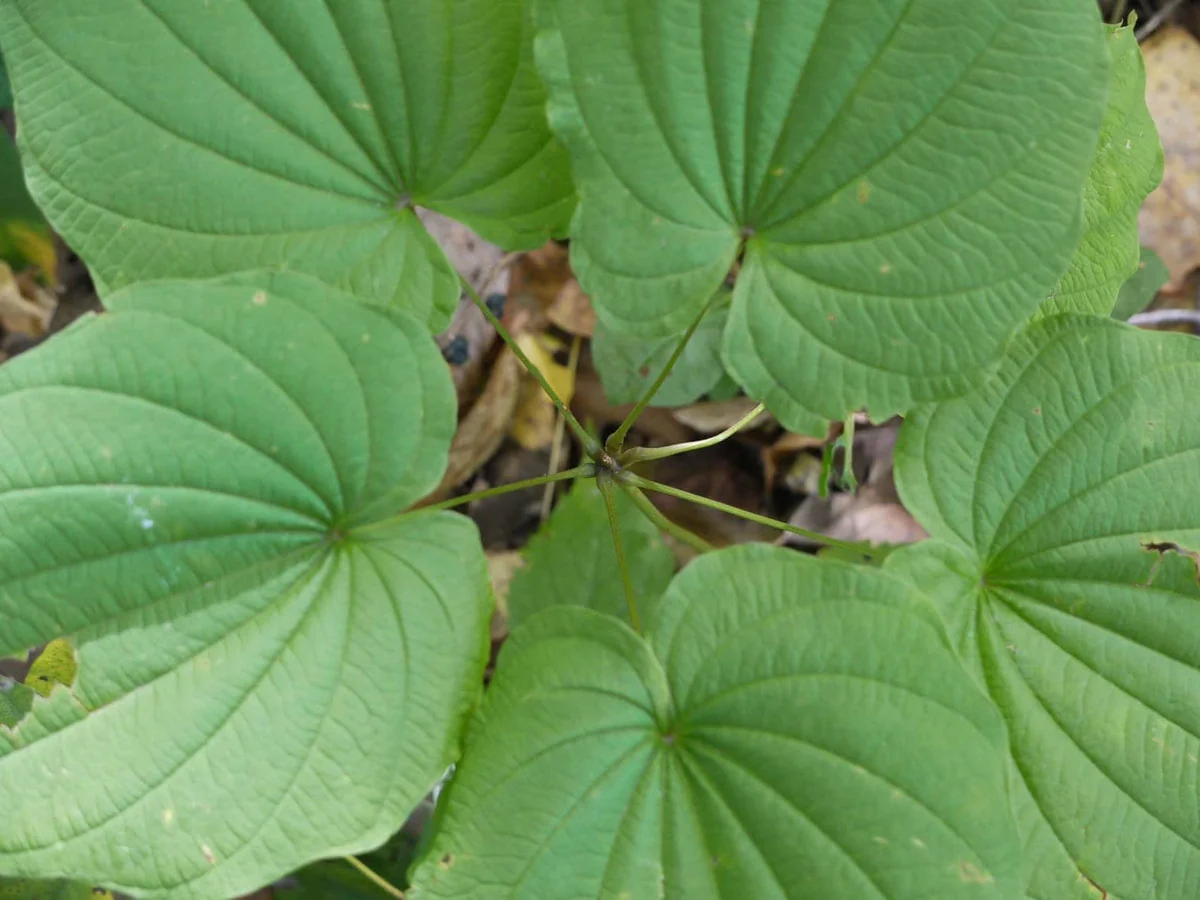
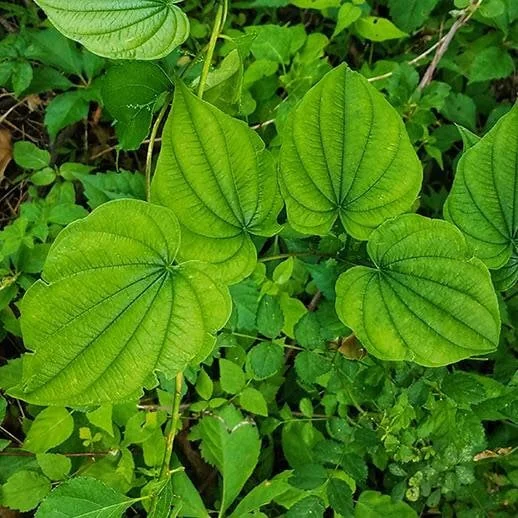
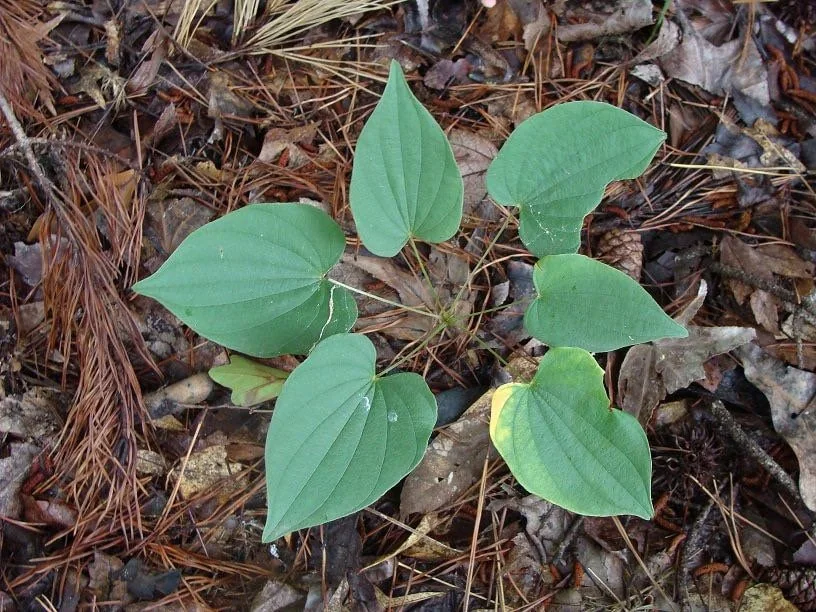
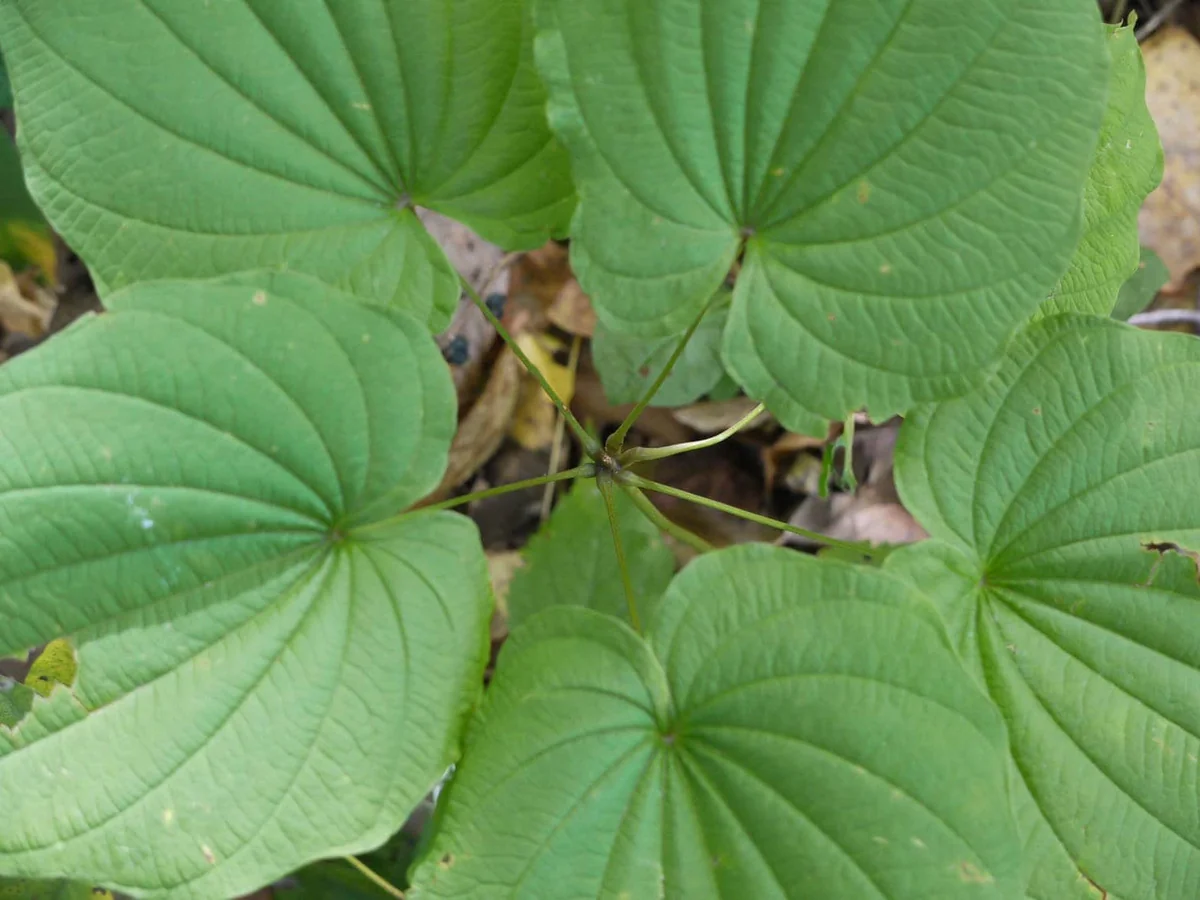
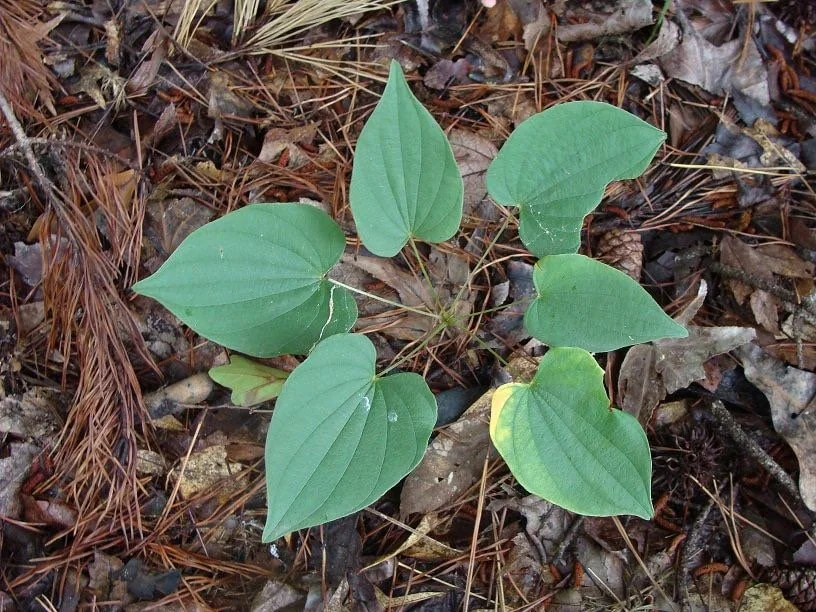
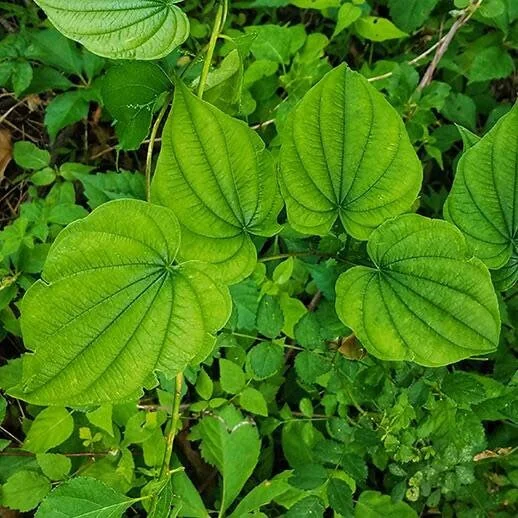
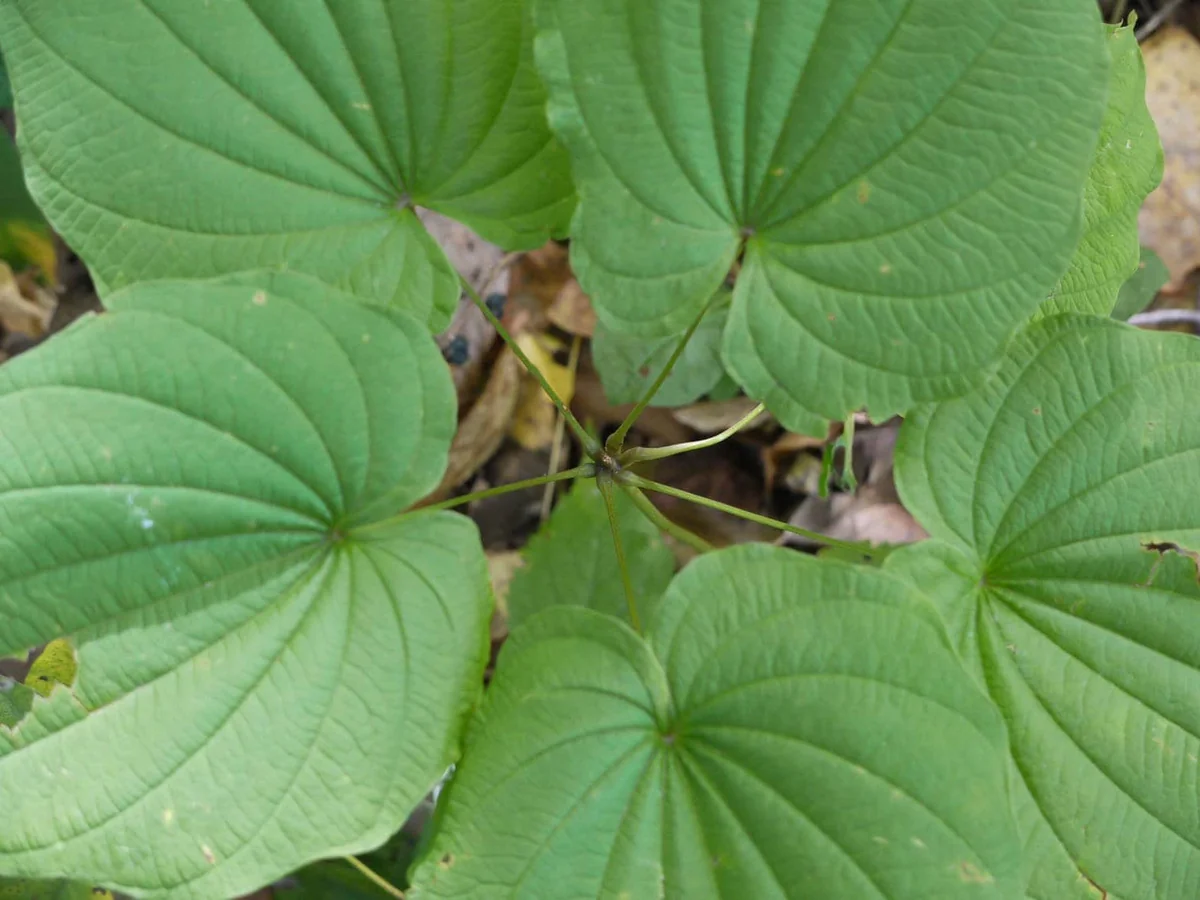
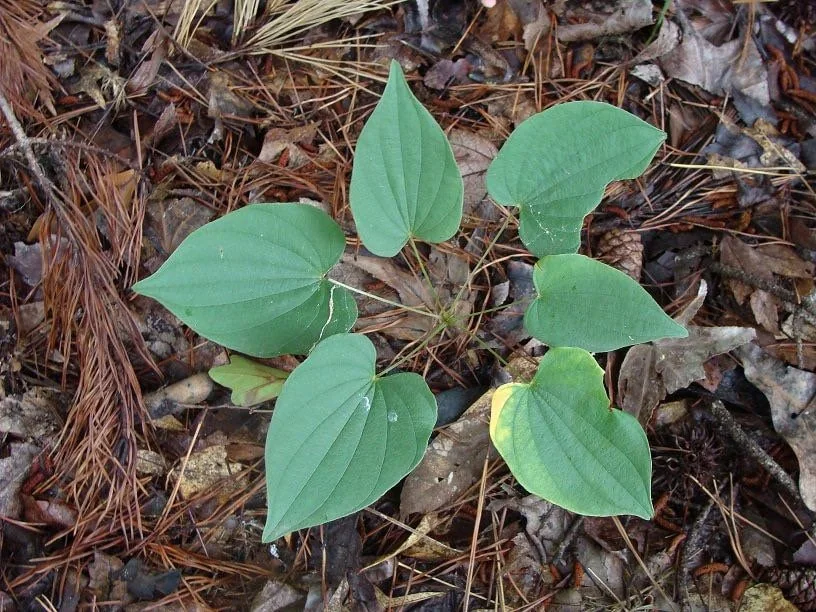
Wild Yam Plant – Dioscorea Villosa Bare Root – Organic Perennial Vine
From $25.60
Cultivate the versatile wild yam bare root (Dioscorea Villosa), an organic perennial vine known for its beautiful foliage and potential medicinal uses. This native wildflower plant thrives in various garden settings, offering a unique addition to your landscape. Easy to plant and grow, it’s a fantastic choice for gardeners seeking both beauty and botanical interest.
-
USDA Hardiness Zone
USDA Zones 4-8 -
Soil Type
Well-draining, rich in organic matter -
Sunlight Exposure
Partial shade to full sun -
Expected Planting Period
Early spring to early fall

You can track your order HERE
Feb 27
Mar 04 - Mar 06
Mar 09 - Mar 13
Shipping and return policies: Our Alive & Thrive Guarantee covers issues with your plants within the first 30 days. Reach out to us. Our team will answer your questions and help you find the plants that are truly suitable for your environment, climate, and personal preferences.

Overview
Introduce a touch of native beauty and botanical intrigue to your garden with our premium wild yam bare root. Scientifically known as Dioscorea Villosa, this organic perennial vine is a remarkable addition for both its aesthetic appeal and its historical significance as a medicinal herb wild yam. Our bare roots are carefully selected to ensure vigorous growth, allowing you to cultivate a thriving plant that will return year after year. As a native wildflower, the wild yam bare root integrates seamlessly into naturalized gardens, providing lush greenery and delicate blooms that attract local pollinators. This robust vine is an excellent choice for those looking to enhance biodiversity and create a sustainable, low-maintenance landscape.
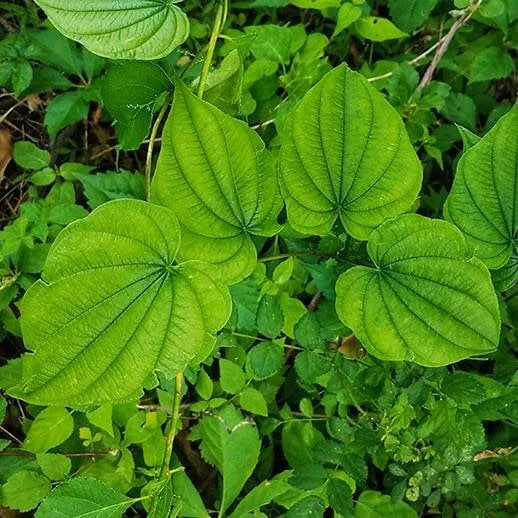
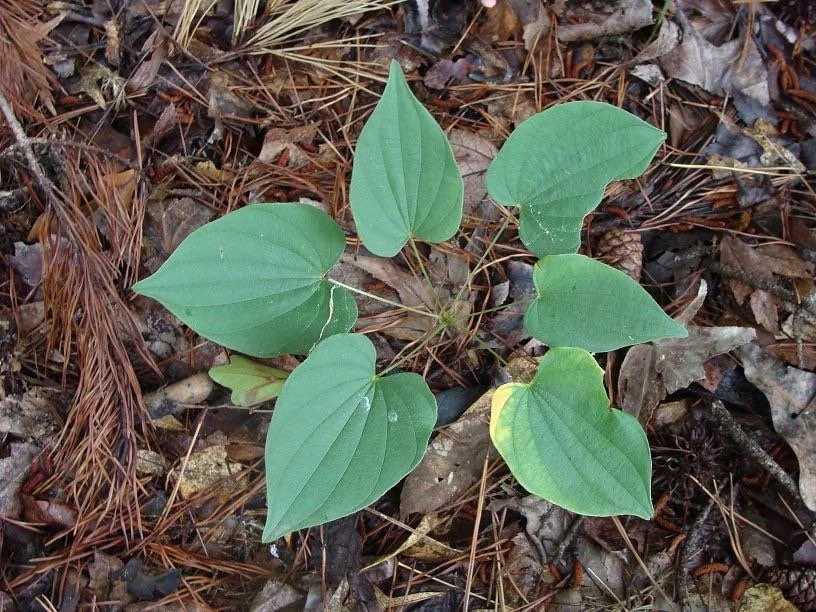
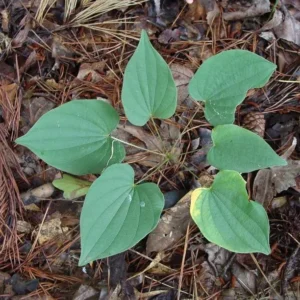
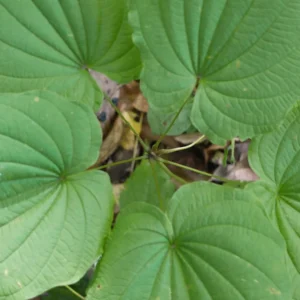
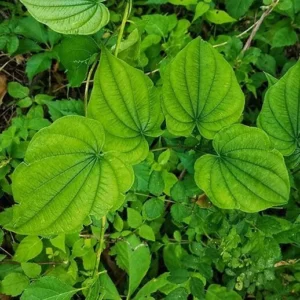
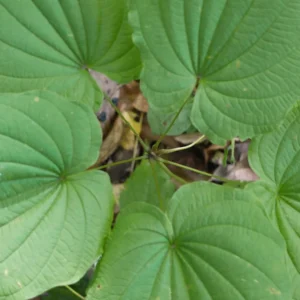
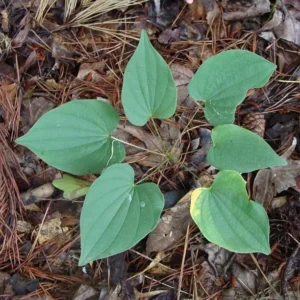
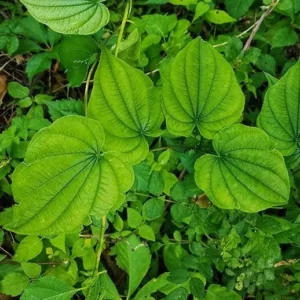
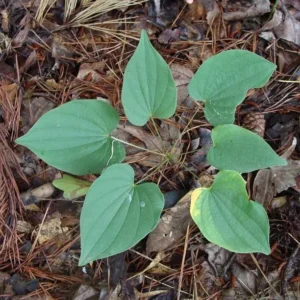
The Dioscorea Villosa plant is celebrated for its vigorous growth habit, quickly establishing itself to cover trellises, fences, or other garden structures. Its heart-shaped leaves create a dense, attractive canopy, making it an ideal choice for adding vertical interest to your garden. Whether you’re a seasoned gardener or just starting, growing a wild yam bare root is a rewarding experience that connects you with nature’s enduring cycles. This resilient organic perennial vine is more than just a plant; it’s a living piece of natural heritage, ready to flourish in your outdoor space.
Key Benefits
Our wild yam bare root offers numerous advantages, blending ornamental beauty with ecological benefits and traditional uses. Here are some key reasons to add this exceptional plant to your garden:
- Native Ecosystem Support: As a native wildflower plant, Wild Yam provides essential habitat and food sources for local wildlife, contributing to a healthy and balanced ecosystem. Its presence supports biodiversity in your garden.
- Vigorous Growth & Coverage: This organic perennial vine is known for its rapid and robust growth, quickly covering trellises, arbors, or fences. It offers excellent vertical interest and can create natural privacy screens or shade.
- Low Maintenance & Resilient: Once established, the Dioscorea Villosa plant is remarkably hardy and requires minimal care. It tolerates a range of conditions, making it suitable for gardeners of all skill levels.
- Traditional Medicinal Herb: Historically, medicinal herb wild yam has been valued for its roots in various traditional practices. Growing your own allows for a deeper connection to these historical uses, though specific applications should always be researched and consulted with professionals.
- Aesthetic Appeal: With its attractive heart-shaped leaves and delicate, often inconspicuous, flowers, the wild yam bare root adds lush greenery and a natural, wild charm to any garden setting.
- Perennial Longevity: Being a perennial, this plant will return year after year, providing continuous beauty and benefits without the need for annual replanting. It offers a lasting investment in your garden’s design.
- Adaptable to Various Settings: The wild yam bare root can thrive in different garden designs, from woodland gardens to cottage gardens, and even in naturalized areas or alongside ponds.
Plant Care & Growing Tips
To ensure your wild yam bare root establishes successfully and thrives for years to come, proper planting and ongoing care are essential. While generally robust, understanding its specific needs will lead to the best results. The Dioscorea Villosa plant prefers a location with partial shade to full sun, ideally receiving 4-6 hours of sunlight per day. Too much intense, direct afternoon sun in hot climates can scorch the leaves, while too much shade can reduce vigor. When planting, dig a hole large enough to comfortably accommodate the bare root, ensuring the crown (where the stem meets the root) is just below the soil surface.
Watering is crucial during the establishment phase. Keep the soil consistently moist but not waterlogged after planting your wild yam bare root. Once established, this organic perennial vine is relatively drought-tolerant but will benefit from regular watering during prolonged dry spells, especially if planted in full sun. The ideal soil for a native wildflower plant like Wild Yam is well-draining, rich in organic matter. Amend heavy clay soils with compost to improve drainage, and sandy soils with compost to improve water retention. A slightly acidic to neutral pH (6.0-7.0) is generally preferred.
Wild Yam is hardy in USDA zones 4-8. In colder regions, ensure adequate mulch is applied in late fall to protect the roots from deep freezes. Fertilization is generally not heavily required, especially in organically rich soils. If growth appears slow, a balanced, all-purpose organic fertilizer can be applied in early spring. Pests and diseases are not typically a major issue for the wild yam bare root, but keep an eye out for common garden pests and address them promptly with organic solutions if they appear. Providing a sturdy trellis or support structure for this climbing vine will encourage upward growth and showcase its full beauty.
Size & Details
When you receive your order, you will be getting a healthy wild yam bare root (Dioscorea Villosa) ready for planting. These are robust root sections, carefully harvested to ensure viability and vigorous growth. As an organic perennial vine, it will develop into a substantial plant, typically reaching heights of 6 to 15 feet when provided with adequate support. The spread can vary depending on growing conditions and support, but it generally forms a dense curtain of foliage. The roots are shipped without foliage or a pot, which is standard practice for bare root plants, ensuring they are in a dormant state for successful transplanting. With proper care, you can expect to see new growth emerge within a few weeks of planting, and the vine will establish itself fully over the first growing season.
The Dioscorea Villosa plant is known for its relatively fast growth rate once established, quickly adding vertical interest to your garden. While it primarily grows as a foliage plant, it produces small, greenish-yellow flowers that are often inconspicuous but contribute to its natural appeal. The primary focus for many gardeners cultivating medicinal herb wild yam is the root system, which continues to develop over several years. This native plant is an excellent long-term investment for any garden, offering both ornamental value and the satisfaction of growing a historically significant native wildflower plant.
Frequently Asked Questions
- Q: How big does the wild yam bare root get? A: Once established, this vigorous perennial vine can typically reach heights of 6 to 15 feet, depending on growing conditions and the support provided. It will form a lush, dense canopy of heart-shaped leaves.
- Q: Is this an indoor or outdoor plant? A: The Dioscorea Villosa plant is primarily an outdoor plant, thriving in garden settings, woodlands, or naturalized areas. It is cold hardy and prefers to grow outdoors where it can climb and spread naturally.
- Q: How much sunlight does the organic perennial vine need? A: Wild Yam prefers partial shade to full sun. Ideally, it should receive 4-6 hours of sunlight per day. In hotter climates, some afternoon shade is beneficial to prevent leaf scorching.
- Q: What condition will the wild yam bare root arrive in? A: You will receive dormant bare roots, meaning they will not have foliage or a pot. These roots are freshly harvested and packed to ensure they arrive in good condition, ready for immediate planting.
- Q: Is this medicinal herb wild yam easy to care for? A: Yes, once established, Wild Yam is a relatively low-maintenance plant. It’s hardy and tolerant of various conditions, making it a good choice for both beginner and experienced gardeners.
- Q: When is the best time to plant the native wildflower plant? A: The best time to plant bare roots is typically in early spring, after the last frost, or in early fall. This allows the root system to establish before extreme temperatures set in.
- Q: Will the Dioscorea Villosa plant survive winter in my zone? A: Wild Yam is hardy in USDA Zones 4-8. In these zones, it will die back to the ground in winter and re-emerge vigorously in spring. In colder zones, extra mulching may be needed for protection.
- Q: What kind of soil does Wild Yam prefer? A: This plant thrives in well-draining soil that is rich in organic matter. A slightly acidic to neutral pH is ideal. Amending heavy clay soils with compost is recommended.
- Q: Does the organic perennial vine need a trellis or support? A: Yes, as a climbing vine, Wild Yam benefits greatly from a sturdy support structure like a trellis, arbor, fence, or even an existing shrub or tree to climb upon. This encourages upward growth and better air circulation.
- Q: How long until I see growth from the wild yam bare root? A: With proper planting and consistent moisture, you can typically expect to see new shoots emerging from the bare root within a few weeks to a month, depending on environmental conditions.
| Quantity | 10 Roots, 2 Roots, 3 Roots, 5 Roots |
|---|
Be the first to review “Wild Yam Plant – Dioscorea Villosa Bare Root – Organic Perennial Vine”
People Also Viewed
Sold 81 products
Original price was: $62.00.$31.00Current price is: $31.00.
Sold 93 products
Original price was: $463.96.$231.98Current price is: $231.98.
Sold 52 products
Original price was: $161.56.$80.78Current price is: $80.78.
Sold 94 products
From $197.96
Sold 64 products
Original price was: $535.96.$267.98Current price is: $267.98.
Sold 85 products
Original price was: $183.16.$91.58Current price is: $91.58.
Sold 91 products
Original price was: $283.96.$141.98Current price is: $141.98.
Sold 87 products
Original price was: $31.96.$15.98Current price is: $15.98.
Sold 52 products
Original price was: $101.98.$50.99Current price is: $50.99.
Sold 96 products
Original price was: $161.56.$80.78Current price is: $80.78.

Sold 82 products
Original price was: $50.76.$25.38Current price is: $25.38.
Sold 99 products
Original price was: $89.56.$44.78Current price is: $44.78.
Sold 85 products
Original price was: $288.00.$144.00Current price is: $144.00.
Sold 88 products
Original price was: $391.96.$195.98Current price is: $195.98.
Sold 72 products
Original price was: $147.16.$73.58Current price is: $73.58.
Sold 89 products
Original price was: $499.96.$249.98Current price is: $249.98.
Sold 78 products
Original price was: $147.16.$73.58Current price is: $73.58.
Sold 88 products
Original price was: $43.85.$15.54Current price is: $15.54.


Reviews
There are no reviews yet.