
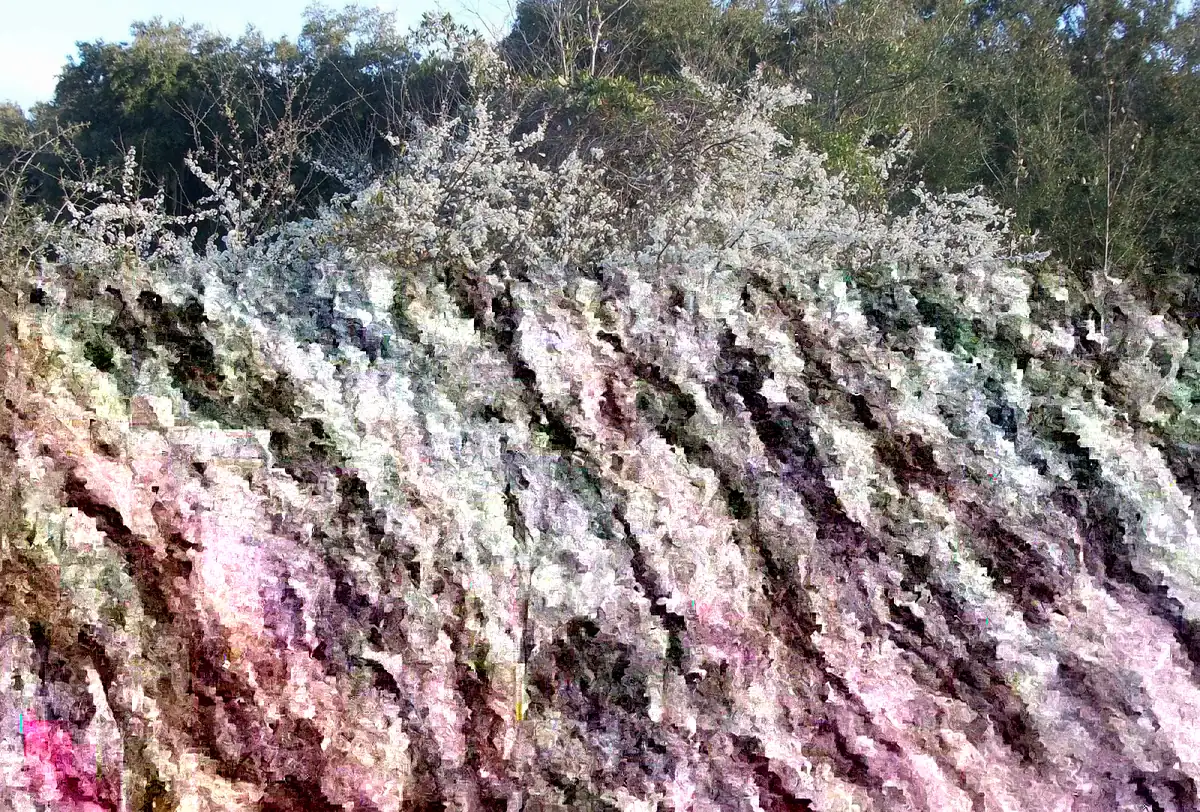

Wild Plum Tree Live Plant – 12-18 Inches Tall, Prunus spp. Outdoor
Original price was: $47.96.$23.98Current price is: $23.98.
Bring the beauty and bounty of nature to your garden with this wild plum tree live plant. Standing 12-18 inches tall and 1-2 years old, this Prunus spp. is ready for outdoor planting. Enjoy beautiful blooms and delicious, edible plum tree fruits.
-
USDA Hardiness Zone
USDA zones 4-8 -
Soil Type
Well-draining soil -
Sunlight Exposure
Full sun -
Expected Planting Period
Early spring or fall

You can track your order HERE
Mar 03
Mar 08 - Mar 10
Mar 13 - Mar 17
Shipping and return policies: Our Alive & Thrive Guarantee covers issues with your plants within the first 30 days. Reach out to us. Our team will answer your questions and help you find the plants that are truly suitable for your environment, climate, and personal preferences.

Overview
Introduce a touch of natural beauty and a source of delicious fruit to your landscape with this captivating wild plum tree live plant. This offering provides a vibrant, healthy young Prunus spp. specimen, carefully cultivated to thrive in a variety of outdoor environments. Measuring between 12-18 inches in height and approximately 1-2 years old, this tree is at an ideal stage for planting and establishing itself in your garden. Known for its resilience and adaptability, the wild plum tree is a fantastic choice for gardeners looking to add a productive and aesthetically pleasing element to their property. Its early spring blossoms provide a stunning visual display, followed by the development of flavorful, edible plums, making it a rewarding addition to any home orchard or naturalized area.
The Prunus genus encompasses a wide array of stone fruits, and this particular Prunus spp. tree promises the characteristic charm and fruit-bearing potential of its wild plum lineage. Whether you’re an experienced gardener or just starting, this young tree offers an exciting opportunity to cultivate your own fruit. It’s an excellent choice for creating wildlife habitats, contributing to biodiversity, or simply enjoying the seasonal cycle of growth and harvest this remarkable plant offers.
Key Benefits
Adding a wild plum tree live plant to your garden provides numerous advantages beyond just its ornamental appeal. These trees are robust and offer a sustainable source of fresh fruit, enhancing your landscape’s ecological value. Here are some key benefits:
- Produces Edible Fruit: Enjoy the satisfaction of harvesting your own fresh, delicious plums directly from your garden. These plums are perfect for eating fresh, making jams, jellies, or pies. This makes it an ideal edible plum tree for home growers.
- Attractive Seasonal Interest: From delicate white or pink blossoms in early spring to vibrant green foliage in summer and often colorful autumn leaves, the wild plum tree offers visual appeal throughout the seasons, adding dynamic beauty to your outdoor space.
- Supports Local Wildlife: The flowers provide an early nectar source for pollinators like bees, while the fruits offer food for birds and other wildlife, contributing to a healthy ecosystem in your garden.
- Adaptable and Resilient: Wild plum trees are typically hardy and can tolerate a range of soil conditions and climates, making them a relatively low-maintenance choice for many gardeners. They are a tough outdoor fruit tree.
- Good for Landscaping: Beyond fruit production, these trees can serve as attractive specimen plants, windbreaks, or part of a mixed hedge, adding structure and beauty to your landscape design.
- Long-Term Investment: A well-cared-for plum tree can provide years of fruit and enjoyment, becoming a cherished part of your garden for decades.
- Ecological Contribution: Planting native or well-adapted wild plum trees helps to enhance local biodiversity and supports natural habitats, making your garden a more environmentally friendly space.
Plant Care & Growing Tips
Caring for your wild plum tree live plant is straightforward, ensuring a healthy and productive tree for years to come. These trees generally prefer a location with at least 6-8 hours of direct sunlight per day; full sun exposure is ideal for optimal fruiting. They are quite adaptable but thrive best in well-draining soil. Before planting, amend heavy clay soils with organic matter to improve drainage, or sandy soils to enhance water retention. The ideal planting time is typically in early spring or fall when the tree is dormant. Dig a hole twice as wide as the root ball and just as deep, ensuring the root collar is level with or slightly above the ground.
Once planted, consistent watering is crucial for young trees. Water deeply once or twice a week, especially during dry spells, allowing the top few inches of soil to dry out between waterings. Mature trees are more drought-tolerant but will benefit from supplemental watering during prolonged dry periods. Fertilize in early spring with a balanced slow-release fertilizer designed for fruit trees, following package instructions. Pruning should be done in late winter or early spring while the tree is still dormant. Focus on removing dead, diseased, or crossing branches, and shape the tree to encourage good air circulation and light penetration, which helps with fruit production and overall tree health. Regular monitoring for pests and diseases is also important for effective plum tree care. While generally robust, addressing issues early can prevent more significant problems down the line. This resilient Prunus spp. tree is a joy to cultivate.
Size & Details
This offering is for one healthy wild plum tree live plant, which stands approximately 12-18 inches tall from the base of the root system to the tip of the highest branch. The tree is typically 1 to 2 years old, a perfect age for transplanting and quick establishment in its new home. It is shipped as a bare root plant, meaning it will arrive without soil around its roots, carefully packaged to ensure its vitality during transit. This method allows for easier handling and a more successful transplanting process. With proper care, these trees typically exhibit a moderate to fast growth rate, quickly developing into a mature, fruit-bearing specimen. Expect the first blossoms and potential fruit within 2-4 years of planting, depending on growing conditions. The mature size of a wild plum tree can vary, but generally, they reach heights of 15-25 feet with a similar spread, forming an attractive, rounded canopy. This makes it a great choice for an outdoor fruit tree that will provide both shade and sustenance.
Frequently Asked Questions
- Q: How big does this plant get and what size pot does it come in? A: This wild plum tree live plant is currently 12-18 inches tall and 1-2 years old. It is shipped as a bare root plant, meaning it does not come in a pot, which is ideal for transplanting directly into your garden. Mature trees can reach 15-25 feet tall.
- Q: Is this an indoor or outdoor plant? How much sunlight does it need? A: This is an outdoor fruit tree. It requires full sun, meaning at least 6-8 hours of direct sunlight per day, for best growth and fruit production.
- Q: Is this plant easy to care for? Is it good for beginners? A: Yes, wild plum trees are generally considered easy to care for and are a good choice for beginners due to their hardiness and adaptability. Following basic plum tree care guidelines will ensure success.
- Q: What condition will it arrive in? Is it shipped with soil? A: Your wild plum tree live plant will arrive bare root, carefully packaged to maintain its health during shipping. It will not have soil around its roots, which is standard practice for dormant bare root trees.
- Q: Can I use the plums for eating or cooking? A: Absolutely! The plums produced by this edible plum tree are perfect for fresh consumption, making preserves, baking, or any other culinary use you desire.
- Q: How long until it blooms and produces fruit? When is the best time to plant? A: You can expect the tree to start blooming and potentially produce fruit within 2-4 years after planting. The best time to plant this Prunus spp. tree is in early spring or fall.
- Q: Will it survive winter in my zone? What’s the minimum temperature? A: Wild plum trees are quite hardy and typically thrive in USDA Hardiness Zones 4-8, tolerating cold winter temperatures. For specific hardiness, please research your local zone.
- Q: Does this Prunus spp. tree require another tree for pollination? A: Many wild plum varieties are self-fertile, but planting another plum tree nearby can often increase fruit production. Check specific variety details if known for optimal yield.
- Q: How often should I water my young wild plum tree? A: For young trees, water deeply once or twice a week, especially during dry periods, until the tree is well-established. Ensure the soil drains well to prevent root rot.
- Q: What kind of soil is best for a wild plum tree? A: This Prunus spp. tree prefers well-draining soil. Amending with organic matter can improve soil structure and fertility for best growth.
Be the first to review “Wild Plum Tree Live Plant – 12-18 Inches Tall, Prunus spp. Outdoor”
People Also Viewed
Sold 67 products
Original price was: $55.96.$27.98Current price is: $27.98.
Sold 82 products
Original price was: $91.98.$45.99Current price is: $45.99.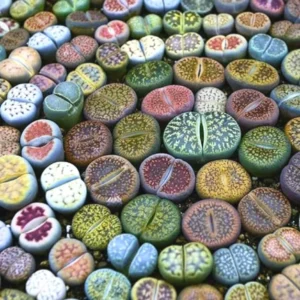
Sold 86 products
Original price was: $39.98.$19.99Current price is: $19.99.
Sold 87 products
Original price was: $25.56.$12.78Current price is: $12.78.
Sold 85 products
Original price was: $59.70.$29.85Current price is: $29.85.
Sold 64 products
Original price was: $355.96.$177.98Current price is: $177.98.
Sold 58 products
$44.00
Sold 93 products
Original price was: $45.98.$32.18Current price is: $32.18.
Sold 65 products
$85.78
Sold 94 products
$43.98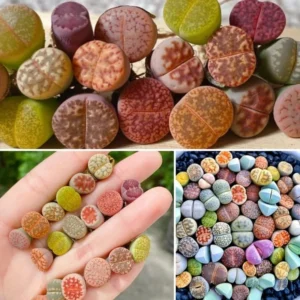
HousePlants
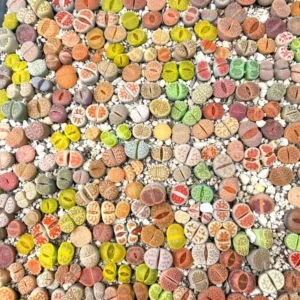
Lithops Live Plants Mix – 10 Large Colorful Living Stones Succulents for Indoor/Outdoor Growing
Sold 50 products
Original price was: $27.98.$13.99Current price is: $13.99.
Sold 100 products
$54.98
Sold 70 products
Original price was: $11.96.$5.98Current price is: $5.98.
Sold 75 products
Original price was: $77.06.$38.53Current price is: $38.53.
Sold 83 products
$87.98
Sold 82 products
Original price was: $73.90.$54.34Current price is: $54.34.
Sold 86 products
Original price was: $54.16.$32.50Current price is: $32.50.
Sold 55 products
$50.56


Reviews
There are no reviews yet.