
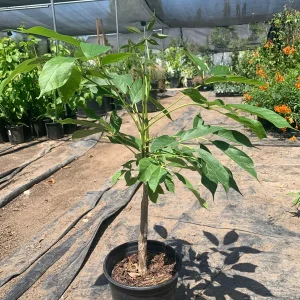
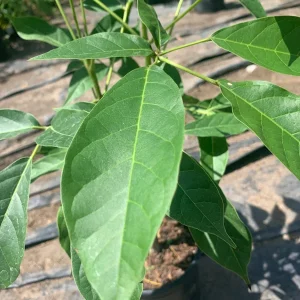
White Sapote Live Plant – 1-2 ft Tall Fruit Tree in 6 inch Pot
Original price was: $211.96.$105.98Current price is: $105.98.
Bring the taste of the tropics to your home with a white sapote live plant. This 1-2 ft tall fruit tree, shipped in a 6-inch pot, promises creamy, sweet fruit. Ideal for gardening enthusiasts seeking unique, delicious additions to their landscape.
-
USDA Hardiness Zone
USDA zones 9-11 -
Soil Type
Well-draining, slightly acidic to neutral loam -
Sunlight Exposure
Full sun -
Expected Planting Period
Spring to early summer

You can track your order HERE
Mar 02
Mar 07 - Mar 09
Mar 12 - Mar 16
Shipping and return policies: Our Alive & Thrive Guarantee covers issues with your plants within the first 30 days. Reach out to us. Our team will answer your questions and help you find the plants that are truly suitable for your environment, climate, and personal preferences.

Overview
Introduce an exotic flair to your garden with a white sapote live plant. Known botanically as Casimiroa edulis, this captivating fruit tree is celebrated for its delectable, custard-like fruit. Originating from Central America, the white sapote is gaining popularity among home gardeners in the US for its unique flavor profile, often described as a blend of pear, banana, and vanilla. This offering provides a well-established young plant, typically 1-2 feet tall and ready to thrive in your care. Cultivating your own white sapote allows you to enjoy fresh, organic fruit straight from your backyard, offering a delightful and rewarding gardening experience. The plant is shipped in a 6-inch pot, ensuring a healthy start for its journey to your home.
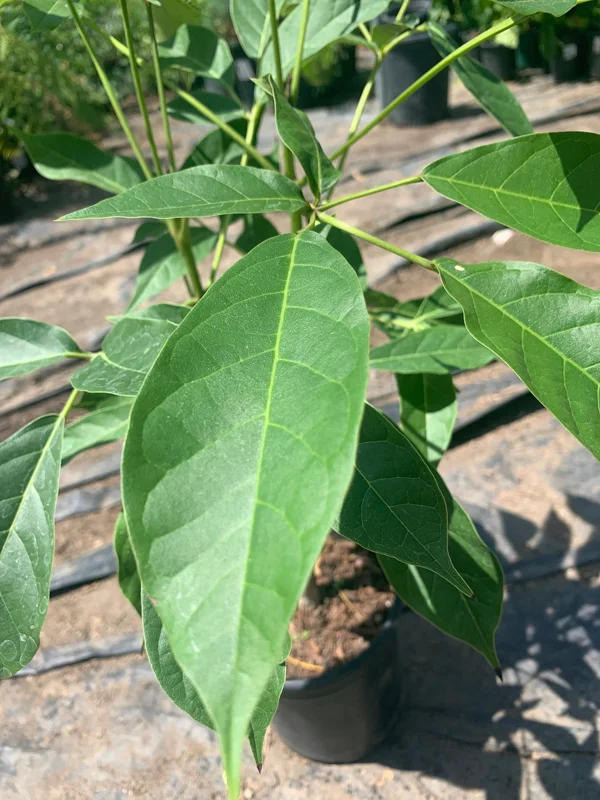
The white sapote live plant is a versatile addition to various garden settings, from suburban backyards to larger orchards. Its lush green foliage provides an attractive landscape element even before it begins fruiting. With proper care, this tree can grow into a productive specimen, providing an abundant harvest of its highly sought-after fruit. The ease of growing white sapote makes it an excellent choice for both experienced gardeners and those new to cultivating fruit trees, promising a rewarding harvest and a touch of the tropics.
Key Benefits
Adding a white sapote live plant to your garden offers numerous advantages, from its aesthetic appeal to the delicious, nutritious fruit it produces. This unique tree is a fantastic investment for any fruit enthusiast or gardener looking to diversify their edible landscape.
- Delicious, Unique Fruit: Enjoy the creamy, sweet fruits with a tropical flavor often compared to custard, banana, and pear. The fruit is excellent for fresh eating, desserts, and smoothies.
- Ornamental Value: Beyond its fruit, the white sapote tree offers attractive, evergreen foliage that provides year-round beauty and shade, enhancing any garden or landscape.
- Nutrient-Rich Harvest: White sapote fruits are not only tasty but also packed with essential vitamins and minerals, including Vitamin C and A, contributing to a healthy diet.
- Relatively Low Maintenance: Once established, the white sapote live plant is quite resilient and requires moderate care, making it suitable for gardeners of varying experience levels.
- Adaptable Growth: While preferring warmer climates, certain varieties of white sapote can tolerate mild frosts, expanding its potential growing regions beyond strictly tropical zones.
- Source of Fresh Produce: Cultivating your own white sapote ensures a supply of fresh, chemical-free fruit, allowing you to enjoy organic produce directly from your garden.
- Long-Lived and Productive: With proper care, a white sapote tree can be a long-term producer, offering abundant harvests for many years to come.
Plant Care & Growing Tips
Proper care is essential for a thriving white sapote live plant. These trees generally prefer warm, subtropical to tropical climates. They can tolerate a light frost but protection is recommended for young trees in colder temperatures. For optimal growth and fruit production, select a location that receives full sun, ideally 6-8 hours of direct sunlight per day. Good air circulation is also beneficial to prevent fungal issues.
When it comes to watering, consistent moisture is key, especially during flowering and fruiting periods. However, ensure the soil is well-draining to prevent root rot. Allow the top few inches of soil to dry out slightly between waterings. Fertilize your white sapote live plant with a balanced slow-release fertilizer designed for fruit trees, typically applied in spring and summer. Pruning should be done to maintain shape, encourage branching, and remove any dead or diseased wood. This also helps improve fruit accessibility and overall tree health. Understanding white sapote tree care is crucial for a bountiful harvest.
The ideal soil for growing white sapote is a well-draining, slightly acidic to neutral loam (pH 6.0-7.0) rich in organic matter. If your soil is heavy clay, amend it with compost and sand to improve drainage. For container-grown plants, use a high-quality potting mix that drains well. While generally robust, keep an eye out for common pests like aphids or scale insects, and treat them with organic insecticidal soap if necessary. With diligent care, your casimiroa edulis plant will flourish and provide you with delicious fruit for years to come.
Size & Details
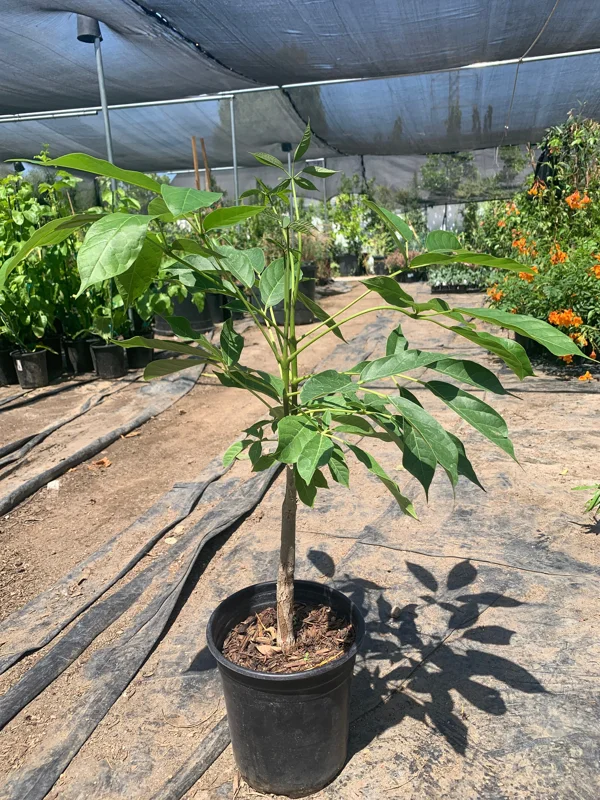
This offering is for one white sapote live plant, typically measuring 1 to 2 feet in height from the base of the pot to the top of the foliage. Each plant is carefully nurtured and shipped in a sturdy 6-inch nursery pot, providing a healthy root system and a strong foundation for future growth. The specific variety of white sapote can influence its mature size, but most cultivated trees can reach heights of 15-30 feet if left unpruned, though they can be kept smaller with regular pruning. The growth rate is moderate, allowing for noticeable development within a single growing season.
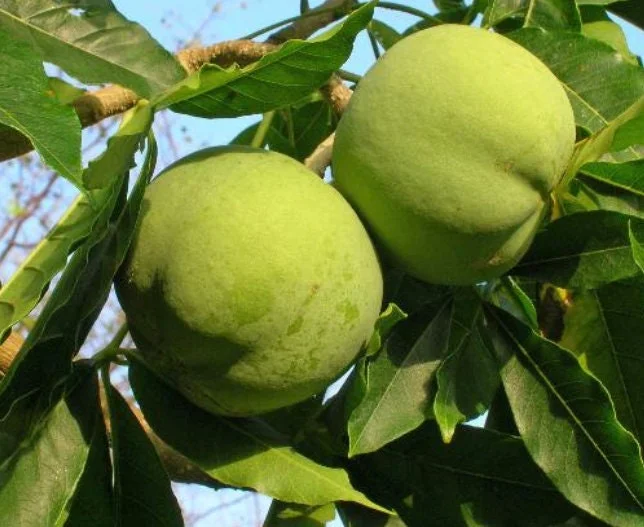
The plant is carefully packaged to ensure its safe arrival, ready for transplanting into a larger container or directly into your garden. Expect the first fruits to appear within 3-5 years under ideal growing conditions, although this can vary. The fruit itself is typically round to oval, 2-5 inches in diameter, with a thin, smooth skin and a creamy, yellow-white flesh. This white sapote fruit is a true delight.
Frequently Asked Questions
- Q: How big does this plant get? A: This white sapote live plant is currently 1-2 feet tall. Mature trees can reach 15-30 feet in height, but can be maintained at a smaller size with regular pruning to suit your garden space.
- Q: What size pot does it come in? A: The plant is shipped in a 6-inch nursery pot, providing a good head start for its root development. You can transplant it into a larger pot or directly into the ground upon arrival.
- Q: Is this an indoor or outdoor plant? A: White sapote trees are primarily outdoor plants best suited for subtropical and tropical climates. In regions with cold winters, they can be grown in large containers and brought indoors during colder months, though fruiting might be less prolific.
- Q: How much sunlight does it need? A: For optimal growth and fruit production, your white sapote live plant requires full sun exposure, meaning at least 6-8 hours of direct sunlight per day.
- Q: Is this plant easy to care for? A: Yes, once established, white sapote trees are relatively low-maintenance. They require consistent watering, well-draining soil, and occasional fertilization. Many gardeners find growing white sapote to be a rewarding experience.
- Q: What condition will it arrive in? A: We carefully package our plants to ensure they arrive healthy and ready to thrive. The plant will be securely shipped in its 6-inch pot with intact soil.
- Q: How long until it blooms? A: White sapote trees typically begin to flower and fruit within 3-5 years from planting, depending on growing conditions and care.
- Q: When is the best time to plant? A: The best time to plant a white sapote tree is in spring or early summer, after the last chance of frost, allowing it ample time to establish before cooler weather.
- Q: Will it survive winter in my zone? A: White sapote trees are best suited for USDA Zones 9-11. They can tolerate very light frost, but sustained freezing temperatures will damage or kill the plant. Protection is advised for young trees in cooler zones.
- Q: What’s the minimum temperature? A: While mature trees can withstand brief drops to around 28-30°F (-1 to -2°C), young casimiroa edulis plant specimens are more tender and should be protected if temperatures fall below 35°F (2°C).
Be the first to review “White Sapote Live Plant – 1-2 ft Tall Fruit Tree in 6 inch Pot”
People Also Viewed

Sold 85 products
Original price was: $39.98.$19.99Current price is: $19.99.
Sold 68 products
$43.98
Sold 67 products
Original price was: $49.98.$24.99Current price is: $24.99.
Sold 61 products
From $61.58
Sold 61 products
Original price was: $66.00.$52.80Current price is: $52.80.
Sold 98 products
Original price was: $69.08.$34.54Current price is: $34.54.
Sold 94 products
From $43.98
Sold 77 products
Original price was: $57.98.$28.99Current price is: $28.99.
Sold 94 products
Original price was: $400.00.$200.00Current price is: $200.00.
Sold 94 products
Original price was: $90.00.$72.00Current price is: $72.00.
Sold 54 products
Original price was: $90.00.$72.00Current price is: $72.00.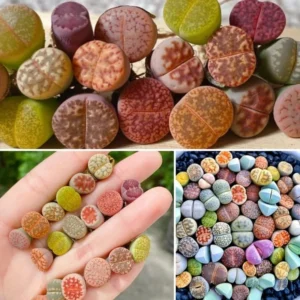
HousePlants
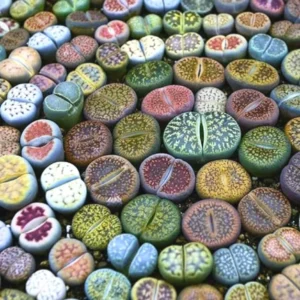
Lithops Live Plants Mix – 10 Large Colorful Living Stones Succulents for Indoor/Outdoor Growing
Sold 57 products
Original price was: $27.98.$13.99Current price is: $13.99.
Sold 99 products
$87.98
Sold 77 products
Original price was: $23.96.$11.98Current price is: $11.98.
HousePlants
Purple Nepenthes Pitcher Plant Live – Exotic Tropical Houseplant for Indoor/Outdoor Décor
Sold 52 products
$65.98
Sold 72 products
Original price was: $49.99.$29.99Current price is: $29.99.
Sold 55 products
From $20.98
Sold 81 products
Original price was: $273.60.$136.80Current price is: $136.80.



Reviews
There are no reviews yet.