
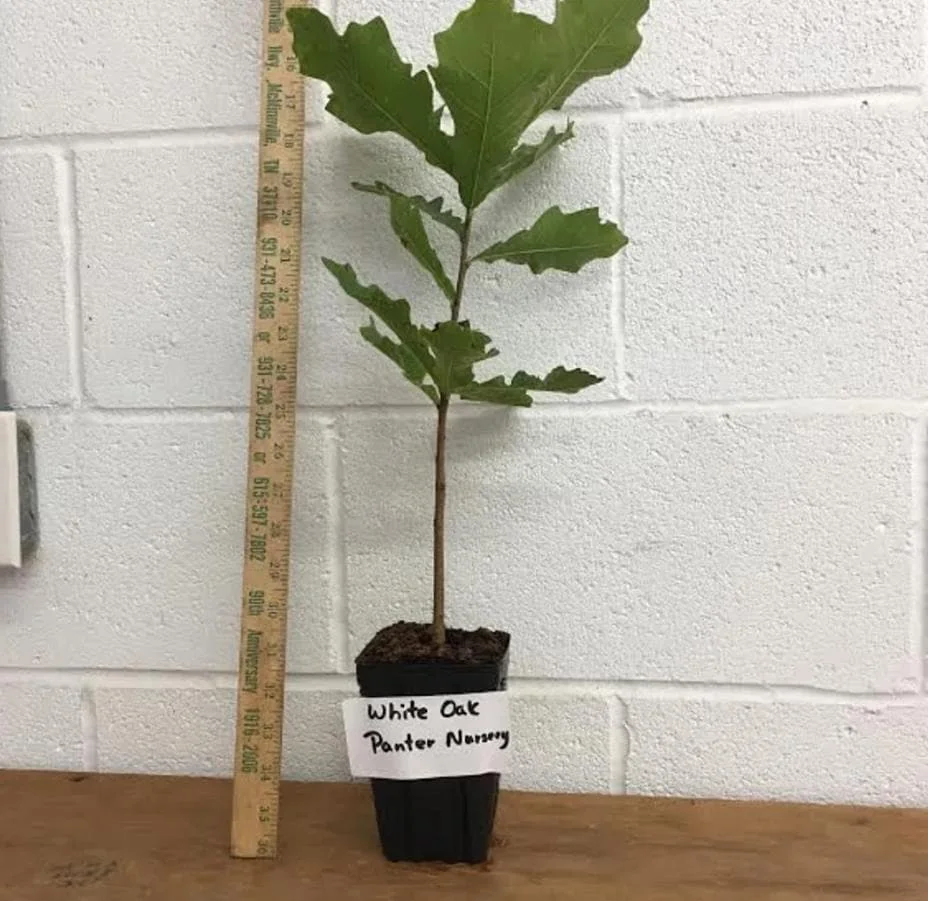
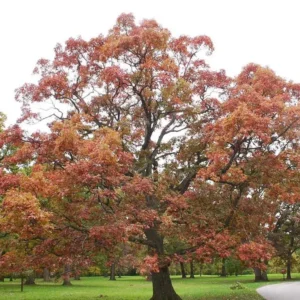
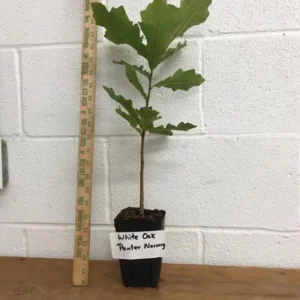
White Oak Live Tree – 12-18″ Tall Quercus Alba Deciduous Shade Tree in 4″ Pot
Original price was: $34.10.$11.64Current price is: $11.64.
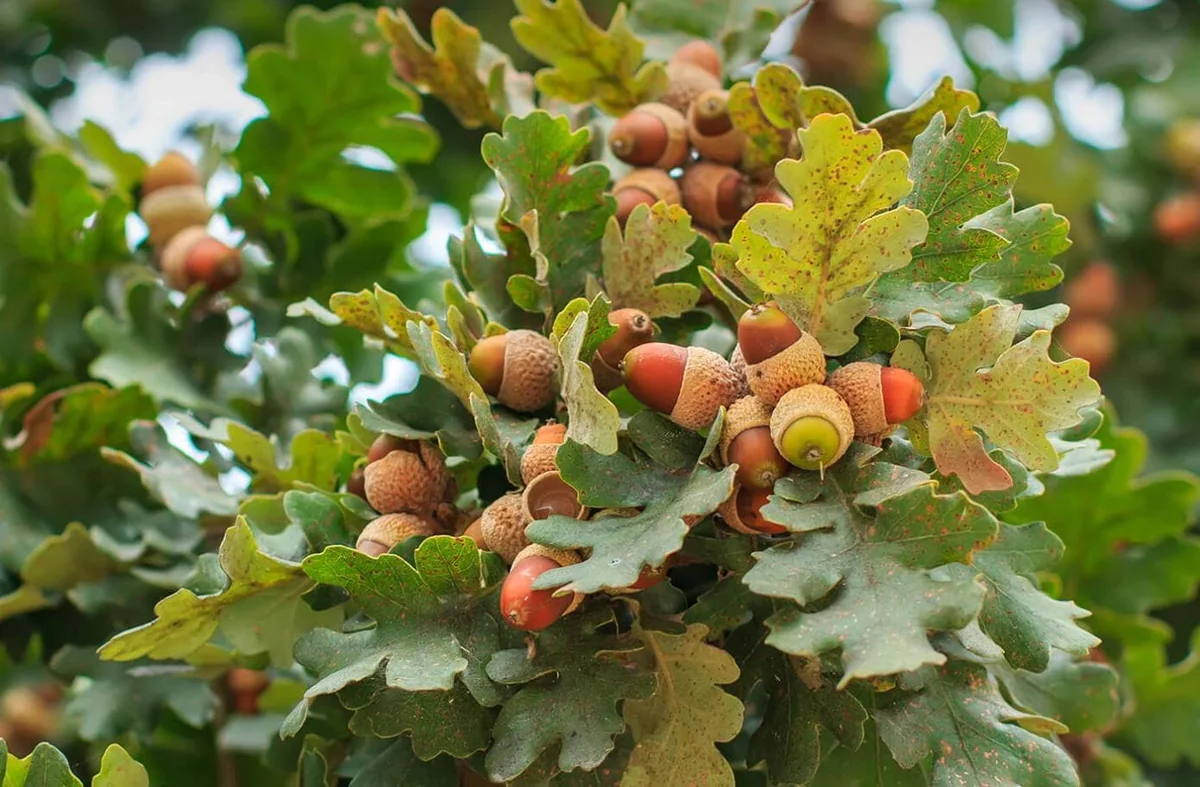
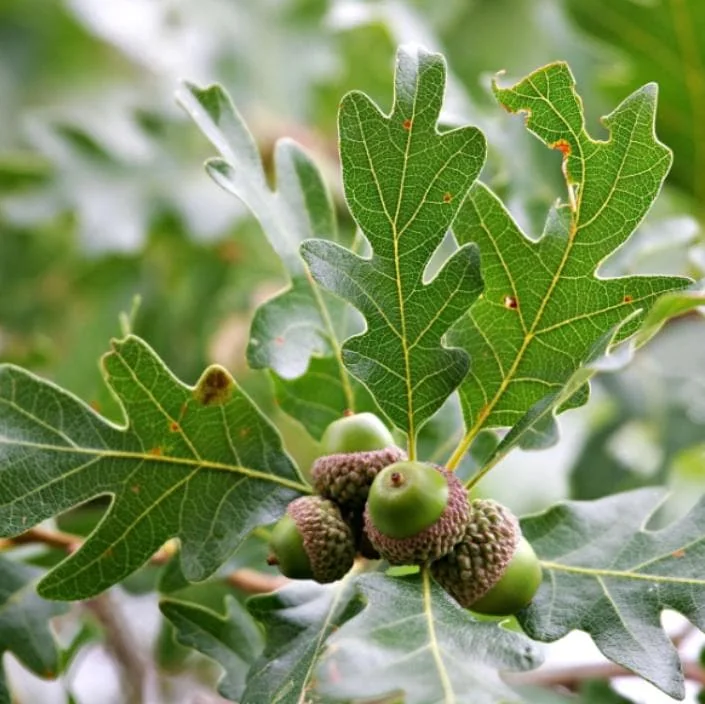
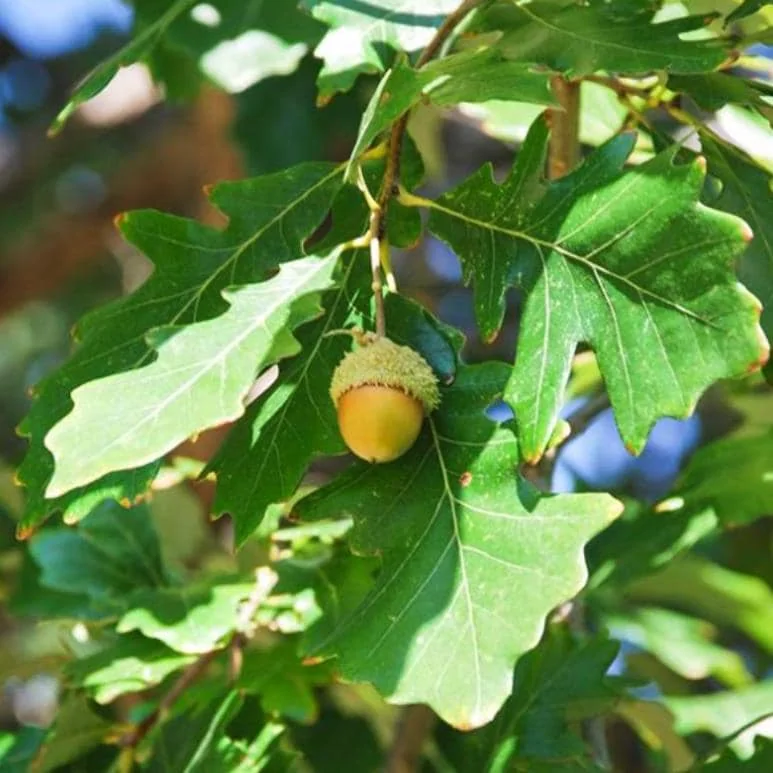
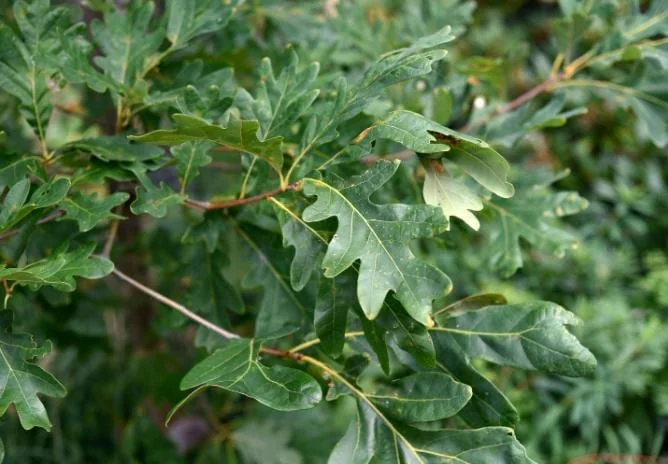
Cultivate a magnificent white oak live tree (Quercus alba) for your landscape. This 12-18″ tall deciduous tree, supplied in a 4″ pot, is perfect for creating dense shade and supporting wildlife. A long-lived species, it’s ideal for native restoration and adding significant value to your garden.
-
USDA Hardiness Zone
3–9 -
Soil Type
Deep, moist, well-drained acidic to neutral soils; tolerates clay -
Sunlight Exposure
Full sun (at least 6 hours daily) -
Expected Planting Period
Early spring or fall when dormant

You can track your order HERE
Feb 27
Mar 04 - Mar 06
Mar 09 - Mar 13
Shipping and return policies: Our Alive & Thrive Guarantee covers issues with your plants within the first 30 days. Reach out to us. Our team will answer your questions and help you find the plants that are truly suitable for your environment, climate, and personal preferences.

Overview
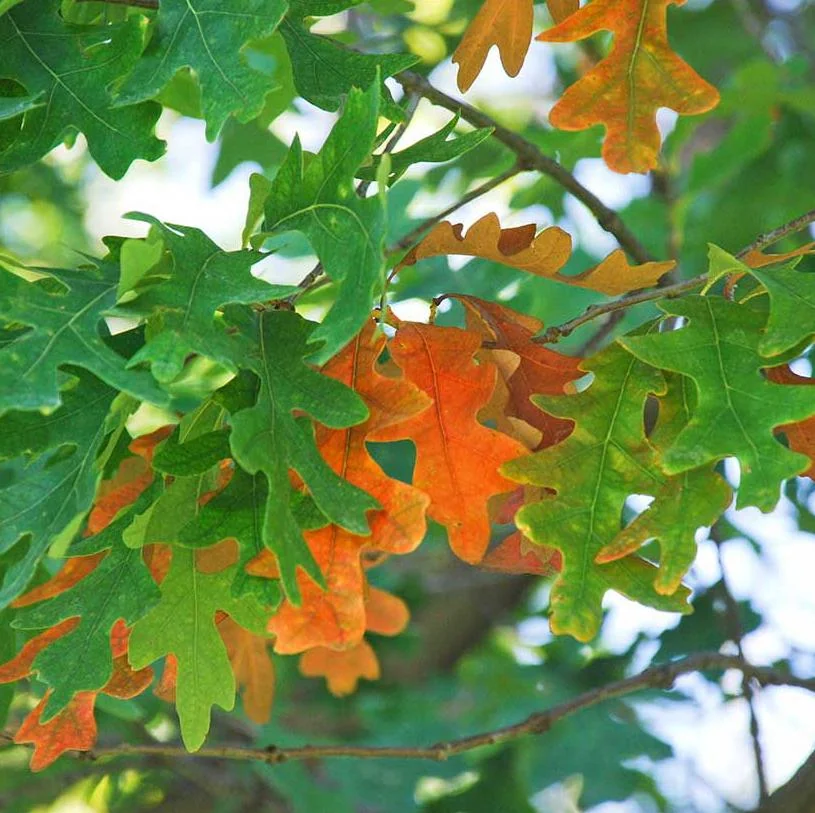
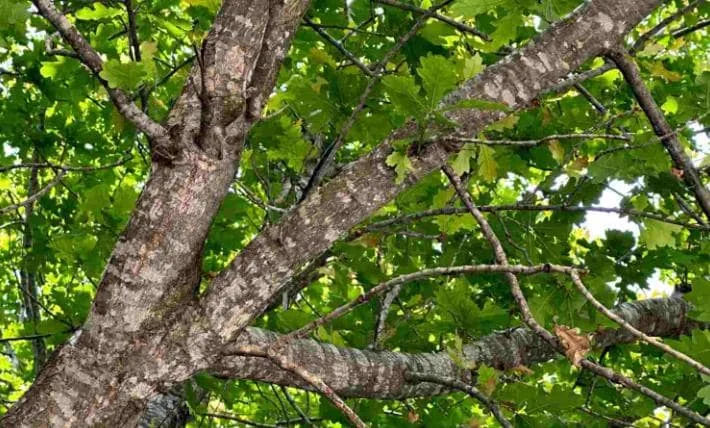
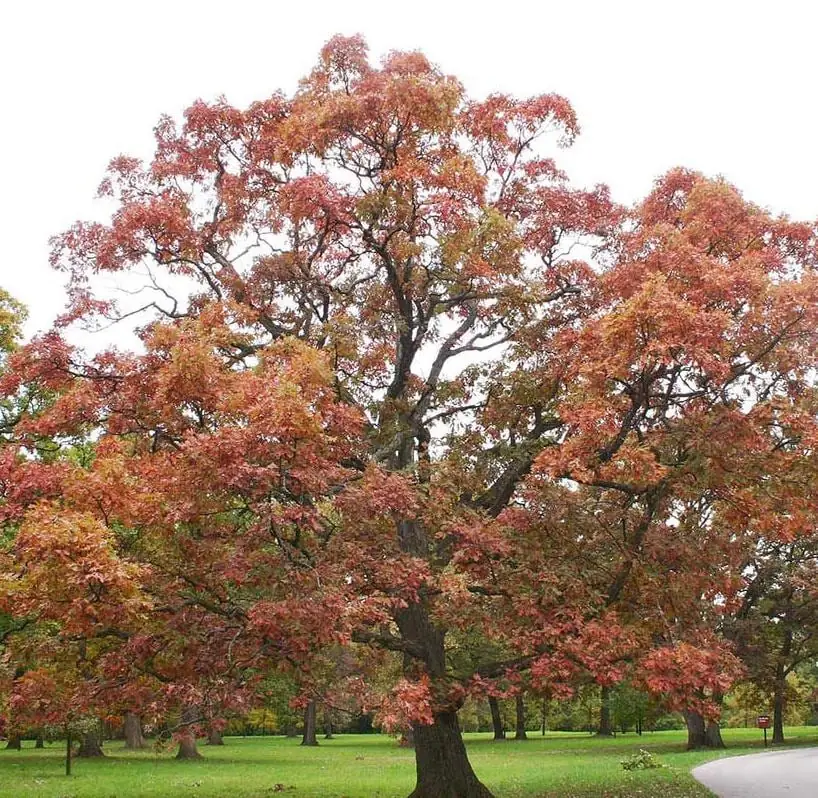
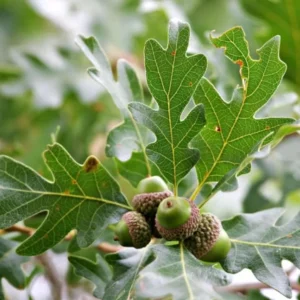
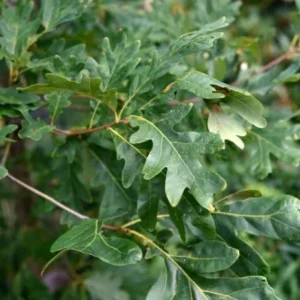
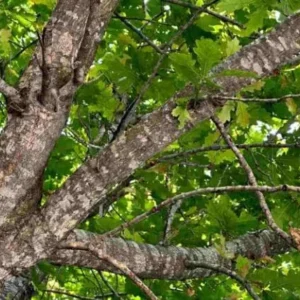
Introduce a piece of natural grandeur to your property with this white oak live tree. Known scientifically as Quercus alba, the White Oak is a truly majestic deciduous tree, celebrated for its robust wood, striking lobed leaves, and profound ecological value. While a slow-growing species, its longevity is remarkable, often thriving for centuries and reaching impressive heights of over 100 feet. This particular specimen is a young tree, approximately 12-18 inches tall and supplied in a 4-inch pot, making it an excellent starting point for establishing a long-term landscape feature or contributing to native restoration projects. The quercus alba tree is a symbol of strength and endurance, providing significant shade and habitat as it matures.
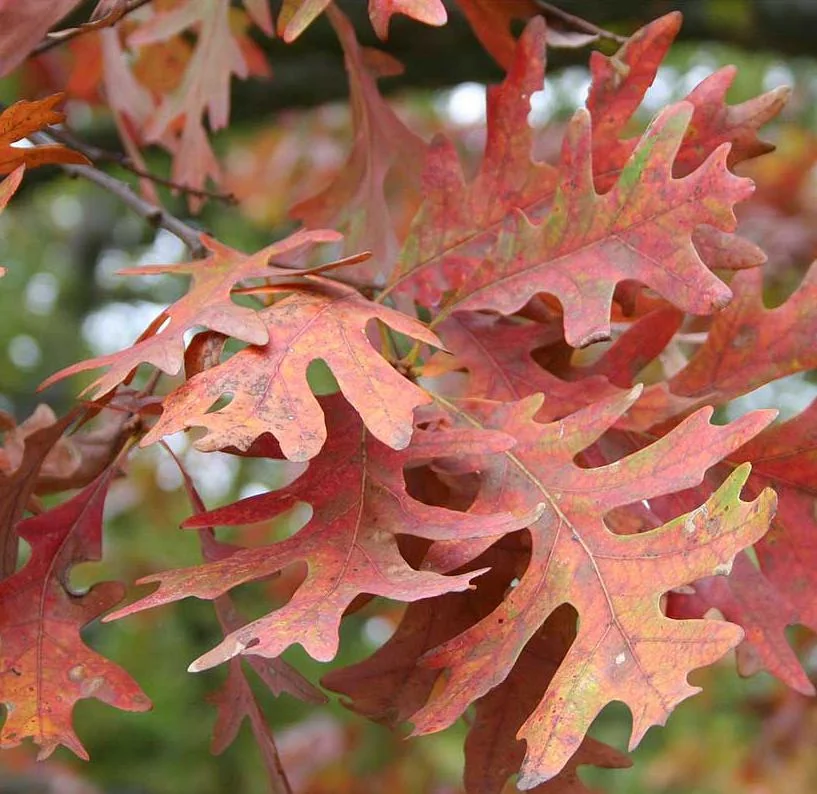
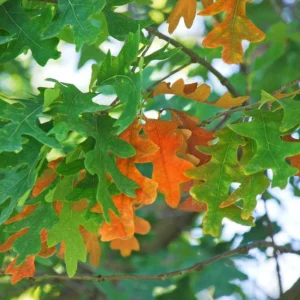
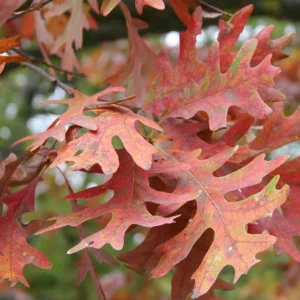
Originating from Eastern and Central North America, the white oak live tree is perfectly adapted to temperate climates, making it a resilient and rewarding addition to gardens within USDA zones 3–9. Its attractive foliage turns a rich brown in autumn, often persisting on the tree through winter, adding seasonal interest. Beyond its aesthetic appeal, this tree plays a crucial role in local ecosystems, offering food and shelter to various wildlife, including squirrels, deer, and numerous bird species, truly making it a valuable asset for any gardener looking to enhance biodiversity.
Key Benefits
Planting a white oak live tree offers a multitude of advantages for your landscape and local environment. Its enduring presence and ecological contributions make it a standout choice for various applications:
- Exceptional Shade Provider: As it matures, the White Oak develops a broad, dense canopy, providing excellent shade that can significantly cool your home and outdoor living spaces during hot summer months. This makes it an ideal shade tree for garden and lawn areas, creating comfortable retreats.
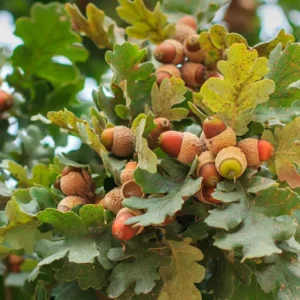
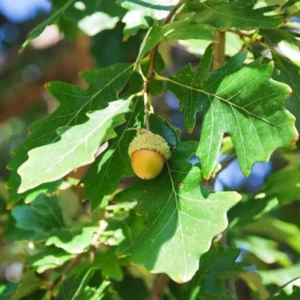
- Wildlife Habitat & Food Source: This native oak is a cornerstone species, offering critical food (acorns) and shelter for a wide array of wildlife, including birds, squirrels, and deer, contributing significantly to local biodiversity.
- Long-Lived Investment: White Oaks are renowned for their incredible longevity, often living for several centuries. Planting one is an investment that will benefit generations to come, becoming a living legacy.
- Strong & Resilient Timber: The wood of the Quercus alba is highly prized for its strength and durability, historically used for furniture, flooring, and barrels. While a long-term benefit, it speaks to the inherent robustness of the tree.
- Native Restoration & Landscape Specimen: Being native to North America, the quercus alba tree is perfect for native plant landscaping and ecological restoration projects, helping to re-establish natural habitats. It also serves as a magnificent ornamental specimen due to its stately form and attractive foliage.
- Adaptable to Various Soils: While preferring deep, moist, well-drained acidic to neutral soils, the White Oak shows good tolerance for a range of soil types, including clay, making it versatile for many garden settings.
- Low Maintenance Once Established: After its initial establishment period, the long-lived deciduous tree is remarkably drought-tolerant and requires minimal care, making it a sustainable choice for busy gardeners.
Plant Care & Growing Tips
Caring for your young white oak live tree is crucial for its successful establishment and long-term health. White Oaks thrive in temperate climates and are hardy in USDA zones 3–9. For optimal growth, they require full sun exposure, meaning at least 6 hours of direct sunlight daily. Choose a planting site that receives ample sunlight and allows for future growth, as mature trees need significant space for their wide canopy, ideally 20–30 feet between trees.
Soil conditions are important for the quercus alba tree. It prefers deep, moist, well-drained soils that are acidic to neutral. While it can tolerate a range of soil types, including clay, ensuring good drainage is key to prevent root rot. When planting, amend the soil with organic matter to improve structure and fertility. Watering is critical during the first 2–3 years after planting. Water regularly and deeply to encourage a strong root system. Once established, this long-lived deciduous tree becomes quite drought-tolerant. Fertilization is generally not required for established trees in good soil, but young trees may benefit from a balanced, slow-release fertilizer in early spring. Monitor for common pests and diseases, though White Oaks are generally robust. Pruning should be done in late winter or early spring to remove dead or diseased branches and to shape the tree, ensuring a strong central leader.
Size & Details
This offering is for a young white oak live tree, presented as a healthy specimen approximately 12-18 inches tall. It is carefully grown and shipped in a 4-inch nursery pot, ensuring its root system is intact and ready for transplanting. White Oaks are known for their slow to moderate growth rate, but they are exceptionally long-lived, often reaching towering heights of 80-100 feet or more and spreading 50-80 feet wide at maturity. The tree will arrive as a potted plant, ready for immediate planting. While it will take many years to reach its full majestic size, the initial growth will establish its root system, preparing it to become a prominent and valuable feature in your landscape. This shade tree for garden spaces will gradually fill out, providing increasingly dense canopy coverage over decades.
Frequently Asked Questions
- Q: How big will my White Oak live tree get? A: A white oak live tree is a long-lived deciduous tree that can eventually reach impressive heights of 80-100 feet or more with a spread of 50-80 feet, making it an excellent shade tree for garden landscapes.
- Q: What size pot does the Quercus alba tree come in? A: This particular quercus alba tree is supplied in a 4-inch nursery pot, and is approximately 12-18 inches tall, ready for planting in your garden.
- Q: Is this an indoor or outdoor plant? A: The White Oak is an outdoor tree, best suited for planting directly in the ground where it has ample space to grow and mature. It is not suitable for long-term indoor cultivation.
- Q: How much sunlight does a white oak live tree need? A: For optimal growth, a white oak live tree requires full sun exposure, which means at least 6 hours of direct sunlight daily.
- Q: Is this tree easy to care for? A: While young White Oaks require regular watering during their first few years, they are relatively low-maintenance and drought-tolerant once established, making them a good choice for those seeking a long-lived deciduous tree.
- Q: When is the best time to plant a White Oak? A: The best time to plant a White Oak is in early spring or fall when the tree is dormant, allowing it to establish its roots before extreme temperatures.
- Q: What USDA zones is this White Oak hardy in? A: This quercus alba tree is hardy in USDA zones 3–9, making it suitable for a wide range of temperate climates across the United States.
- Q: What kind of soil does a White Oak prefer? A: White Oaks prefer deep, moist, well-drained acidic to neutral soils but can tolerate a range of soil types, including clay, as long as drainage is adequate.
Be the first to review “White Oak Live Tree – 12-18″ Tall Quercus Alba Deciduous Shade Tree in 4″ Pot”
People Also Viewed
Sold 57 products
Original price was: $150.00.$112.50Current price is: $112.50.
Sold 66 products
From $60.00
Sold 62 products
Original price was: $120.00.$60.00Current price is: $60.00.
Sold 56 products
Original price was: $200.00.$100.00Current price is: $100.00.
Sold 57 products
Original price was: $15.98.$12.78Current price is: $12.78.
Sold 97 products
Original price was: $54.36.$27.18Current price is: $27.18.
Sold 72 products
Original price was: $54.36.$27.18Current price is: $27.18.
Sold 59 products
$35.18
Sold 92 products
Original price was: $39.99.$20.99Current price is: $20.99.

Sold 92 products
Original price was: $51.96.$25.98Current price is: $25.98.
Sold 50 products
Original price was: $39.99.$24.99Current price is: $24.99.
Sold 73 products
Original price was: $54.36.$27.18Current price is: $27.18.
Sold 73 products
Original price was: $192.00.$96.00Current price is: $96.00.
Sold 92 products
Original price was: $190.00.$142.50Current price is: $142.50.
Sold 52 products
From $43.98
Sold 93 products
Original price was: $59.70.$29.85Current price is: $29.85.
Sold 54 products
From $50.00
Sold 53 products
$329.98


Reviews
There are no reviews yet.