
White Oak Live Tree – 12-18″ Tall Quercus alba – 4″ Pot – Outdoor Shade Tree
Original price was: $47.10.$16.84Current price is: $16.84.
Bring timeless beauty to your landscape with a white oak live tree (Quercus alba). This majestic deciduous tree, 12-18″ tall in a 4″ pot, offers exceptional shade, strong wood, and supports wildlife, making it ideal for native restoration projects and large gardens.
-
USDA Hardiness Zone
USDA zones 3–9 -
Soil Type
Deep, moist, well-drained acidic to neutral soils; tolerates clay -
Sunlight Exposure
Full sun (at least 6 hours of direct sunlight daily) -
Expected Planting Period
Early spring or fall

You can track your order HERE
Feb 27
Mar 04 - Mar 06
Mar 09 - Mar 13
Shipping and return policies: Our Alive & Thrive Guarantee covers issues with your plants within the first 30 days. Reach out to us. Our team will answer your questions and help you find the plants that are truly suitable for your environment, climate, and personal preferences.

Overview
Introduce a piece of natural grandeur to your property with this magnificent white oak live tree. Known scientifically as Quercus alba, the white oak tree is a quintessential American species, revered for its robust nature and impressive stature. This particular specimen is offered as a healthy 12-18 inch tall live tree, carefully grown in a 4-inch pot, ready for planting. The White Oak is a slow-growing yet incredibly long-lived deciduous tree, capable of reaching over 100 feet in height and living for several centuries, becoming a cherished part of your landscape for generations. Its distinctive lobed leaves turn an attractive reddish-brown in autumn, and its strong, durable wood has been valued for centuries. Perfect for creating a lasting legacy, this Quercus alba tree is an excellent choice for those seeking a majestic shade tree with significant ecological benefits.
The white oak live tree is a symbol of strength and endurance, making it a powerful addition to any large garden, park, or naturalized area. It’s a key component of many forest ecosystems, providing crucial habitat and food for a wide array of wildlife, from squirrels and deer to numerous bird species. Planting a white oak tree is an investment not only in your property’s aesthetic appeal but also in the local environment, contributing to biodiversity and a healthier ecosystem. Its adaptability to various soil types and hardiness across a broad range of climates further solidifies its status as a top choice for discerning gardeners and conservationists alike.
Key Benefits
The white oak live tree offers a multitude of benefits, enhancing both the beauty and ecological value of your outdoor space. Its stately presence and resilience make it a superior choice for long-term landscape planning.
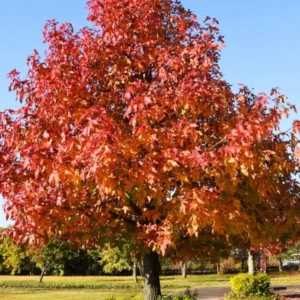
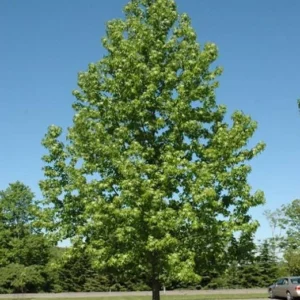
- Majestic Shade Tree: Once mature, the white oak live tree develops a broad, dense canopy, providing excellent shade that can significantly cool your home and outdoor areas during hot summer months. Its impressive size creates a focal point in any large landscape.
- Exceptional Longevity: A true legacy tree, Quercus alba tree can live for hundreds of years, making it a lasting investment for future generations. Its slow growth contributes to its incredible strength and resilience.
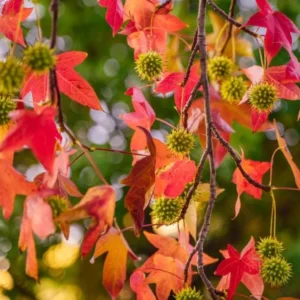
- Wildlife Habitat and Food Source: This tree is a vital component of local ecosystems, offering shelter and acorns, a primary food source for deer, squirrels, turkeys, and numerous other wildlife species. It supports biodiversity in your garden.
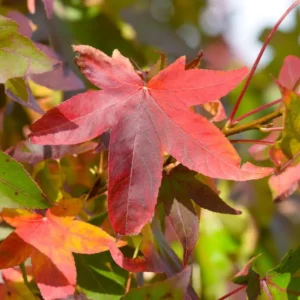
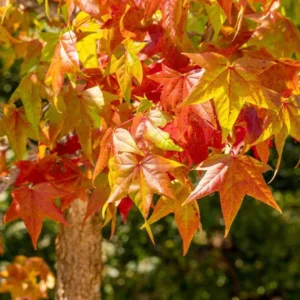
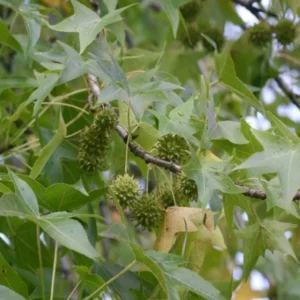
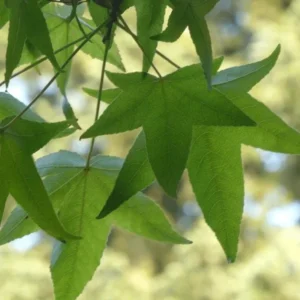
- Attractive Foliage: The deeply lobed leaves of the white oak tree provide rich green color throughout the spring and summer, transitioning to beautiful reddish-brown hues in the fall, adding seasonal interest to your landscape.
- Strong and Durable Wood: Renowned for its strong, rot-resistant wood, the White Oak has historical significance in timber production, making it a valuable addition for those interested in long-term natural resource management.
- Native Restoration: As a species native to Eastern and Central North America, planting a white oak live tree helps support native ecosystems and can be a cornerstone of any native restoration project, enhancing local ecological balance.
- Drought Tolerance: Once established, the mature white oak is remarkably drought-tolerant, requiring less supplemental watering and making it a sustainable choice for many regions.
Plant Care & Growing Tips
Caring for your white oak live tree is a rewarding experience that ensures its healthy development into a majestic specimen. While it is a robust tree, proper initial care is crucial for its establishment. This deciduous shade tree thrives in specific conditions that mimic its natural habitat. For optimal growth, ensure it receives full sun, meaning at least 6 hours of direct sunlight daily. Adequate sunlight is essential for strong growth and good acorn production. The White Oak is hardy in USDA zones 3–9, making it suitable for a wide range of temperate climates across the United States. Its ability to withstand cold winters and warm summers contributes to its widespread appeal.
Soil conditions are also vital for the Quercus alba tree. It prefers deep, moist, well-drained acidic to neutral soils but is quite tolerant, adapting well to a range of soil types, including clay. Good drainage is key to prevent root rot. When planting, choose a location where the tree will have ample space to grow, as mature trees can develop a wide canopy; allow at least 20–30 feet between trees if planting multiples. The best time for planting is in early spring or fall when the tree is dormant, allowing it to establish its root system before extreme temperatures. Watering is critical during the first 2–3 years after planting. Water regularly and deeply to encourage strong root development. Once the mature white oak is established, it becomes quite drought-tolerant, requiring less frequent watering. Fertilization is generally not required for established trees in healthy soil, but a balanced slow-release fertilizer can be applied in spring for young trees if soil nutrients are lacking. Minimal pruning is needed, primarily to remove dead or diseased branches or to shape the tree for structural integrity.
Size & Details
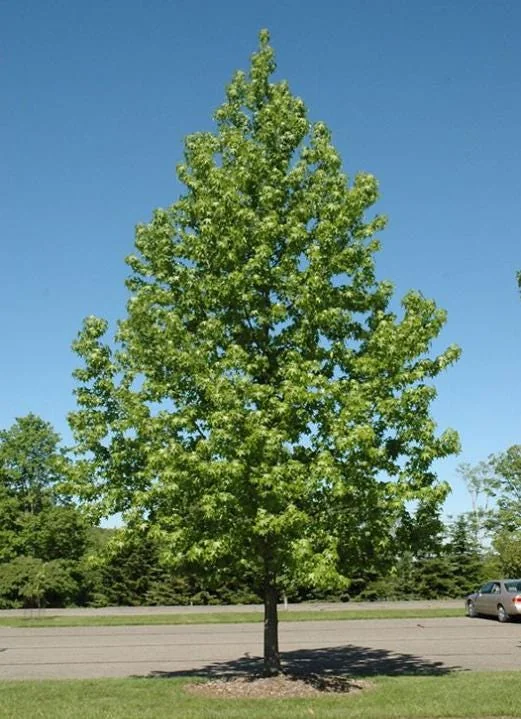
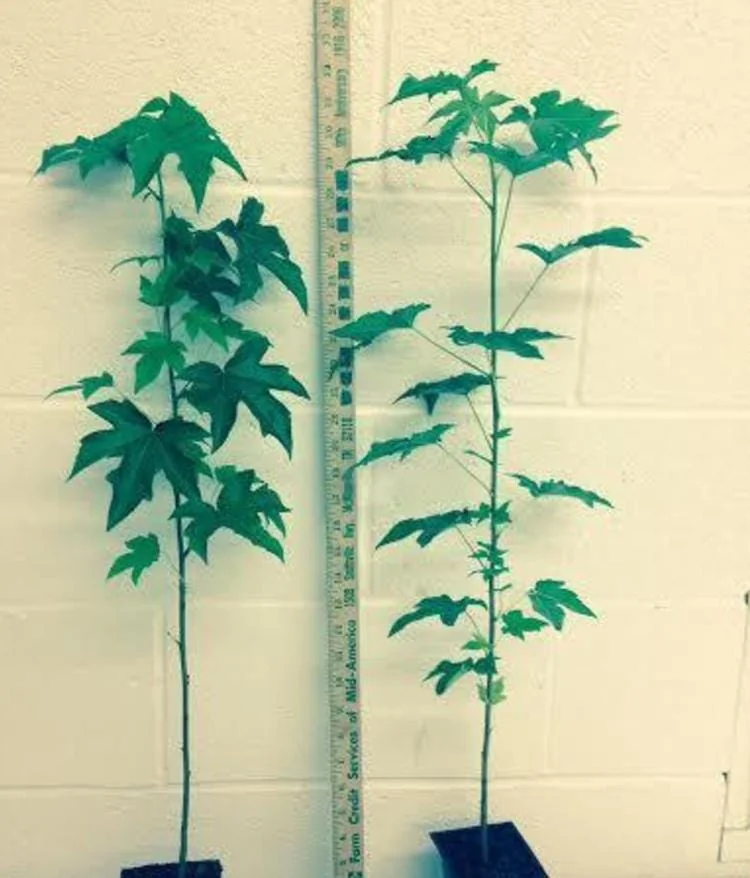
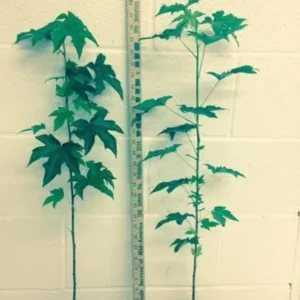
This offering is for a single white oak live tree, measuring approximately 12-18 inches tall from the base of the pot to the tip of the highest branch. The tree is delivered in a 4-inch nursery pot, providing a healthy root system ready for transplanting. While young, this deciduous shade tree is a seedling or young sapling, representing the beginning of its long life cycle. White oak trees are known for their slow to moderate growth rate, typically adding 12-24 inches in height per year under ideal conditions. This allows for the development of dense, strong wood. When mature, a Quercus alba tree can reach heights of 60-100 feet with a spread of 50-80 feet, providing substantial shade and a commanding presence in the landscape. It is best to plant this tree where its future size can be accommodated without interfering with structures or power lines. The tree will ship in its nursery pot with soil, ensuring minimal shock during transit.
Frequently Asked Questions
- Q: How big does this White Oak live tree get? A: This particular white oak live tree is 12-18 inches tall in a 4-inch pot. When mature, a Quercus alba tree can reach impressive heights of 60-100 feet with a spread of 50-80 feet, becoming a truly majestic specimen.
- Q: Is this an indoor or outdoor plant? A: The white oak live tree is an outdoor plant. It is a large deciduous shade tree that requires ample space and direct sunlight to thrive in a landscape setting.
- Q: How much sunlight does the White Oak need? A: For optimal growth, a white oak tree needs full sun exposure, which means at least 6 hours of direct sunlight daily. This ensures strong development and overall health for this deciduous shade tree.
- Q: Is this tree easy to care for? A: Once established, the white oak live tree is relatively low-maintenance and drought-tolerant. However, it requires diligent watering during its first 2-3 years after planting to ensure a strong root system.
- Q: What condition will the tree arrive in? A: Your white oak live tree will arrive as a healthy sapling, carefully packaged in its 4-inch nursery pot with soil, ready for planting to minimize transplant shock.
- Q: When is the best time to plant a White Oak? A: The best time to plant your Quercus alba tree is in early spring or fall when the tree is dormant. This allows the roots to establish before the stress of summer heat or deep winter cold.
- Q: Will this White Oak survive winter in my zone? A: The white oak live tree is hardy in USDA zones 3–9. If you are within these zones, your tree should successfully survive winter once established.
- Q: What type of soil does a White Oak prefer? A: This deciduous shade tree prefers deep, moist, well-drained acidic to neutral soils. However, it is quite adaptable and can tolerate a range of soil types, including clay, as long as drainage is adequate.
- Q: How long until this White Oak provides significant shade? A: As a slow-growing species, it will take several years for your young white oak live tree to develop a significant canopy for shade. Patience is key, as it grows into a magnificent, long-lived shade provider.
- Q: Is the White Oak a good tree for attracting wildlife? A: Yes, the white oak tree is excellent for attracting wildlife! Its acorns are a crucial food source for deer, squirrels, and many bird species, making it a valuable addition to any wildlife habitat.
Be the first to review “White Oak Live Tree – 12-18″ Tall Quercus alba – 4″ Pot – Outdoor Shade Tree”
People Also Viewed
Sold 90 products
Original price was: $59.98.$41.98Current price is: $41.98.
Shrubs
American Elderberry Live Plant – Sambucus canadensis – Bareroot – 12-18 inches – USDA Zones 3-9
Sold 57 products
Original price was: $99.80.$49.90Current price is: $49.90.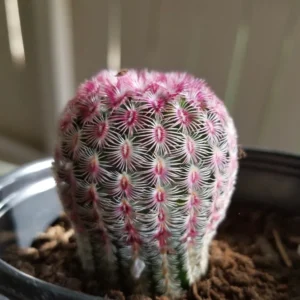
Succulents
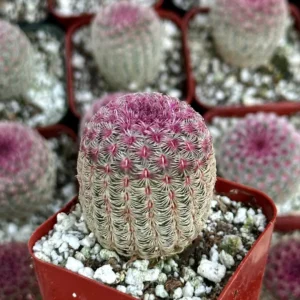
Arizona Rainbow Cactus Live Plant – Echinocereus Rigidissimus – Colorful Pink Cactus in 2-6 inch pot
Sold 68 products
From $22.38
Sold 92 products
Original price was: $39.96.$19.98Current price is: $19.98.
Sold 59 products
Original price was: $79.98.$39.99Current price is: $39.99.
Sold 98 products
Original price was: $147.16.$73.58Current price is: $73.58.
Sold 94 products
Original price was: $45.98.$32.18Current price is: $32.18.
Sold 56 products
Original price was: $85.98.$42.99Current price is: $42.99.
Sold 77 products
Original price was: $175.96.$87.98Current price is: $87.98.

Sold 84 products
Original price was: $15.96.$7.98Current price is: $7.98.
Sold 80 products
Original price was: $62.76.$31.38Current price is: $31.38.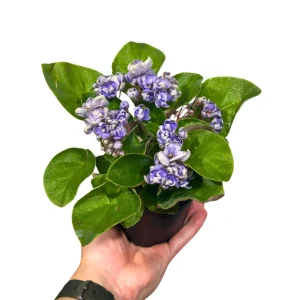
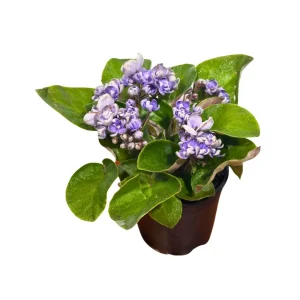
HousePlants
African Violet Live Plant – Light Purple – Blooming Indoor Flowering Plant in 4 Inch Pot
Sold 58 products
Original price was: $103.92.$51.96Current price is: $51.96.
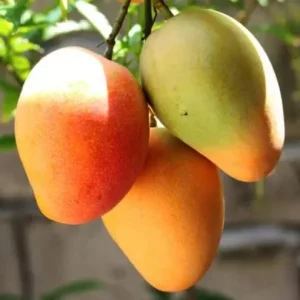
Sold 82 products
Original price was: $320.00.$160.00Current price is: $160.00.
Sold 99 products
Original price was: $39.99.$27.99Current price is: $27.99.
Sold 80 products
Original price was: $56.00.$44.80Current price is: $44.80.
Sold 70 products
Original price was: $59.98.$47.98Current price is: $47.98.
Sold 100 products
Original price was: $512.00.$256.00Current price is: $256.00.
Sold 92 products
Original price was: $90.00.$72.00Current price is: $72.00.


Reviews
There are no reviews yet.