
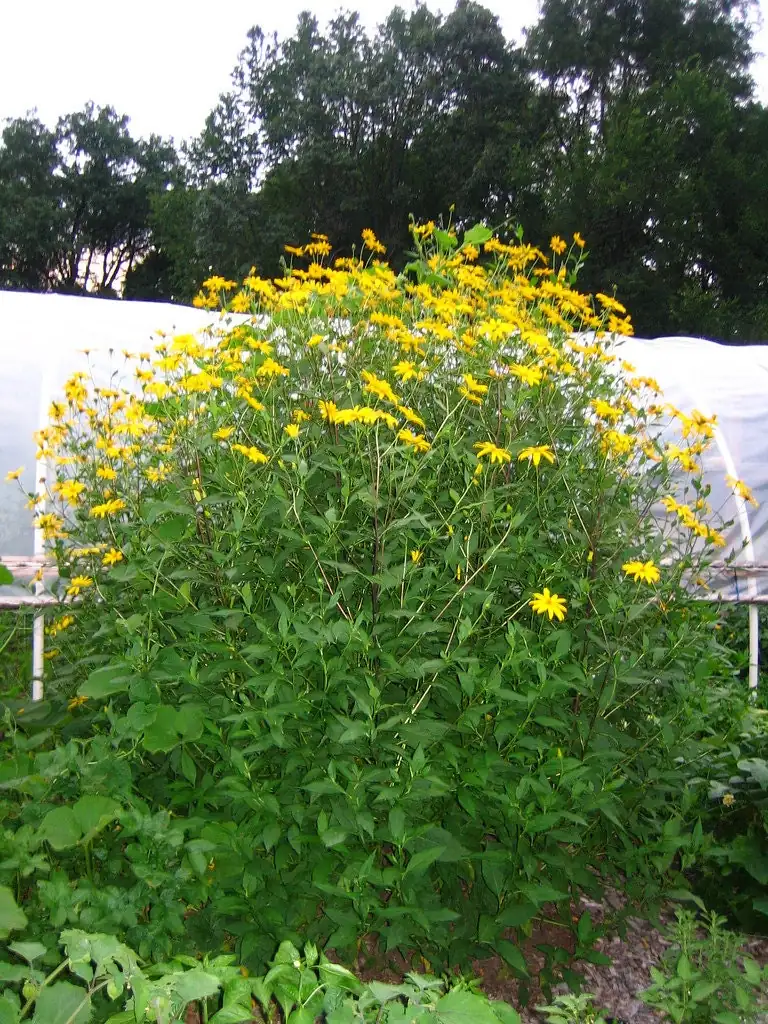
White Fuseau Sunchoke Tubers – Jerusalem Artichoke for Planting or Eating – By the Pound
Original price was: $87.96.$43.98Current price is: $43.98.
Cultivate delicious White Fuseau Sunchoke tubers in your garden. These Jerusalem Artichoke for planting or eating are known for their smooth skin, sweet flavor, and high productivity. Perfect for permaculture, they offer beautiful yellow flowers and a bountiful harvest.
-
USDA Hardiness Zone
USDA zones 3-9 -
Soil Type
Well-draining soil, adaptable to various types -
Sunlight Exposure
Full sun -
Expected Planting Period
Early spring or late fall

You can track your order HERE
Mar 12
Mar 17 - Mar 19
Mar 22 - Mar 26
Shipping and return policies: Our Alive & Thrive Guarantee covers issues with your plants within the first 30 days. Reach out to us. Our team will answer your questions and help you find the plants that are truly suitable for your environment, climate, and personal preferences.

Overview
Introduce a highly productive and flavorful addition to your garden with White Fuseau Sunchoke tubers. Also known as Jerusalem Artichoke or Sunroot (Helianthus tuberosus), these unique vegetables are cherished for their versatility and ease of growth. Our white fuseau sunchoke tubers are offered by the pound, providing ample supply for both planting and culinary adventures. This particular variety, ‘White Fuseau’, stands out due to its exceptionally smooth skin, lack of side nodules, and a delightful sweet flavor that makes it a favorite among gardeners and chefs alike. Whether you’re looking to expand your permaculture garden or simply enjoy fresh, homegrown produce, these tubers are an excellent choice.
The Jerusalem Artichoke for planting is a robust, spreading perennial that belongs to the sunflower family. Beyond its edible tubers, it produces beautiful yellow daisy-like flowers in late summer, adding ornamental value to your landscape. These tubers are not only a delicious and healthy food source but also a fantastic companion plant, known for its ability to produce hundreds of pounds of tubers in a single season. Experience the joy of growing your own ‘White Fuseau’ sunchokes, a variety celebrated for its clean, easy-to-prepare nature and superior taste.
Key Benefits
Growing White Fuseau Sunchoke tubers offers a multitude of advantages for both the home gardener and the adventurous cook. Their robust nature and bountiful yields make them a rewarding crop to cultivate.
- High Productivity: These white fuseau sunchoke tubers are known for their vigorous growth, producing a significant harvest from a relatively small area. Gardeners can expect abundant yields, providing plenty for both eating and future planting.
- Exceptional Flavor & Texture: ‘White Fuseau’ is highly prized for its smooth, sweet flavor and firm texture, making it one of the best-tasting sunchoke varieties available. It’s often compared to a carrot in terms of its clean taste.
- Easy to Clean & Prepare: Unlike some other varieties, ‘White Fuseau’ tubers have a smooth skin with no side nodules, making them incredibly easy to clean and prepare for cooking. This saves time and effort in the kitchen.
- Versatile Culinary Use: These tubers are incredibly versatile in the kitchen. They can be cooked, boiled, sautéed, roasted, or even enjoyed raw. They make an excellent potato substitute in many dishes, including German potato salad.
- Permaculture Powerhouse: As a strong perennial and a hefty producer, Helianthus tuberosus is a favorite among permaculturists. It’s an excellent companion plant that enriches the soil and provides a sustainable food source.
- Attractive Garden Addition: Beyond their edible tubers, White Fuseau Sunchoke tubers grow into tall, leafy stalks crowned with beautiful yellow daisy flowers in late summer, adding a vibrant touch to your garden.
- Cold Hardy & Adaptable: These tubers are remarkably hardy and can thrive in a wide range of soils and climates, making them suitable for many different growing environments. This makes growing sunchokes accessible to many gardeners.
Plant Care & Growing Tips
Growing sunchokes, especially the ‘White Fuseau’ variety, is remarkably straightforward, making them an excellent choice for both novice and experienced gardeners. These resilient plants are low-maintenance and highly adaptable. For optimal growth, plant your white fuseau sunchoke tubers in a location that receives full sun, meaning at least 6-8 hours of direct sunlight per day. While they tolerate partial shade, full sun encourages the best tuber development and flowering. They are not particular about soil type but prefer well-draining soil. Avoid waterlogged conditions, as this can lead to tuber rot. Amend heavy clay soils with compost or sand to improve drainage.
Water regularly, especially during dry spells, to keep the soil consistently moist but not saturated. Once established, jerusalem artichoke for planting is quite drought-tolerant, but consistent moisture will lead to larger, more succulent tubers. Fertilization is generally not heavily required; a balanced organic fertilizer applied in early spring can boost growth, but often the plants thrive with just good soil conditions. Tubers are best harvested in late fall after the plants have died back, and can even be left in the ground until early spring for overwintering and continued freshness. Be aware that sunchokes can spread vigorously via rhizomes, so consider planting them in an area where their spread can be managed, or in a contained bed if you prefer to limit their territory. This helps in managing your sunchoke varieties effectively.
Size & Details
These White Fuseau Sunchoke tubers are sold by the pound, providing you with a generous quantity for both planting and immediate consumption. Each tuber is typically an elongated, fingerling-shaped root, ranging in size from 2 to 6 inches long, with a smooth, light-colored skin. These tubers are shipped dormant and ready for planting in the appropriate season or for immediate use in your kitchen. As a perennial plant, once established, Helianthus tuberosus will return year after year, spreading to form a productive patch. The plants themselves can grow quite tall, reaching heights of 5 to 10 feet with their beautiful yellow flowers crowning the stalks in late summer to early fall. Expect a mature plant to produce numerous tubers, easily yielding hundreds of pounds from a dedicated bed over a single season, fulfilling the promise of these high-performing sunchoke varieties.
Frequently Asked Questions
- Q: How many White Fuseau Sunchoke tubers are in a pound? A: The number of tubers per pound can vary depending on their individual size. Generally, you can expect anywhere from 5-15 tubers per pound, providing a good quantity for both planting and eating.
- Q: When is the best time to plant Jerusalem Artichoke for planting? A: The ideal time to plant sunchoke tubers is in early spring, after the last frost, or in late fall before the ground freezes. This allows them to establish before the growing season.
- Q: Are these sunchokes suitable for both planting and eating? A: Yes, absolutely! These ‘White Fuseau’ tubers are perfect for both purposes. Their excellent flavor makes them a culinary delight, and their robust nature ensures successful growth when planted.
- Q: How much sun do sunchoke varieties need? A: Sunchokes thrive in full sun, requiring at least 6-8 hours of direct sunlight daily for the best tuber production. They can tolerate partial shade but may have smaller yields.
- Q: How deep should I plant the sunchoke tubers? A: Plant the tubers about 3-5 inches deep and 12-18 inches apart. Ensure the soil is loose and well-draining to encourage healthy root development.
- Q: How long does it take for growing sunchokes to produce tubers? A: Tubers typically develop throughout the summer and are ready for harvest in the late fall, usually after the first hard frost. They can also be left in the ground and harvested through winter and early spring.
- Q: Can I grow Helianthus tuberosus in containers? A: While sunchokes can be grown in containers, they prefer ample space to spread. If using containers, choose large ones (at least 15-gallon capacity) to accommodate their vigorous growth and prevent them from becoming root-bound.
- Q: Are White Fuseau Sunchoke tubers invasive? A: Sunchokes are vigorous spreaders via their underground rhizomes. To prevent them from taking over your garden, plant them in a dedicated bed with root barriers or in large containers.
- Q: What are the best culinary uses for ‘White Fuseau’ sunchokes? A: These tubers are delicious roasted, boiled, sautéed, or even thinly sliced raw in salads. They have a sweet, nutty flavor that makes them a great potato alternative or a unique addition to stir-fries and soups.
- Q: Are these tubers perennial? Will they come back every year? A: Yes, Jerusalem Artichoke for planting is a perennial plant. Once established, they will reliably return year after year, often spreading and producing more tubers each season if left undisturbed.
Be the first to review “White Fuseau Sunchoke Tubers – Jerusalem Artichoke for Planting or Eating – By the Pound”
People Also Viewed

Sold 75 products
Original price was: $40.00.$20.00Current price is: $20.00.
Sold 77 products
Original price was: $79.98.$39.99Current price is: $39.99.
Sold 53 products
Original price was: $39.98.$31.98Current price is: $31.98.
Sold 78 products
Original price was: $47.96.$23.98Current price is: $23.98.
Sold 64 products
From $22.99
Flower Plants
Cape Jasmine Plants Live – 2 Frost Proof Gardenia Plants – 3-6 Inch Tall – Gardenia Plant Pot
Sold 55 products
Original price was: $56.00.$28.00Current price is: $28.00.
Sold 69 products
Original price was: $36.00.$18.00Current price is: $18.00.
Sold 61 products
Original price was: $340.00.$126.99Current price is: $126.99.

Aquatic Plant Seeds
Colorful Lotus Water Lily Bulbs – Easy Grow Aquarium & Pond Aquatic Plant – Perennial
Sold 96 products
Original price was: $22.76.$11.38Current price is: $11.38.
Sold 53 products
Original price was: $40.00.$20.00Current price is: $20.00.
Sold 56 products
Original price was: $291.16.$145.58Current price is: $145.58.

Sold 76 products
Original price was: $11.00.$5.50Current price is: $5.50.
Sold 89 products
Original price was: $47.98.$23.99Current price is: $23.99.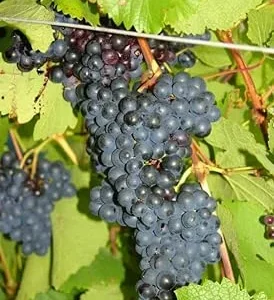
Fruits
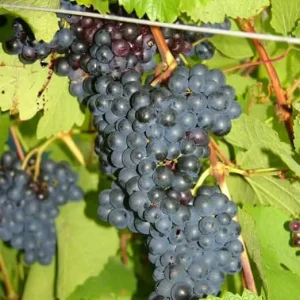
Eastern Concord Bunch Grape Vine Live Plant – 2 Year Old, Cold Hardy, Blue-Black Grapes, Outdoor
Sold 69 products
Original price was: $97.60.$48.80Current price is: $48.80.
Sold 65 products
Original price was: $120.00.$60.00Current price is: $60.00.
Sold 50 products
Original price was: $320.00.$160.00Current price is: $160.00.
Sold 83 products
Original price was: $79.80.$39.90Current price is: $39.90.
Sold 57 products
From $63.80


Reviews
There are no reviews yet.