

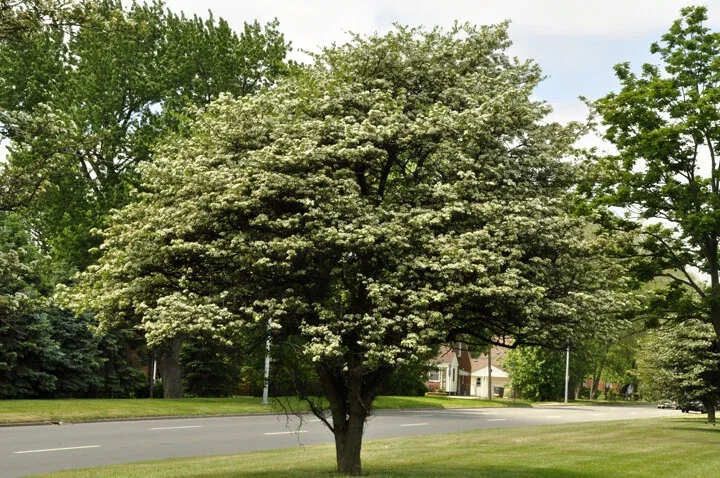

Washington Hawthorn Tree Live Plant 18-24 Inches Tall, 2-3 Years Old, Outdoor
Original price was: $45.56.$22.78Current price is: $22.78.
Bring natural beauty to your landscape with a Washington Hawthorn Tree live plant. This impressive deciduous tree measures 18 to 24 inches tall and is 2 to 3 years old, ready for planting outdoors. Known for its attractive foliage, white flowers, and red berries, the Crataegus phaenopyrum tree adds year-round visual appeal and is ideal for various garden designs.
-
USDA Hardiness Zone
USDA Zones 4-8 -
Soil Type
Well-draining soil -
Sunlight Exposure
Full Sun to Medium Sun -
Expected Planting Period
Late winter to early spring

You can track your order HERE
Mar 01
Mar 06 - Mar 08
Mar 11 - Mar 15
Shipping and return policies: Our Alive & Thrive Guarantee covers issues with your plants within the first 30 days. Reach out to us. Our team will answer your questions and help you find the plants that are truly suitable for your environment, climate, and personal preferences.

Overview
Introduce a touch of elegance and seasonal interest to your garden with this vibrant Washington Hawthorn Tree live plant. Standing proudly at 18 to 24 inches tall and aged 2 to 3 years, this young tree is ready to establish itself in your outdoor space. The Crataegus phaenopyrum tree is a highly valued deciduous tree, celebrated for its exquisite display of white flowers in late spring, followed by bright red berries that persist through fall and often into winter, providing a crucial food source for birds. Its glossy, lobed green leaves turn brilliant shades of orange and red in autumn, ensuring a captivating presence throughout the seasons. This hawthorn variety is a hardy and adaptable choice, perfect for creating a focal point in your yard or contributing to a diverse landscape.
Key Benefits
The Washington Hawthorn Tree live plant offers a multitude of advantages for any gardener looking to enhance their outdoor environment. Its robust nature and aesthetic appeal make it a fantastic addition. Here are some key benefits:
- Seasonal Beauty: Enjoy a dynamic display of white flowers in spring, followed by vibrant green summer foliage, stunning red and orange fall colors, and persistent red berries in winter. This makes it a true four-season tree.
- Wildlife Attraction: The bright red berries are a favorite among various bird species, making your garden a haven for local wildlife. The tree also provides shelter and nesting opportunities.
- Hardy & Adaptable: This Crataegus phaenopyrum tree is known for its resilience and ability to thrive in a wide range of climates and soil conditions, making it an excellent choice for many regions.
- Low Maintenance: Once established, the Washington Hawthorn Tree live plant requires minimal care, making it a great option for both experienced and novice gardeners. Its natural resistance to many pests and diseases further simplifies maintenance.
- Excellent for Landscaping: Whether used as a specimen tree, part of a hedgerow, or in a mixed border, its distinctive form and ornamental features enhance any landscape design. It’s a great deciduous tree for landscaping projects.
- Air Purification: Like all trees, it contributes to cleaner air by absorbing carbon dioxide and releasing oxygen, improving the overall quality of your local environment.
- Natural Security: The presence of thorns provides a natural deterrent, making it a good choice for boundary planting if security is a consideration.
Plant Care & Growing Tips
Caring for your Washington Hawthorn Tree live plant is straightforward, ensuring years of beauty and enjoyment. This hardy tree (Crataegus phaenopyrum tree) thrives with proper attention to its basic needs. For optimal growth and health, consider the following guidelines:
Sunlight Requirements: The Washington Hawthorn prefers full sun to medium sun, meaning it needs at least 6 hours of direct sunlight per day. While it can tolerate some partial shade, ample sunlight will promote the best flowering, berry production, and vibrant fall foliage. Plant it in an area where it can receive bright, unobstructed light for most of the day for the best results in your garden.
Watering Schedule & Soil Moisture: This tree has light watering needs once established. During its first growing season, water regularly to keep the soil consistently moist but not waterlogged, encouraging strong root development. After establishment, it is quite drought-tolerant. Water deeply during prolonged dry spells, especially in hotter climates. Avoid overwatering, as this can lead to root rot. The goal is to provide enough moisture to sustain growth without saturating the soil.
Soil Type & Drainage: The Washington Hawthorn is adaptable to a variety of soil types, including clay, loam, and sandy soils, as long as they are well-draining soil. It tolerates a wide pH range. Good drainage is crucial to prevent root issues. If your soil is heavy clay, amending it with organic matter like compost can improve drainage and aeration, creating an ideal environment for your outdoor flowering tree.
Temperature Range & USDA Hardiness Zone: This tree is incredibly hardy and suitable for USDA Zones 4-8. It can withstand cold winter temperatures and hot summers, making it a versatile choice for many regions. It is a continental climate plant, meaning it adapts well to areas with distinct seasonal changes. Protect young trees from extreme winter winds in the colder end of its hardiness range.
Fertilization Schedule: Generally, the Washington Hawthorn does not require heavy fertilization. If your soil is poor or the tree shows signs of nutrient deficiency (e.g., pale leaves, slow growth), apply a balanced, slow-release granular fertilizer in early spring before new growth appears. Follow product instructions for application rates. Avoid fertilizing late in the season, which can stimulate tender new growth vulnerable to winter damage.
Common Problems & Solutions: While generally robust, hawthorns can sometimes encounter issues like rust, leaf spot, or fire blight. Ensure good air circulation around the tree and promptly remove any diseased branches. For insect pests like aphids, a strong spray of water or insecticidal soap can be effective. Proper care and maintenance, as described above, are the best defense against most problems, helping your hawthorn tree care routine be effective.
Size & Details
This offering is for one Washington Hawthorn Tree live plant, typically measuring between 18 to 24 inches tall from the base of the root system to the tip of the highest branch. Each tree is approximately 2 to 3 years old, providing a well-established root system and a sturdy young trunk, ready for transplanting into your garden. The tree is broadleaf, with foliage that transitions beautifully from green in spring and summer to striking red and orange hues in the fall. It is shipped as a bare root plant, meaning it will arrive without soil around its roots, which is a common and effective method for shipping deciduous trees. Expect a moderate growth rate, eventually reaching mature heights of 15-25 feet with a similar spread, forming an attractive, rounded canopy. Its growth stage is flowering, meaning it will produce blossoms and berries in due course. The presence of thorns is a natural safety feature of the species.
Frequently Asked Questions
- Q: How big does this Washington Hawthorn Tree live plant get? A: This tree typically grows to a mature height of 15 to 25 feet tall with a similar spread, forming a rounded canopy. The plant you receive will be 18 to 24 inches tall and 2 to 3 years old.
- Q: Is this an indoor or outdoor plant? A: The Washington Hawthorn Tree live plant is an outdoor tree, ideal for landscaping. It thrives in open garden spaces where it can receive adequate sunlight.
- Q: How much sunlight does the Crataegus phaenopyrum tree need? A: This tree performs best in full sun to medium sun, requiring at least 6 hours of direct sunlight daily to promote healthy growth, abundant flowering, and vibrant berry production.
- Q: Is this tree easy to care for? Is it good for beginners? A: Yes, the Washington Hawthorn Tree live plant is considered relatively low maintenance and is a good choice for beginners. Once established, it is quite hardy and drought-tolerant. Basic hawthorn tree care involves proper planting and occasional watering during dry periods.
- Q: What condition will it arrive in? A: Your Washington Hawthorn Tree live plant will arrive as a bare root plant, meaning it is dormant and shipped without soil around its roots. This ensures safe transport and prepares the tree for successful planting.
- Q: When is the best time to plant this deciduous tree for landscaping? A: The best time to plant bare root hawthorn trees is typically in late winter or early spring, before new growth begins. This allows the roots to establish before the stress of summer heat.
- Q: Will it survive winter in my zone? A: The Washington Hawthorn is very cold hardy and thrives in USDA Zones 4 to 8, making it suitable for a wide range of climates with cold winters. It is well-adapted to continental climates.
- Q: What kind of soil does this tree prefer? A: This tree is adaptable to various soil types, including clay, loam, and sand, as long as the soil is well-draining. Good drainage is essential to prevent root issues.
- Q: Does this tree have thorns? A: Yes, the Washington Hawthorn (Crataegus phaenopyrum tree) is known for having thorns, which can provide a natural protective barrier.
- Q: What colors can I expect from the foliage and berries? A: You can expect green foliage in spring and summer, which transforms into beautiful red and orange hues in the fall. The tree produces attractive white flowers in spring, followed by bright red berries that persist into winter.
Be the first to review “Washington Hawthorn Tree Live Plant 18-24 Inches Tall, 2-3 Years Old, Outdoor”
People Also Viewed
Sold 52 products
Original price was: $91.60.$45.80Current price is: $45.80.
Sold 99 products
Original price was: $80.00.$64.00Current price is: $64.00.
Sold 86 products
Original price was: $36.36.$18.18Current price is: $18.18.
Sold 61 products
From $99.80
Sold 50 products
Original price was: $39.98.$19.99Current price is: $19.99.
Sold 63 products
From $79.96
Sold 69 products
Original price was: $28.00.$22.40Current price is: $22.40.
Sold 85 products
Original price was: $179.98.$89.99Current price is: $89.99.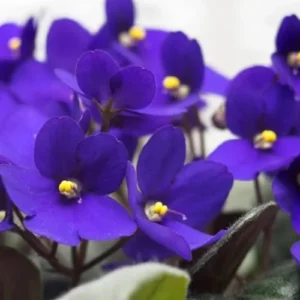
Flower Plants
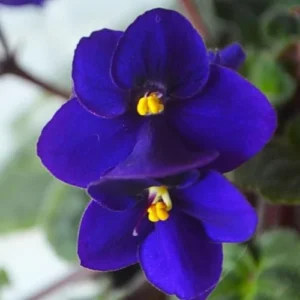
African Violet Live Plant Houseplant – Dark Blue Flower, 4 Inch Pot – Indoor Ready to Grow
Sold 94 products
Original price was: $75.98.$37.99Current price is: $37.99.

Sold 82 products
Original price was: $8.60.$4.30Current price is: $4.30.
Sold 62 products
Original price was: $33.98.$23.78Current price is: $23.78.
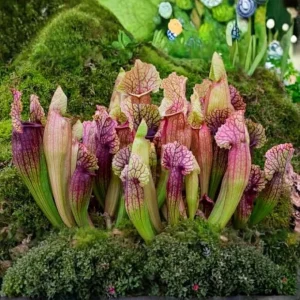
HousePlants
Purple Nepenthes Pitcher Plant Live – Exotic Tropical Houseplant for Indoor/Outdoor Décor
Sold 73 products
$65.98

Sold 86 products
Original price was: $10.00.$8.50Current price is: $8.50.
Sold 76 products
Original price was: $91.80.$45.90Current price is: $45.90.

Sold 53 products
Original price was: $34.00.$27.20Current price is: $27.20.
Sold 60 products
Original price was: $210.00.$157.50Current price is: $157.50.
Sold 99 products
Original price was: $64.00.$51.20Current price is: $51.20.
Sold 55 products
From $22.08


Reviews
There are no reviews yet.