
Virginia Bluebells Bulbs (Mertensia virginica) – Bare Root Perennial Flower
From $55.00
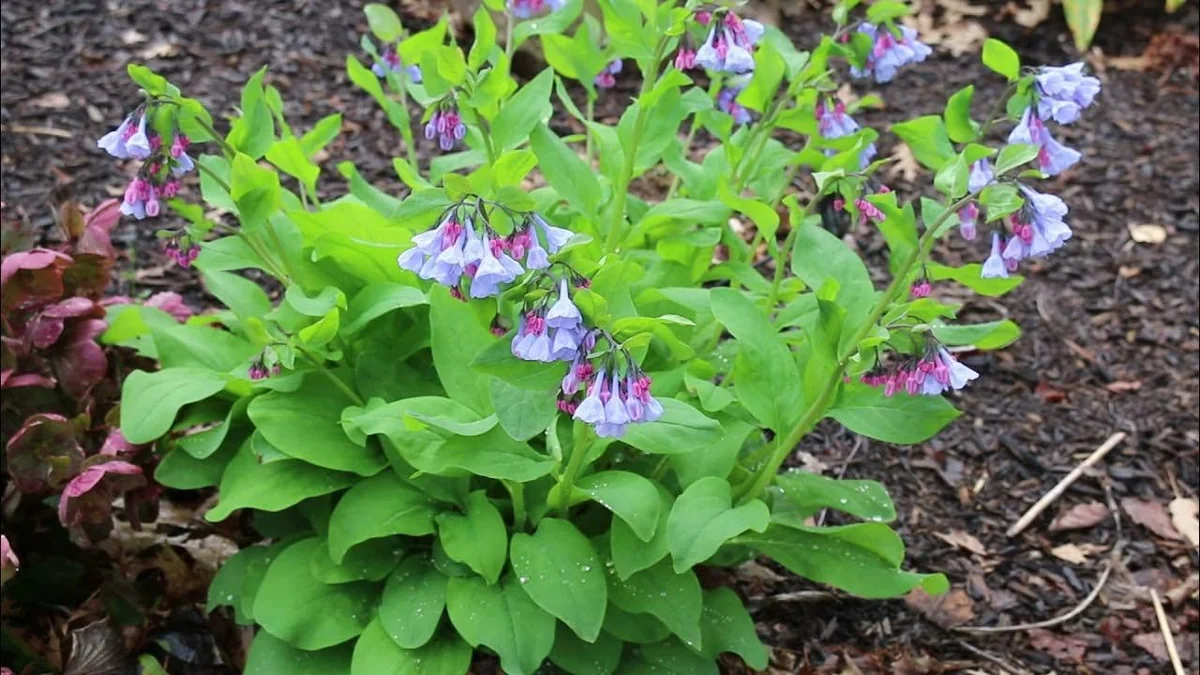
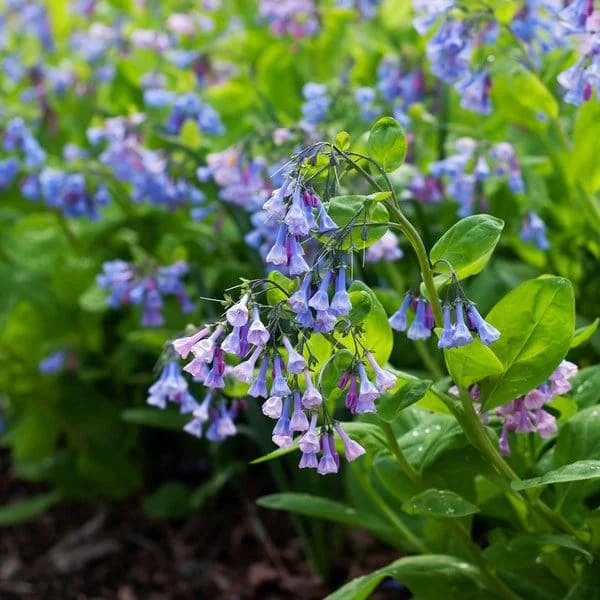
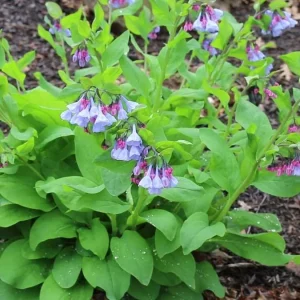
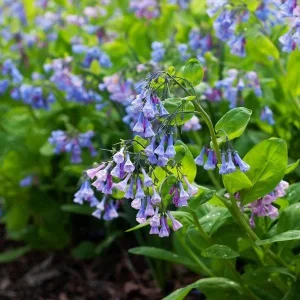
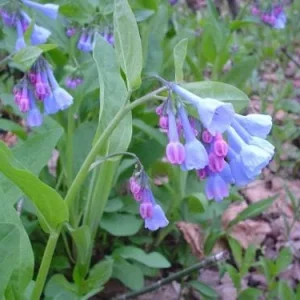
Plant Virginia Bluebells bulbs (Mertensia virginica) for a stunning early spring display. These native Mertensia virginica bare root perennials thrive in shade, producing distinctive blue-pink flowers. Perfect for naturalizing and attracting pollinators.
-
USDA Hardiness Zone
USDA zones 3-8 -
Soil Type
Rich, loamy, well-draining soil -
Sunlight Exposure
Full to partial shade -
Expected Planting Period
Fall or very early spring

You can track your order HERE
Mar 12
Mar 17 - Mar 19
Mar 22 - Mar 26
Shipping and return policies: Our Alive & Thrive Guarantee covers issues with your plants within the first 30 days. Reach out to us. Our team will answer your questions and help you find the plants that are truly suitable for your environment, climate, and personal preferences.

Overview
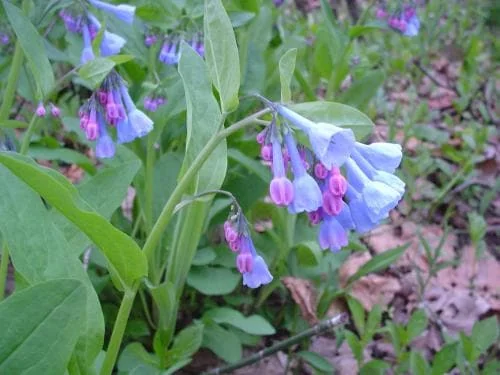
Introduce a touch of serene blue to your spring garden with Virginia Bluebells bulbs (Mertensia virginica). These charming woodland ephemerals emerge soon after the snow melts, gracing your landscape with their distinctive blue-pink, bell-shaped flowers. As a native to the eastern U.S., the Virginia Bluebells bulbs are perfectly adapted to thrive in moist woods, floodplains, and along streams, making them an excellent choice for naturalizing in shaded areas. They are celebrated for being one of the earliest blooms of spring, providing a vital nectar source for early pollinators. These long-lived plants expand slowly, forming impressive colonies over time that create a vibrant carpet of blue.
Mertensia virginica, commonly known as Virginia Bluebells, is a true spring ephemeral. This means the plant emerges, blooms, and then goes dormant by mid-summer, retreating underground until the following spring. This unique characteristic allows them to coexist beautifully with later-emerging perennials like ferns, which can fill the space as the bluebells go to rest. Planting Mertensia virginica bare root in the fall or very early spring ensures they establish well and provide a spectacular show year after year. Their easy-to-manage spread by self-seeding makes them a delightful addition to any shade garden seeking a natural, low-maintenance beauty.
Key Benefits
Adding Virginia Bluebells bulbs to your garden brings a multitude of benefits, from their aesthetic appeal to their ecological contributions. These plants offer a unique seasonal beauty and support local wildlife, making them a truly rewarding choice for any gardener. Consider these advantages:
- Early Spring Beauty: Be among the first to welcome spring with the enchanting blue-pink blossoms of Virginia Bluebells. Their delicate flowers provide a refreshing burst of color when most other plants are still dormant, creating a picturesque scene in your garden.
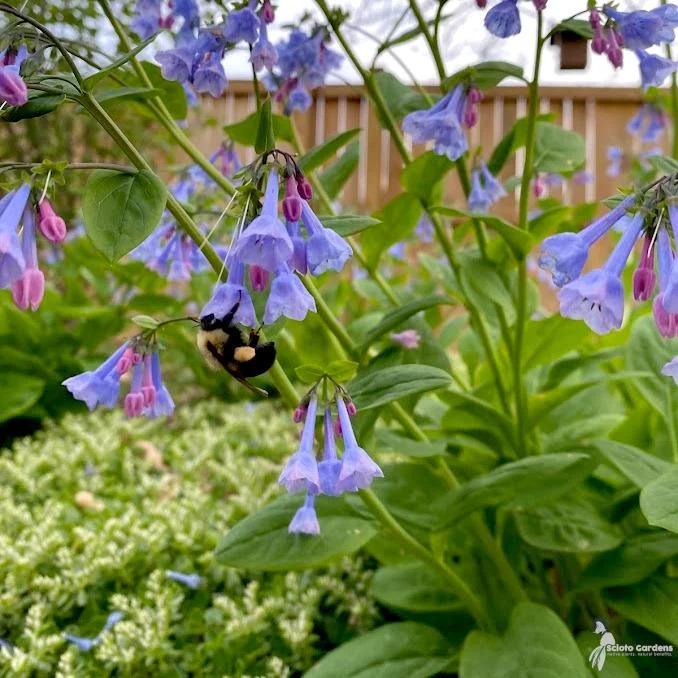
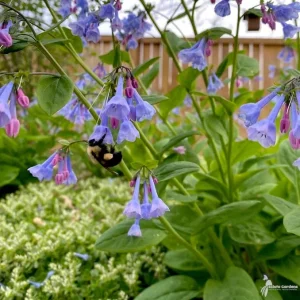
- Pollinator Magnet: The early blooms of Virginia Bluebells bulbs are a crucial nectar source for early-season pollinators such as bumblebees, mason bees, Giant Bee Flies, butterflies, skippers, and Sphinx moths. Planting them supports local ecosystems and biodiversity.
- Low Maintenance Woodland Plant: Once established, these plants require minimal care. They thrive in their preferred shaded, moist environment, making them ideal for woodland gardens or naturalized settings where they can flourish with little intervention.
- Naturalizing & Spreading: Virginia Bluebells naturally self-seed and spread slowly, forming beautiful, dense colonies over time. This gentle spread allows them to create a stunning carpet of blue without becoming invasive, providing an effortless expansion of beauty.
- Ephemeral Charm: Their unique ephemeral nature means they disappear by mid-summer, making space for other perennials. This allows for dynamic garden design, where later-season plants can take over the visual interest as the bluebells go dormant.
- Adaptable to Shade: These plants are perfectly suited for full to partial shade, making them an excellent solution for those tricky, shaded areas in your garden where other flowering plants might struggle. They truly thrive in the dappled sunlight of a woodland setting.
- Deer Resistant: Generally, deer tend to leave Virginia Bluebells untouched, which is a significant advantage for gardeners in areas with deer populations, ensuring your beautiful blooms remain intact.
Plant Care & Growing Tips
Caring for your Virginia Bluebells bulbs is relatively straightforward, especially when planted in their preferred environment. These resilient plants thrive with minimal intervention once established. For optimal growth, choose a location with dappled sunlight or a spot that receives morning sun and afternoon shade. This mimics their natural woodland habitat, protecting them from harsh afternoon rays. They prefer a consistently moist, cool environment, which is best achieved with a natural leaf mulch. A layer of leaf mulch around the plants will help to retain moisture and keep the soil temperatures cooler, conditions that these plants absolutely prefer. Avoid overwatering or waterlogging, as excessive moisture can lead to root rot, especially during their dormant phase. Ensuring good drainage is key to preventing problems.
The ideal time for planting Virginia Bluebells is in the fall or very early spring. If planted mid to late spring, they may go straight into dormancy without exhibiting much growth, emerging the following spring instead. These plants prefer rich, loamy soil that retains moisture but drains well. Incorporating organic matter, such as compost or well-rotted leaf mold, will significantly improve soil structure and fertility, creating an ideal habitat for your Mertensia virginica bare root. Virginia Bluebells are hardy in USDA zones 3-8, making them suitable for a wide range of climates across the US. They are relatively pest and disease-free, further contributing to their low-maintenance appeal. When considering companion plants, choose other shade-loving perennials like ferns, hostas, or trilliums that can fill the space as the bluebells go dormant, maintaining continuous garden interest.
While they don’t typically require heavy fertilization, an annual top-dressing of compost or a balanced slow-release fertilizer in early spring can encourage vigorous growth and blooming. Remember that their ephemeral nature means they will vanish by summer, so don’t be alarmed! This is a natural part of their life cycle. Mark their planting location so you know where to expect their beautiful return next spring. For those interested in expanding their bluebell patch, these plants will slowly naturalize by self-seeding, creating a larger carpet of blue over several years. Understanding how to care for bluebells for shade ensures a thriving and delightful garden display.
Size & Details
These Virginia Bluebells bulbs are supplied as bare root plants, ready for immediate planting upon arrival. They are mature root divisions, ensuring a strong start in your garden. When established, individual plants can reach a width of 18 to 24 inches, creating a substantial presence in the landscape. Virginia Bluebells typically grow 1 to 2 feet tall during their active spring season. As spring ephemerals, they emerge, bloom, and then go dormant by mid-summer, with their foliage receding completely. They are long-lived perennials, expanding slowly by self-seeding to form colonies over many years, creating an increasingly vibrant display.
The bare root form is ideal for planting in the fall or very early spring, allowing the roots to establish before the plant requires energy for foliage and flowers. Expect blooms in early to mid-spring, depending on your local climate. The distinctive blue-pink flowers are a highlight of the spring garden. These plants are excellent for naturalizing in woodland settings or shaded borders, and their slow spread makes them easy to manage within your garden design. Remember that the plant’s above-ground presence is temporary, with the roots remaining dormant underground during the hotter months, ready to re-emerge the following spring.
Frequently Asked Questions
- Q: How big do Virginia Bluebells get? A: Mature individual plants can spread up to 18-24 inches wide and typically grow 1 to 2 feet tall during their spring growth phase before going dormant.
- Q: Are Virginia Bluebells an indoor or outdoor plant? A: Virginia Bluebells bulbs are strictly outdoor plants, thriving in woodland and shade garden settings. They are not suitable for indoor cultivation.
- Q: How much sunlight does Mertensia virginica need? A: These plants prefer full to partial shade. Dappled sunlight or morning sun with afternoon shade is ideal for their growth and bloom.
- Q: Is this plant easy to care for? Is it good for beginners? A: Yes, planting Virginia Bluebells is relatively easy, especially if their preferred shaded, moist conditions are met. They are an excellent choice for beginner gardeners looking for reliable spring blooms.
- Q: What condition will the bare root Virginia Bluebells arrive in? A: Your Mertensia virginica bare root plants will arrive dormant and carefully packaged, ready for planting. They may not show any visible growth until the following spring if planted later in the season.
- Q: When is the best time to plant Virginia Bluebells? A: The best time for planting Virginia Bluebells is in the fall or very early spring before new growth begins.
- Q: Will Virginia Bluebells survive winter in my zone? A: Yes, Virginia Bluebells are hardy perennials, typically thriving in USDA Zones 3-8, and will reliably return each spring after winter dormancy.
- Q: Do Virginia Bluebells spread aggressively? A: No, they spread slowly by self-seeding and naturalizing, forming colonies at an easy-to-manage pace, making them ideal for creating a beautiful carpet of bluebells for shade without being invasive.
- Q: What should I plant with Virginia Bluebells? A: Consider planting them with other shade-loving perennials like ferns, hostas, trilliums, or bleeding hearts, which can provide interest after the bluebells go dormant.
- Q: Why do my Virginia Bluebells disappear in summer? A: This is their natural life cycle. Virginia Bluebells are spring ephemerals, meaning they emerge, bloom, and then go dormant by mid-summer, with their foliage dying back until the next spring.
| Qty | 10, 15, 20 |
|---|
Be the first to review “Virginia Bluebells Bulbs (Mertensia virginica) – Bare Root Perennial Flower”
People Also Viewed
Sold 63 products
Original price was: $199.98.$99.99Current price is: $99.99.
Sold 65 products
Original price was: $43.99.$23.99Current price is: $23.99.
Sold 98 products
$41.78
Sold 66 products
Original price was: $148.00.$118.40Current price is: $118.40.
Sold 82 products
Original price was: $99.96.$49.98Current price is: $49.98.

Flower Seeds
20 Tri-Color Coleus Seeds – Pink, Black & Green Foliage – Easy Grow Ornamental Perennial
Sold 63 products
Original price was: $14.76.$7.38Current price is: $7.38.
Sold 77 products
Original price was: $28.76.$14.38Current price is: $14.38.

Sold 77 products
Original price was: $62.76.$31.38Current price is: $31.38.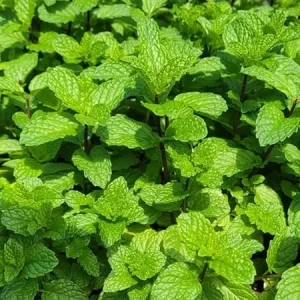
Herbs
Mojito Mint Live Plant Set – 4 Fresh Herb Starter Plants, 4-7 Inch Tall, Culinary Garden Ready
Sold 68 products
Original price was: $39.98.$19.99Current price is: $19.99.
Sold 100 products
Original price was: $18.76.$9.38Current price is: $9.38.
Sold 62 products
Original price was: $38.92.$19.46Current price is: $19.46.
Sold 80 products
Original price was: $355.96.$177.98Current price is: $177.98.
Sold 62 products
From $69.98
HousePlants
Ficus Audrey Live Plant – Ficus Benghalensis Banyan Tree – Healthy Well Rooted Indoor/Outdoor
Sold 52 products
From $54.00
Sold 69 products
Original price was: $100.00.$80.00Current price is: $80.00.
Sold 76 products
From $75.96
Sold 94 products
Original price was: $63.92.$31.96Current price is: $31.96.
Sold 88 products
Original price was: $355.96.$177.98Current price is: $177.98.



Reviews
There are no reviews yet.