
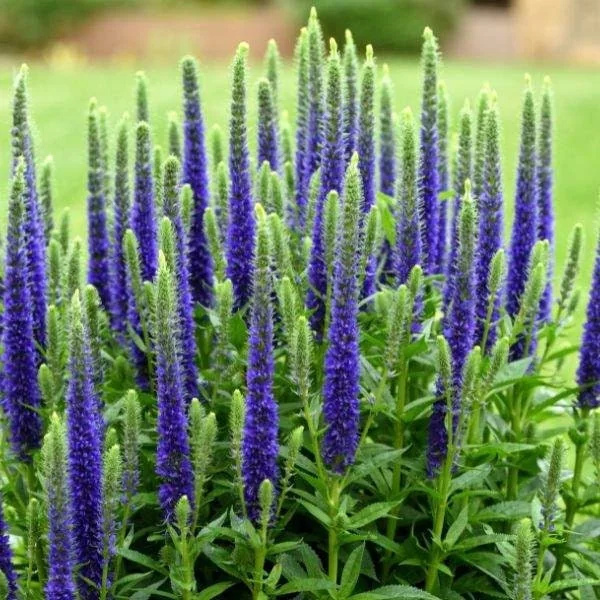
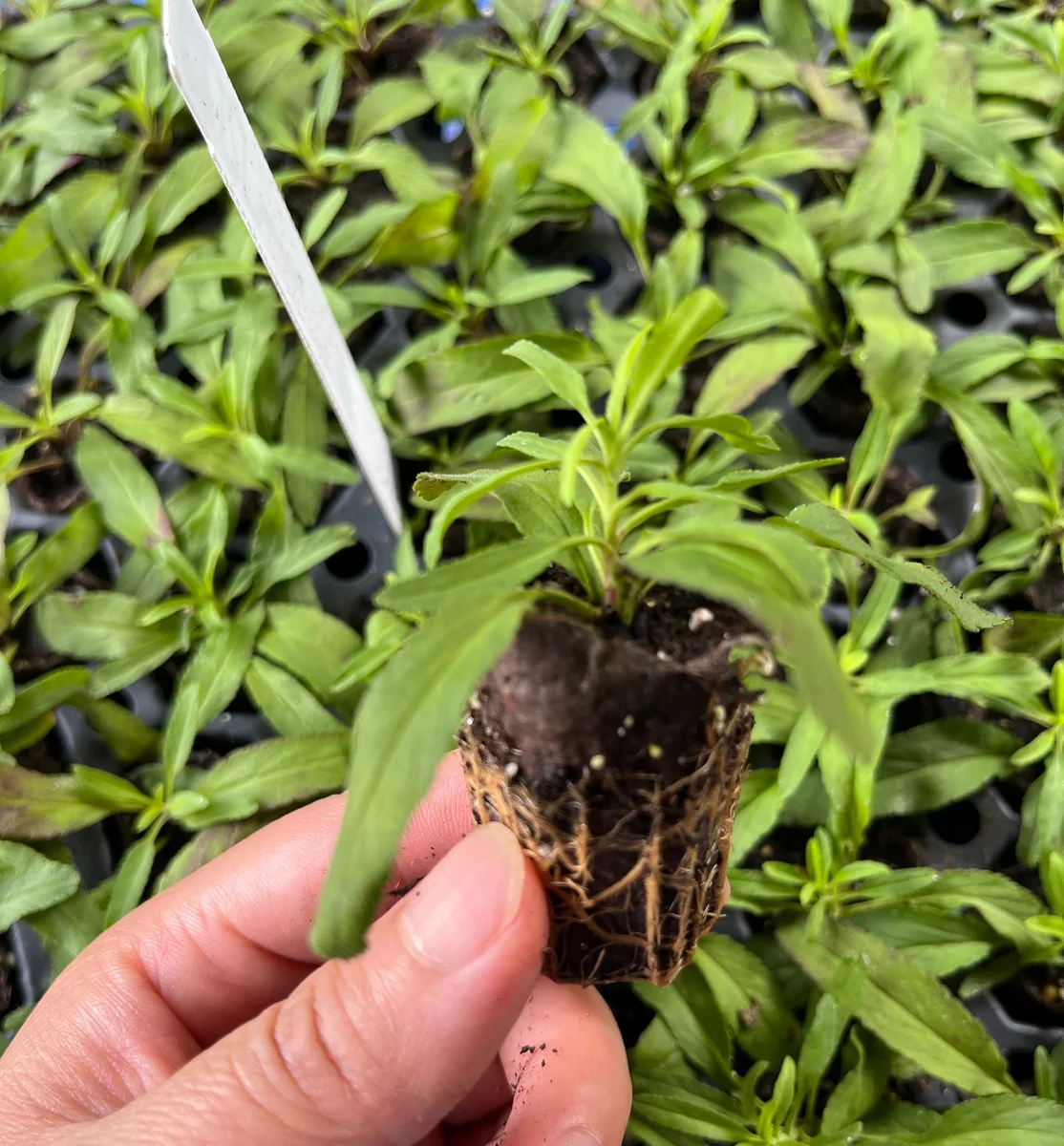
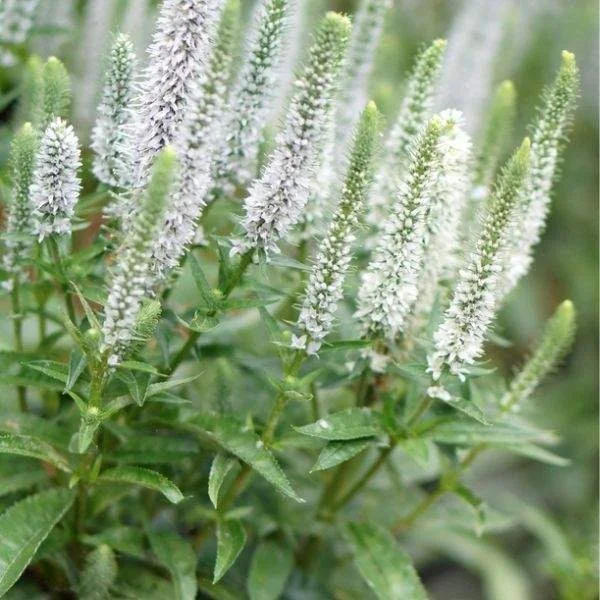
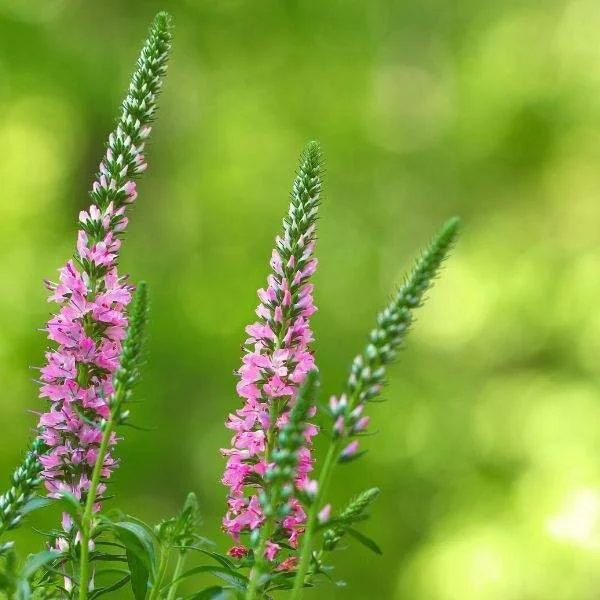
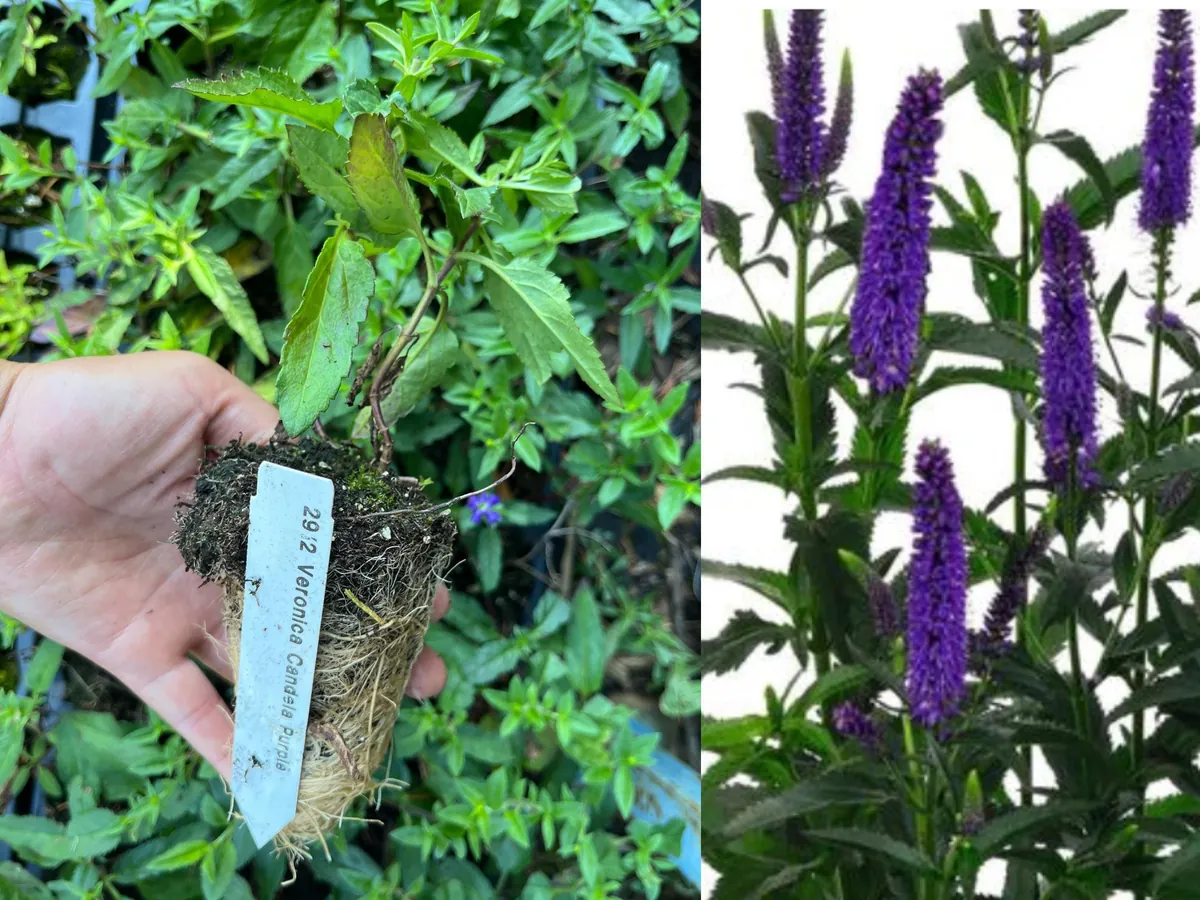
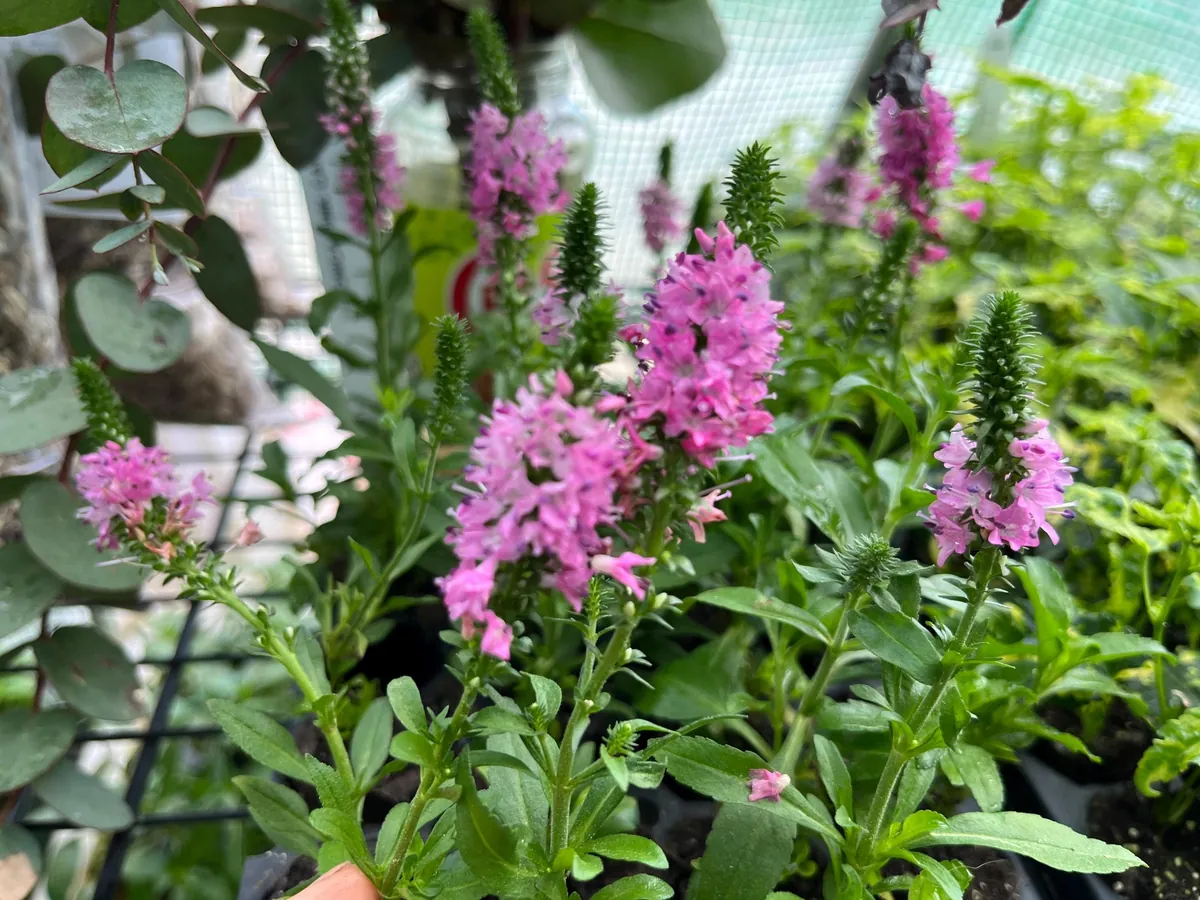
Veronica Speedwell Live Plant Plug – Long-Blooming Flowers for Pollinators
From $13.98
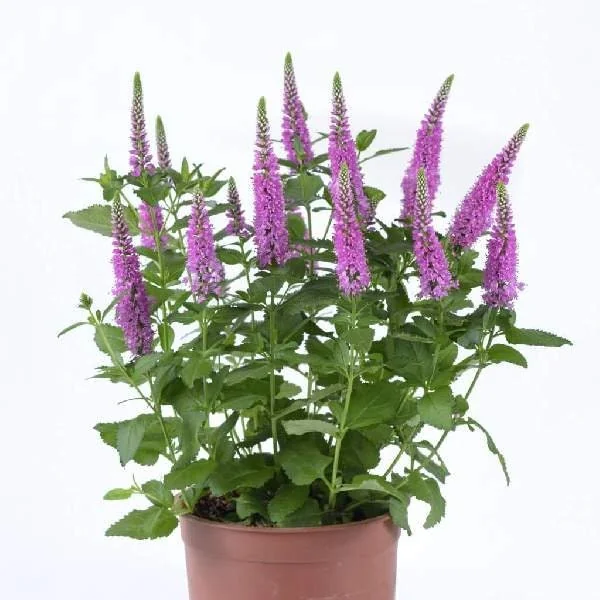
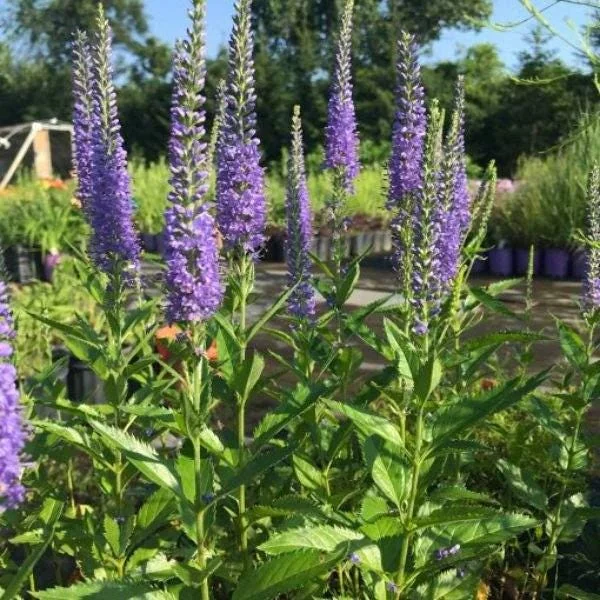
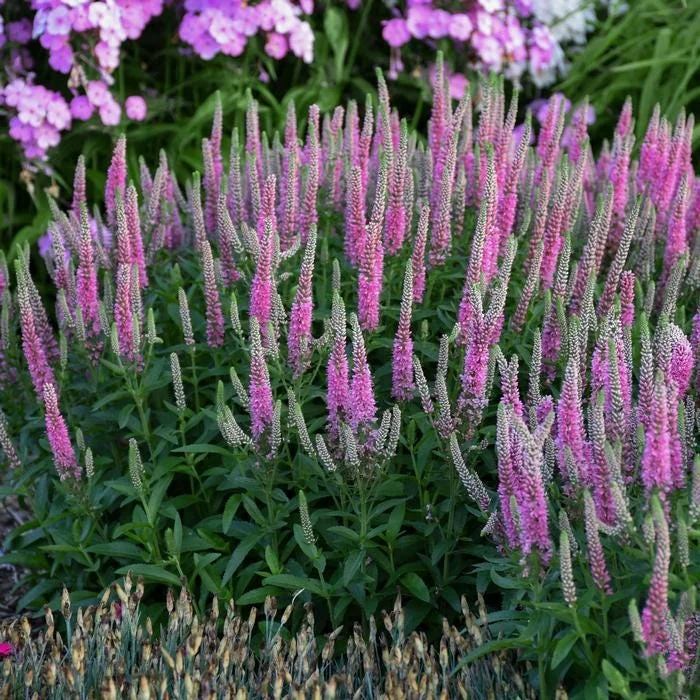
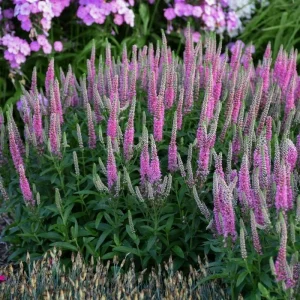
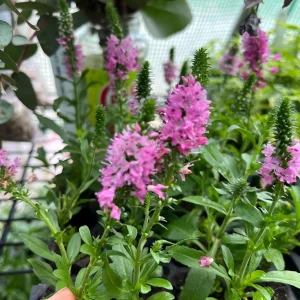
Add vibrant, long-lasting color to your garden with this veronica speedwell live plant plug. Known for attracting pollinators and resisting deer, this easy-care perennial thrives in sun to part shade, perfect for borders or containers.
-
USDA Hardiness Zone
USDA Zones 4-8 -
Soil Type
Average, humus-enriched, well-draining soil -
Sunlight Exposure
Full sun to partial sun -
Expected Planting Period
Spring to early summer

You can track your order HERE
Mar 06
Mar 11 - Mar 13
Mar 16 - Mar 20
Shipping and return policies: Our Alive & Thrive Guarantee covers issues with your plants within the first 30 days. Reach out to us. Our team will answer your questions and help you find the plants that are truly suitable for your environment, climate, and personal preferences.

Overview
Introduce a touch of enduring beauty and ecological benefit to your outdoor space with the veronica speedwell live plant. This charming perennial, also known by its common name Speedwell, is celebrated for its elegant flower spikes and impressive blooming period, extending from late spring through fall. Originating from Eurasia, Veronica is a versatile and resilient addition to nearly any garden, offering both visual appeal and a vital food source for local pollinators. Whether you’re a seasoned gardener or just starting, this well-rooted plug provides a robust foundation for a thriving plant that will grace your landscape with its vibrant colors and tidy habit. Its ability to adapt to various growing conditions and its low-maintenance nature make it an ideal choice for creating stunning displays without constant fuss.
Key Benefits
The veronica speedwell live plant offers a multitude of advantages for any gardener looking to enhance their outdoor environment. From its aesthetic appeal to its ecological contributions, this plant is a true garden workhorse.
- Attracts Pollinators: The vibrant flower spikes are a magnet for bees, butterflies, and hummingbirds, making it an excellent choice for supporting local ecosystems and creating a lively garden.
- Deer and Rabbit Resistant: Enjoy your beautiful blooms without the worry of common garden pests. This plant naturally deters deer and rabbits, ensuring your investment in beauty is protected.
- Long-Blooming Season: Revel in continuous color from late spring through early fall. The extended bloom period ensures your garden remains vibrant and attractive for months.
- Low Maintenance: Once established, this veronica speedwell live plant requires minimal care. It’s drought-tolerant and disease-resistant, making it perfect for busy gardeners or those seeking an easy-care solution.
- Versatile Landscape Use: Ideal for a variety of garden applications, whether planted in borders, mixed containers, rock gardens, or as a mass planting. Its upright habit adds structure and visual interest.
- Heat and Salt Tolerant Varieties: Many Veronica varieties are bred for enhanced resilience, including tolerance to heat and salt, making them suitable for diverse climates and even coastal regions.
- Hardy Perennial: Depending on the variety, Veronica is hardy in USDA Zones 3-9, returning year after year to bring joy and beauty to your garden with minimal effort.
Plant Care & Growing Tips
Caring for your veronica speedwell live plant is straightforward, making it an excellent choice for gardeners of all experience levels. To ensure optimal growth and a profusion of blooms, understanding its basic needs is key. This resilient perennial thrives in conditions that mimic its native European habitat, adapting well to various garden settings with a few considerations.
For sunlight requirements, Veronica performs best in full sun, meaning it needs at least 6 hours of direct sunlight daily. While it can tolerate partial shade, especially in hotter climates, flowering will be more prolific and robust in sunnier locations. Ensure your planting site provides adequate light for the best display. When it comes to watering, Veronica prefers moderate moisture. Water regularly after planting to help establish the root system. Once established, it becomes quite drought-tolerant, requiring less frequent watering, especially in well-draining soil. Avoid overwatering, as consistently soggy conditions can lead to root rot. The ideal soil type is average, humus-enriched, and, most importantly, well-draining. Good drainage is crucial for the health of your speedwell perennial. Amend heavy clay soils with organic matter to improve drainage and aeration.
Veronica is typically hardy in USDA Zones 4-8, with some varieties extending to Zones 3 or 9. Check your specific variety’s hardiness zone to ensure it will thrive in your climate. Fertilization is generally not heavily required; a balanced, slow-release granular fertilizer applied in early spring can encourage vigorous growth and abundant flowering. Deadheading spent flower spikes will encourage reblooming and maintain a tidy appearance. Shear back the entire plant after the main flush of blooms to promote new growth and a second wave of flowers. This practice also helps prevent the plant from self-seeding excessively. Common problems are few, as this plant is largely disease-resistant and not prone to serious pest issues, further cementing its reputation as an easy-care garden favorite. With proper care, your veronica plant care routine will be minimal, allowing you more time to enjoy its beauty.
Size & Details
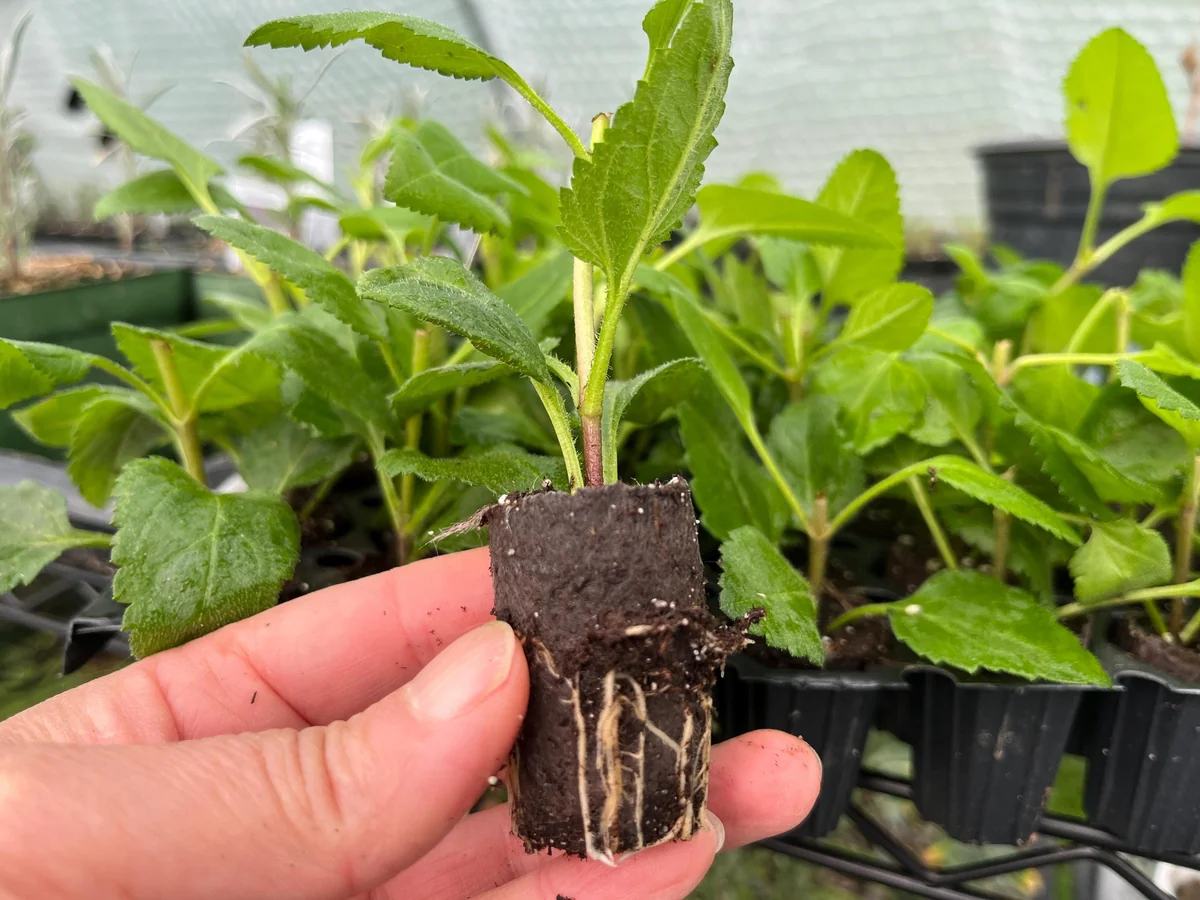
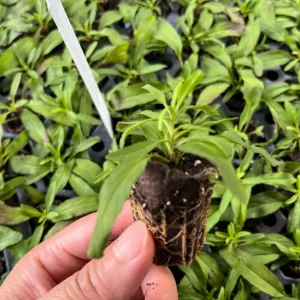
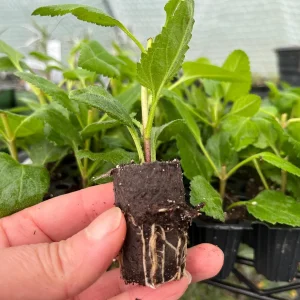
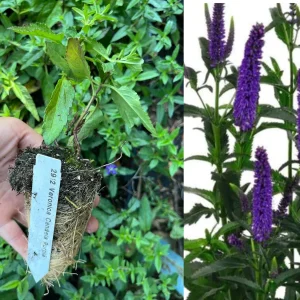
Each veronica speedwell live plant is shipped as a well-rooted plug, typically in a small 1-inch or 2.25-inch container, depending on the specific variety chosen. While plant sizes can vary slightly due to natural growth, each plug provides a healthy start for your garden. Upon maturity, Veronica varieties exhibit a range of heights and widths. For instance, ‘Ronica Blue’ reaches 14-16 inches tall and 16-18 inches wide, while ‘Snow Candles’ grows 8-12 inches tall and 10-16 inches wide. The ‘Seaside’ variety can achieve 20-24 inches in height and a 20-inch spread. These dimensions make Speedwell suitable for various landscape designs, from front-of-border accents to mixed container focal points. Expect vibrant flower spikes to emerge from late spring to early fall, creating a continuous display of color. The plant maintains deep green foliage from spring through frost, adding consistent texture to your garden.
Frequently Asked Questions
- Q: How big does this plant get? A: Mature size varies by variety. Some, like ‘Ronica Blue’, reach 14-16 inches tall and 16-18 inches wide, while others, such as ‘Seaside’, can grow up to 20-24 inches tall and 20 inches wide. Always check the specific variety for exact dimensions.
- Q: What size pot does it come in? A: Each veronica speedwell live plant comes as a well-rooted plug, typically in a small 1-inch x 1-inch x 1 1/4-inch or 2.25-inch container, depending on the variety.
- Q: Is this an indoor or outdoor plant? A: Veronica Speedwell is primarily an outdoor perennial plant, thriving in garden beds, borders, and outdoor containers. While it can be started indoors, its long-term growth and flowering are best achieved outdoors.
- Q: How much sunlight does it need? A: This plant flourishes in full sun, requiring at least 6 hours of direct sunlight per day. It can tolerate partial shade, but optimal flowering occurs in sunnier conditions.
- Q: Is this plant easy to care for? A: Yes, Veronica is considered a low-maintenance perennial. Once established, it is drought-tolerant, disease-resistant, and requires minimal attention, making veronica plant care quite simple.
- Q: Is it good for beginners? A: Absolutely! Its hardiness, disease resistance, and minimal care requirements make it an excellent choice for beginner gardeners looking for beautiful, reliable blooms.
- Q: What condition will it arrive in? A: Your veronica speedwell live plant will arrive as a healthy, well-rooted plug, ready for planting. We take care to ensure plants are packaged securely for their journey.
- Q: Is it shipped in soil? A: Yes, the plugs are shipped in their small containers with a growing medium to protect the roots and ensure their health during transit.
- Q: Can it attract pollinators? A: Yes, Veronica is highly effective as a pollinator garden plant. Its flower spikes are very attractive to bees, butterflies, and hummingbirds.
- Q: How long until it blooms? A: Depending on the planting time and variety, your Veronica plant can start blooming in its first year, typically from late spring through early fall, providing a long season of color.
- Q: When is the best time to plant? A: Spring is generally the best time to plant Veronica plugs, allowing them ample time to establish before the heat of summer or the cold of winter.
- Q: Will it survive winter in my zone? A: Veronica is a hardy perennial, typically surviving winters in USDA Zones 4-8. Some varieties may extend to Zone 3 or 9. Check your specific variety and local hardiness zone.
- Q: What’s the minimum temperature it can tolerate? A: This varies by variety, but most Veronica plants can tolerate winter temperatures down to -20°F to -30°F, aligning with their USDA hardiness zones.
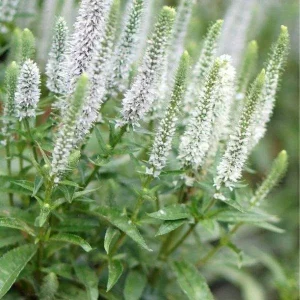
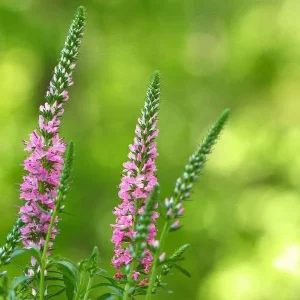
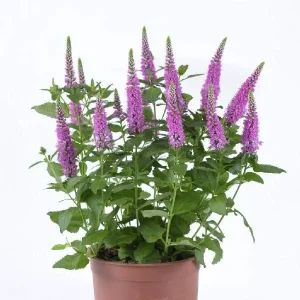
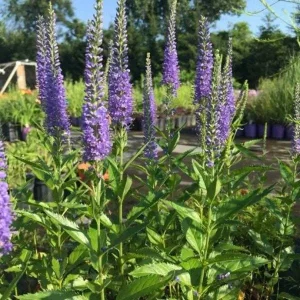
| Primary color | Candela Purple 2.25", Giles Van Hees, Pink Candles, Ronica Blue, Ronica Fuchsia, Seaside, Snow Candle |
|---|---|
| Pack size | 1 Plant, 3 Plants, 6 Plants |
Be the first to review “Veronica Speedwell Live Plant Plug – Long-Blooming Flowers for Pollinators”
People Also Viewed
Sold 67 products
$30.00
Sold 69 products
From $51.80

Sold 53 products
Original price was: $50.76.$25.38Current price is: $25.38.
Sold 67 products
Original price was: $39.68.$19.84Current price is: $19.84.
Sold 73 products
Original price was: $51.58.$25.79Current price is: $25.79.
Sold 85 products
Original price was: $283.96.$141.98Current price is: $141.98.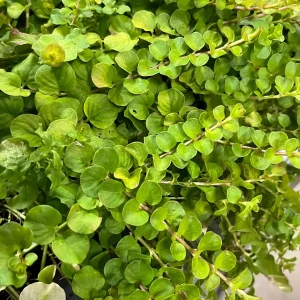
Flowers
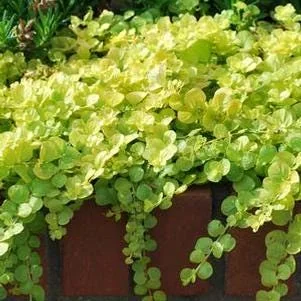
Creeping Golden Jenny Live Plant – Lysimachia nummularia ‘Aurea’ – Vibrant Chartreuse Groundcover
Sold 62 products
From $63.96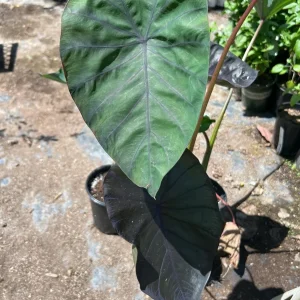
HousePlants
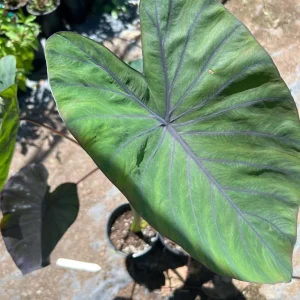
Colocasia ‘Black Magic’ Elephant Ear Live Plant – 6″ Pot, 1-2 ft Tall, Purple-Black Foliage
Sold 70 products
Original price was: $147.56.$73.78Current price is: $73.78.

Sold 71 products
Original price was: $26.76.$13.38Current price is: $13.38.
Sold 76 products
Original price was: $77.08.$38.54Current price is: $38.54.
Sold 59 products
From $4.06
Sold 61 products
Original price was: $312.00.$156.00Current price is: $156.00.
Sold 51 products
Original price was: $30.76.$15.38Current price is: $15.38.
Sold 78 products
Original price was: $319.96.$159.98Current price is: $159.98.
Sold 75 products
Original price was: $35.98.$17.99Current price is: $17.99.
Sold 53 products
Original price was: $60.00.$30.00Current price is: $30.00.
Sold 99 products
Original price was: $283.96.$141.98Current price is: $141.98.
Sold 66 products
Original price was: $535.96.$267.98Current price is: $267.98.


Reviews
There are no reviews yet.