
Variegated Weigela Bare Root Plant – 2 Pack – Rose Pink Flowers, Outdoor Shrub
From $67.00
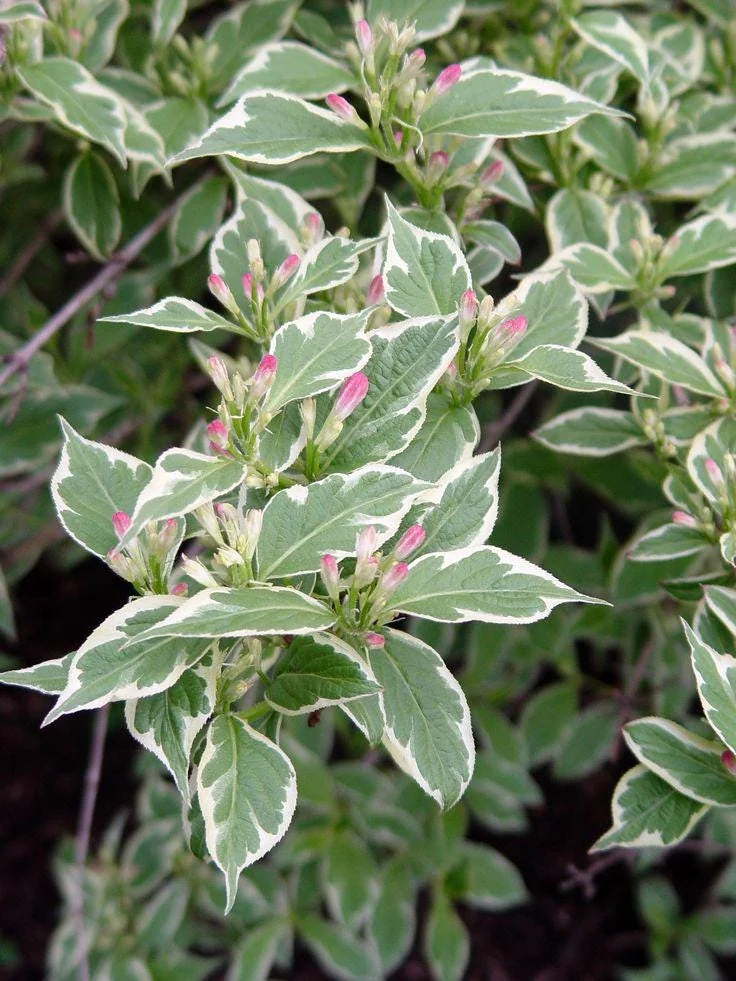
Introduce vibrant color to your landscape with the variegated weigela bare root. This deciduous shrub boasts striking green and white foliage, complemented by charming rose-pink, trumpet-shaped flowers in late spring. A low maintenance weigela that attracts hummingbirds and is easy to grow.
-
USDA Hardiness Zone
unknown -
Soil Type
moist, well-drained soil -
Sunlight Exposure
full to partial sun -
Expected Planting Period
early spring

You can track your order HERE
Mar 05
Mar 10 - Mar 12
Mar 15 - Mar 19
Shipping and return policies: Our Alive & Thrive Guarantee covers issues with your plants within the first 30 days. Reach out to us. Our team will answer your questions and help you find the plants that are truly suitable for your environment, climate, and personal preferences.

Overview
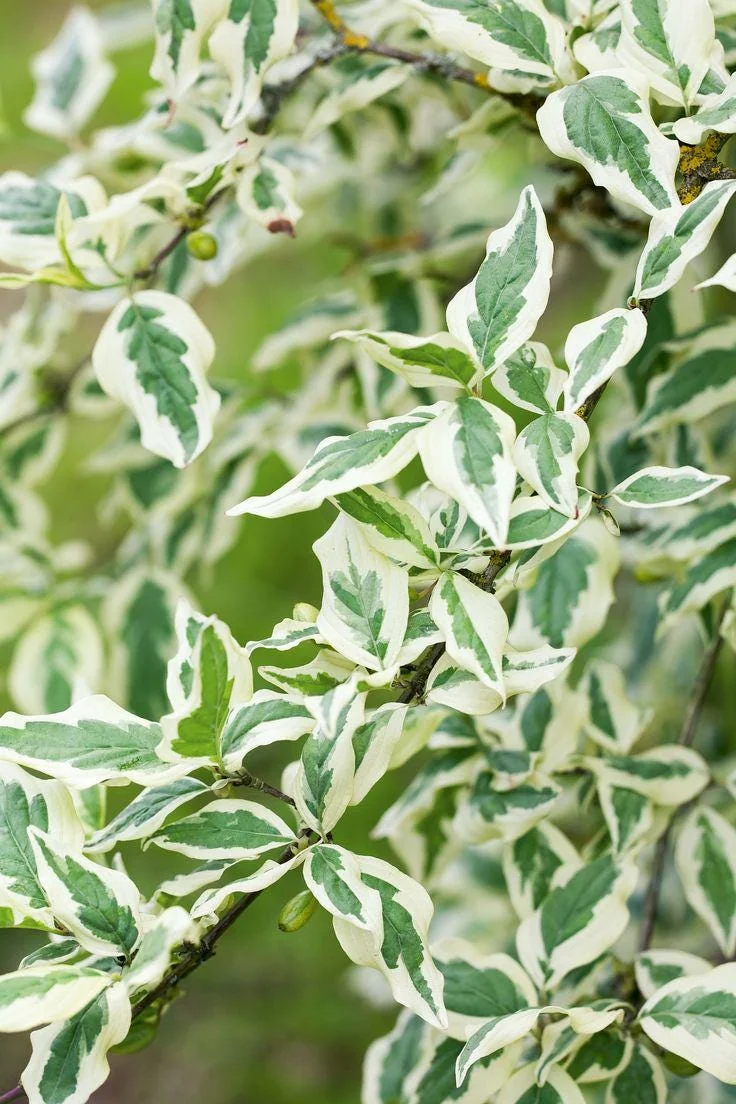
Transform your garden into a captivating haven with the exquisite variegated weigela bare root. This stunning deciduous shrub, scientifically known as Weigela florida ‘Variegata’, is celebrated for its dynamic beauty and ease of care. Each bare root offers the promise of a robust and visually appealing plant that will become a focal point in your outdoor space. The variegated weigela stands out with its unique foliage, featuring lush green leaves edged with creamy white, which transition to a beautiful brick red in the fall, providing seasonal interest. Beyond its foliage, this shrub bursts into a spectacular display of trumpet-shaped, rose-pink flowers in late spring, creating a vibrant contrast against the variegated leaves. These charming blooms are not only a treat for the eyes but also a magnet for hummingbirds, adding lively activity to your garden. As a growing weigela shrub, it develops a graceful, rounded form with arching branches, making it an ideal choice for various landscape designs, from borders to specimen plantings. Opting for a bare root plant ensures strong establishment and healthy growth, allowing you to cultivate a resilient and beautiful shrub for years to come.
The variegated weigela bare root is perfect for gardeners seeking both ornamental appeal and functional benefits. Its moderate size, typically reaching 4–6 feet tall and wide, makes it suitable for many garden settings without overwhelming the space. This plant is known for its hardiness and adaptability, thriving in a range of conditions once established. Its ability to attract pollinators like hummingbirds contributes to local biodiversity, making your garden more ecologically vibrant. With its striking appearance and minimal demands, the variegated weigela is an excellent choice for both experienced gardeners and those new to cultivating flowering shrubs. Experience the joy of watching this beautiful plant unfurl its leaves and blossoms, bringing continuous beauty and life to your outdoor sanctuary. This low maintenance weigela variety is an investment in long-term garden beauty.
Key Benefits
The variegated weigela bare root offers numerous advantages, making it a highly desirable addition to any garden landscape. Its combination of aesthetic appeal and practical benefits ensures a rewarding gardening experience.
- Stunning Variegated Foliage: Enjoy the year-round visual interest provided by its distinctive green leaves with creamy white edges. In autumn, these leaves transform into a rich brick red, adding a warm glow to your garden. This vibrant foliage ensures your garden remains attractive even when not in bloom.
- Abundant Rose-Pink Flowers: Witness a spectacular display of trumpet-shaped, rose-pink flowers that emerge in late spring. These charming blooms are clustered along the branches, creating a profusion of color that brightens any garden space. The weigela pink flowers are truly a highlight.
- Attracts Hummingbirds: The nectar-rich flowers are a favorite of hummingbirds, drawing these delightful pollinators to your garden. This not only enhances the garden’s ecosystem but also provides a captivating natural spectacle.
- Low Maintenance: This shrub is remarkably easy to care for, requiring minimal intervention once established. Its resilience makes it an excellent choice for busy gardeners or those new to gardening. A truly low maintenance weigela.
- Versatile Landscape Use: With its rounded form and arching branches, the variegated weigela is perfect for hedges, borders, foundation plantings, or as a standalone specimen plant, adapting beautifully to various garden designs.
- Hardy and Adaptable: Known for its robust nature, this weigela thrives in a wide range of conditions and is relatively resistant to pests and diseases, ensuring a healthy and vigorous plant.
- Seasonal Interest: From its spring blossoms to its fall foliage, the variegated weigela bare root provides continuous visual appeal throughout the growing seasons, ensuring your garden always has something interesting to offer.
Plant Care & Growing Tips
Caring for your variegated weigela bare root is straightforward, ensuring a healthy and vibrant shrub with minimal effort. To begin, select an appropriate planting site. This shrub thrives in moist, well-drained soil. Good drainage is crucial to prevent root rot, so if your soil is heavy clay, consider amending it with organic matter like compost or sand to improve its structure. When planting your bare root, soak the roots in water for a few hours before placing them in the prepared hole. Ensure the crown of the plant (where the roots meet the stem) is at soil level. Backfill the hole gently, firming the soil around the roots to eliminate air pockets, and water thoroughly.
For optimal growth and abundant weigela pink flowers, the variegated weigela requires full to partial sun. Full sun (at least 6 hours of direct sunlight per day) will encourage the most prolific flowering and vibrant foliage color, while partial sun (4-6 hours of sun, preferably morning sun) is also tolerated, though flowering may be slightly reduced. Once established, this shrub is relatively drought-tolerant but will perform best with consistent moisture, especially during dry spells. Water deeply and regularly during its first growing season to help it establish a strong root system. Fertilize in early spring with a balanced slow-release granular fertilizer formulated for flowering shrubs. Pruning is best done immediately after the shrub finishes flowering in late spring or early summer. This timing prevents you from removing the current season’s flower buds, which form on old wood. Remove any dead, damaged, or crossing branches, and you can selectively prune to maintain its desired size and shape, promoting a healthy and attractive plant. Understanding weigela plant care will ensure your shrub flourishes.
The variegated weigela is quite hardy and generally resistant to pests and diseases, making it a truly low maintenance weigela. However, keeping an eye out for common garden pests like aphids or spider mites is always a good practice. If detected, they can usually be managed with insecticidal soap or a strong spray of water. Ensure good air circulation around the plant to prevent fungal issues. This shrub is winter hardy in many regions, but in colder zones, a layer of mulch around the base can provide extra protection for the roots during harsh winters. With these simple care practices, you’ll enjoy a beautiful and thriving growing weigela shrub for many years.
Size & Details
The variegated weigela bare root will develop into a medium-sized deciduous shrub, typically reaching a mature height and width of 4 to 6 feet. It exhibits a graceful, rounded growth habit with arching branches, creating an attractive silhouette in the landscape. Each bare root is a dormant plant, carefully prepared for planting, ensuring a robust start to its growth cycle. The leaves can grow up to 4 inches long, providing substantial coverage and a lush appearance. The trumpet-shaped flowers measure up to 1.25 inches long and appear in clusters, creating a dense floral display.
This shrub has a moderate growth rate, establishing itself well within the first few seasons. Expect the first significant bloom display in the second or third year after planting, once the plant has had sufficient time to develop its root system and woody structure. The fruit produced is an oblong capsule containing unwinged or slightly winged seeds, though the primary ornamental value comes from its flowers and foliage. Planting a variegated weigela bare root offers an economical and effective way to introduce a mature-looking shrub to your garden over time, providing a beautiful and enduring addition to your outdoor space.
Frequently Asked Questions
- Q: How big does the variegated weigela get? A: The variegated weigela bare root typically grows to a mature size of 4 to 6 feet in both height and width, forming a lovely rounded shrub with arching branches. Its moderate size makes it suitable for various garden applications, from borders to specimen plantings.
- Q: Is this an indoor or outdoor plant? A: The variegated weigela is an outdoor deciduous shrub. It requires full to partial sunlight and is best suited for garden beds, hedges, or foundation plantings where it can thrive in natural outdoor conditions.
- Q: How much sunlight does a variegated weigela need? A: For the best flowering and foliage color, the variegated weigela bare root prefers full sun, meaning at least 6 hours of direct sunlight per day. It can also tolerate partial sun, but flowering may be less prolific.
- Q: Is this plant easy to care for? A: Yes, the variegated weigela is known for being a low maintenance weigela. Once established, it requires minimal care, making it an excellent choice for both beginner and experienced gardeners. Regular watering during dry periods and post-bloom pruning are its main requirements.
- Q: What condition will the bare root arrive in? A: Your variegated weigela bare root will arrive dormant, without leaves, which is normal for bare root plants. This state ensures it is ready for planting and will begin to grow vigorously once planted in suitable conditions.
- Q: When is the best time to plant a variegated weigela bare root? A: The ideal time to plant a bare root variegated weigela is in early spring, after the last frost, but before the heat of summer. This allows the plant ample time to establish its root system before the growing season.
- Q: Will the weigela pink flowers attract pollinators? A: Absolutely! The trumpet-shaped, rose-pink flowers of the variegated weigela bare root are very attractive to hummingbirds, bringing vibrant life and activity to your garden during its blooming season in late spring.
- Q: What kind of soil does this shrub prefer? A: The variegated weigela thrives in moist, well-drained soil. While adaptable, it performs best in loamy soils with good organic content. Avoid heavy, waterlogged soils to prevent root issues.
- Q: Does the foliage change color in the fall? A: Yes, a distinctive feature of the variegated weigela is its seasonal foliage change. The green leaves with creamy white edges transform into an attractive brick red color in the fall, providing additional visual interest.
- Q: How often should I prune my growing weigela shrub? A: Pruning should be done immediately after the weigela pink flowers fade in late spring or early summer. This encourages new growth and maintains the plant’s shape without sacrificing the next season’s blooms.
| Size | 12-18'', 18-24'' |
|---|
Be the first to review “Variegated Weigela Bare Root Plant – 2 Pack – Rose Pink Flowers, Outdoor Shrub”
People Also Viewed
Sold 56 products
Original price was: $162.36.$81.18Current price is: $81.18.
Sold 74 products
Original price was: $60.00.$48.00Current price is: $48.00.
Sold 70 products
Original price was: $33.98.$16.99Current price is: $16.99.
Sold 87 products
Original price was: $319.96.$159.98Current price is: $159.98.
Sold 79 products
Original price was: $45.00.$38.24Current price is: $38.24.
Sold 51 products
Original price was: $59.18.$35.50Current price is: $35.50.
Sold 78 products
Original price was: $65.76.$39.46Current price is: $39.46.
Sold 91 products
$34.00
Sold 73 products
Original price was: $57.56.$28.78Current price is: $28.78.
Sold 68 products
Original price was: $36.00.$18.00Current price is: $18.00.
Sold 64 products
Original price was: $58.00.$29.00Current price is: $29.00.

Sold 59 products
Original price was: $14.76.$7.38Current price is: $7.38.
Sold 99 products
From $43.80
Sold 64 products
Original price was: $40.00.$20.00Current price is: $20.00.
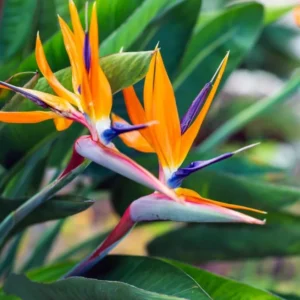
Flower Plants
Orange Bird of Paradise Live Plant – 5-10 Inch Tropical Strelitzia Reginae Outdoor Plant
Sold 71 products
Original price was: $35.98.$17.99Current price is: $17.99.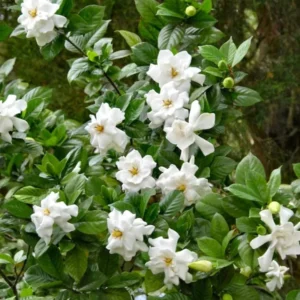
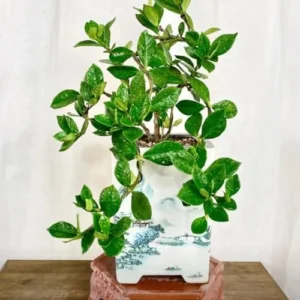
Flower Plants
Cape Jasmine Plants – 2 Live Gardenia Plants – 4-6 Inch – Blooming Indoor Outdoor Jasmine
Sold 70 products
Original price was: $59.96.$29.98Current price is: $29.98.
Sold 68 products
From $9.38
Sold 87 products
Original price was: $300.00.$150.00Current price is: $150.00.



Reviews
There are no reviews yet.