
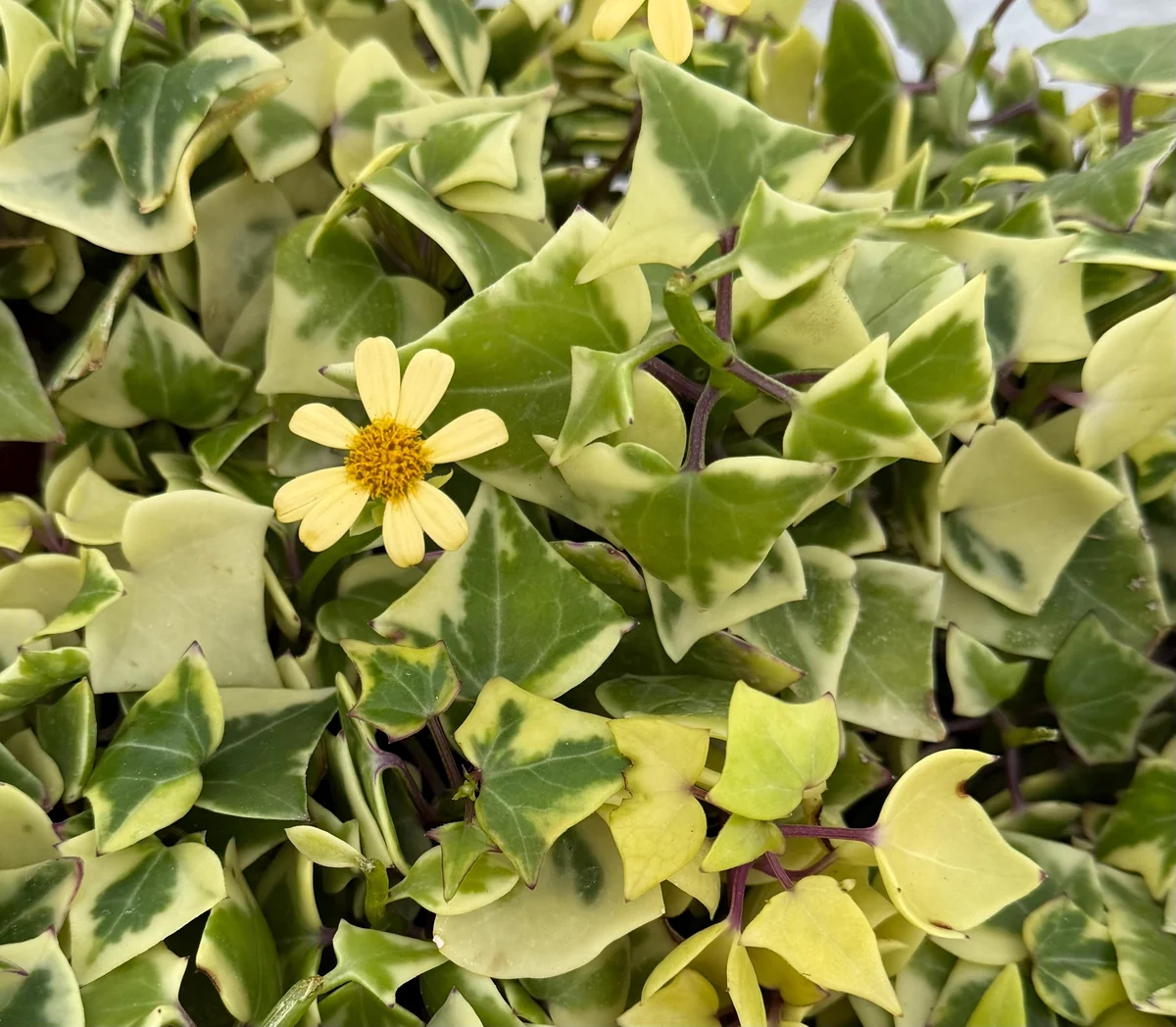
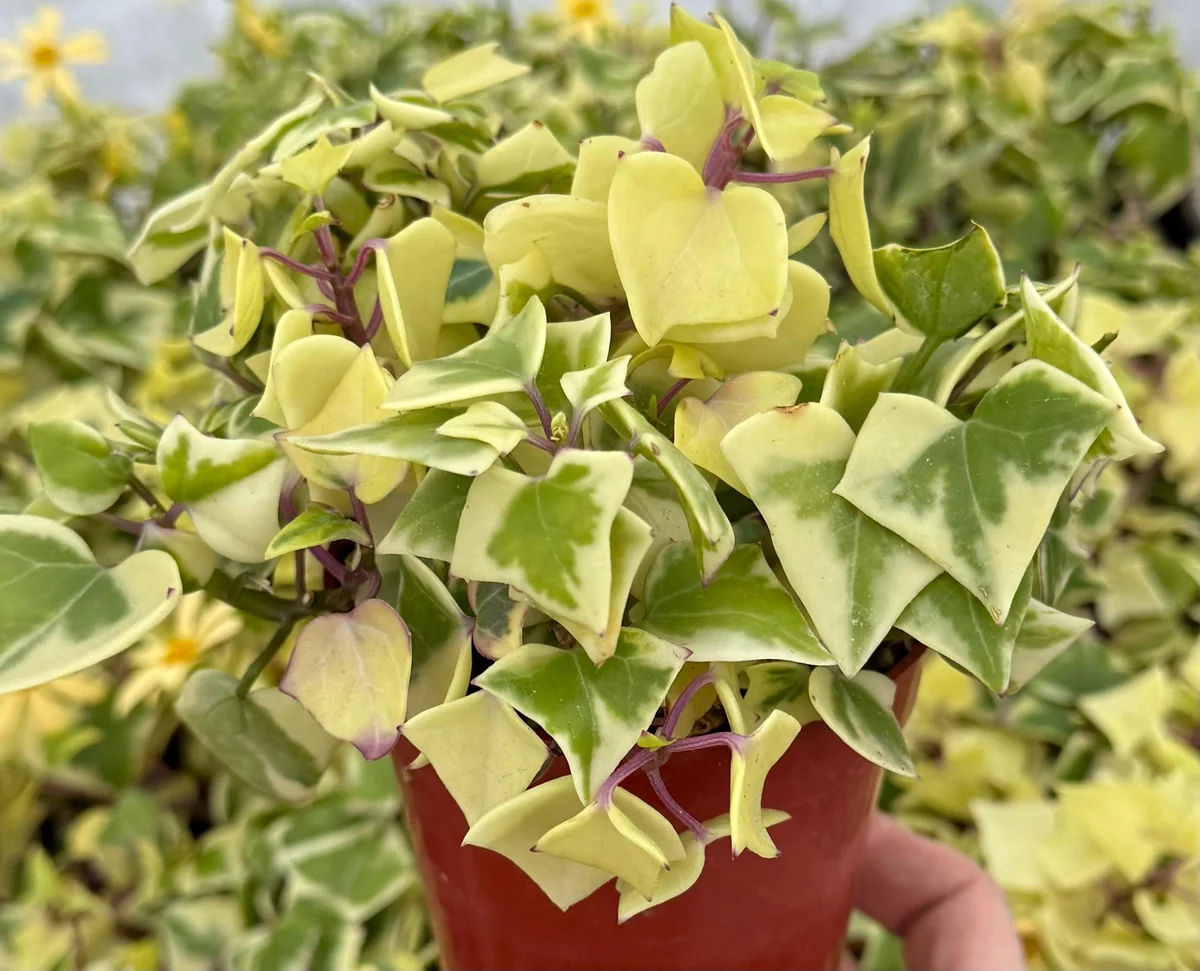
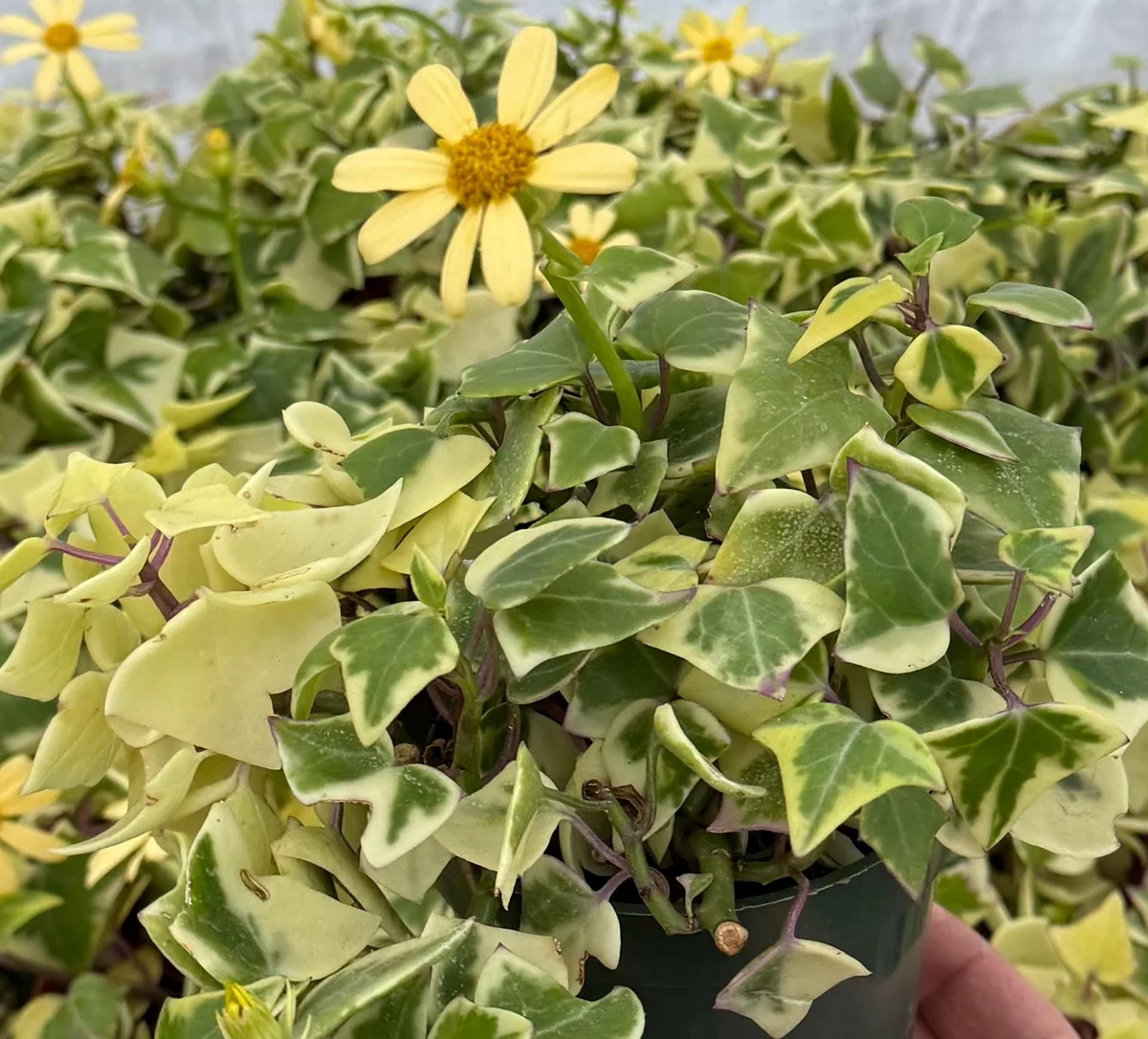
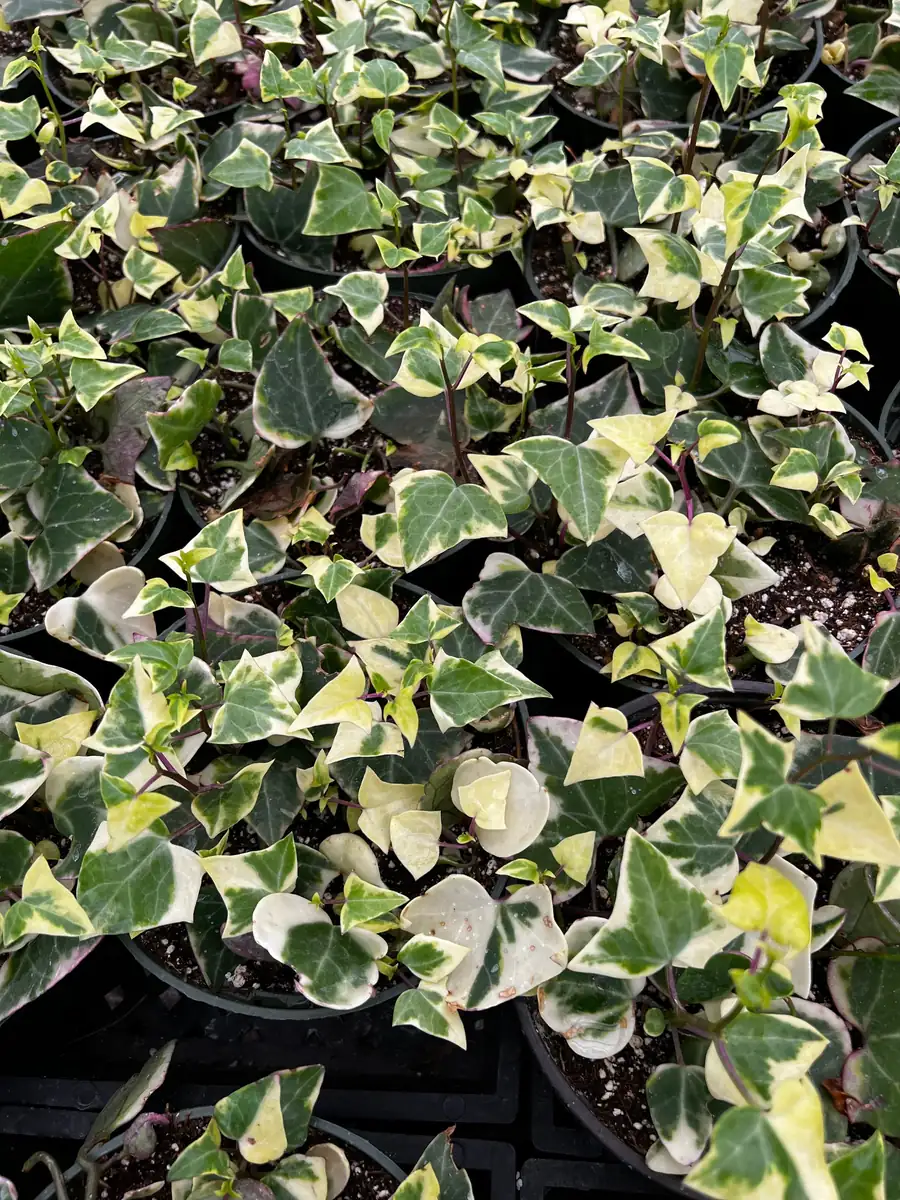
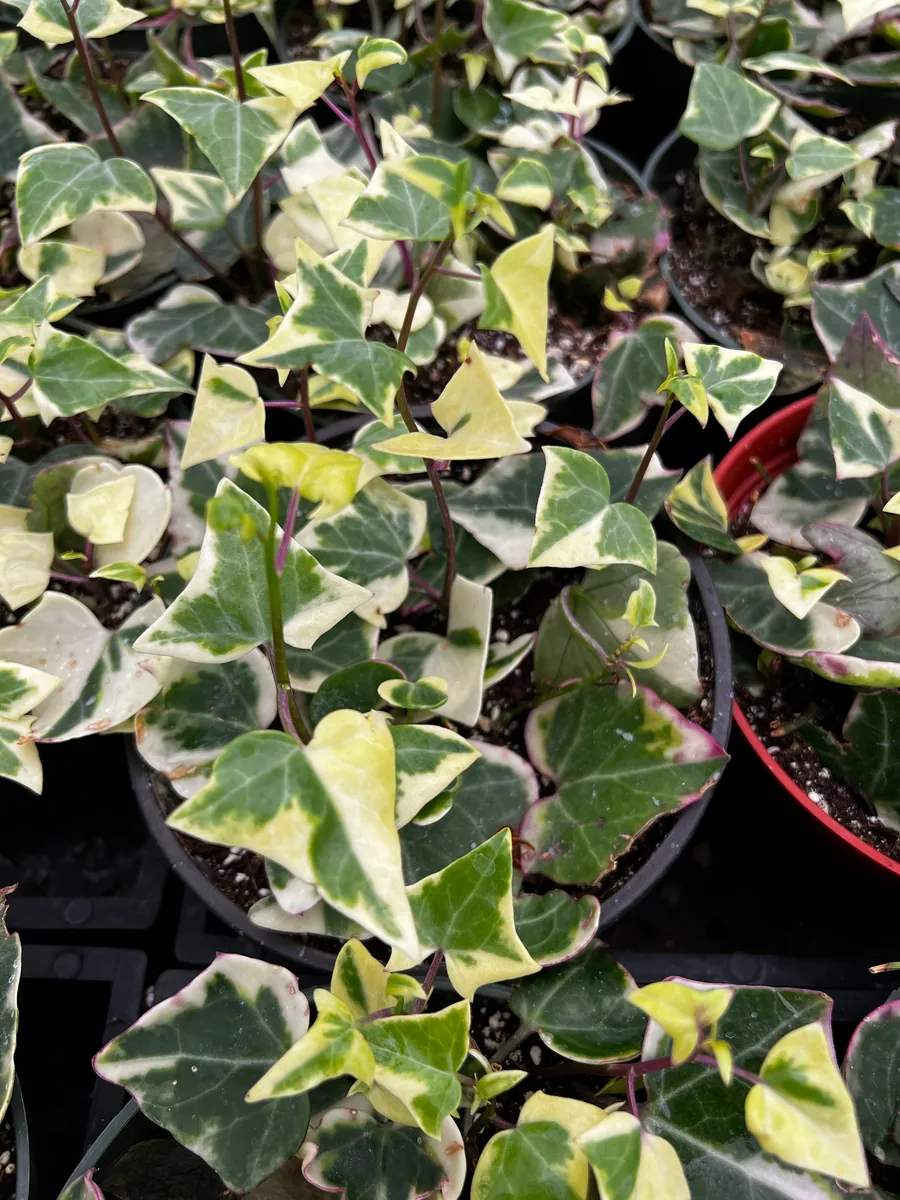
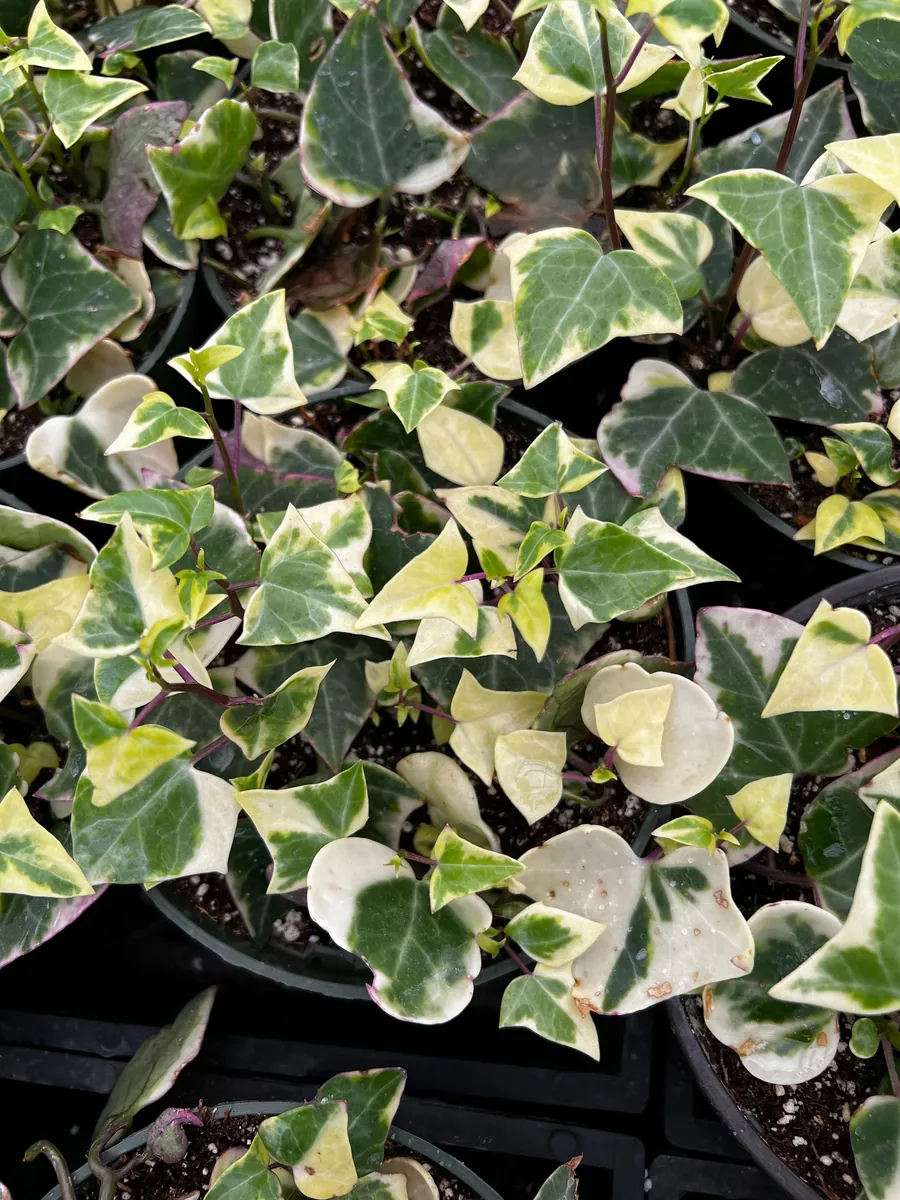
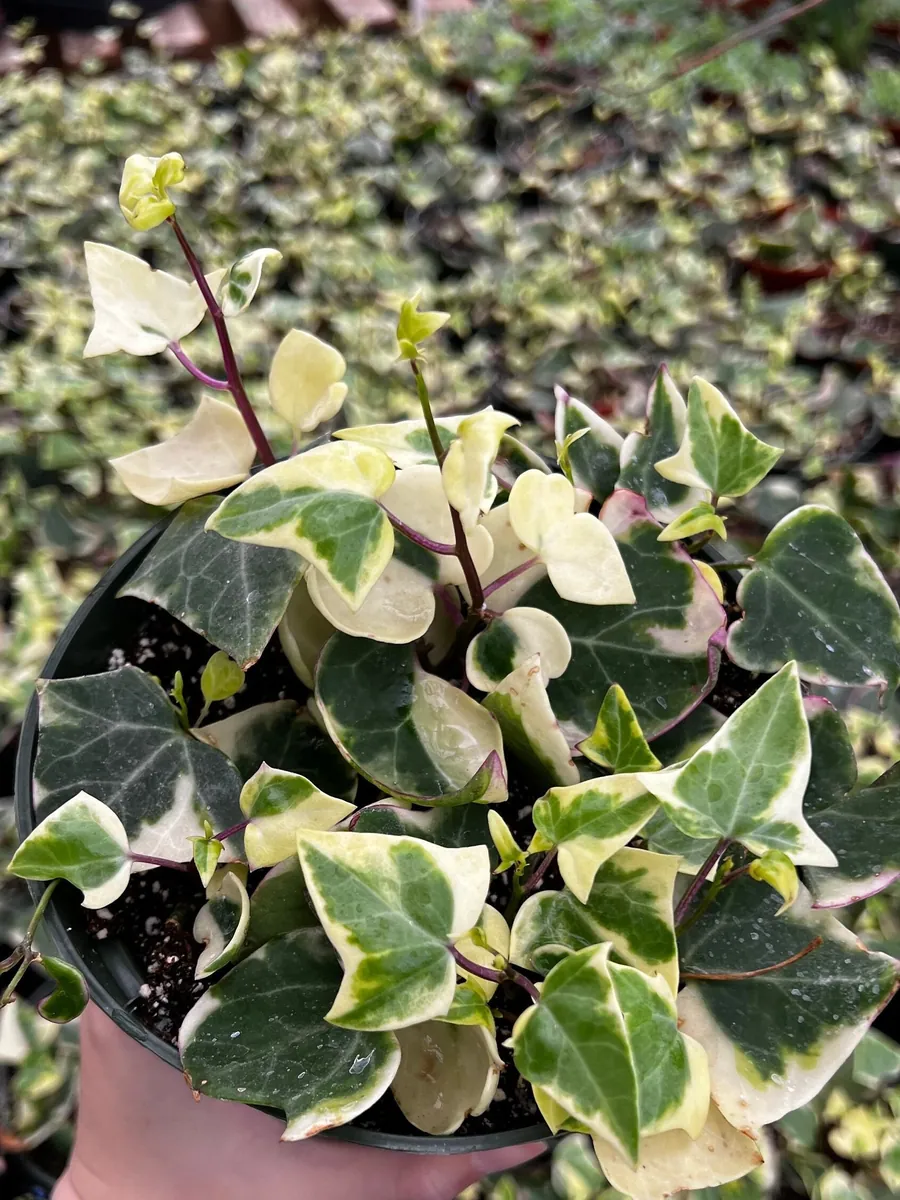
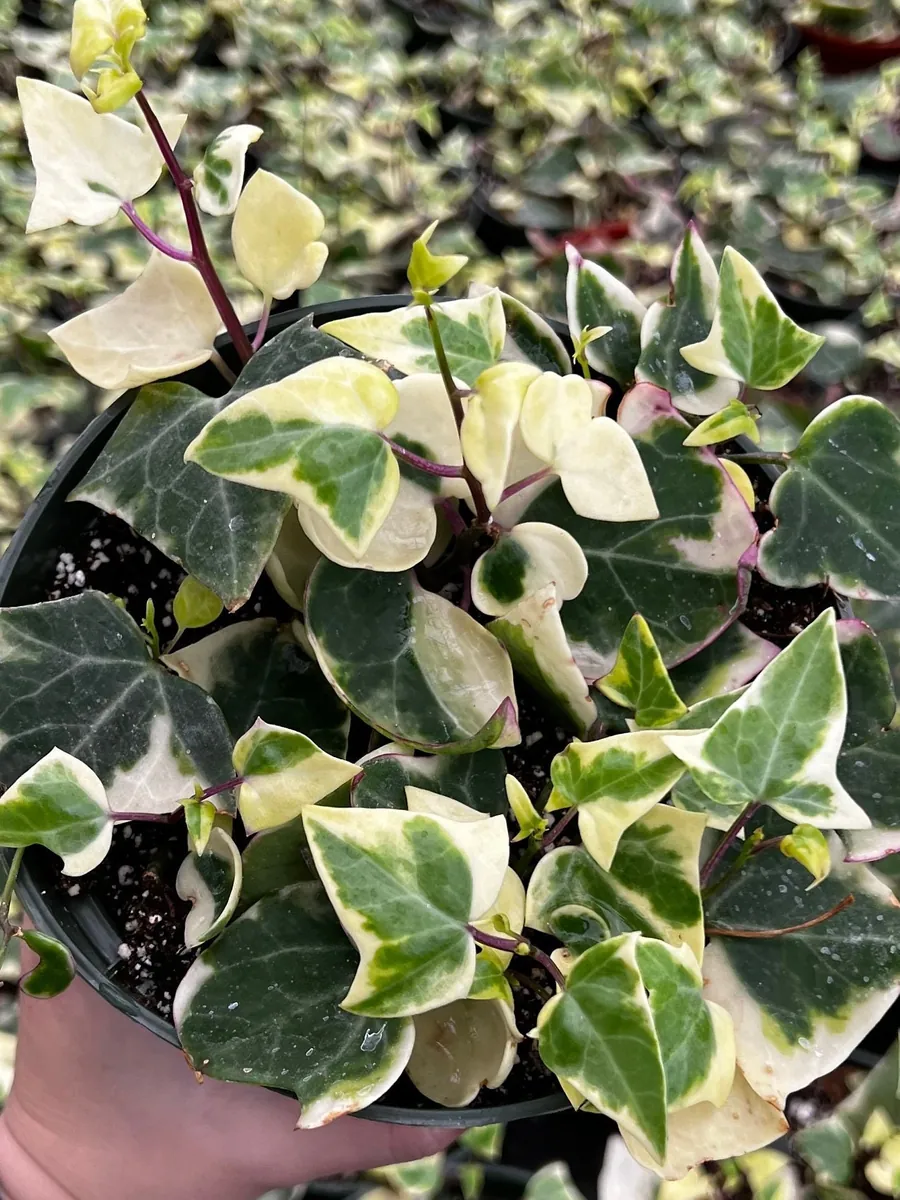
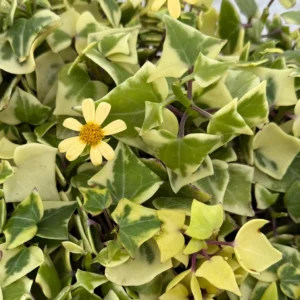
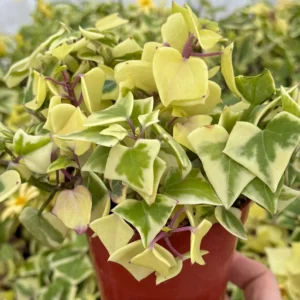
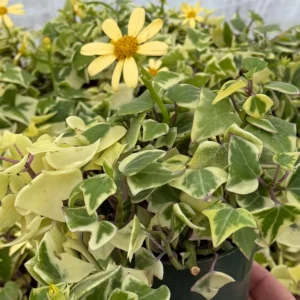
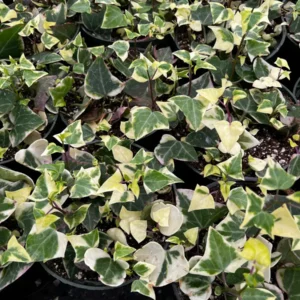
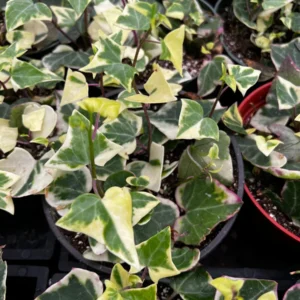
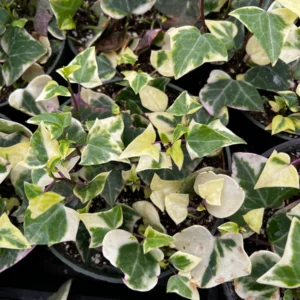
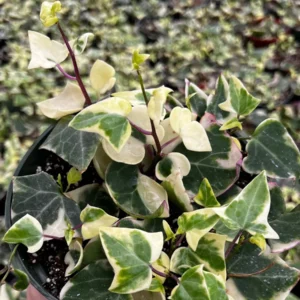
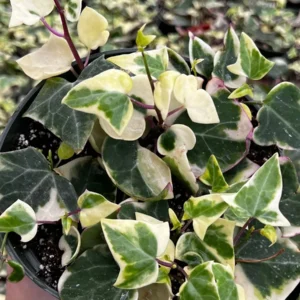
Variegated Wax Ivy Live Plant – Trailing Houseplant – 4″/6″ Pot
From $20.98
Enhance your home with a stunning variegated wax ivy plant, an easy care houseplant with beautiful silver-green foliage. This trailing plant indoor is perfect for shelves or hanging baskets, known for its air-purifying qualities and attractive appearance.
-
USDA Hardiness Zone
Year-round indoors (USDA zones 10-12 outdoors) -
Soil Type
Well-draining potting mix -
Sunlight Exposure
Bright indirect light -
Expected Planting Period
Year-round indoors

You can track your order HERE
Mar 20
Mar 25 - Mar 27
Mar 30 - Apr 03
Shipping and return policies: Our Alive & Thrive Guarantee covers issues with your plants within the first 30 days. Reach out to us. Our team will answer your questions and help you find the plants that are truly suitable for your environment, climate, and personal preferences.

Overview
Introduce a touch of natural elegance to your indoor spaces with the exquisite variegated wax ivy plant. Also known by its botanical name, Scindapsus pictus ‘Argyraeus’, or sometimes mistakenly as Silver Pothos, this tropical vine is celebrated for its stunning heart-shaped leaves. Each leaf is a masterpiece, featuring intricate variegation with shades of shimmering silver, lush green, and crisp white, creating a captivating visual display. Native to the humid climates of Southeast Asia, this plant brings a piece of the tropics into your home, offering both aesthetic beauty and practical benefits. As a live plant, it is ready to thrive in its new environment, providing immediate greenery and a calming presence. Its distinctive foliage and graceful trailing habit make it a highly sought-after addition for both novice and experienced plant enthusiasts.
The variegated wax ivy plant is a member of the Araceae family, which also boasts other popular indoor favorites like Monstera and Philodendron. Its climbing and trailing nature makes it incredibly versatile, ideal for draping from shelves, hanging baskets, or even training to climb a small trellis. Unlike many flowering plants, its primary appeal lies in its foliage, which remains vibrant and attractive year-round. This particular variety, Scindapsus pictus ‘Argyraeus’, is especially prized for its pronounced silver markings, giving it a sophisticated and almost metallic sheen. It’s not just a plant; it’s a living piece of art that continuously grows and evolves, adding dynamic beauty to any room.
Key Benefits
The variegated wax ivy plant offers numerous advantages that make it a superb choice for any indoor setting. Its combination of beauty, ease of care, and health benefits contributes significantly to a more pleasant living environment.
- Stunning Variegated Foliage: The heart-shaped leaves boast an eye-catching blend of silver, green, and white, making each leaf a unique work of art. This vibrant variegation adds a sophisticated touch to any decor.
- Air-Purifying Qualities: Beyond its beauty, this plant is known for its ability to filter common airborne toxins, including formaldehyde, benzene, and xylene. This makes it an excellent choice for improving indoor air quality and creating a healthier home.
- Easy Care Houseplant: This plant is remarkably low-maintenance, forgiving of occasional neglect, and adaptable to various indoor conditions. It’s an ideal option for busy individuals or those new to plant care, requiring minimal effort for maximum reward.
- Versatile Trailing Habit: With its long, graceful stems, the variegated wax ivy plant can be displayed in numerous ways. Let it trail elegantly from hanging baskets, cascade from shelves, or even climb a decorative support, adding vertical interest to your space.
- Adaptable Light Conditions: While it thrives in bright, indirect light, it can also tolerate lower light levels, offering flexibility in placement within your home. This adaptability makes it suitable for various rooms and lighting setups.
- Pet-Friendly Option: While it’s always best to keep plants away from pets, the variegated wax ivy is generally considered less toxic than some other popular houseplants, providing a safer option for homes with curious animals.
- Enhances Home Aesthetics: The rich texture and contrasting colors of its foliage provide a natural focal point, bringing life and tranquility into your living spaces. Its lush appearance creates a serene and inviting atmosphere.
Plant Care & Growing Tips
Caring for your variegated wax ivy plant is straightforward, making it an excellent choice for both beginners and experienced plant enthusiasts. Understanding its basic needs will ensure a healthy and vibrant specimen. This easy care houseplant thrives with consistent, but not overly demanding, attention.
Sunlight Requirements: The variegated wax ivy prefers bright, indirect light. Place it near a window that receives plenty of natural light but is shielded from direct, harsh sunlight, which can scorch its delicate leaves. An east or north-facing window is often ideal. While it can tolerate lower light conditions, the variegation may become less pronounced, and growth may slow down. Conversely, too much direct sun will fade the silver markings and potentially burn the foliage, so finding that sweet spot of filtered light is key for a truly vibrant scindapsus pictus argyraeus.
Watering Schedule and Soil Moisture: Allow the top inch or two of soil to dry out completely between waterings. Overwatering is a common issue for this plant and can lead to root rot. When you do water, do so thoroughly until water drains from the bottom of the pot. Reduce watering frequency during the cooler, darker winter months. The plant will communicate its needs; slightly drooping leaves can be a sign it’s thirsty. This trailing plant indoor appreciates consistency, but err on the side of underwatering rather than overwatering.
Soil Type and Drainage: A well-draining potting mix is crucial for the health of your variegated wax ivy. A standard indoor potting mix amended with perlite or orchid bark will provide the necessary aeration and drainage. Ensure the pot has drainage holes to prevent water from sitting at the bottom, which is vital for preventing root issues. Good drainage is paramount for this tropical vine.
Temperature Range and USDA Hardiness Zone: Being a tropical plant, the variegated wax ivy thrives in warm, consistent temperatures, ideally between 65-80°F (18-27°C). Avoid exposing it to temperatures below 60°F (15°C) or sudden cold drafts, as this can stress the plant. It is suitable for year-round indoor growth and is not typically grown outdoors in most of the US, though it could survive outdoors in USDA Zones 10-12 if protected from direct sun. This makes it a perfect air purifying plant for your home.
Fertilization: Feed your plant with a balanced liquid fertilizer diluted to half strength every 2-4 weeks during its active growing season (spring and summer). Reduce or cease fertilization during fall and winter when the plant’s growth naturally slows down. Over-fertilization can lead to nutrient burn, so always follow product instructions carefully.
Common Problems and Solutions: Yellowing leaves often indicate overwatering, while crispy brown edges suggest underwatering or low humidity. Pests like spider mites or mealybugs can occasionally be an issue; inspect your plant regularly and treat with neem oil or insecticidal soap if necessary. Keeping the foliage clean by gently wiping it with a damp cloth can also help prevent dust buildup and deter pests.
Size & Details
Our variegated wax ivy plant is available in various pot sizes, typically 4-inch and 6-inch nursery pots, making it suitable for immediate display or repotting into your preferred decorative container. The plant is shipped as a healthy, established live plant, carefully packaged to ensure its safe arrival. In a 4-inch pot, the plant usually features several trailing stems, reaching lengths of 6-12 inches, while the 6-inch pot offers a more mature plant with longer, fuller trails, often 12-24 inches or more. The individual leaves typically measure between 2 to 4 inches long and 1 to 3 inches wide, displaying their characteristic silver variegation.
This species is a moderate grower, with new growth appearing regularly under optimal conditions. Expect vigorous trailing stems that can extend several feet over time, making it an excellent choice for creating a lush, cascading effect. It does not produce showy flowers; its beauty lies entirely in its striking foliage. When you receive your easy care houseplant, it will be well-rooted and ready to continue its growth journey in your home. The plant’s compact nature when young makes it perfect for desk spaces, while its mature trailing habit is ideal for higher shelves or hanging planters, truly showcasing its elegance as an air purifying plant.
Frequently Asked Questions
- Q: How big does this plant get? A: The variegated wax ivy plant is a trailing vine whose stems can reach several feet in length, typically 3-6 feet or more with good care. Individual leaves are usually 2-4 inches long and 1-3 inches wide.
- Q: What size pot does it come in? A: This plant is offered in standard nursery pots, primarily 4-inch and 6-inch sizes, providing options for different stages of growth and immediate display.
- Q: Is this an indoor or outdoor plant? A: The variegated wax ivy plant is primarily grown as an indoor houseplant due to its tropical nature and sensitivity to cold. It thrives in typical indoor temperatures and humidity.
- Q: How much sunlight does it need? A: It prefers bright, indirect light. Direct sun can scorch the leaves and fade the variegation, while too little light may reduce the vibrancy of its silver markings.
- Q: Is this plant easy to care for? A: Yes, it is considered an easy care houseplant, making it suitable for beginners. It’s quite forgiving and adaptable, requiring minimal attention once its basic needs are met.
- Q: Is it good for beginners? A: Absolutely! Its resilience and straightforward care requirements make it an excellent choice for those new to plant parenting, offering a rewarding growing experience.
- Q: What condition will it arrive in? A: Your scindapsus pictus argyraeus will arrive as a healthy, live plant, carefully packaged to minimize stress during transit and ensure it reaches you in excellent condition.
- Q: Is it shipped in soil? A: Yes, all live plants, including the variegated wax ivy plant, are shipped securely in their nursery pots with appropriate soil to maintain hydration and stability.
- Q: Is it pet-safe? A: While generally considered less toxic than some other common houseplants, it’s always best to keep plants out of reach of curious pets to prevent any potential irritation if ingested.
- Q: How long until it blooms? A: The variegated wax ivy is primarily grown for its attractive foliage. It can produce small, insignificant white or yellowish flowers in summer, but these are not a prominent feature and are often unnoticeable.
- Q: What’s the minimum temperature it can tolerate? A: It thrives in temperatures between 65-80°F (18-27°C) and should not be exposed to temperatures below 60°F (15°C) to prevent cold stress.
- Q: Will it improve indoor air quality? A: Yes, this plant is known to help remove common indoor air pollutants like formaldehyde and benzene, making it an excellent air purifying plant for a healthier home environment.
| Size | 4", 6" |
|---|
Be the first to review “Variegated Wax Ivy Live Plant – Trailing Houseplant – 4″/6″ Pot”
People Also Viewed
Sold 100 products
Original price was: $24.35.$7.74Current price is: $7.74.
Sold 59 products
Original price was: $99.96.$49.98Current price is: $49.98.

Sold 61 products
Original price was: $90.00.$72.00Current price is: $72.00.
Sold 66 products
Original price was: $151.20.$75.60Current price is: $75.60.
Sold 70 products
Original price was: $355.96.$177.98Current price is: $177.98.
Sold 68 products
Original price was: $36.00.$28.80Current price is: $28.80.
Sold 82 products
Original price was: $39.98.$19.99Current price is: $19.99.
Sold 55 products
Original price was: $54.36.$27.18Current price is: $27.18.
Sold 81 products
Original price was: $30.78.$15.39Current price is: $15.39.
Sold 66 products
Original price was: $27.98.$13.99Current price is: $13.99.
Sold 80 products
Original price was: $27.98.$13.99Current price is: $13.99.
Flower Plants
Brunfelsia Floribunda Live Plant – Yesterday, Today, Tomorrow – 1 Plant – 1 Foot Tall – 6 Inch Pot
Sold 70 products
Original price was: $139.96.$69.98Current price is: $69.98.
Sold 80 products
Original price was: $65.98.$32.99Current price is: $32.99.
Sold 72 products
Original price was: $44.00.$35.20Current price is: $35.20.
Sold 84 products
Original price was: $47.58.$23.79Current price is: $23.79.

Sold 52 products
Original price was: $67.96.$33.98Current price is: $33.98.

Sold 79 products
From $22.99

Sold 64 products
From $99.80



Reviews
There are no reviews yet.