
Variegated Spider Plant (Chlorophytum) Live Houseplant – Easy Care Indoor
Original price was: $27.96.$13.98Current price is: $13.98.
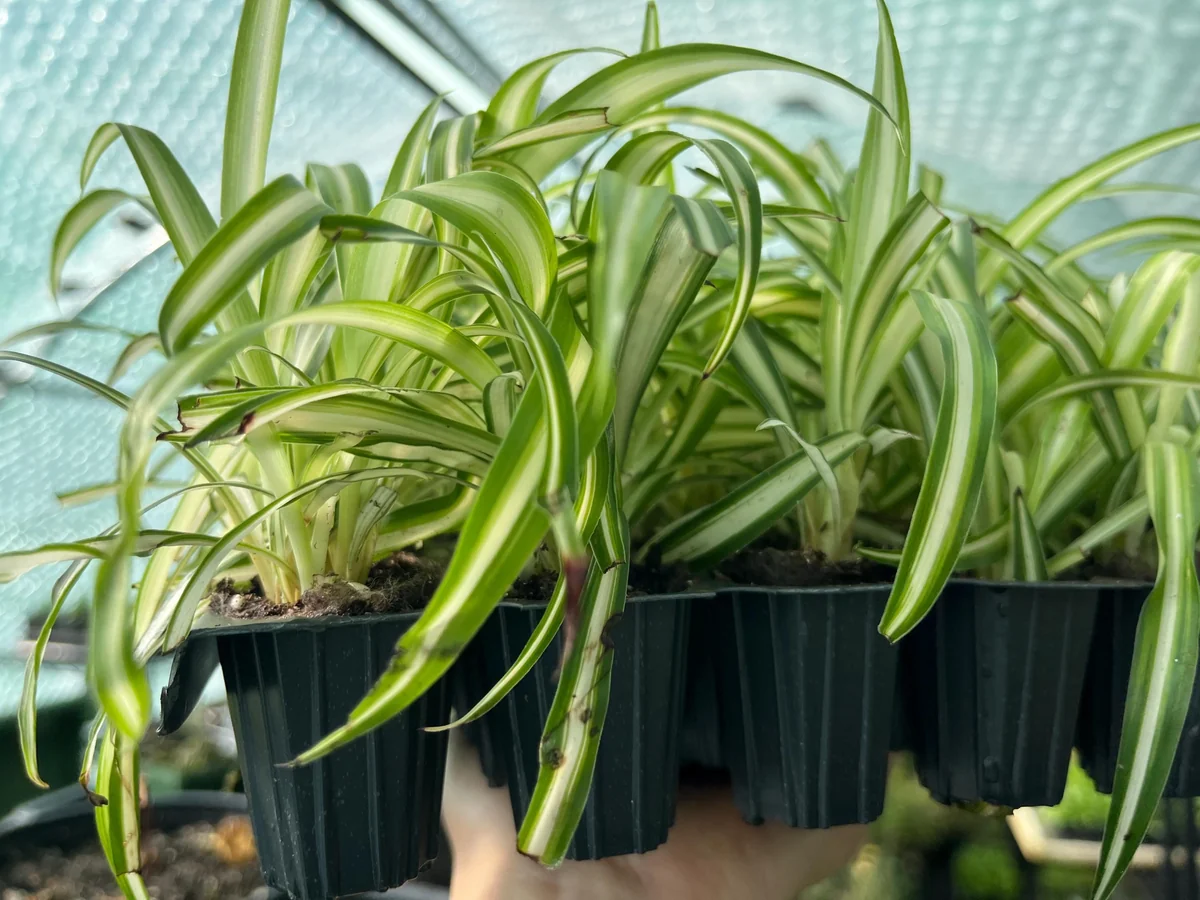
Bring home a beautiful variegated spider plant (Chlorophytum), an ideal easy care houseplant for any indoor space. Known for its striking foliage and air-purifying benefits, this chlorophytum live plant is perfect for beginners and seasoned plant enthusiasts alike. Enhance your home’s aesthetic with this vibrant indoor spider plant.
-
USDA Hardiness Zone
year-round indoors -
Soil Type
well-draining potting mix -
Sunlight Exposure
bright indirect light -
Expected Planting Period
year-round indoors

You can track your order HERE
Mar 02
Mar 07 - Mar 09
Mar 12 - Mar 16
Shipping and return policies: Our Alive & Thrive Guarantee covers issues with your plants within the first 30 days. Reach out to us. Our team will answer your questions and help you find the plants that are truly suitable for your environment, climate, and personal preferences.

Overview
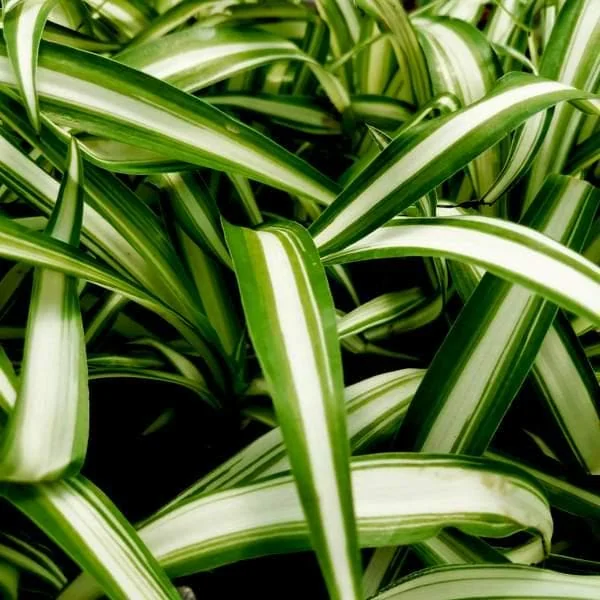
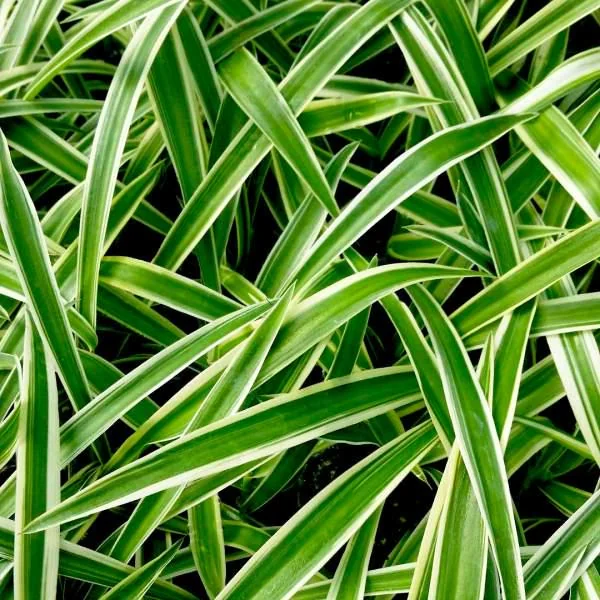
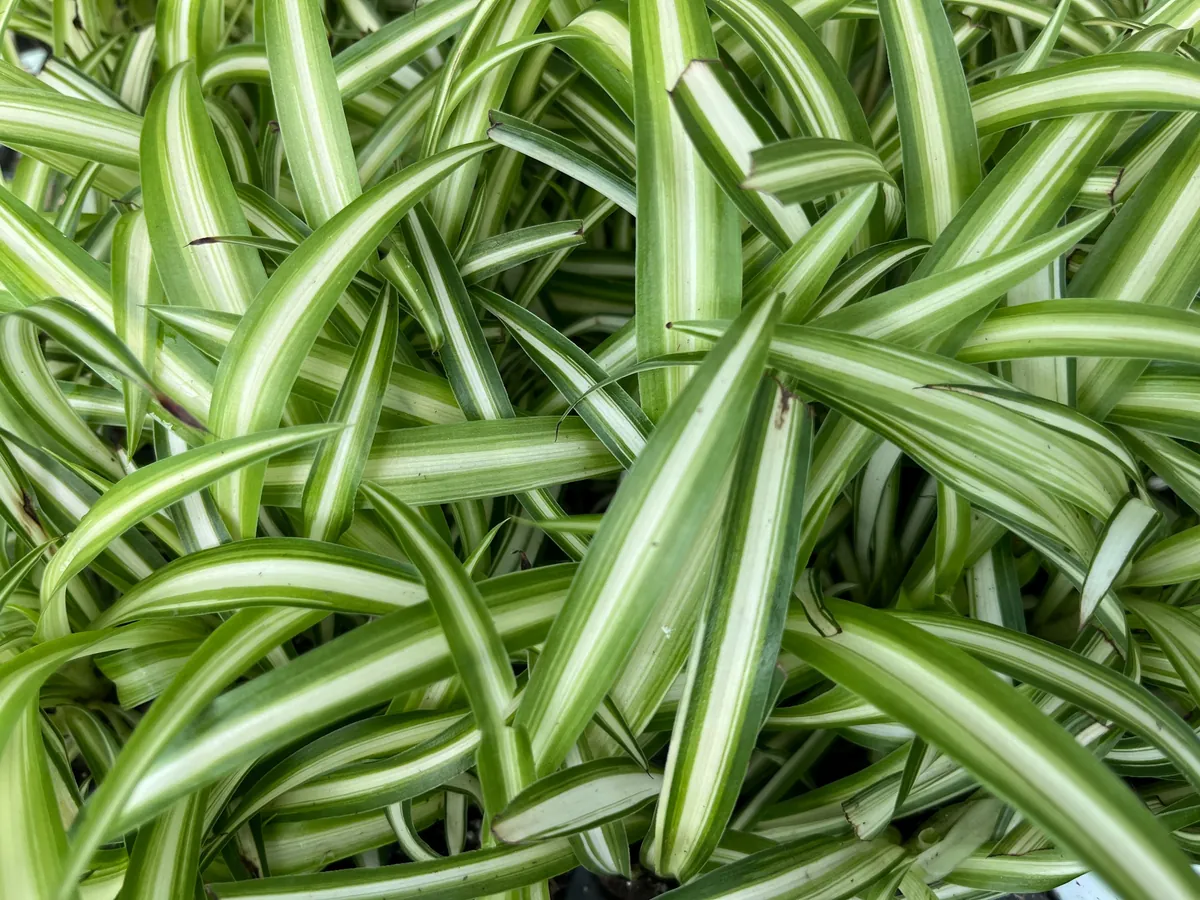
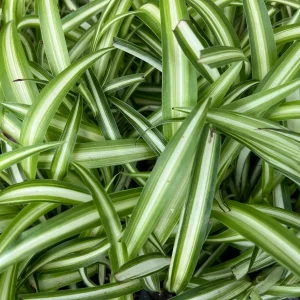
The variegated spider plant (Chlorophytum comosum ‘Vittatum’ or ‘Variegatum’) is a highly popular and resilient chlorophytum live plant cherished for its distinctive arching leaves with creamy white or yellow stripes down the center or along the edges. Native to South Africa, this charming plant is not only aesthetically pleasing but also renowned for its remarkable air-purifying capabilities, making it one of the best natural air filters for your home. Its ease of care makes it an excellent choice for both novice and experienced gardeners, thriving in a variety of indoor conditions. Each variegated spider plant arrives ready to enhance your living space with its lush greenery and cascading plantlets.
Known by its scientific name, Chlorophytum comosum, the spider plant gets its common name from the spider-like plantlets, or ‘pups,’ that dangle from the mature plant like spiders on a web. These pups can be easily propagated, allowing you to expand your collection or share with friends. This easy care houseplant is incredibly forgiving, tolerating occasional neglect and making it nearly impossible to kill, solidifying its reputation as a perfect starter plant for anyone looking to add some green to their indoor environment.
Key Benefits
The variegated spider plant offers a multitude of benefits beyond its striking appearance, contributing positively to your home environment and well-being. This resilient chlorophytum live plant is truly a gem for any indoor garden.
- Exceptional Air Purification: NASA studies have shown that spider plants are highly effective at removing harmful toxins from the air, including formaldehyde and xylene. This makes your indoor spider plant a powerful natural air filter, contributing to a healthier living space.
- Low Maintenance & Forgiving: Perfect for beginners or those with busy schedules, the variegated spider plant requires minimal attention. It can tolerate occasional missed waterings and a range of light conditions, proving itself as a truly easy care houseplant.
- Visually Appealing Foliage: The distinctive variegated leaves, with their vibrant green and creamy white stripes, add an elegant touch to any room. Its arching form and cascading plantlets create dynamic visual interest, whether placed on a shelf, in a hanging basket, or on a desk.
- Easy Propagation: Mature spider plants readily produce ‘pups’ or plantlets, which can be easily detached and rooted to create new plants. This allows for endless propagation, making it simple to share the beauty of your variegated spider plant with others or grow your collection.
- Pet-Friendly Nature: Unlike many common houseplants that can be toxic, the spider plant is widely considered non-toxic to cats and dogs. This makes it a safe choice for homes with pets, providing peace of mind while enjoying its lush greenery.
- Adaptable to Various Conditions: This versatile plant can thrive in a range of indoor environments, adapting well to different light levels and humidity. Its robust nature ensures it remains a vibrant addition to your home for years to come.
- Stress Reduction: The presence of indoor plants, including the variegated spider plant, has been linked to reduced stress levels and improved mood, contributing to a more calming and pleasant home atmosphere.
Plant Care & Growing Tips
Caring for your variegated spider plant is straightforward, making it an ideal choice for both seasoned plant enthusiasts and those new to gardening. These resilient plants are quite forgiving and can thrive with minimal attention, solidifying their reputation as an easy care houseplant. For optimal growth, provide bright, indirect light. Direct sunlight can scorch their leaves, causing brown tips, while too little light can diminish the variegation. An east or north-facing window is often ideal, or a spot a few feet away from a south or west-facing window. Ensure good air circulation around your chlorophytum live plant to prevent fungal issues.
Watering is key to a healthy indoor spider plant. Allow the top inch or two of soil to dry out completely between waterings. Overwatering is a common mistake and can lead to root rot, so it’s always better to err on the side of underwatering. When you do water, do so thoroughly until water drains from the bottom of the pot. Ensure your pot has drainage holes. Spider plants prefer well-draining potting mix; a standard indoor potting soil amended with perlite or sand works well. They tolerate cooler temperatures, thriving down to 50 degrees Fahrenheit, making them suitable for most household environments. Fertilize monthly during the spring and summer growing season with a balanced liquid houseplant fertilizer diluted to half strength. Reduce feeding in fall and winter when the plant’s growth slows. Keep an eye out for botrytis, a gray rot, especially during shorter, humid days. This can be prevented by ensuring good airflow, allowing the soil to dry between waterings, and proper spacing.
Size & Details
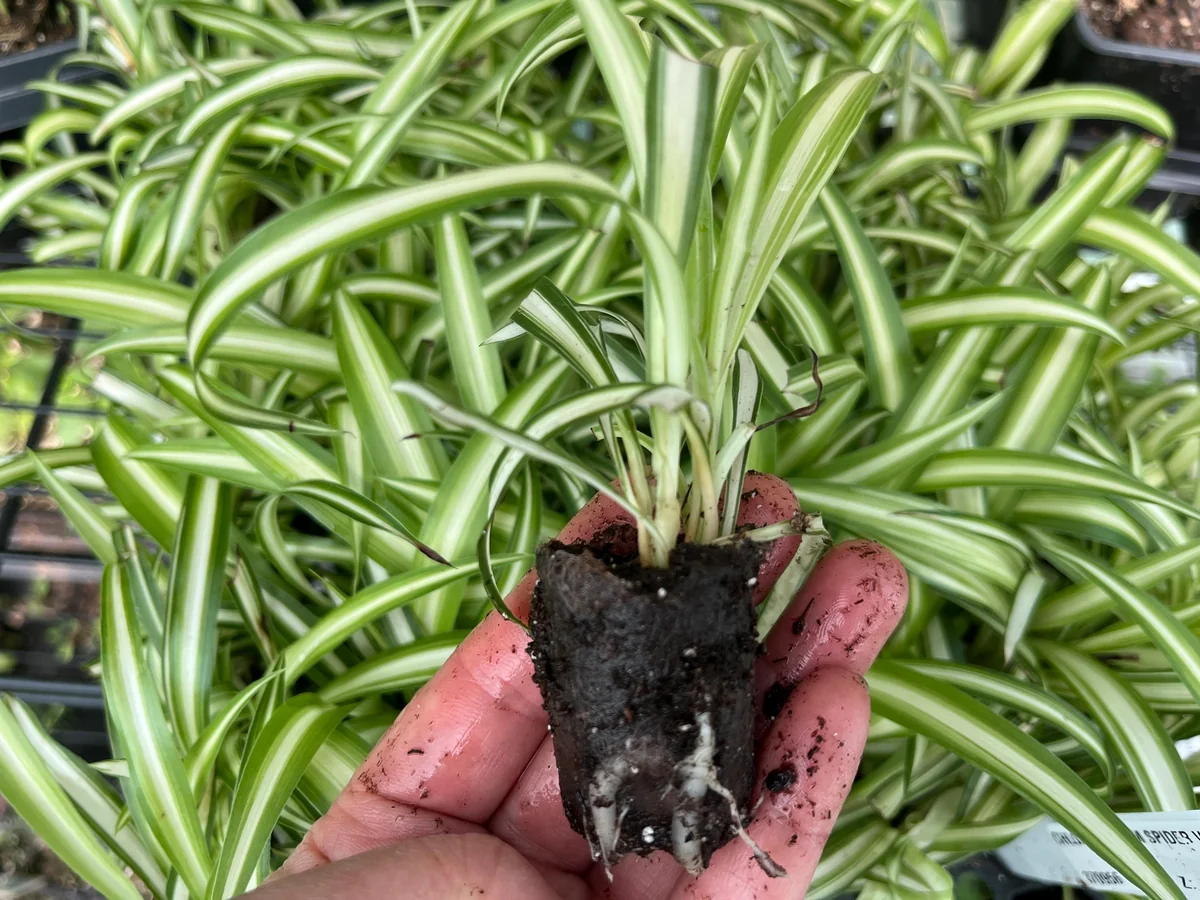
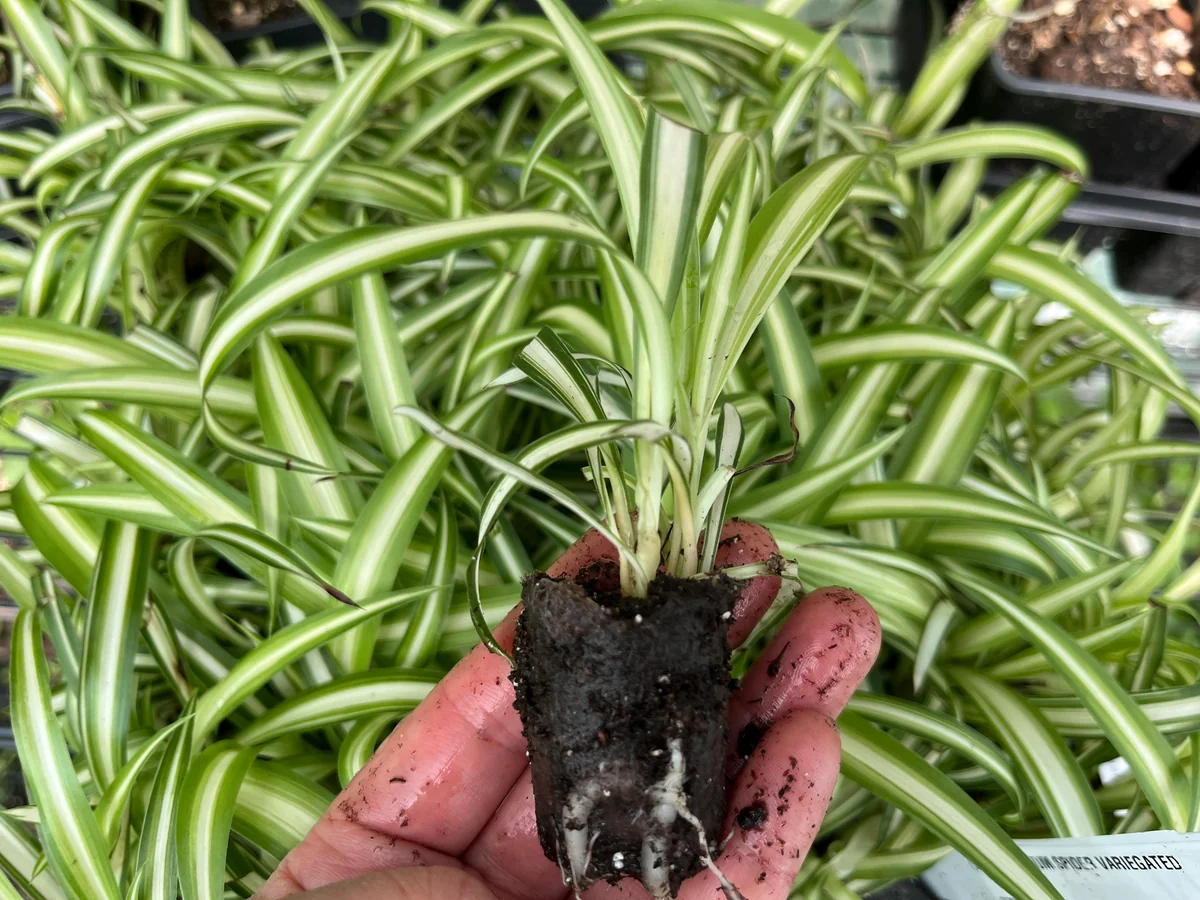
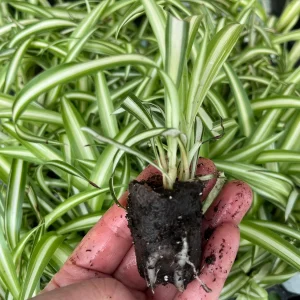
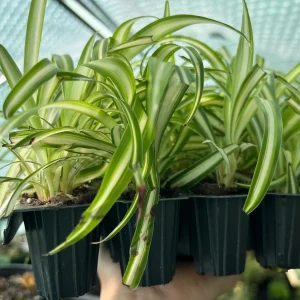
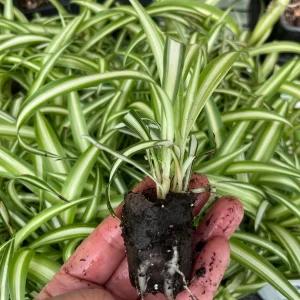
Each variegated spider plant is a vibrant chlorophytum live plant, typically shipped in a small plug-size nursery pot, approximately 1.23 inches by 1.89 inches. These young plants are healthy and ready to be transplanted into a slightly larger pot upon arrival, allowing them space to grow. Mature spider plants can develop leaves up to 2 feet long, with numerous plantlets cascading from the main plant, creating an impressive display. The growth rate is moderate, and with proper care, your indoor spider plant will quickly establish itself and begin producing its characteristic ‘pups’.
This easy care houseplant is delivered as a live specimen, with variations in size and appearance expected due to its natural growth. While specific dimensions at the time of purchase may vary, you can anticipate a vigorous young plant that will rapidly mature into a striking addition to your home. The plantlets are a sign of a healthy, thriving spider plant and can be easily removed for propagation, giving you even more plants to enjoy.
Frequently Asked Questions
- Q: How big does this variegated spider plant get? A: A mature variegated spider plant can have leaves that reach up to 2 feet in length, with plantlets extending even further. Its overall size depends on the pot size and growing conditions you provide.
- Q: What size pot does the plant come in? A: Each chlorophytum live plant is typically shipped in a small, plug-size nursery pot, measuring approximately 1.23 inches by 1.89 inches, ready for you to transplant into a larger container.
- Q: Is this an indoor spider plant or an outdoor plant? A: The variegated spider plant is primarily grown as an indoor houseplant in most climates. It can be moved outdoors in shaded areas during warm summer months but should be brought inside before temperatures drop below 50 degrees Fahrenheit.
- Q: How much sunlight does the variegated spider plant need? A: This easy care houseplant thrives in bright, indirect light. Avoid direct sunlight, which can scorch its leaves. A spot near an east or north-facing window is often ideal.
- Q: Is this plant easy to care for? A: Yes, the variegated spider plant is considered one of the easiest houseplants to care for, making it an excellent choice for beginners or those seeking a low-maintenance option. It’s very forgiving of occasional neglect.
- Q: What condition will the chlorophytum live plant arrive in? A: Your plant will arrive healthy, though it may experience some normal shipping stress. We recommend unpacking it promptly and providing it with light and water to help it recover.
- Q: Is the variegated spider plant pet-safe? A: Yes, spider plants are generally considered non-toxic to cats and dogs, making them a safe choice for homes with pets.
- Q: How often should I water my indoor spider plant? A: Water your spider plant when the top 1-2 inches of soil feel dry to the touch. It’s better to underwater slightly than to overwater, which can lead to root rot.
- Q: Can I propagate the plantlets? A: Absolutely! The ‘pups’ or plantlets produced by a mature variegated spider plant can be easily rooted in water or soil to create new plants, expanding your collection or sharing with others.
- Q: What type of soil is best for this easy care houseplant? A: A well-draining potting mix is best. A standard indoor potting soil mixed with perlite or sand will provide the ideal drainage and aeration for your spider plant.
| Variety | Spider Reverse, Spider Variegated |
|---|
Be the first to review “Variegated Spider Plant (Chlorophytum) Live Houseplant – Easy Care Indoor”
People Also Viewed
Sold 63 products
Original price was: $91.98.$45.99Current price is: $45.99.
Flower Plants
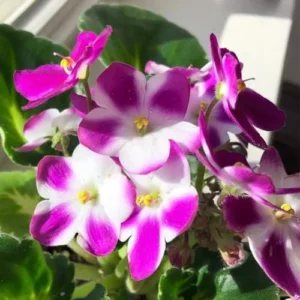
African Violet Live Plant – Pink White Flower Houseplant 4 Inch Pot Indoor Ready to Grow
Sold 77 products
Original price was: $63.98.$31.99Current price is: $31.99.
Sold 55 products
$35.18
Sold 100 products
From $67.80
Sold 88 products
Original price was: $75.96.$37.98Current price is: $37.98.
Sold 81 products
Original price was: $33.56.$16.78Current price is: $16.78.
Sold 81 products
From $6.84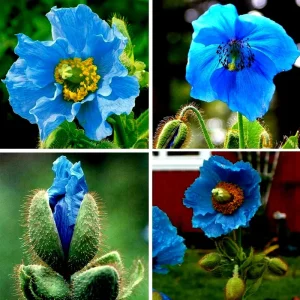
Flower Seeds
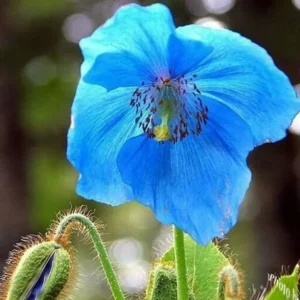
Himalayan Blue Poppy Seeds – Meconopsis Grandis Perennial Flower Seeds – Blue Flowering, Easy Grow
Sold 100 products
From $4.06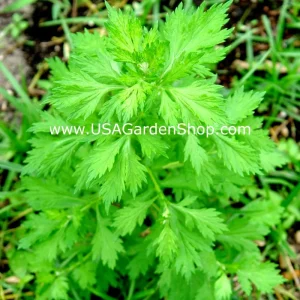
Herbs
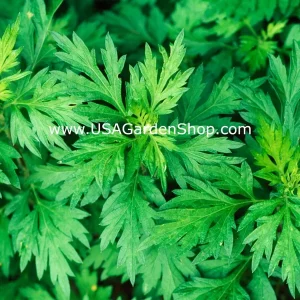
Mugwort Live Plant – Artemisia Ngai Cuu Yomogi Argyi – Silvery Wormwood – Indoor/Outdoor – 1ft Tall
Sold 53 products
From $4.24
Sold 96 products
Original price was: $73.28.$36.64Current price is: $36.64.

Sold 50 products
From $55.96

Sold 91 products
Original price was: $75.80.$37.90Current price is: $37.90.
Sold 70 products
Original price was: $95.96.$47.98Current price is: $47.98.
Sold 72 products
Original price was: $28.76.$14.38Current price is: $14.38.
Sold 74 products
From $51.80
Sold 69 products
Original price was: $39.98.$19.99Current price is: $19.99.
Sold 84 products
Original price was: $62.76.$31.38Current price is: $31.38.
Sold 82 products
Original price was: $28.76.$14.38Current price is: $14.38.


Reviews
There are no reviews yet.