
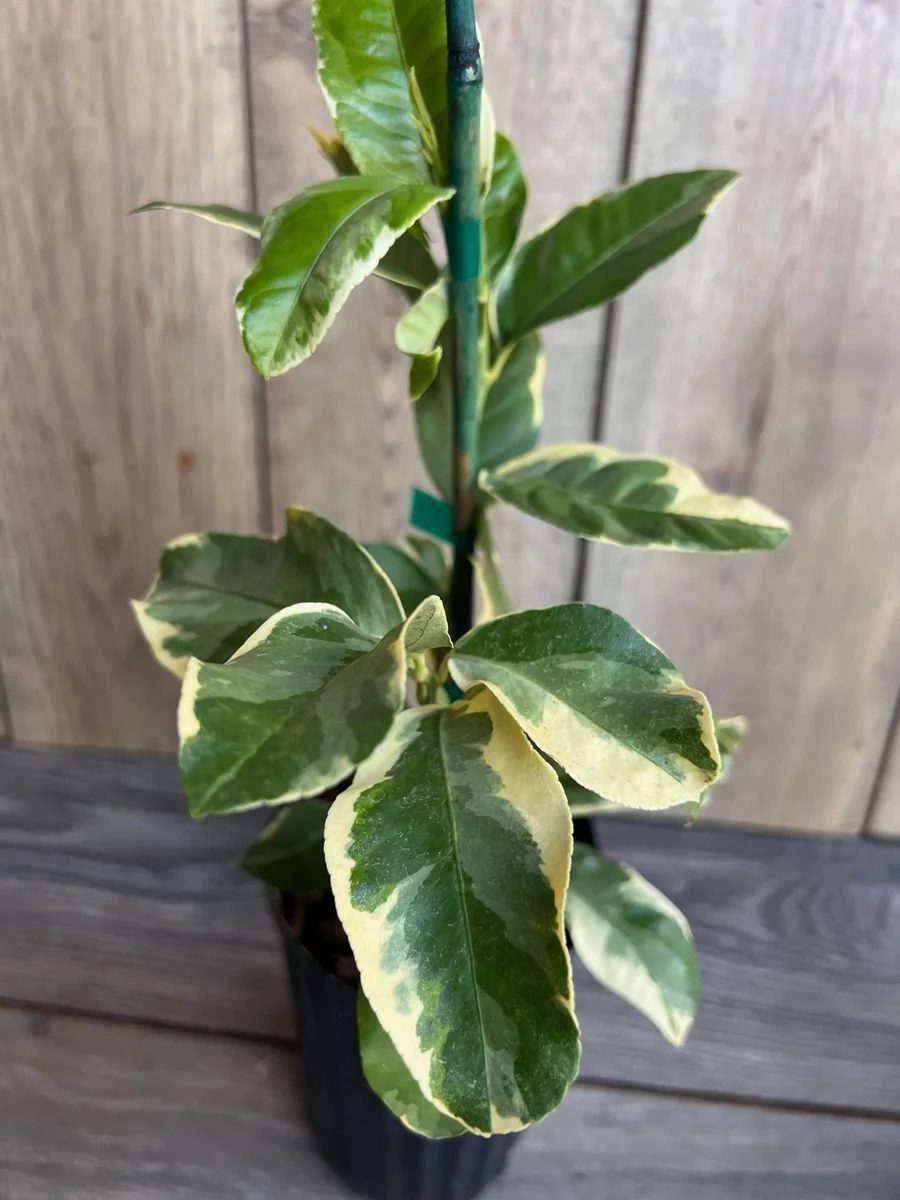
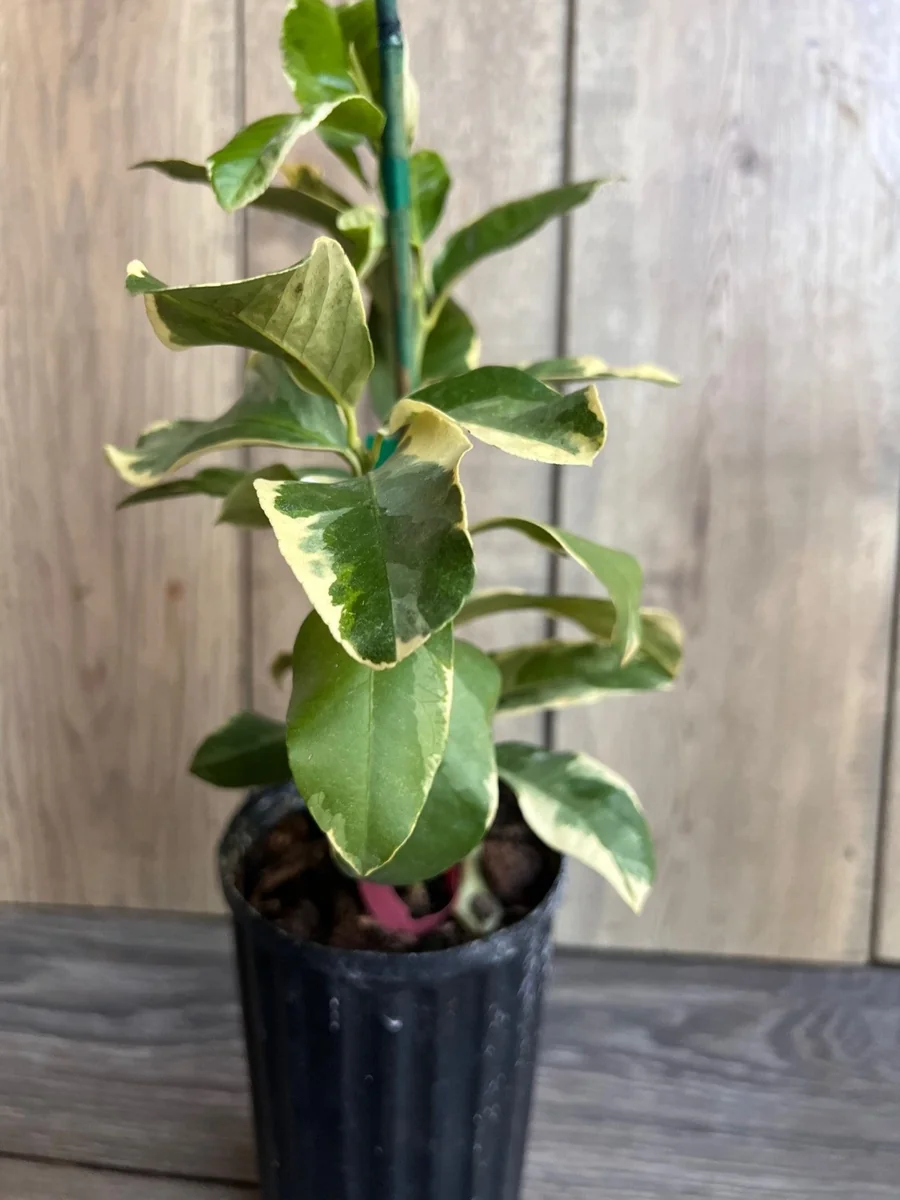
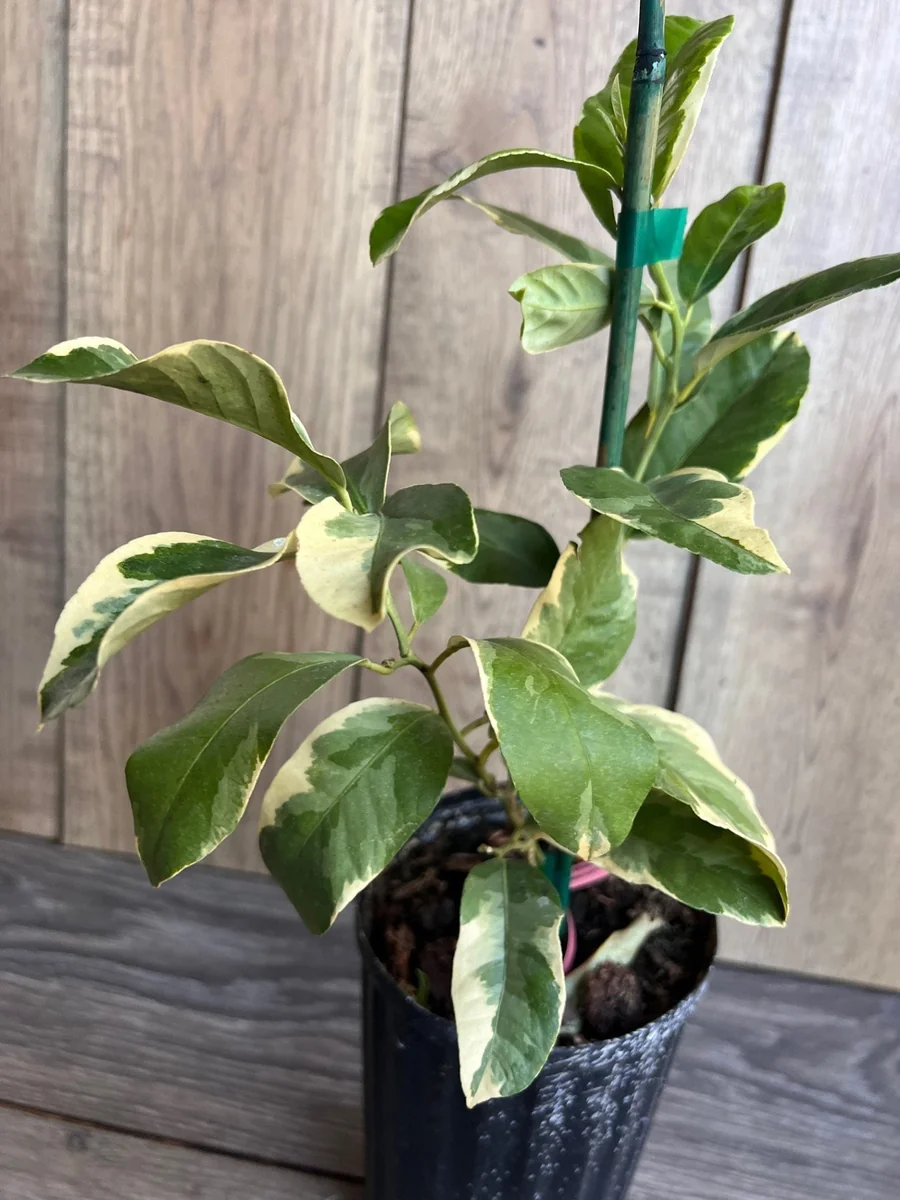
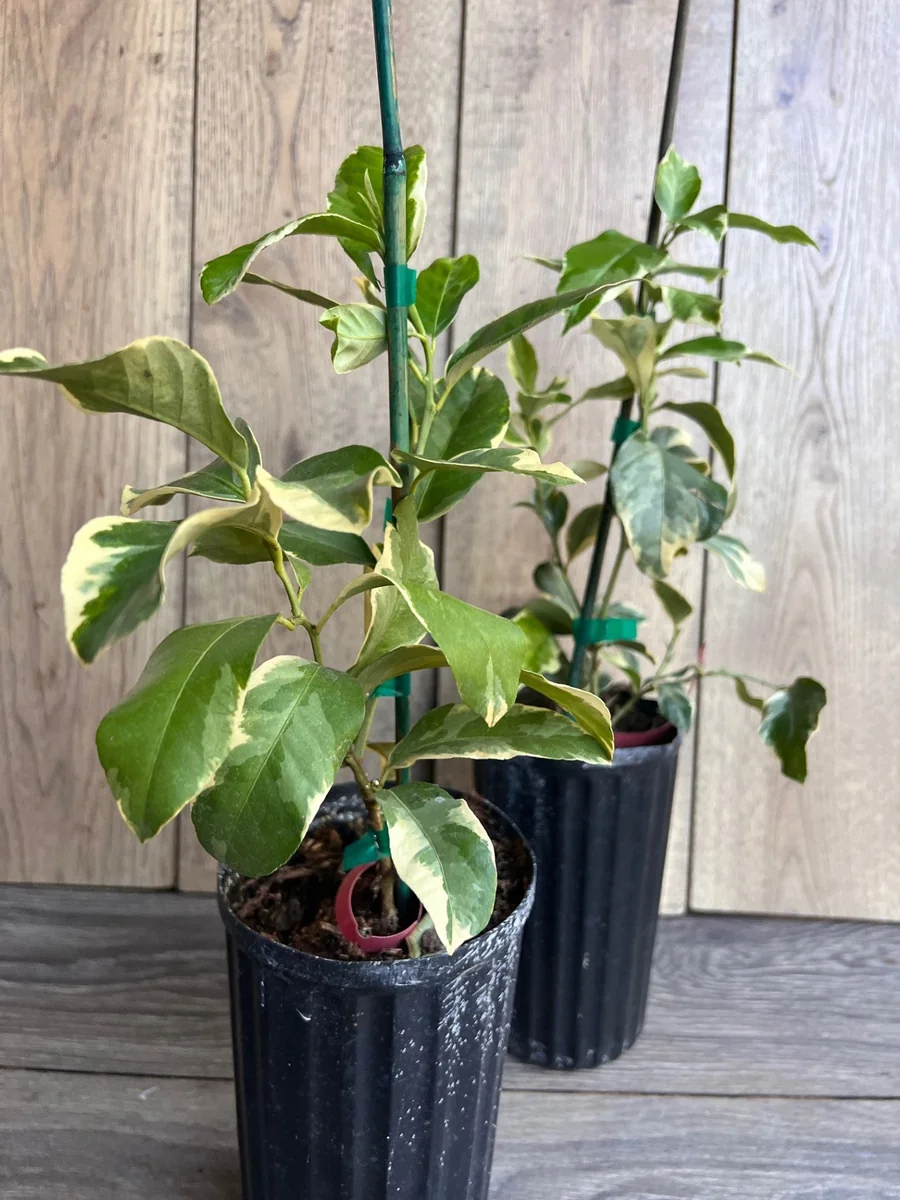
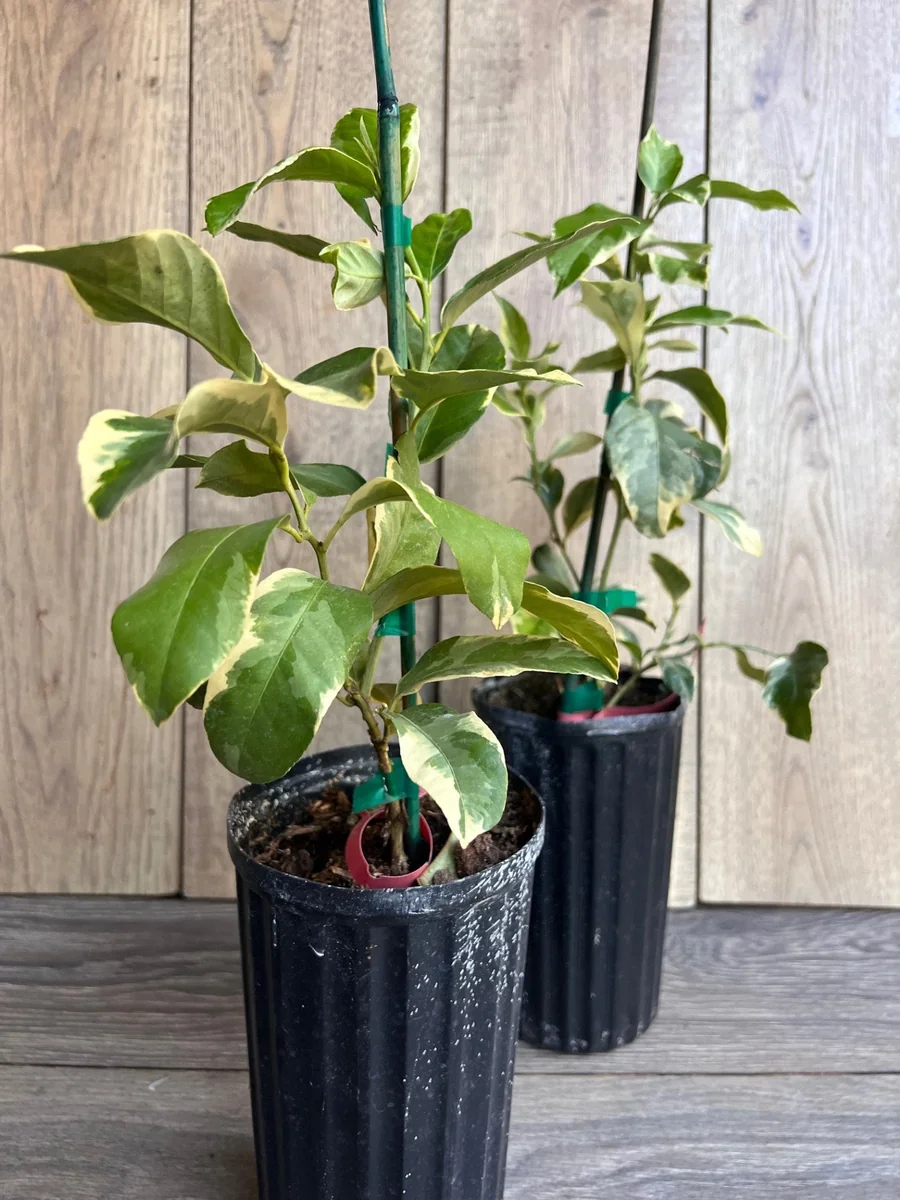
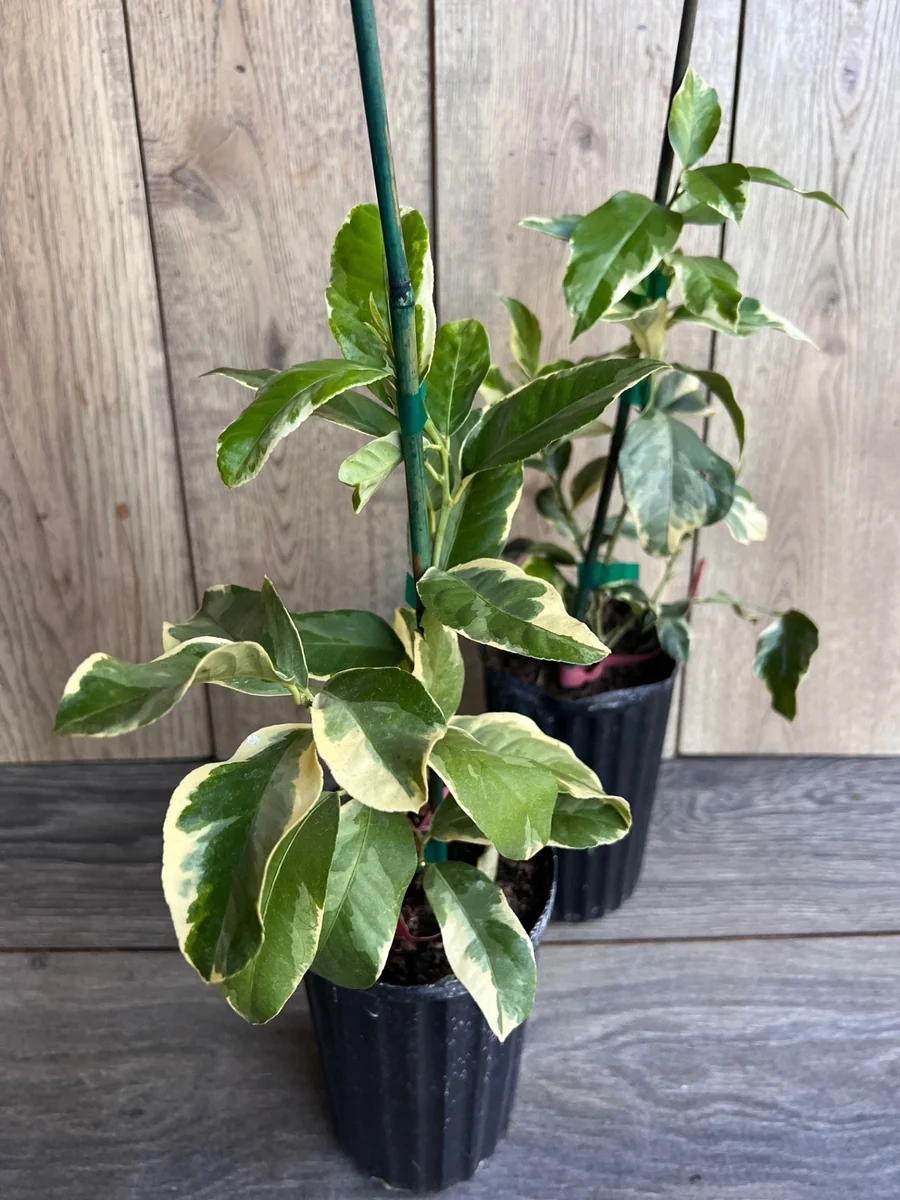
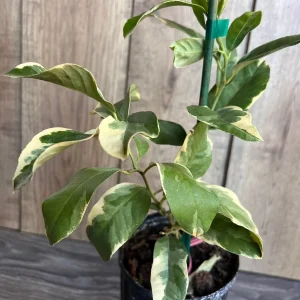
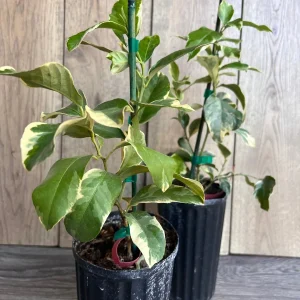
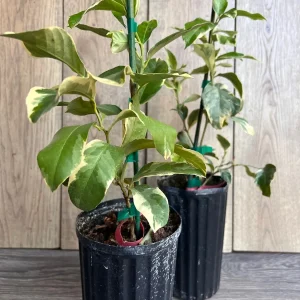
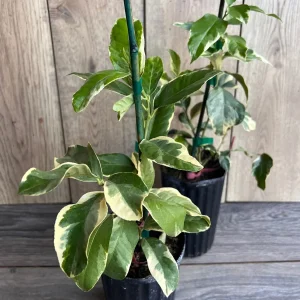
Variegated Pink Lemon Live Plant – 1/2 Gallon Pot – Indoor/Outdoor Fruit Tree
Original price was: $105.80.$63.48Current price is: $63.48.
Cultivate your own unique citrus with this variegated pink lemon live plant, supplied in a 1/2 gallon pot. Known for its stunning pink-tinged fruit and attractive foliage, this pink eureka lemon is perfect for adding beauty and flavor to your home or garden. Ideal for container growing or planting in suitable zones.
-
USDA Hardiness Zone
USDA Zones 8-10 -
Soil Type
Well-draining citrus or cactus mix -
Sunlight Exposure
Full sun (6+ hours direct light) -
Expected Planting Period
Year-round indoors, Spring to early Summer outdoors

You can track your order HERE
Mar 17
Mar 22 - Mar 24
Mar 27 - Mar 31
Shipping and return policies: Our Alive & Thrive Guarantee covers issues with your plants within the first 30 days. Reach out to us. Our team will answer your questions and help you find the plants that are truly suitable for your environment, climate, and personal preferences.

Overview
Introduce an extraordinary citrus variety to your home or garden with the variegated pink lemon live plant. This unique and captivating tree, often referred to as the “Pink Lemon” or pink eureka lemon, is celebrated for its distinctive pink-fleshed fruit and eye-catching variegated foliage. Originally from Burbank, California, this cultivar is a delightful addition for any plant enthusiast or home chef. Shipped in a convenient 1/2 gallon pot, this young tree is ready to bring a touch of tropical elegance and gourmet appeal to your space.
The Variegated Pink Lemon is not just a fruit producer; it’s a statement piece. Its leaves display beautiful splashes of cream and green, while the fruit matures with a subtle green-striped rind before revealing its vibrant pink interior. Imagine the culinary possibilities, from crafting exquisite pink lemonade to garnishing cocktails and desserts. This variegated pink lemon live plant promises both aesthetic charm and delicious, unique fruit.
Key Benefits
Owning a variegated pink lemon live plant offers a multitude of advantages, blending ornamental beauty with practical culinary uses. It’s a fantastic choice for those looking to grow something truly special.
- Unique Fruit Production: Enjoy vibrant, pink-fleshed lemons perfect for gourmet dishes, cocktails, and the best pink lemonade. The distinct color adds a festive touch to any culinary creation, making your dishes stand out.
- Stunning Variegated Foliage: The green and cream-splashed leaves provide year-round visual interest, making this tree an attractive ornamental plant even when not in fruit. It adds a tropical and exotic feel to any setting.
- Versatile Growing Options: This variegated pink lemon live plant can thrive in containers, allowing it to be moved indoors during colder months, or planted directly in the ground in warmer climates. This flexibility makes it suitable for various living situations.
- Fragrant Blooms: Like many citrus trees, the Variegated Pink Lemon produces wonderfully fragrant white blossoms, filling your space with a delightful scent, especially during flowering season.
- Homegrown Freshness: Experience the satisfaction of harvesting fresh, flavorful lemons directly from your own tree, ensuring you have organic and high-quality fruit readily available. Growing your own also reduces your carbon footprint associated with transportation.
- Educational and Rewarding: Caring for a growing pink lemon tree is a rewarding experience, offering insights into plant growth and fruit development. It’s an excellent project for gardeners of all skill levels, from beginners to experienced horticulturists.
Plant Care & Growing Tips
To ensure your variegated pink lemon live plant thrives, understanding its specific care requirements is essential. This tropical plant prefers warm conditions and ample sunlight to produce its best fruit and maintain its vibrant foliage. Proper care will lead to a healthy, productive tree that brings joy for years.
Sunlight: Variegated pink lemon live plant trees are sun-loving and require at least six hours of direct sunlight per day. If growing indoors, place it in your brightest window, preferably south-facing, and supplement with a grow light, especially during winter months. For outdoor planting, choose a location that receives full sun. In regions where temperatures consistently exceed 90°F, especially for younger trees, provide some afternoon shade to prevent wilting and heat stress.
Watering & Soil: The most crucial aspect of variegated lemon tree care is proper watering. These trees do not like “wet feet,” which can lead to root rot. Use a well-draining soil mix, such as a cactus mix or a specialty citrus potting mix, if planting in containers. Water thoroughly when the top two inches of soil feel dry to the touch, allowing excess water to drain completely. Reduce watering frequency during cooler months. If planting in the ground, ensure the site has excellent drainage.
Temperature & Hardiness: This tree thrives in warm climates and is suitable for USDA Zones 8-10 when planted outdoors. If you live in a colder zone, it’s best to grow your lemon tree in container so it can be moved indoors before the first frost. Protect the plant from temperatures below 30°F. Indoors, maintain a consistent temperature above 50°F.
Fertilization: Like all plants, citrus trees need nutrients. Fertilize your variegated pink lemon live plant regularly during the growing season (spring through fall) with a high-nitrogen fertilizer specifically formulated for citrus trees. Look for an N-P-K ratio that emphasizes nitrogen to support leaf growth and fruit development. Follow the product instructions for application rates and frequency.
Size & Details
This variegated pink lemon live plant is supplied in a 1/2 gallon nursery pot, making it a convenient size for immediate planting or transplanting into a larger container. At this stage, the young tree is typically 12-18 inches tall, with a healthy root system ready to establish itself in its new home. It is air-layered, ensuring a robust start. The tree exhibits the characteristic variegated foliage, indicating its unique genetic traits. With proper care, it will grow into a medium-sized tree, capable of producing a generous harvest of pink lemons. Expect a moderate growth rate, with fruit production typically beginning within 1-3 years of planting, depending on environmental conditions and care. This growing pink lemon tree will mature to a manageable size, making it suitable for both spacious gardens and smaller patios.
Frequently Asked Questions
- Q: How big does this variegated pink lemon live plant get? A: When grown in the ground in ideal conditions, a Variegated Pink Lemon tree can reach 10-15 feet tall. However, when grown in a container, its size can be easily managed through pruning, typically staying between 5-8 feet tall, making it perfect for patios or indoor spaces.
- Q: What size pot does the plant come in? A: This variegated pink lemon live plant is shipped in a 1/2 gallon nursery pot, which is an excellent starting size for a young citrus tree. You can keep it in this pot for a short period or immediately transplant it into a larger container or the ground.
- Q: Is this an indoor or outdoor plant? A: The Variegated Pink Lemon can be grown both indoors and outdoors. It thrives outdoors in USDA Zones 8-10. In colder climates, it is best grown as a lemon tree in container, allowing you to bring it indoors during winter to protect it from frost.
- Q: How much sunlight does it need? A: This citrus tree requires at least 6 hours of direct sunlight daily for optimal growth and fruit production. If growing indoors, place it in the sunniest window available, and consider supplemental grow lights.
- Q: Is this plant easy to care for? A: With proper attention to its specific needs for sunlight, well-draining soil, and consistent watering, the variegated pink lemon live plant is relatively easy to care for. It’s a rewarding plant for both novice and experienced gardeners.
- Q: What condition will it arrive in? A: Your Variegated Pink Lemon will arrive as a healthy, air-layered live plant in its 1/2 gallon pot, similar to the product pictures. We take great care in packaging to ensure it reaches you in excellent condition, ready for planting.
- Q: Can I use the variegated pink lemons in cooking? A: Absolutely! The pink-fleshed lemons are perfect for all culinary uses where regular lemons are used, plus they add a unique visual appeal. They are excellent for making pink lemonade, garnishing drinks, or adding zest to dishes.
- Q: When is the best time to plant a growing pink lemon tree? A: If planting outdoors in suitable zones, spring is generally the best time, allowing the tree to establish before the heat of summer. For container planting, it can be done year-round, simply ensure it has adequate light and warmth.
- Q: What kind of soil is best for variegated lemon tree care? A: Well-draining soil is crucial. A good quality potting mix specifically designed for citrus or a cactus/succulent mix amended with some extra perlite or pumice works well for container planting. In-ground planting requires a site with good drainage.
- Q: Will it survive winter in my zone? A: If you are in USDA Zones 8-10, the tree can likely survive winter outdoors. In zones colder than 8, it must be protected from frost, either by bringing it indoors or providing significant winter protection.
Be the first to review “Variegated Pink Lemon Live Plant – 1/2 Gallon Pot – Indoor/Outdoor Fruit Tree”
People Also Viewed
Sold 51 products
Original price was: $28.00.$22.40Current price is: $22.40.
Sold 71 products
From $19.99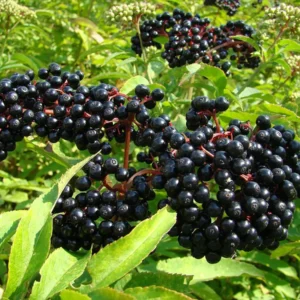
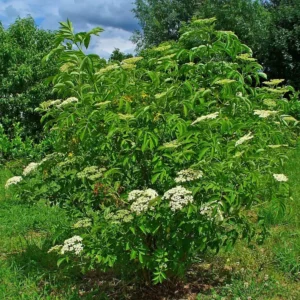
Shrubs
American Elderberry Live Plant – Sambucus canadensis – Bareroot – 12-18 inches – USDA Zones 3-9
Sold 70 products
Original price was: $99.80.$49.90Current price is: $49.90.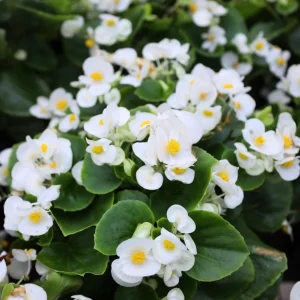
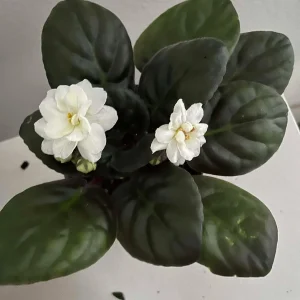
Sold 64 products
Original price was: $39.99.$25.99Current price is: $25.99.
Sold 95 products
Original price was: $28.99.$8.99Current price is: $8.99.
Sold 82 products
Original price was: $39.98.$19.99Current price is: $19.99.
Sold 88 products
$41.78
Sold 82 products
Original price was: $380.00.$190.00Current price is: $190.00.
Sold 53 products
Original price was: $100.00.$80.00Current price is: $80.00.
Flower Plants
Heliotrope Fragrant Delight Live Plants – Set of 2, 3-6″ Tall, Violet Fragrant Flowers
Sold 78 products
Original price was: $41.97.$13.99Current price is: $13.99.
Sold 61 products
Original price was: $150.00.$120.00Current price is: $120.00.
Sold 68 products
Original price was: $23.99.$13.99Current price is: $13.99.
Sold 67 products
Original price was: $300.00.$150.00Current price is: $150.00.
Sold 54 products
From $51.00
Sold 86 products
Original price was: $88.00.$44.00Current price is: $44.00.
Sold 100 products
Original price was: $213.58.$128.14Current price is: $128.14.
Sold 69 products
Original price was: $28.76.$14.38Current price is: $14.38.
Fruits
5 Thornless Blackberry Plants – Live Berry Plants – Primocane Fruiting Plugs – Large Sweet Berries
Sold 59 products
Original price was: $191.80.$95.90Current price is: $95.90.



Reviews
There are no reviews yet.