
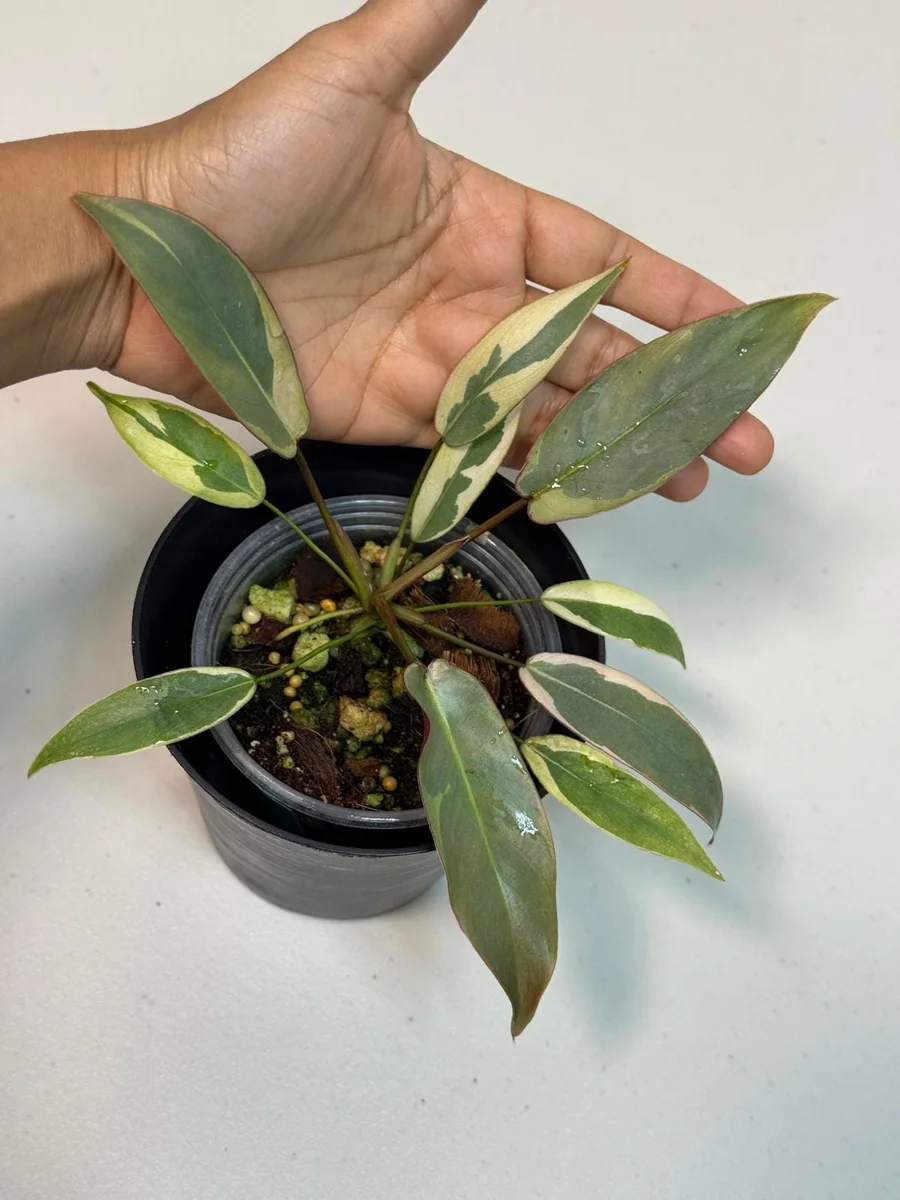
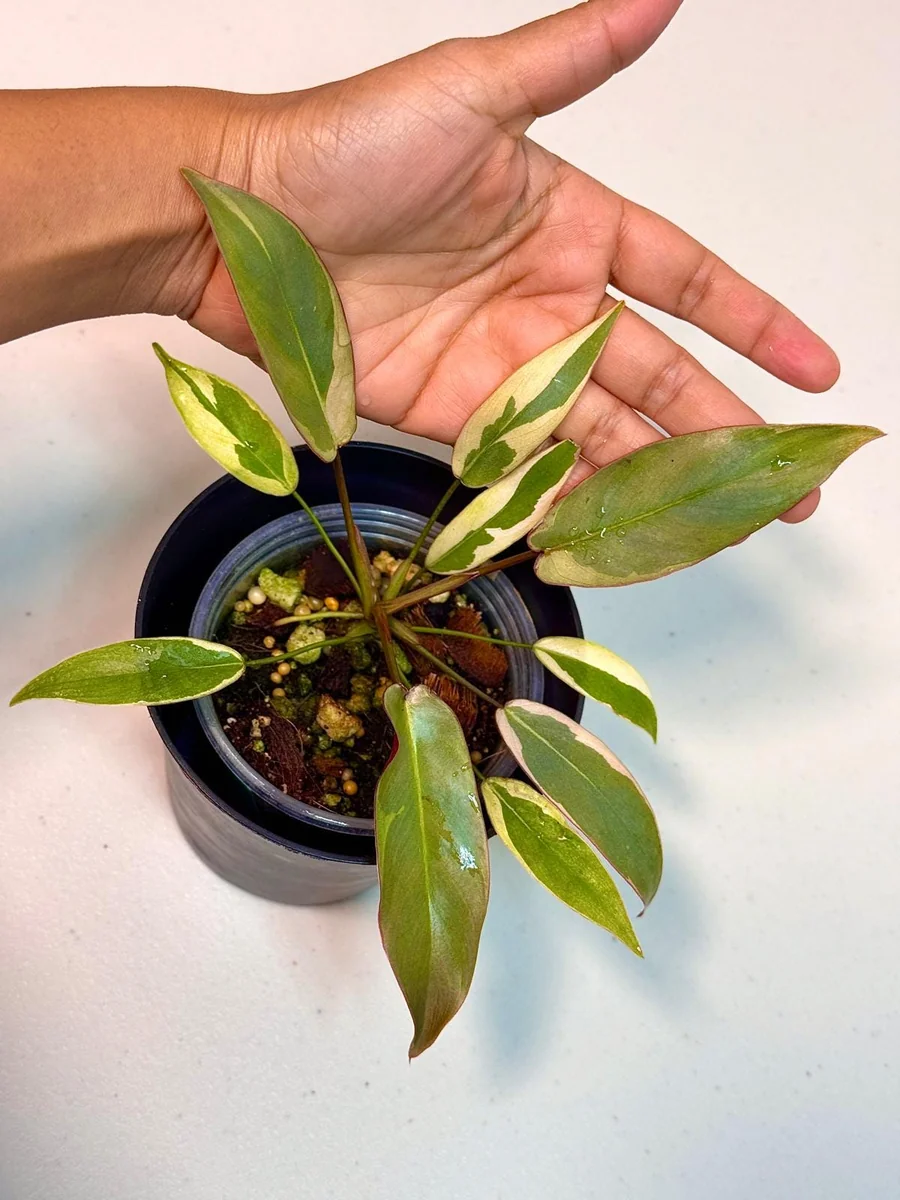
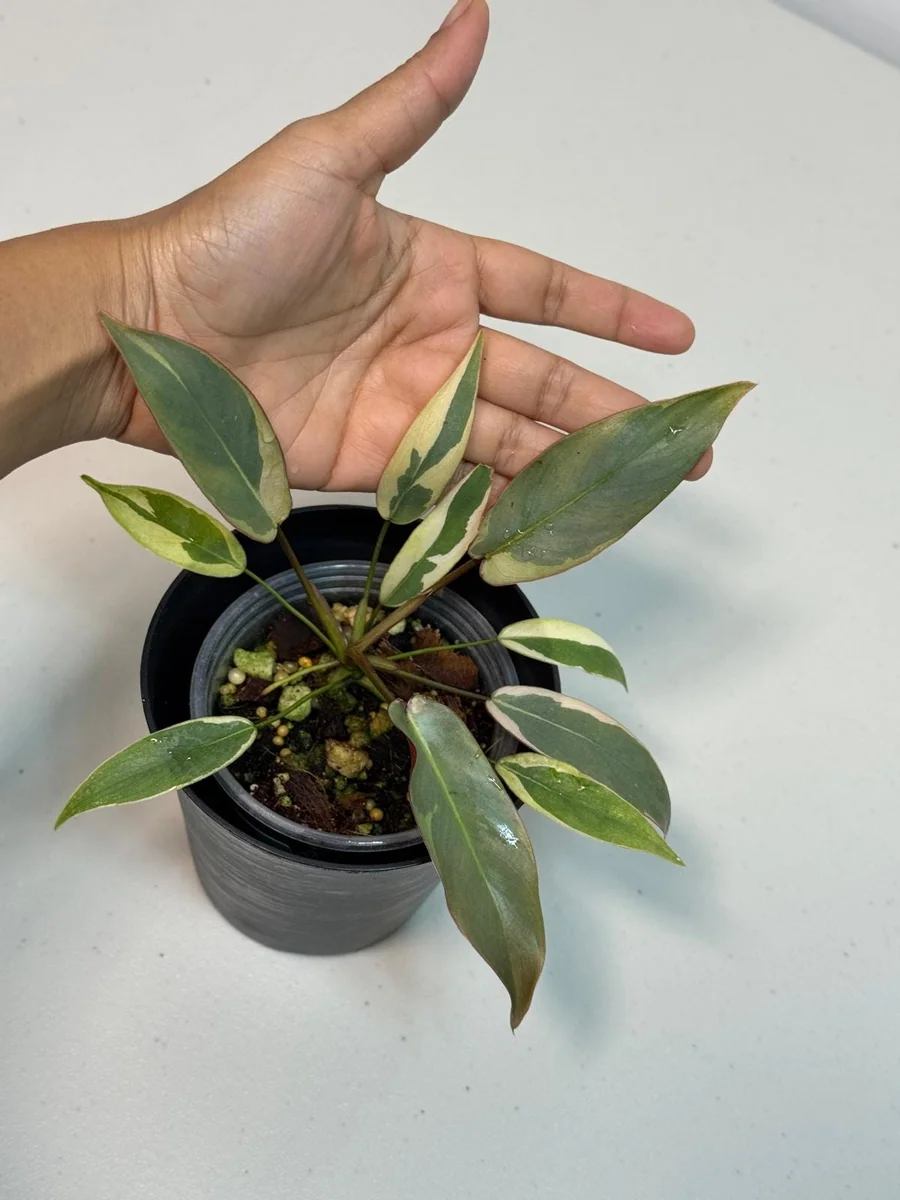
Variegated Philodendron Atabapoense Live Plant – Rare Aroid Collector’s Houseplant
Original price was: $476.00.$238.00Current price is: $238.00.
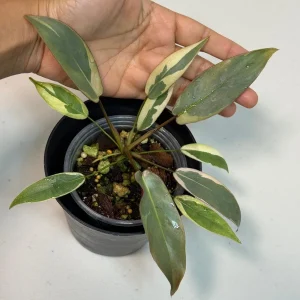
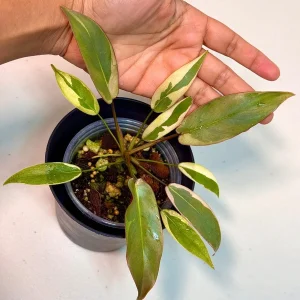
Bring home a truly unique botanical treasure with the Variegated Philodendron Atabapoense live plant. This rare aroid features elongated, velvety leaves adorned with stunning creamy white, yellow, or mint variegation, making it a spectacular addition to any indoor plant collection. Perfect for collectors seeking an extraordinary houseplant.
-
USDA Hardiness Zone
USDA zones 10-11 (outdoors) / Year-round indoors -
Soil Type
Chunky, well-draining aroid mix (potting soil, perlite, orchid bark) -
Sunlight Exposure
Bright, indirect light -
Expected Planting Period
Year-round indoors

You can track your order HERE
Feb 27
Mar 04 - Mar 06
Mar 09 - Mar 13
Shipping and return policies: Our Alive & Thrive Guarantee covers issues with your plants within the first 30 days. Reach out to us. Our team will answer your questions and help you find the plants that are truly suitable for your environment, climate, and personal preferences.

Overview
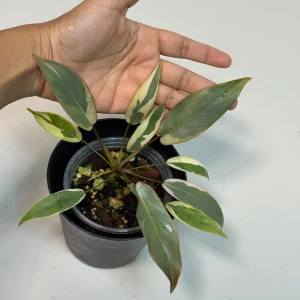
The Variegated Philodendron Atabapoense live plant is an exceptionally sought-after botanical specimen, renowned for its striking beauty and rarity. This specific Philodendron variety captivates with its elongated, deeply lobed, and velvety leaves, which are further enhanced by breathtaking splashes of creamy white, yellow, or mint variegation. Originating from the rainforests, this aroid brings a touch of exotic elegance and drama to any indoor space, making it a prized acquisition for plant enthusiasts and collectors alike. Each leaf is a unique piece of art, showcasing a mesmerizing blend of deep green and vibrant, contrasting patterns. This particular offering is for an exact same potted plant as depicted in images, ensuring you receive the precise beauty you expect from a rare Philodendron Atabapoense.
Known for its robust growth habit and impressive foliage, the Philodendron Atabapoense, in its variegated form, is a true showstopper. Its dramatic appearance makes it a focal point in any room, reflecting light beautifully off its textured leaves. This isn’t just a plant; it’s a living sculpture that evolves and reveals new patterns with every emerging leaf. Its unique aesthetic and relatively manageable care requirements, especially for a rare plant, contribute to its growing popularity among those who appreciate botanical artistry.
Key Benefits
Owning a Variegated Philodendron Atabapoense live plant offers numerous advantages, from its aesthetic appeal to its potential for enriching your living environment. This extraordinary plant is more than just a decorative item; it’s a living piece of art that provides ongoing beauty and intrigue.
- Exquisite Variegated Foliage: The primary draw of this plant is its stunning variegation. Each elongated, velvety leaf features unique patterns of creamy white, yellow, or mint against a deep green background, making every leaf a distinct masterpiece. This dramatic coloring ensures it stands out in any collection.
- Rare Collector’s Item: As a rare Philodendron Atabapoense, this variegated form is highly coveted by plant collectors. Its scarcity and unique beauty make it a significant addition to any serious aroid collection, offering a sense of exclusivity.
- Velvety Leaf Texture: Beyond its color, the tactile experience of its velvety leaves adds another layer of sensory appeal. This soft texture is a distinguishing characteristic that enhances its exotic charm.
- Striking Architectural Form: The Philodendron Atabapoense naturally develops an elegant, upright growth habit with long, pointed leaves, contributing to a modern and sophisticated aesthetic in your home or office.
- Enhances Indoor Ambiance: Bringing natural elements like this beautiful plant into your home can significantly improve mood and create a more serene and inviting atmosphere. Its vibrant colors add life and energy to any room.
- Engaging Growth Experience: Observing the development of new leaves and the unfolding of their unique variegation patterns provides an engaging and rewarding experience for plant enthusiasts.
- Moderate Maintenance for a Rare Aroid: While exotic, the Philodendron Atabapoense care requirements are relatively straightforward for an experienced plant parent, making it a rewarding challenge without being overly demanding.
Plant Care & Growing Tips
Proper Philodendron Atabapoense care is essential to ensure your Variegated Philodendron Atabapoense live plant thrives and maintains its spectacular variegation. This aroid appreciates conditions that mimic its native tropical habitat.
Light: Provide bright, indirect light for your plant. An east-facing window is often ideal, or a few feet back from a south or west-facing window. Direct sunlight can scorch the delicate variegated foliage, leading to brown spots and a loss of vibrant color. Insufficient light, conversely, can lead to leggy growth and reduced variegation. Consider using a grow light if natural light is inadequate, especially during darker winter months.
Water: Water thoroughly when the top 1–2 inches of soil feel dry to the touch. It’s crucial to avoid overwatering, as this can lead to root rot, a common issue for many aroids. Ensure your pot has excellent drainage. Philodendrons prefer consistent moisture but not soggy conditions. Reduce watering frequency slightly during the plant’s dormant period in winter. Using filtered water or leaving tap water out overnight can help remove chlorine that might harm sensitive roots.
Soil: This plant thrives in a chunky, well-draining aroid mix. A good blend typically includes potting soil, perlite, orchid bark, and perhaps some coco coir or sphagnum moss. This type of substrate provides both good aeration for the roots and sufficient moisture retention. Avoid heavy, dense soils that retain too much water and can suffocate the roots. Repotting should be done when the plant outgrows its current container, typically every 1-2 years, into a pot only slightly larger.
Temperature & Humidity: Maintain indoor temperatures between 65-80°F (18-27°C). Avoid sudden temperature fluctuations and cold drafts. As a tropical plant, high humidity is crucial for the health and appearance of the variegated aroid. Aim for humidity levels of 60% or higher. You can achieve this by using a humidifier, placing the pot on a pebble tray with water, or grouping it with other humidity-loving plants. Misting can offer temporary relief but is not a substitute for consistent humidity.
Fertilization: Fertilize every 2-4 weeks during the growing season (spring and summer) with a balanced liquid fertilizer diluted to half strength. Reduce or cease fertilization during fall and winter when the plant’s growth slows. Over-fertilization can lead to nutrient burn, so always err on the side of less. A slow-release granular fertilizer can also be an effective option.
Size & Details
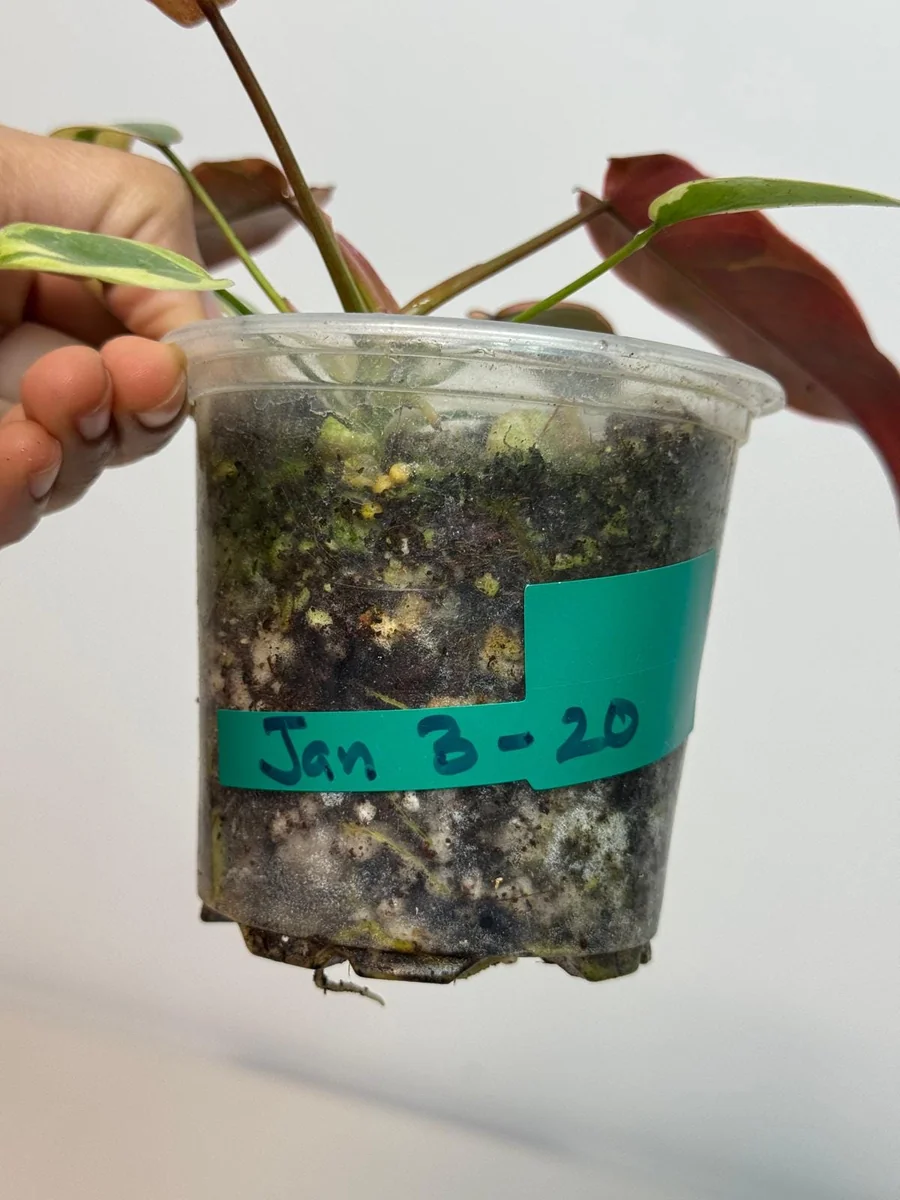
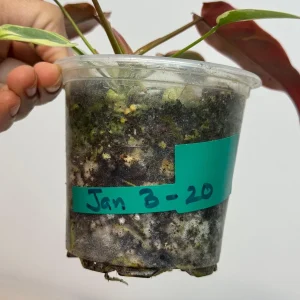
This offering is for the exact Variegated Philodendron Atabapoense live plant shown in the images, ensuring you receive the precise specimen you select. The plant is shipped in its current pot, carefully packaged to minimize stress during transit. Philodendron Atabapoense typically grows as a climbing or vining plant in its natural habitat, and indoors it can reach impressive sizes with proper support, such as a moss pole. Exact height and width will vary based on the individual plant pictured, but it is a well-established, healthy specimen ready to thrive in its new home.
Expect a moderate to fast growth rate under optimal conditions. New leaves emerge regularly, each potentially displaying unique variegation patterns. This plant is a fantastic investment for collectors looking for a truly special and visually impactful houseplant. It will continue to mature and develop its characteristic elongated leaves and stunning coloration, becoming an increasingly magnificent display over time.
Frequently Asked Questions
- Q: How big does this Variegated Philodendron Atabapoense live plant get? A: In ideal indoor conditions with support, a mature Variegated Philodendron Atabapoense live plant can grow several feet tall. Its leaves can also become quite large, often reaching over a foot in length, making it a very impressive display plant.
- Q: Is this an indoor or outdoor plant? A: This is primarily an indoor plant in most climates, especially in the US, due to its tropical nature. It can be grown outdoors in very warm, humid climates (USDA zones 10-11) where temperatures do not drop below 50°F (10°C).
- Q: How much sunlight does my rare Philodendron Atabapoense need? A: The rare Philodendron Atabapoense thrives in bright, indirect light. Avoid direct sun exposure, which can burn the delicate variegated foliage. A spot near an east-facing window or a shaded spot near a brighter window is usually best.
- Q: Is this plant easy to care for? Is it good for beginners? A: While not extremely difficult, the Philodendron Atabapoense care requires a bit more attention than common houseplants, especially regarding humidity and light. It’s best suited for intermediate plant enthusiasts or beginners willing to learn and provide specific conditions.
- Q: What condition will my variegated aroid arrive in? A: We take extreme care in packaging to ensure your variegated aroid arrives safely and in excellent condition. It is shipped as the exact potted plant shown, and we monitor weather to minimize transit risks.
- Q: What type of soil is best for this collector plant? A: This collector plant prefers a well-draining, chunky aroid mix. A blend of potting soil, perlite, and orchid bark is highly recommended to provide the necessary aeration and drainage while retaining some moisture.
- Q: How often should I water my Philodendron Atabapoense? A: Water when the top 1-2 inches of soil feel dry. The frequency will depend on your environment’s temperature and humidity, but it’s crucial to allow the topsoil to dry out slightly between waterings to prevent root rot.
- Q: Is the Variegated Philodendron Atabapoense pet-safe? A: No, like many Philodendrons, the Variegated Philodendron Atabapoense live plant contains calcium oxalates and is toxic if ingested by pets or humans. Keep it out of reach of curious animals and children.
- Q: How can I ensure good humidity for my plant? A: To ensure good humidity, especially for a rare Philodendron Atabapoense, consider using a room humidifier, placing the plant on a pebble tray filled with water, or grouping it with other plants to create a microclimate.
- Q: When is the best time to repot this Philodendron? A: Repotting is best done in the spring or early summer when the plant is actively growing. Only repot when the plant is root-bound, moving it into a pot that is just one size larger than its current one.
Be the first to review “Variegated Philodendron Atabapoense Live Plant – Rare Aroid Collector’s Houseplant”
People Also Viewed
Sold 91 products
Original price was: $159.60.$79.80Current price is: $79.80.
Sold 72 products
Original price was: $108.00.$54.00Current price is: $54.00.
Sold 74 products
Original price was: $39.98.$19.99Current price is: $19.99.
Sold 70 products
Original price was: $144.00.$72.00Current price is: $72.00.
Sold 85 products
Original price was: $39.99.$34.99Current price is: $34.99.
Sold 72 products
Original price was: $99.80.$49.90Current price is: $49.90.
Sold 66 products
$87.98
Sold 93 products
Original price was: $55.80.$27.90Current price is: $27.90.
Sold 100 products
Original price was: $28.76.$14.38Current price is: $14.38.
Sold 68 products
Original price was: $116.00.$58.00Current price is: $58.00.
Sold 61 products
Original price was: $55.80.$27.90Current price is: $27.90.
Sold 72 products
Original price was: $120.00.$60.00Current price is: $60.00.
Sold 100 products
Original price was: $79.80.$39.90Current price is: $39.90.
Sold 88 products
Original price was: $108.00.$54.00Current price is: $54.00.
Sold 75 products
Original price was: $55.80.$27.90Current price is: $27.90.
Sold 87 products
$329.98
Sold 96 products
Original price was: $200.00.$160.00Current price is: $160.00.
Sold 94 products
Original price was: $49.96.$24.98Current price is: $24.98.


Reviews
There are no reviews yet.