
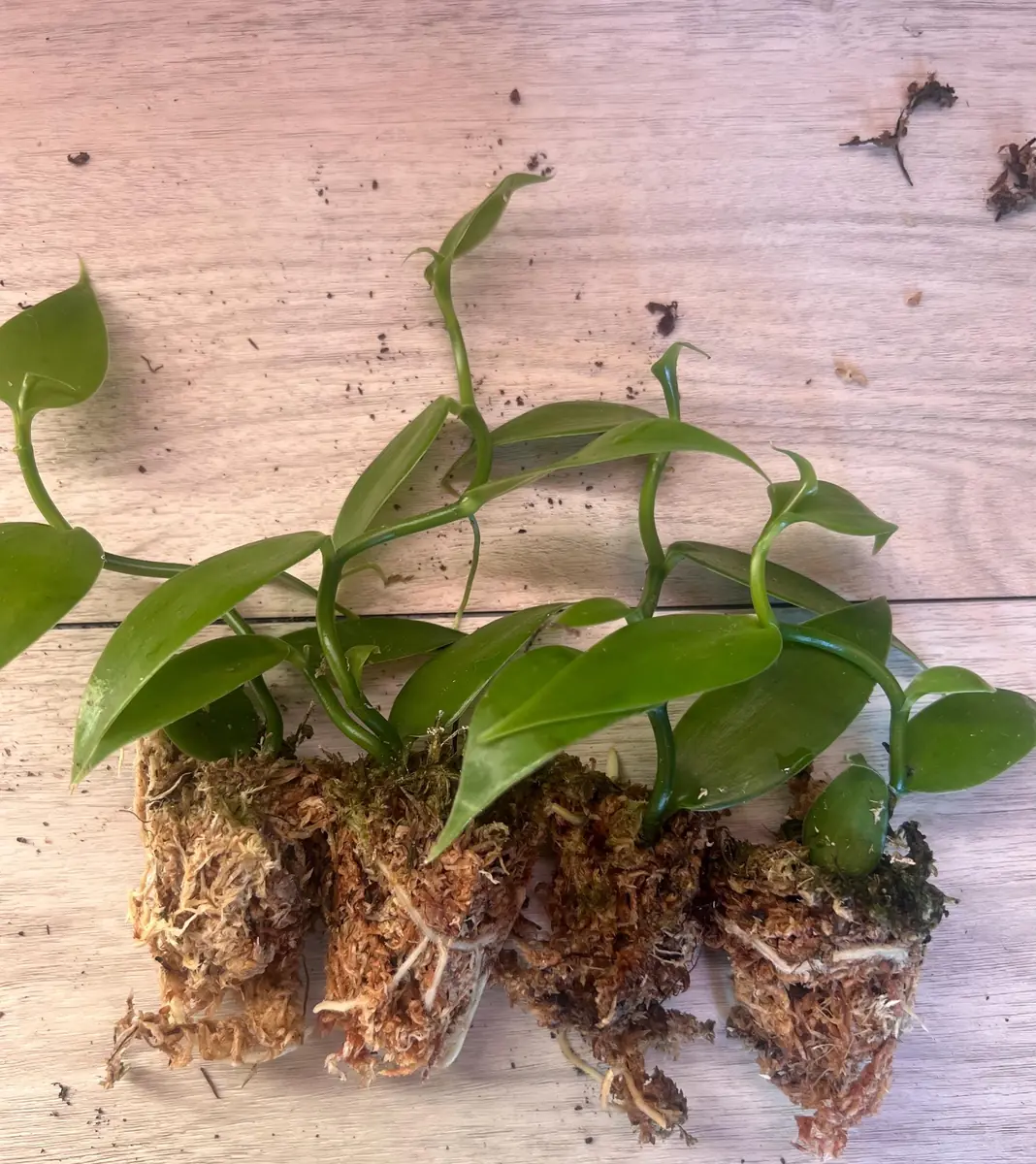
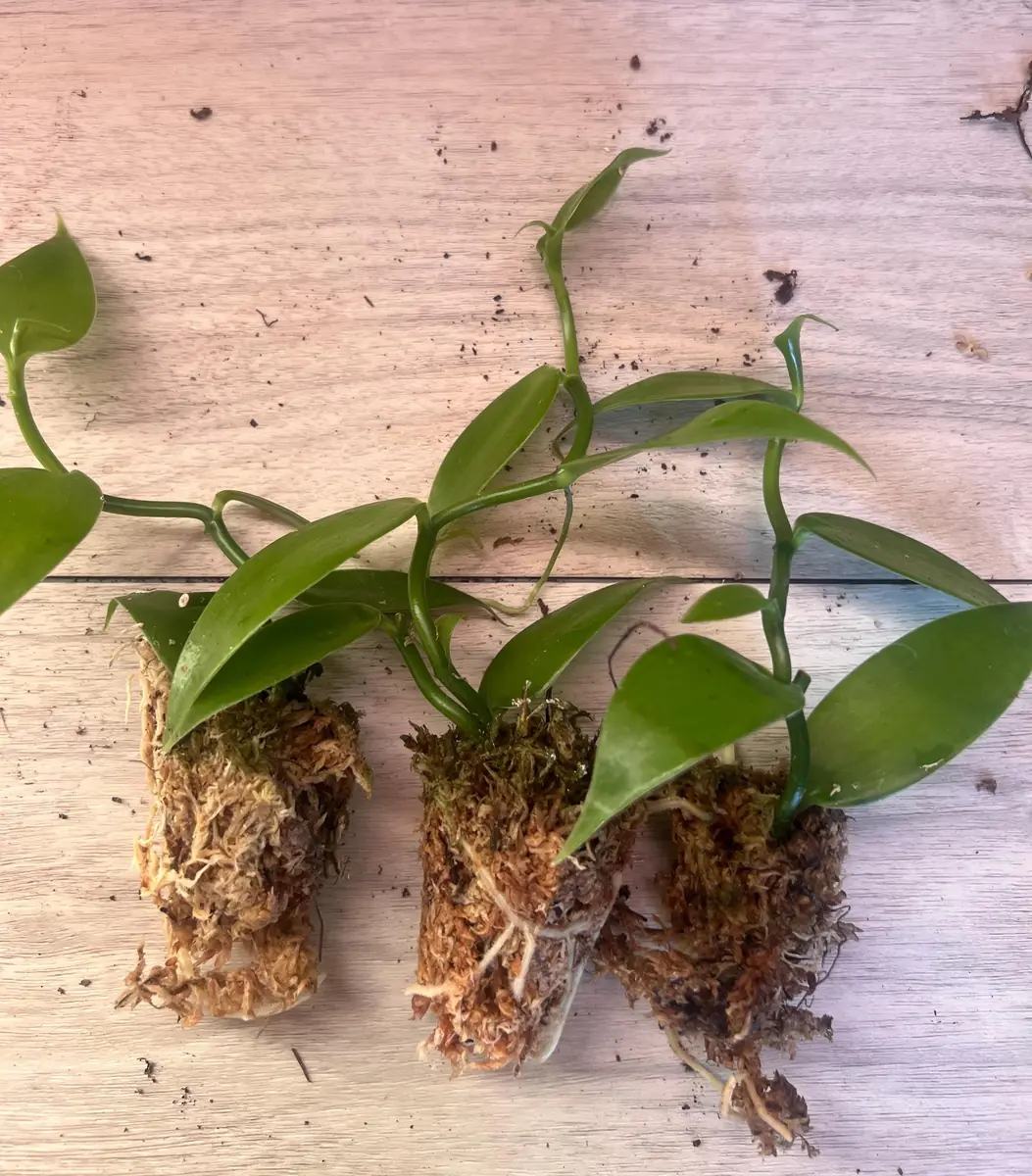
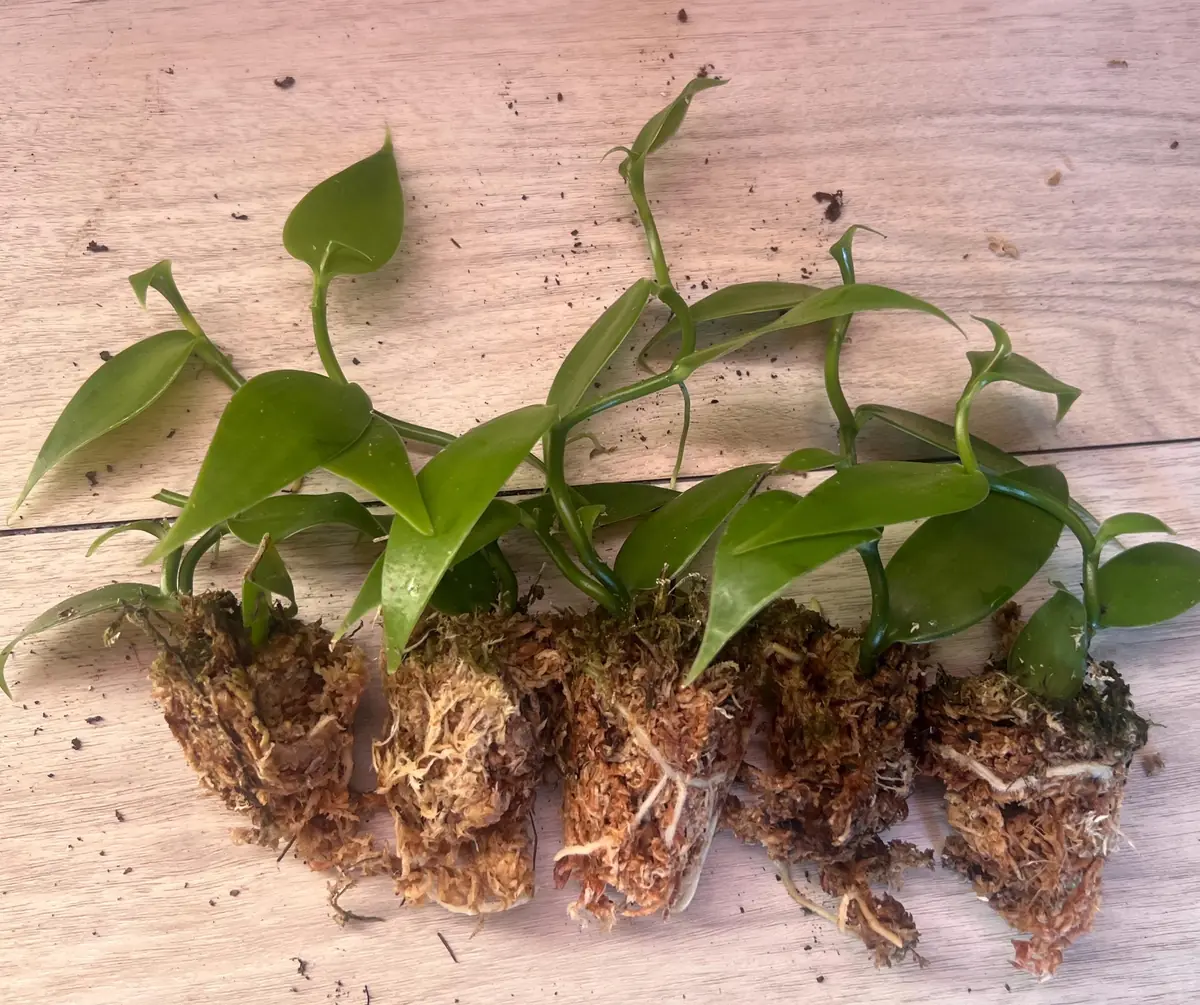
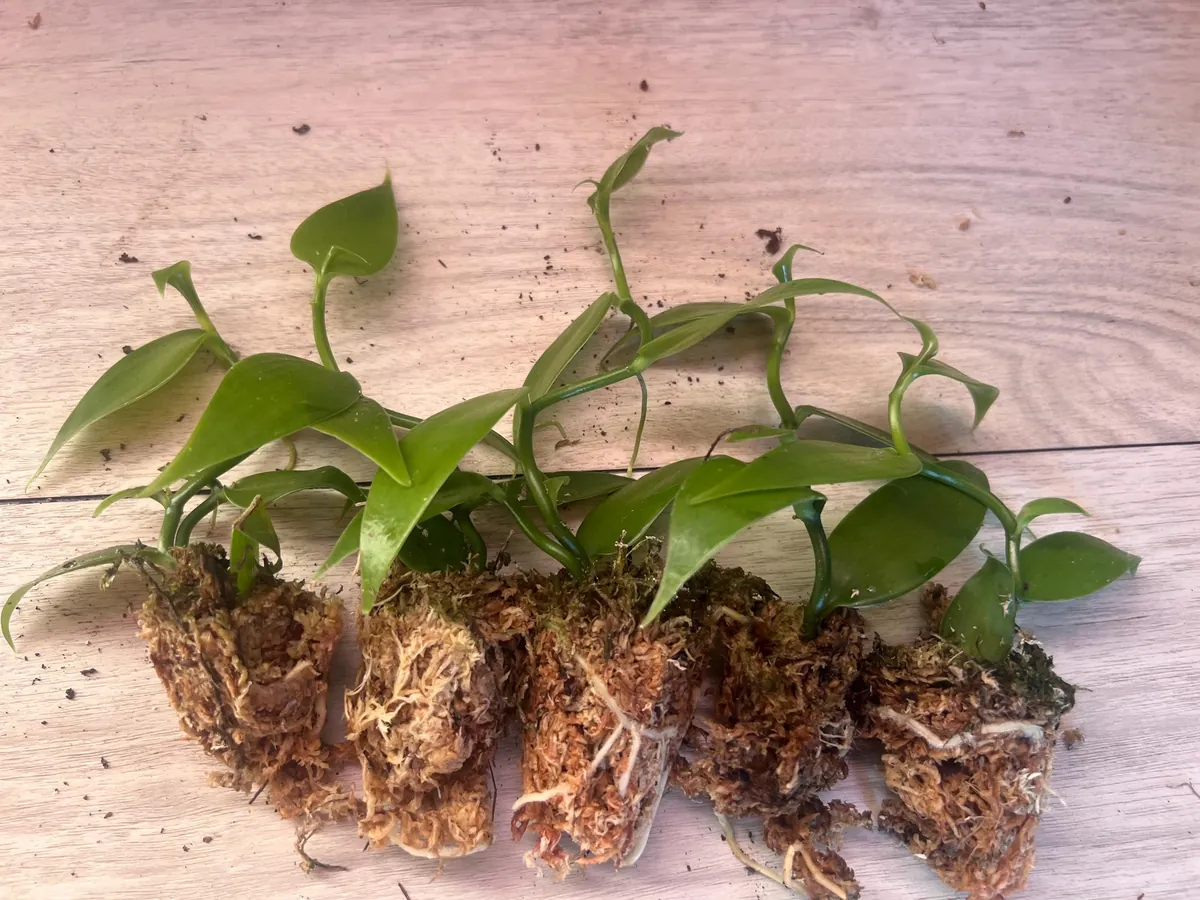
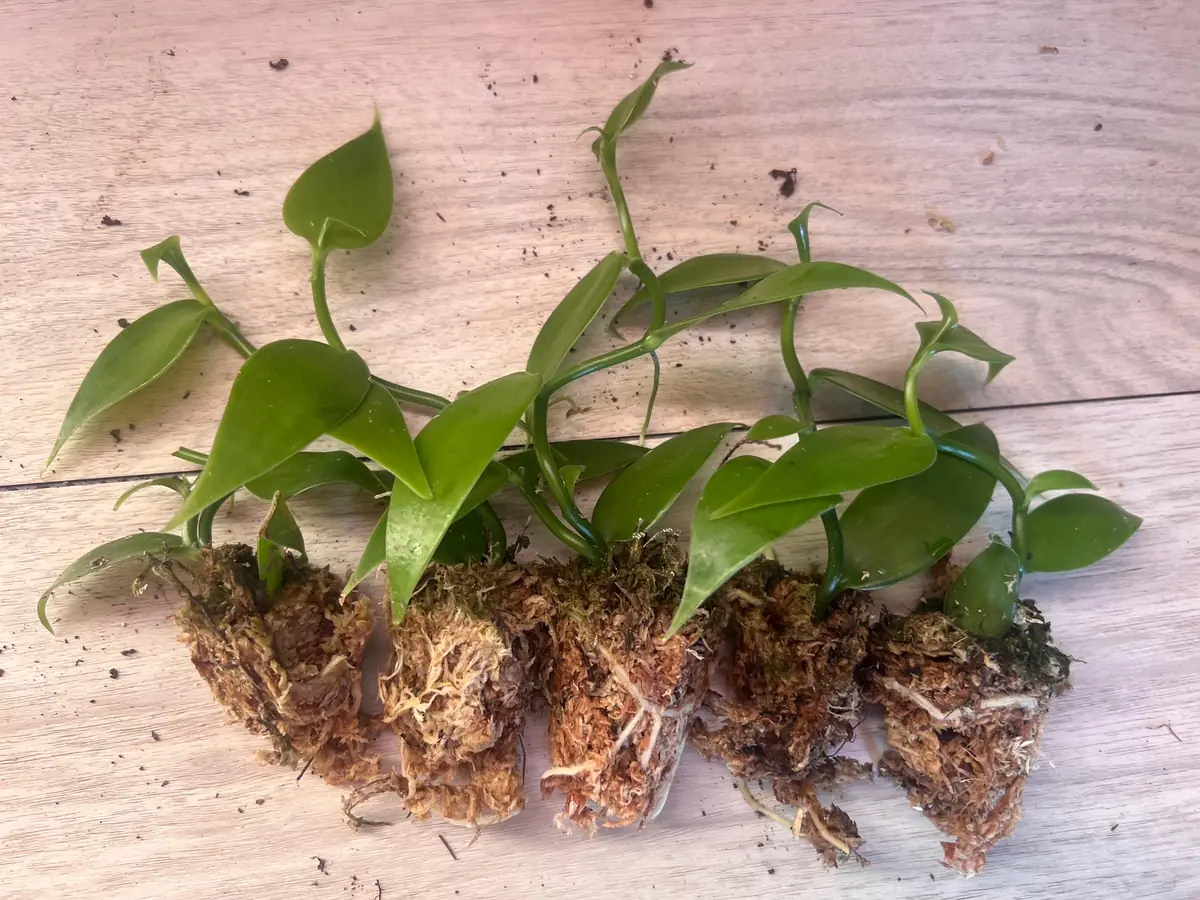
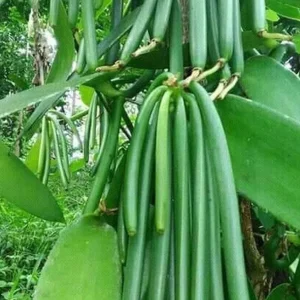
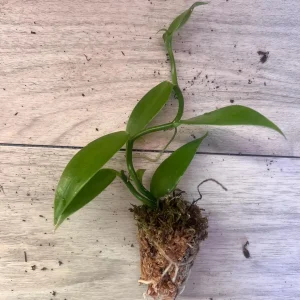
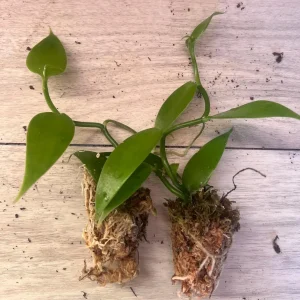
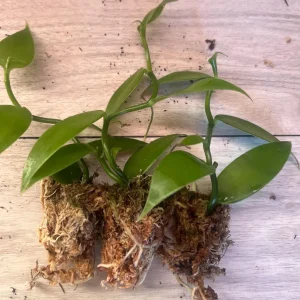
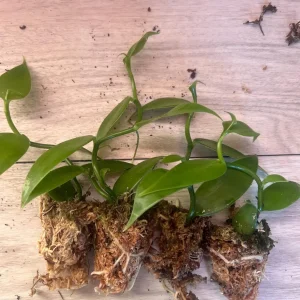
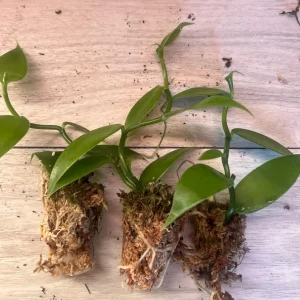
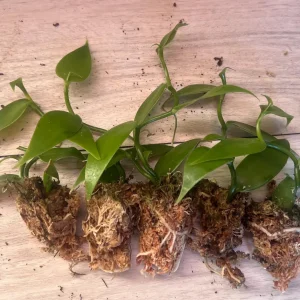
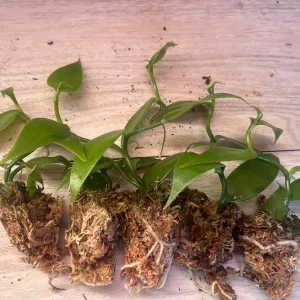
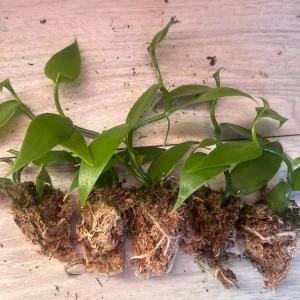
Vanilla planifolia Live Plant – Well Rooted Vanilla Bean Orchid Vine
From $35.88
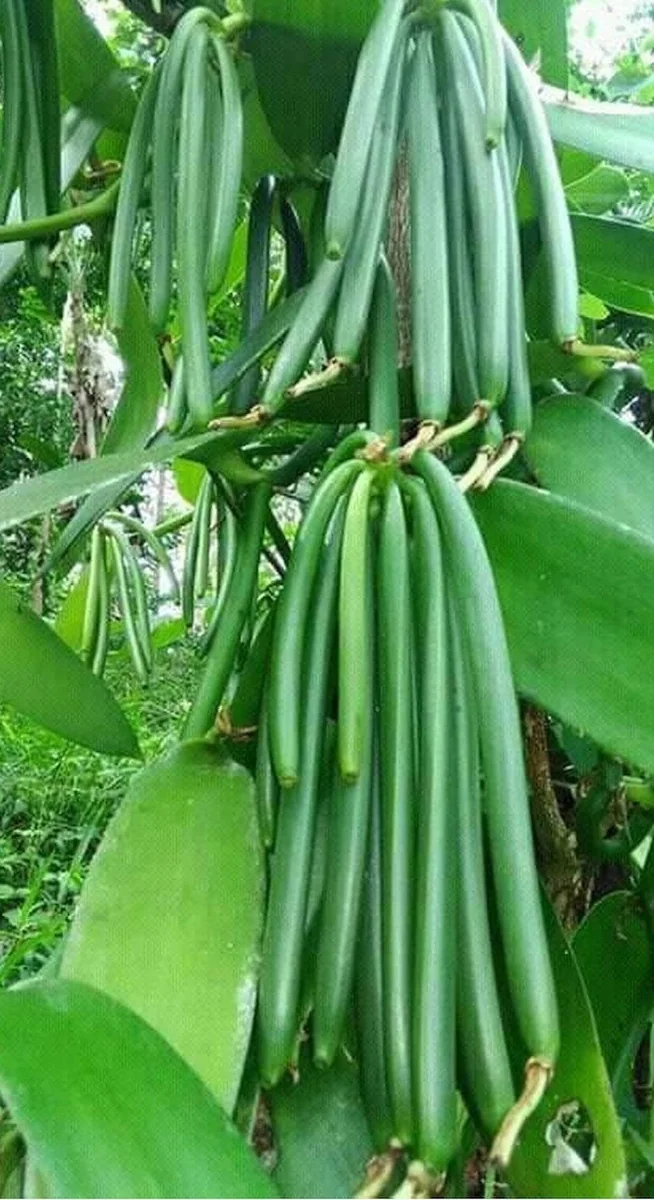
Bring the exotic beauty and fragrance of the tropics into your home with a vanilla planifolia live plant. This well-rooted vanilla vine plant is ready to grow, producing beautiful orchids and eventually the coveted vanilla beans. Perfect for bright indirect light conditions.
-
USDA Hardiness Zone
USDA zones 10-11 (outdoors); suitable for indoor cultivation everywhere -
Soil Type
Well-draining orchid mix -
Sunlight Exposure
Bright indirect light -
Expected Planting Period
Year-round indoors, spring to summer outdoors in tropical climates

You can track your order HERE
Mar 02
Mar 07 - Mar 09
Mar 12 - Mar 16
Shipping and return policies: Our Alive & Thrive Guarantee covers issues with your plants within the first 30 days. Reach out to us. Our team will answer your questions and help you find the plants that are truly suitable for your environment, climate, and personal preferences.

Overview
Cultivate the source of one of the world’s most beloved flavors with your very own vanilla planifolia live plant. This exceptional orchid is not just a beautiful ornamental vine; it’s the plant that produces the famous vanilla beans. Known botanically as Vanilla planifolia, this fascinating plant grows as a robust climbing vine, often found winding its way up host trees in its natural habitat. Our well-rooted specimens offer you the opportunity to nurture this unique orchid, enjoying its bright green, oval-shaped leaves and, with proper care, its bell-shaped blooms that can appear in shades of white, yellow, or pink. This perennial vine can reach impressive lengths, making it a stunning addition to any garden or indoor space where it can climb and thrive. Discover the joy of growing your own vanilla, a true conversation starter and a rewarding horticultural experience.
The vanilla planifolia live plant is considered semi-epiphytic, offering gardeners flexibility in how they choose to grow it. You can plant it directly in the ground in suitable climates or cultivate it as an epiphyte, allowing its aerial roots to cling to a support structure. The journey from vine to vanilla bean is a captivating one, culminating in the aromatic pods that are cured to create natural vanilla extract. Originating from the Americas, the vanilla orchid has a rich history and continues to be a highly prized plant worldwide. Experience the satisfaction of growing this extraordinary orchid and perhaps even harvest your own vanilla beans.
Key Benefits
Growing a vanilla planifolia live plant offers a unique blend of aesthetic pleasure and practical rewards. Here are some of the key benefits:
- Exotic Beauty: The vibrant green foliage and potential for delicate, fragrant orchid blooms add a touch of tropical elegance to any environment. It’s a visually striking vine that can transform a space.
- Homegrown Vanilla: With successful pollination, this plant produces the pods that become vanilla beans, allowing you to create your own natural vanilla extract. There’s immense satisfaction in harvesting your own gourmet ingredient.
- Unique Growing Experience: Its semi-epiphytic nature provides an interesting challenge and a rewarding experience for plant enthusiasts. Learning how to grow vanilla beans from scratch is a truly special endeavor.
- Air Purification: Like many live plants, the vanilla planifolia live plant contributes to better air quality by absorbing carbon dioxide and releasing oxygen, promoting a healthier indoor atmosphere.
- Educational Value: It’s a fantastic plant for teaching about botany, pollination, and the origins of common spices. Children and adults alike will be fascinated by its life cycle.
- Long-Lived Perennial: As a perennial vine, it can live for many years, becoming a long-term fixture in your plant collection and providing continuous enjoyment.
- Versatile Growth: Can be grown as a climbing vine outdoors in warm climates or as an indoor houseplant, adapting to various setups with the right care.
Plant Care & Growing Tips
Caring for your vanilla planifolia live plant requires attention to its specific needs, especially regarding light, water, and humidity. This orchid thrives in bright indirect light; direct, harsh sunlight can scorch its leaves. A location near an east-facing window or a few feet away from a south or west-facing window is often ideal indoors. If growing outdoors, choose a spot with filtered light, such as under a canopy of trees. Adequate air circulation is also important to prevent fungal issues.
Watering should be consistent but allow the top inch or two of the potting medium to dry out slightly between waterings. Overwatering can lead to root rot, which is detrimental to the plant’s health. The vanilla planifolia live plant appreciates high humidity, mimicking its tropical origins. You can achieve this by misting the foliage regularly, placing the pot on a pebble tray with water, or using a humidifier, especially in drier indoor environments. As a semi-epiphytic vanilla, it benefits from a well-draining, airy potting mix, often composed of orchid bark, perlite, and a small amount of peat moss or coco coir. Fertilize sparingly with a balanced liquid orchid fertilizer during the growing season (spring and summer), diluting it to half strength.
For successful flowering and vanilla bean production, pollination is key. In most home environments, this will need to be done by hand. The flowers typically open for only one day, so timing is crucial. Use a small, pointed tool to transfer pollen from the anther to the stigma. The vine generally begins to flower once its diameter reaches 0.25 to 0.5 inches. Maintain consistent temperatures, ideally between 60-85°F (15-30°C), and protect the plant from cold drafts. Providing a sturdy support structure for the vine to climb, such as a moss pole or trellis, will encourage healthy growth and mimic its natural climbing habit. Understanding vanilla orchid care is essential for a thriving plant.
Size & Details
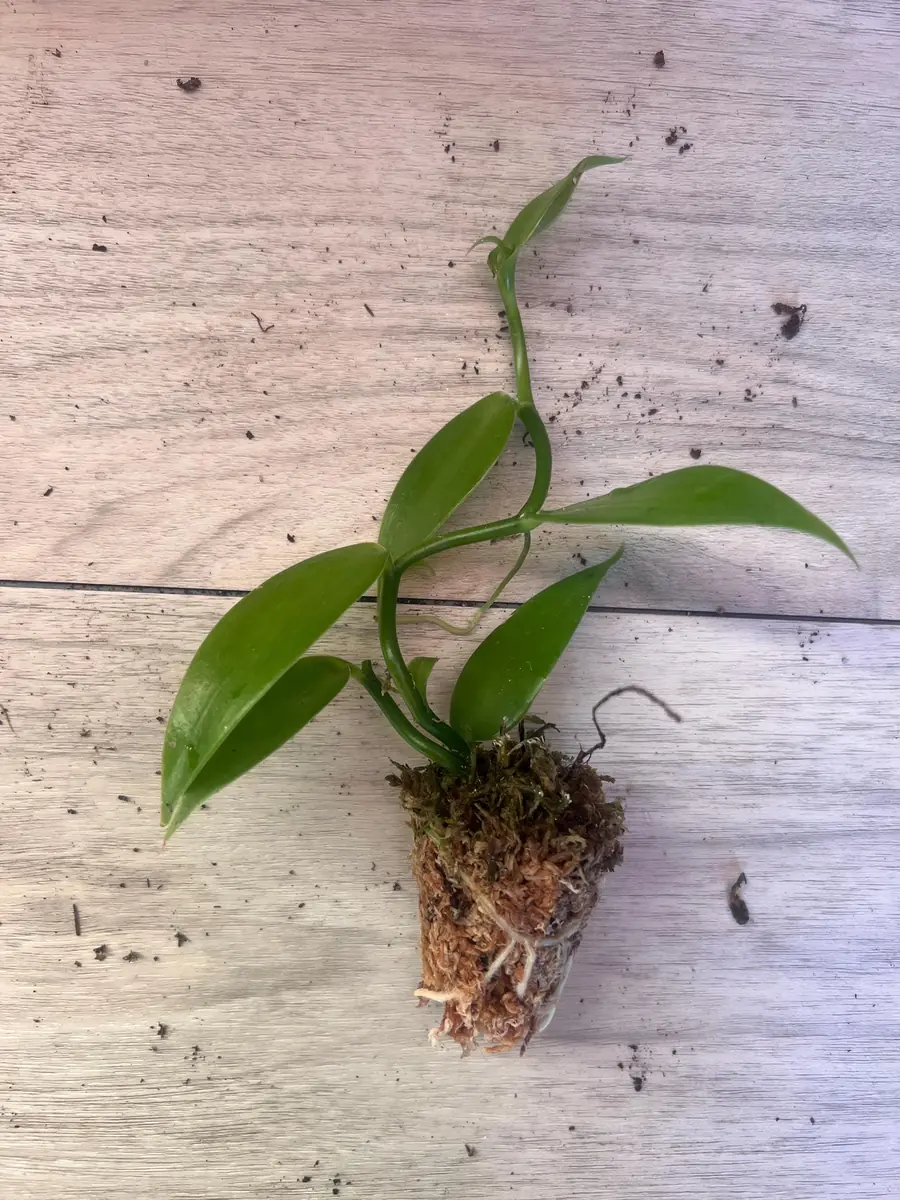
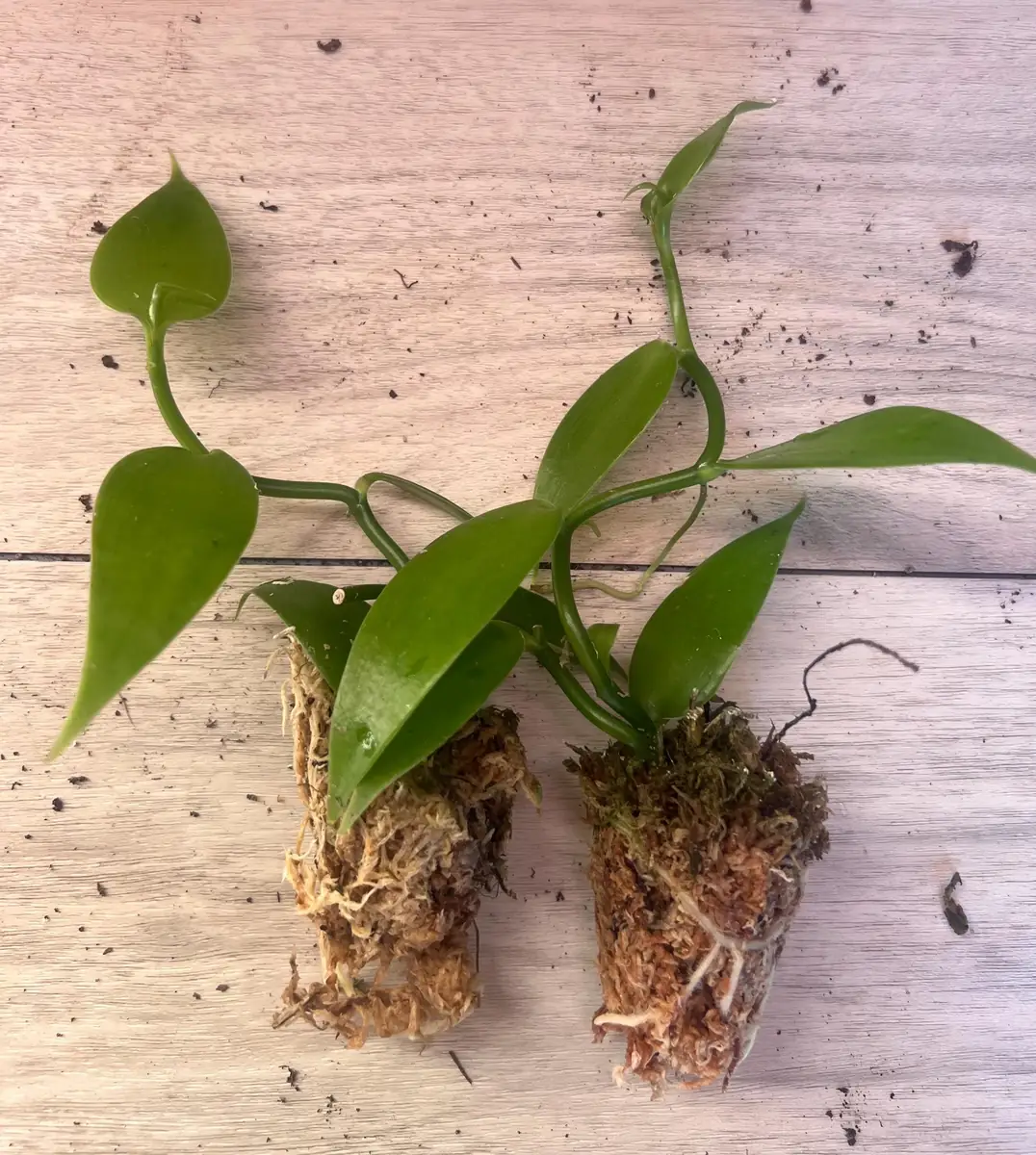
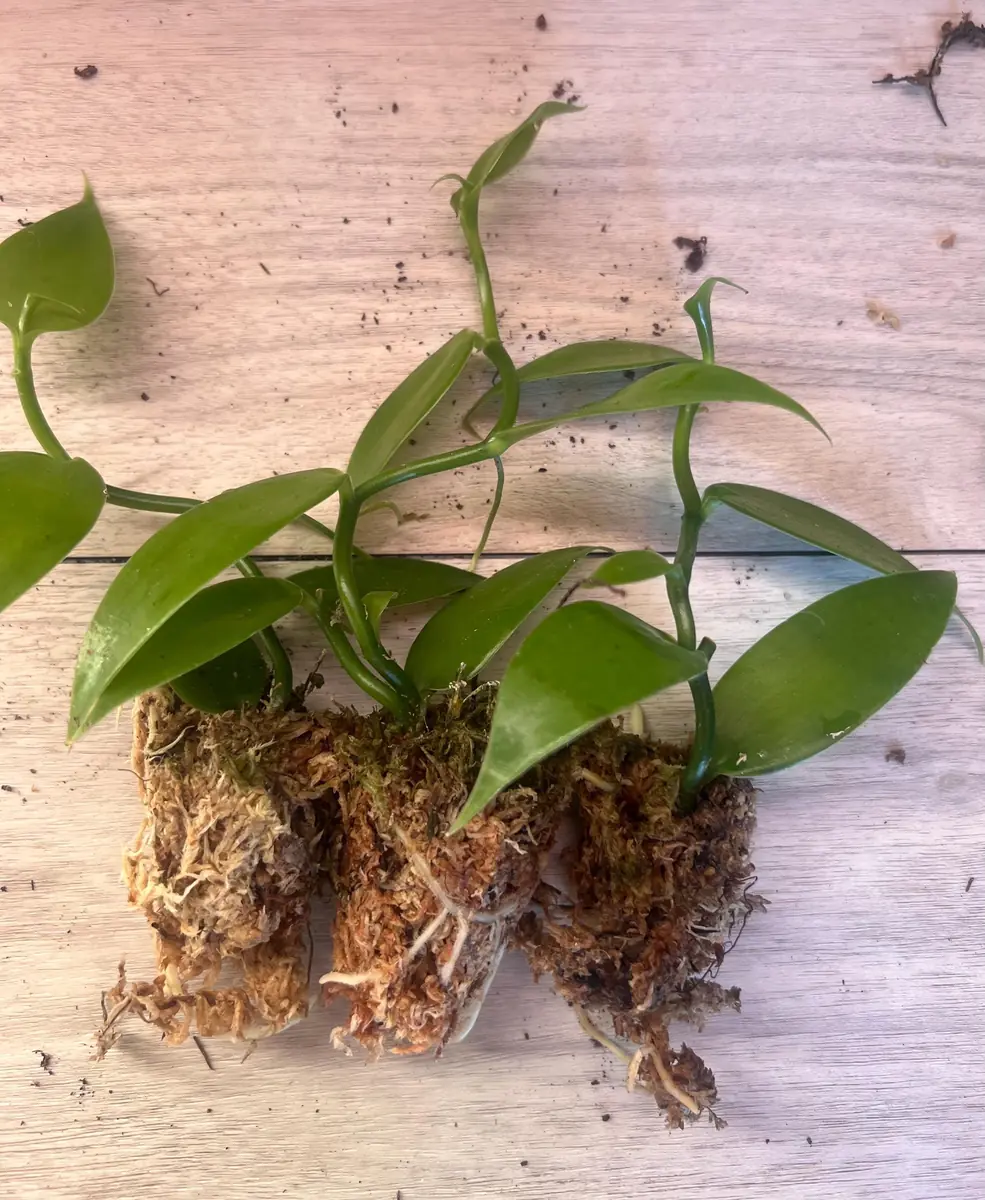
Our vanilla planifolia live plant is shipped as a well-rooted specimen, ready for you to pot or plant according to your growing preference. The leaves are typically oval-shaped and bright green, varying in length from approximately 3 to 24 inches as the vine matures. This perennial vine can ultimately reach lengths of over 200 feet in ideal conditions, though it can be pruned and managed to fit smaller spaces. It grows as a climbing vine, developing aerial roots that help it cling to supports and absorb moisture from the air. The bell-shaped flowers, which can be white, yellow, or pink, appear once the vine reaches a certain maturity and diameter, usually requiring hand-pollination to produce the seed pods, or vanilla beans. Expect a moderate to fast growth rate under optimal conditions, allowing you to enjoy the development of this unique plant over time. Each order includes one healthy, established vanilla vine plant, carefully packaged for safe transit to your home.
Frequently Asked Questions
- Q: How big does this vanilla planifolia live plant get? A: In its natural habitat, the vanilla vine can reach over 200 feet in length. When grown in cultivation, its size can be managed through pruning and providing appropriate support. It will grow as long as it has something to climb and good conditions.
- Q: Is this an indoor or outdoor plant? A: The vanilla planifolia live plant can be grown both indoors and outdoors. It thrives outdoors in tropical climates (USDA zones 10-11) where temperatures remain warm. Indoors, it makes an excellent houseplant, provided it receives bright indirect light and high humidity.
- Q: How much sunlight does it need? A: This plant requires bright indirect light. Avoid direct, intense sunlight, which can scorch its leaves. Filtered light, such as from an east-facing window or through sheer curtains, is ideal.
- Q: Is this plant easy to care for? A: While not the most difficult plant, vanilla orchid care requires specific conditions, particularly high humidity and proper watering. It’s considered an intermediate-level plant and is very rewarding for those who can meet its needs.
- Q: What condition will it arrive in? A: Your vanilla planifolia live plant will arrive well-rooted and carefully packaged to ensure its health during transit. It will be ready for you to pot or transplant upon arrival.
- Q: How long until it blooms and produces vanilla beans? A: Vanilla orchids typically begin flowering when the vine has matured and reached a diameter of 0.25 to 0.5 inches. This can take several years from a small plant. Once bloomed, flowers must be hand-pollinated to produce vanilla beans, which then take several months to mature.
- Q: What kind of soil does a vanilla vine plant need? A: As a semi-epiphytic orchid, it prefers a well-draining, airy potting mix. An orchid mix containing bark, perlite, and some coco coir or peat moss works well to provide both drainage and some moisture retention.
- Q: Is the vanilla planifolia live plant pet-safe? A: Vanilla orchids are generally considered non-toxic to pets, making them a safe choice for homes with cats and dogs. However, it’s always best to prevent pets from chewing on plants.
- Q: How often should I water my vanilla planifolia? A: Water thoroughly when the top inch or two of the potting mix feels dry to the touch. Allow excess water to drain completely. Reduce watering slightly in cooler, darker months.
- Q: Can I really grow my own vanilla beans from this plant? A: Yes, with proper care and successful hand-pollination of the flowers, your vanilla planifolia live plant can produce vanilla bean pods. Learning how to grow vanilla beans at home is a unique and satisfying experience.
| Number of Plants | 1. One Plant, 2. Two Plants, 3. Three Plants, 4.Four Plats, 5.Five Plants |
|---|
Be the first to review “Vanilla planifolia Live Plant – Well Rooted Vanilla Bean Orchid Vine”
People Also Viewed
Sold 55 products
Original price was: $100.00.$80.00Current price is: $80.00.
Sold 70 products
Original price was: $37.98.$18.99Current price is: $18.99.
Sold 97 products
Original price was: $147.16.$73.58Current price is: $73.58.
Sold 93 products
Original price was: $216.00.$108.00Current price is: $108.00.
Sold 62 products
Original price was: $60.00.$48.00Current price is: $48.00.
Sold 90 products
Original price was: $58.58.$29.29Current price is: $29.29.
Sold 83 products
Original price was: $167.96.$83.98Current price is: $83.98.

Sold 59 products
Original price was: $40.76.$20.38Current price is: $20.38.
Sold 97 products
Original price was: $64.00.$51.20Current price is: $51.20.
Sold 63 products
$48.38
Sold 65 products
Original price was: $79.80.$39.90Current price is: $39.90.

Sold 80 products
$34.00
Sold 93 products
Original price was: $100.00.$50.00Current price is: $50.00.
Sold 75 products
Original price was: $147.16.$73.58Current price is: $73.58.
Sold 79 products
Original price was: $72.76.$36.38Current price is: $36.38.

Vegetable Seeds
Sold 55 products
From $4.34
Sold 77 products
$29.90
Sold 64 products
$40.00



Reviews
There are no reviews yet.