
Vana Tulsi Seeds – Wild Forest Holy Basil (Ocimum gratissimum) for Culinary & Herbal Gardens
From $11.88
Cultivate your own Vana Tulsi seeds, also known as Wild Forest Tulsi or Ocimum gratissimum seeds. These aromatic seeds yield a resilient herb with a captivating clove, citrus, and mint fragrance, perfect for culinary use and herbal infusions. Ideal for both indoor and outdoor gardening, this type of Holy Basil seeds thrives in various climates.
-
USDA Hardiness Zone
USDA zones 9–11 (perennial), all zones (annual) -
Soil Type
well-draining soil -
Sunlight Exposure
full sun -
Expected Planting Period
spring to early summer (outdoors), year-round (indoors)

You can track your order HERE
Mar 14
Mar 19 - Mar 21
Mar 24 - Mar 28
Shipping and return policies: Our Alive & Thrive Guarantee covers issues with your plants within the first 30 days. Reach out to us. Our team will answer your questions and help you find the plants that are truly suitable for your environment, climate, and personal preferences.

Overview
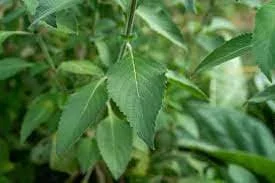
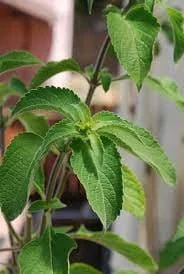
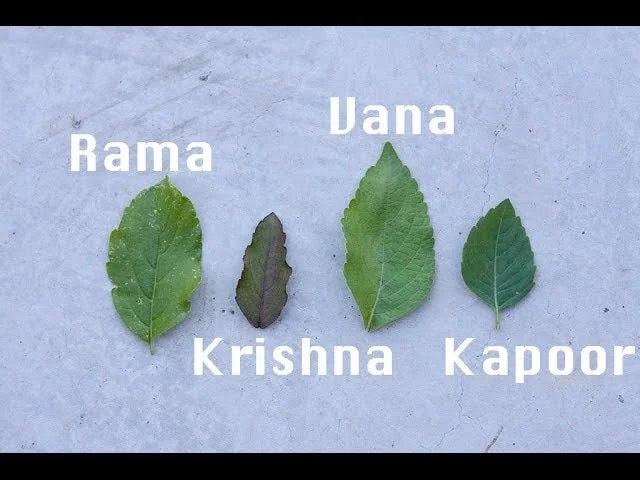
Embark on a rewarding gardening journey by cultivating Vana Tulsi seeds. Also known as Wild or Forest Tulsi, and botanically as Ocimum gratissimum seeds, this exceptional herb captivates with its lush green foliage and an intense aroma that encapsulates the essence of the wild. Unlike other varieties, the leaves of this Wild Forest Tulsi are slightly larger and broader, carrying a unique fragrance that combines elements of clove, citrus, and mint, creating an unforgettable sensory experience. Growing your own Vana Tulsi seeds allows you to enjoy fresh, vibrant flavor and aromatic properties right from your garden or windowsill. It’s a resilient companion for both novice and experienced gardeners, adapting effortlessly to its surroundings.
These Holy Basil seeds promise a plant that not only enhances your garden’s biodiversity but also provides a continuous supply of its flavorful leaves. Whether you’re looking to expand your herbal collection or seeking a plant with distinctive aromatic qualities, Vana Tulsi seeds offer an excellent choice. Its robust nature makes it a joy to grow, providing beauty and utility throughout the growing season.
Key Benefits
Growing Vana Tulsi seeds offers a multitude of benefits, from its unique sensory appeal to its versatility in various applications. This remarkable herb is a must-have for any enthusiast:
- Distinctive Aroma and Flavor: The leaves of Vana Tulsi boast a unique fragrance that blends notes of clove, citrus, and mint. This complex profile translates into a vibrant, peppery, herbaceous zest, making it a culinary delight for teas, infusions, and various dishes.
- Resilient Growth: Thriving in a variety of climates, Vana Tulsi is a resilient plant that adapts well to different conditions, making it suitable for both beginner and experienced gardeners. Its adaptability ensures a successful harvest from your Vana Tulsi seeds.
- Versatile Culinary Use: The fresh leaves are perfect for experimenting with diverse culinary creations. From invigorating herbal teas to adding a unique twist to savory dishes, Wild Forest Tulsi elevates flavors with its vibrant taste.
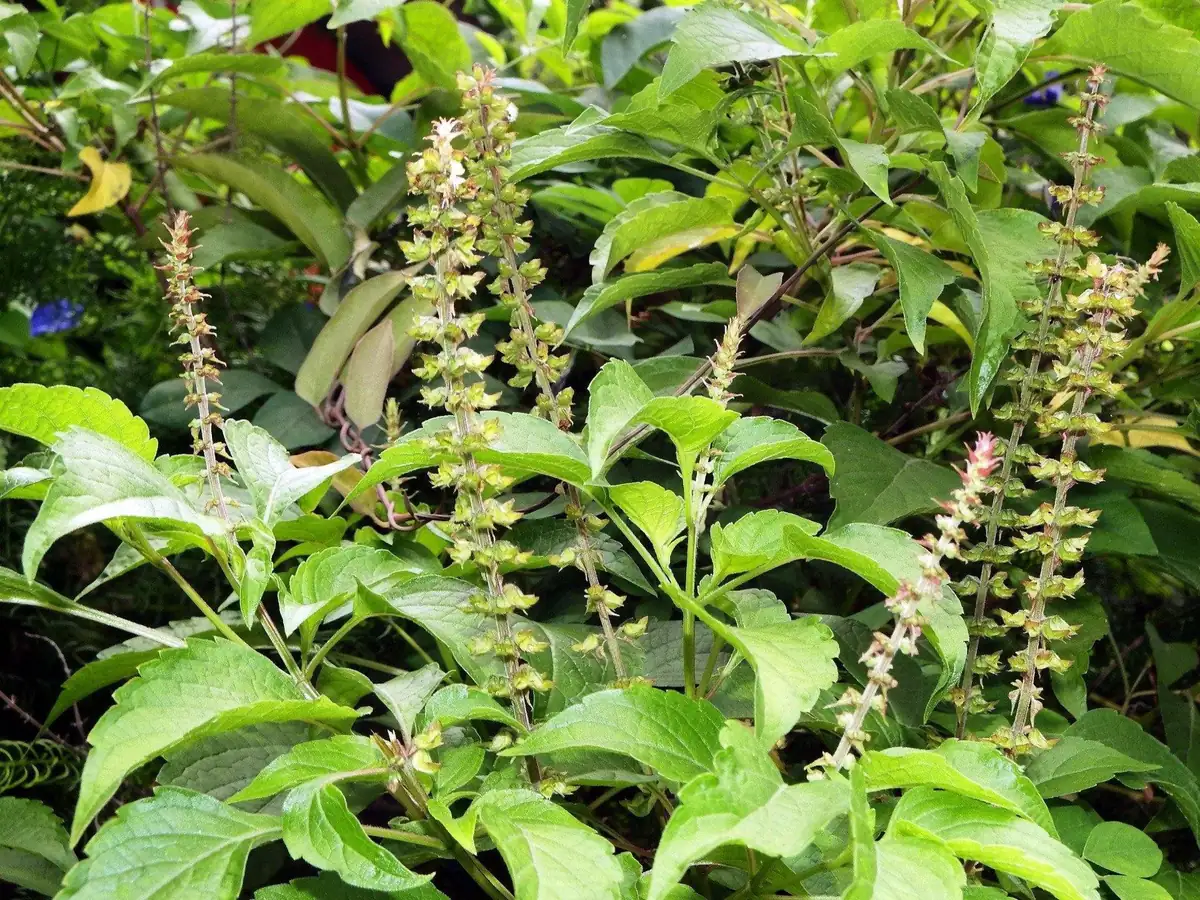
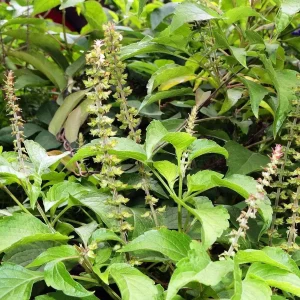
- Aesthetic Appeal: With its lush green foliage, the Vana Tulsi plant adds a touch of natural beauty to any garden, patio, or indoor space. Its vibrant appearance is as appealing as its aroma.
- Easy to Grow from Seed: These Ocimum gratissimum seeds are straightforward to sow and cultivate, offering a rewarding experience as you watch them sprout and grow into mature, aromatic plants.
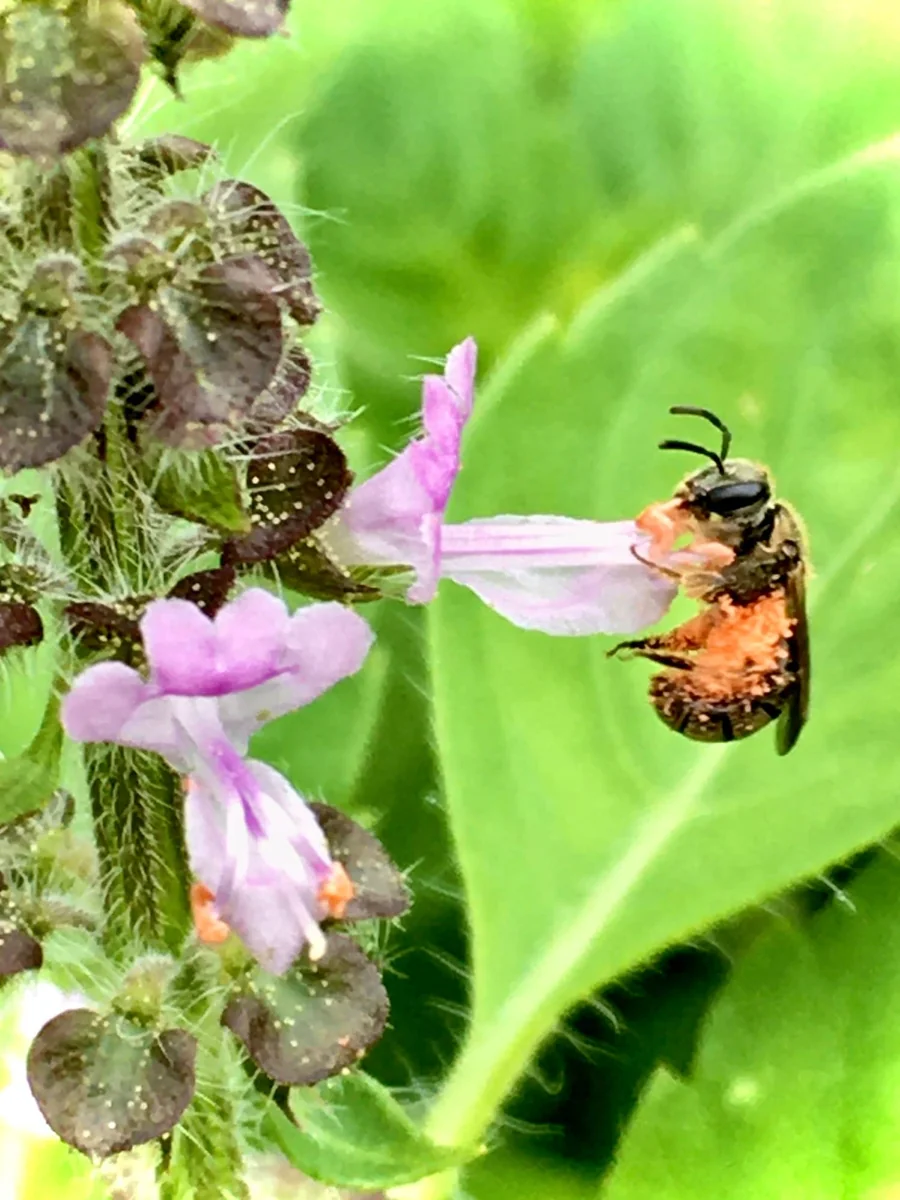
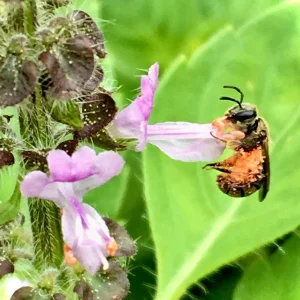
- Supports Pollinators: Like other basil varieties, Vana Tulsi flowers can attract beneficial pollinators to your garden, contributing to a healthier ecosystem.
- Year-Round Enjoyment: With proper care, Vana Tulsi can be grown indoors, allowing you to enjoy its fresh leaves and aromatic presence throughout the year.
Plant Care & Growing Tips
Cultivating Vana Tulsi seeds into thriving plants requires attention to a few key environmental factors. This resilient herb, also known as Wild Forest Tulsi, prefers full sunlight, ideally receiving at least 6-8 hours of direct sun per day. When grown indoors, place it near a south-facing window or under grow lights to ensure adequate light exposure. Well-draining soil is crucial for Vana Tulsi, as it dislikes soggy roots. A good quality potting mix amended with compost or perlite will provide the ideal growing medium. Consistent moisture is also important; water thoroughly when the top inch of soil feels dry, but avoid overwatering.
Vana Tulsi flourishes in warm temperatures, typically between 65-80°F (18-27°C). It is generally suited for USDA zones 9–11 for outdoor perennial growth, but can be grown as an annual in cooler climates or brought indoors during winter. Fertilize every 2-4 weeks during the growing season with a balanced liquid fertilizer to support vigorous growth. Pinching back the plant regularly helps promote bushier growth and prevents it from going to seed too early, ensuring a continuous harvest of flavorful leaves. Keep an eye out for common pests like aphids or spider mites; treat with organic insecticidal soap if necessary. Growing Ocimum gratissimum seeds is a relatively straightforward process when these guidelines are followed.
For those looking to grow Holy Basil seeds, starting them indoors 6-8 weeks before the last frost date can give them a head start. Sow seeds thinly on the surface of the soil and lightly cover them, as light aids germination. Maintain consistent moisture and warmth until seedlings emerge. Once established, these plants from Vana Tulsi seeds will provide a bountiful supply of aromatic leaves.
Size & Details
When grown from Vana Tulsi seeds, this herb typically reaches a mature height of 24-36 inches (60-90 cm) with a spread of 18-24 inches (45-60 cm), depending on growing conditions and pruning. It forms a bushy, upright plant with slightly larger and broader leaves compared to other Tulsi varieties. The seeds are typically shipped in a protective packet, ready for planting. While germination times can vary, expect seedlings to emerge within 7-14 days under optimal conditions. The plant will reach maturity and begin producing an abundant harvest of leaves within 60-90 days after germination. The growth rate is moderate to fast, especially in warm, sunny environments with consistent moisture. Enjoy the full sensory experience of fresh Wild Forest Tulsi.
Frequently Asked Questions
- Q: How big does a Vana Tulsi plant get? A: A mature Vana Tulsi plant typically reaches a height of 24-36 inches and a spread of 18-24 inches, depending on growing conditions and whether it’s pruned regularly.
- Q: Is Vana Tulsi an indoor or outdoor plant? A: Vana Tulsi can be grown both indoors and outdoors. It thrives outdoors in warm climates (USDA zones 9–11) and can be grown as an annual in cooler regions or as a perennial houseplant.
- Q: How much sunlight does Vana Tulsi need? A: This herb prefers full sun, requiring at least 6-8 hours of direct sunlight per day to flourish. If growing indoors, place it in a bright, south-facing window.
- Q: Is this plant easy to care for? A: Yes, Vana Tulsi is known for its resilience and adaptability, making it a relatively easy plant to care for, suitable for both novice and experienced gardeners. Growing from Vana Tulsi seeds is a rewarding experience.
- Q: What condition will the Vana Tulsi seeds arrive in? A: The Vana Tulsi seeds will arrive in a sealed packet, ensuring their freshness and viability for planting.
- Q: Can I use Vana Tulsi in cooking? A: Absolutely! Vana Tulsi leaves are a culinary delight, offering a fresh, vibrant, peppery, and herbaceous zest. They are excellent for teas, herbal infusions, and various culinary creations.
- Q: When is the best time to plant Vana Tulsi seeds? A: The best time to plant Vana Tulsi seeds is in spring after the last frost date for outdoor planting. For indoor cultivation, you can start them any time of the year.
- Q: What type of soil does Vana Tulsi prefer? A: Vana Tulsi thrives in well-draining soil. A good quality potting mix amended with compost or perlite is ideal to prevent waterlogging.
- Q: How long until Vana Tulsi seeds germinate? A: Under optimal conditions (consistent moisture and warmth), Ocimum gratissimum seeds typically germinate within 7-14 days.
- Q: Will Vana Tulsi attract pollinators? A: Yes, like many basil varieties, Vana Tulsi flowers can attract bees and other beneficial pollinators to your garden.
| Number of seeds | 10, 20, 30 |
|---|
Be the first to review “Vana Tulsi Seeds – Wild Forest Holy Basil (Ocimum gratissimum) for Culinary & Herbal Gardens”
People Also Viewed
Sold 87 products
Original price was: $355.96.$177.98Current price is: $177.98.

Sold 57 products
From $43.80
Sold 77 products
Original price was: $28.76.$14.38Current price is: $14.38.
Sold 100 products
Original price was: $8.52.$4.26Current price is: $4.26.
Sold 93 products
Original price was: $51.16.$25.58Current price is: $25.58.
Sold 75 products
Original price was: $55.98.$27.99Current price is: $27.99.
Sold 57 products
Original price was: $107.80.$53.90Current price is: $53.90.
Sold 68 products
Original price was: $80.00.$64.00Current price is: $64.00.
Sold 61 products
Original price was: $34.00.$27.20Current price is: $27.20.
Sold 81 products
Original price was: $54.76.$27.38Current price is: $27.38.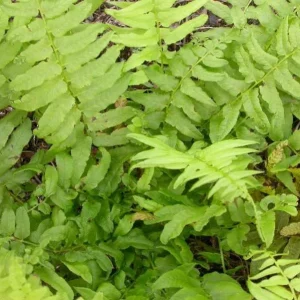
Flower Bulbs
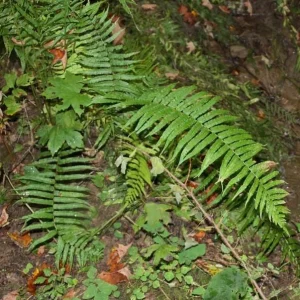
40 Glade Fern Bulbs – Diplazium Pycnocarpon – Deciduous Fern – 2-3′ Tall – Part to Full Shade
Sold 53 products
Original price was: $180.00.$90.00Current price is: $90.00.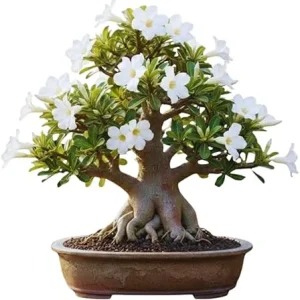
Succulents
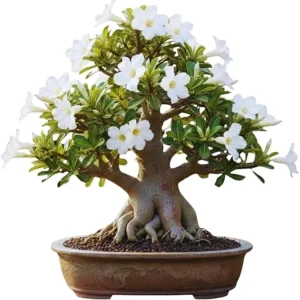
White Desert Rose Live Plant – 5-7 Inches Tall – Perennial Flowering Succulent – Indoor/Outdoor
Sold 89 products
Original price was: $39.94.$19.97Current price is: $19.97.
Sold 52 products
Original price was: $399.80.$199.90Current price is: $199.90.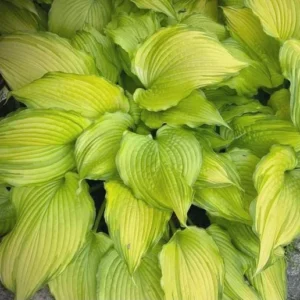
Flower Plants
Dancing Darling Hosta Live Plant – Yellow-Golden Foliage – 1 Gallon Pot – Shade Garden Perennial
Sold 74 products
From $99.80
Sold 95 products
Original price was: $319.96.$159.98Current price is: $159.98.
Sold 85 products
Original price was: $132.20.$79.32Current price is: $79.32.
Sold 68 products
Original price was: $55.96.$27.98Current price is: $27.98.
Sold 77 products
Original price was: $27.96.$13.98Current price is: $13.98.



Reviews
There are no reviews yet.